
Texas, a state synonymous with vast landscapes, vibrant culture, and an often-mythologized climate, presents a unique question to prospective visitors and even its own residents: “When is winter in Texas?” Unlike the predictable, snow-laden winters of more northerly regions, Texas winter is a more nuanced affair. It’s a season characterized by its variability, its milder temperatures, and the subtle yet distinct shifts that signal its arrival. Understanding these nuances is key to planning the perfect Texas getaway or simply appreciating the state’s dynamic seasonal rhythms.
Defining the Texas Winter: A Season of Transition
The concept of “winter” in Texas defies a single, rigid definition. It’s less about a blanket of snow and more about a series of meteorological and atmospheric changes. Broadly, the Texas winter season can be considered to span from late November through February, with transitional periods bleeding into early March and late October. This period is marked by a significant decrease in average temperatures compared to the scorching heat of summer and the mild warmth of spring and fall. However, the intensity and duration of this chill can vary dramatically across the vast expanse of the Lone Star State.
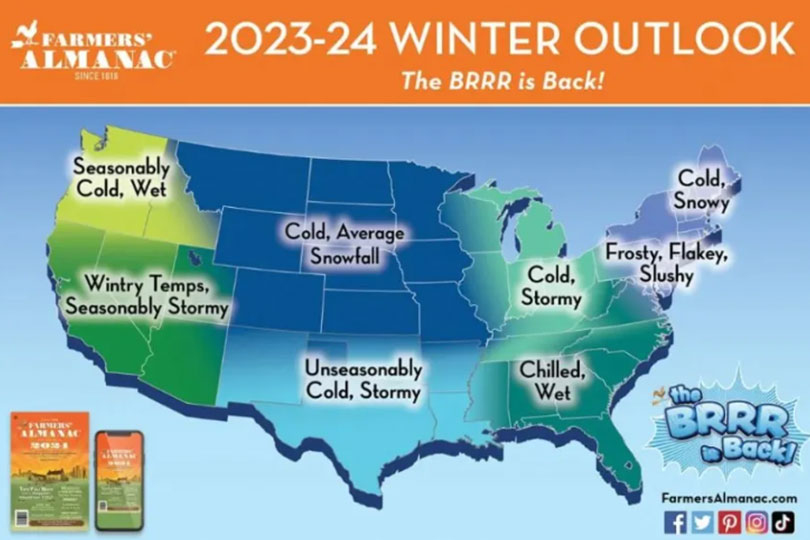
Geographic Variations in Winter Arrival
The sheer size of Texas means that “winter” can manifest differently depending on where you are.
- The Panhandle and North Texas: Regions like Amarillo and Dallas-Fort Worth tend to experience the most “traditional” winter weather. Temperatures here can drop significantly, with occasional dips below freezing and even the possibility of snow and ice. Winter typically sets in by late November, with the coldest months being January and February.
- Central Texas: Cities like Austin and San Antonio enjoy a milder version. While cold fronts are common, prolonged deep freezes are less frequent. Expect temperatures to range from the 40s to the 60s Fahrenheit (4-15°C) on average, with occasional colder snaps that might warrant a light jacket or sweater. Winter here often feels more like a cool, crisp autumn.
- South Texas and the Gulf Coast: Areas such as Houston and the Rio Grande Valley experience the mildest winters in Texas. Freezing temperatures are rare, and it’s not uncommon to have sunny, almost spring-like days even in the heart of winter. The season here is primarily defined by cooler breezes and a welcome respite from the intense summer heat, rather than a harsh chill.
The Role of Cold Fronts
A defining characteristic of Texas winter is the influence of cold fronts originating from the north. These can sweep through the state with remarkable speed, dramatically altering temperatures and weather patterns. One day might feel like a mild autumn afternoon, only for a powerful cold front to arrive overnight, bringing sharp drops in temperature, increased winds, and a distinctly wintery feel. This unpredictability is part of the Texas charm and something visitors should be prepared for.
Experiencing Winter in Texas: Activities and Attractions
Despite its less severe nature compared to other regions, Texas winter offers a unique set of experiences and attractions that are often best enjoyed during these cooler months.
Outdoor Pursuits Reimagined
While extreme cold might deter some outdoor activities, Texas winter opens up possibilities for comfortable exploration.
- Hiking and Biking: Trails in places like Big Bend National Park or state parks such as Enchanted Rock State Natural Area become significantly more pleasant without the oppressive summer heat. Cooler temperatures allow for longer excursions and a more immersive experience in nature.
- Birdwatching: The cooler months are a prime time for bird migration, especially along the Texas coast. Areas around Corpus Christi and the Rio Grande Valley become havens for a diverse array of avian species.
- Photography: The softer light and unique atmospheric conditions of winter can be a photographer’s dream. Landscapes take on a different character, and the absence of intense heat haze allows for clearer, more detailed shots of landmarks and natural vistas.
City Exploration and Cultural Immersion
Texas cities truly shine when the temperatures cool down, making it an ideal time for urban exploration.
- Festivals and Events: Many of Texas’s renowned festivals, from holiday celebrations like the Alamo City’s Christmas Lights in San Antonio to cultural gatherings, are scheduled during the winter months. The cooler weather makes attending these vibrant events much more comfortable.
- Museums and Galleries: Texas boasts world-class museums and art galleries in cities like Houston (home to the Museum of Fine Arts, Houston) and Dallas (with the Dallas Museum of Art). Winter is the perfect time to spend a day indoors, exploring these cultural treasures.
- Culinary Delights: The cooler weather is also perfect for enjoying Texas’s rich culinary scene. From hearty barbecue to warming Tex-Mex dishes, indulging in the local cuisine feels particularly appropriate during the winter months. Cozying up in a restaurant or bar after a day of exploring is a quintessential Texas winter experience.
Winter-Specific Attractions
While not as widespread as summer attractions, there are some experiences uniquely suited to Texas winter.
- Holiday Lights and Displays: Texas goes all out for the holiday season. Major cities and even smaller towns are adorned with spectacular light displays, turning neighborhoods and attractions into magical winter wonderlands. The Trail of Lights in Austin and the lights in Galveston are particularly famous.
- Minor League Baseball Spring Training: While technically late winter or early spring, the pre-season training for minor league baseball teams begins in February in some parts of Texas. This offers a chance to catch some early baseball action in a relaxed atmosphere.
Preparing for a Texas Winter: What to Pack and Expect
Understanding what to expect climatically is crucial for enjoying your time in Texas during its cooler season. The key is layers and preparedness for variability.
Dressing for the Texas Chill
The unpredictable nature of Texas weather necessitates a versatile wardrobe.
- Layering is Key: The best approach is to pack clothing that can be easily added or removed. Start with a base layer, add a mid-layer like a sweater or fleece, and top it off with a windproof and water-resistant outer shell.
- Essential Outerwear: A medium-weight jacket is generally sufficient for most of Texas, but those heading to the Panhandle might need something heavier, including gloves and a hat. For South Texas, a light jacket or even a long-sleeved shirt might suffice for most days.
- Footwear: Comfortable walking shoes are a must. If you anticipate encountering rain or potentially icy conditions in North Texas, waterproof boots are advisable.
- Accessories: Don’t forget a scarf, hat, and gloves, especially if you are sensitive to cold or plan to spend time outdoors in the evenings or early mornings.
Understanding Weather Phenomena
Beyond temperature, a few other weather-related aspects are worth noting.
- Wind: Texas can be windy year-round, but winds often pick up during the winter months, especially with the passage of cold fronts. This can make cooler temperatures feel even more biting.
- Rain and Ice: While snow is not a common occurrence across most of Texas, rain is. In North Texas, when temperatures hover around freezing, rain can sometimes turn into freezing rain or sleet, creating hazardous icy conditions on roads. Drivers should always exercise caution during such weather events.
- Sunshine: Despite the cooler temperatures, Texas often enjoys crisp, sunny winter days, especially in the southern parts of the state. These days can be incredibly pleasant and perfect for outdoor activities.
Beyond the Calendar: The Feel of a Texas Winter
Ultimately, winter in Texas is more about a feeling and a shift in the atmosphere than a strict adherence to a calendar. It’s the scent of woodsmoke in the crisp air, the sound of geese migrating overhead, the subtle change in the color of the landscape, and the comforting warmth of a local café.
A Season of Local Culture and Community
Winter is a time when Texans often retreat to their communities and embrace indoor activities, but also when outdoor traditions are cherished.
- Holiday Traditions: From the elaborate decorations in cities like Grapevine (dubbed the “Christmas Capital of Texas”) to the festive gatherings, the holiday season is a significant part of the Texas winter experience.
- Sports Fandom: Winter is peak season for NFL (Dallas Cowboys, Houston Texans) and NBA (Dallas Mavericks, Houston Rockets, San Antonio Spurs) action. Catching a game is a quintessential Texas winter pastime.
- Rodeos and Western Heritage: While many rodeos are held throughout the year, the winter months often see a surge in indoor rodeo events and celebrations of western heritage in various communities.

The Enduring Appeal of Texas Winter
The appeal of a Texas winter lies in its gentle introduction to the colder months, its embrace of outdoor life when conditions permit, and its vibrant cultural offerings. It’s a season that encourages appreciation for the state’s diverse landscapes and the warmth of its people. Whether you’re seeking outdoor adventure, cultural enrichment, or simply a break from the extreme heat of summer, the Texas winter offers a welcoming and unique experience, proving that even in the Lone Star State, the rhythm of the seasons is ever-present, albeit with a distinctly Texan flair.
LifeOutOfTheBox is a participant in the Amazon Services LLC Associates Program, an affiliate advertising program designed to provide a means for sites to earn advertising fees by advertising and linking to Amazon.com. Amazon, the Amazon logo, AmazonSupply, and the AmazonSupply logo are trademarks of Amazon.com, Inc. or its affiliates. As an Amazon Associate we earn affiliate commissions from qualifying purchases.