
The Sunshine State’s Elusive Winter Wonderland
The very idea of snow in Florida sounds like an oxymoron to most travelers, conjuring images far removed from the palm trees, sun-drenched beaches, and theme park thrills for which the state is renowned. Florida, affectionately known as the Sunshine State, is synonymous with warmth, a perpetual summer that draws millions seeking refuge from colder climates. Yet, despite its tropical and subtropical zones, snow has, on rare occasions, dusted parts of Florida, leaving an indelible mark on local memory and becoming a fascinating footnote in the state’s travel narrative. Understanding these sporadic occurrences not only offers a unique glimpse into Florida’s climatic history but also underscores the very essence of why it remains a premier destination for those craving year-round warmth.
A Historical Glimpse at Florida’s Snow Events
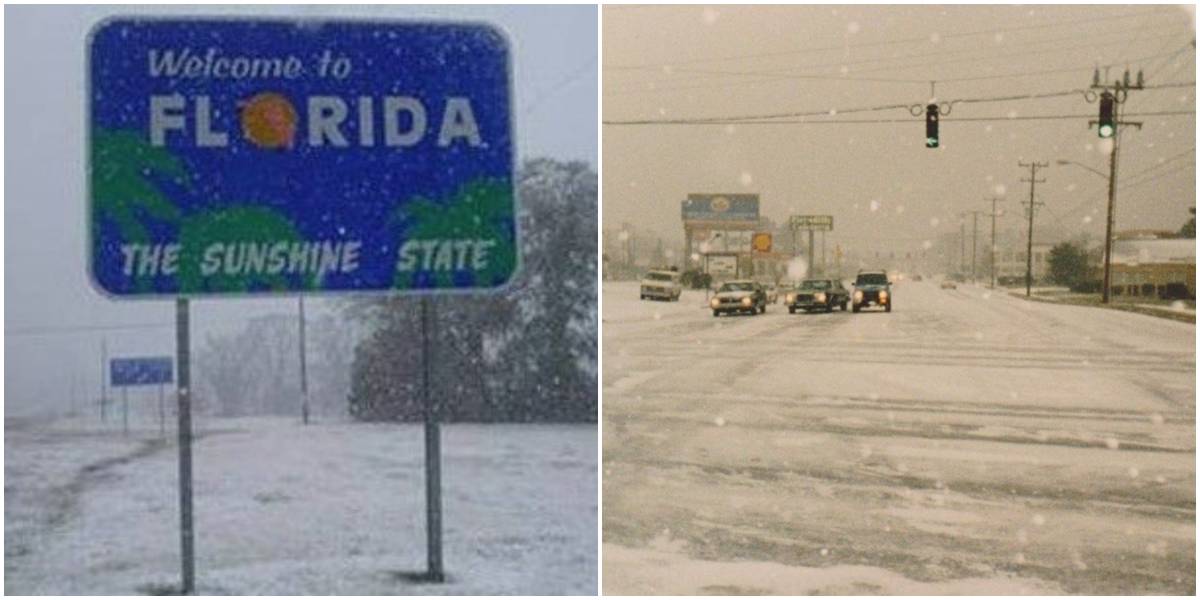
Snowfall in Florida is an exceedingly uncommon phenomenon, primarily confined to its northern regions. The further south one travels, particularly towards Miami or Key West, the chances diminish to virtually zero. However, history records several instances where flakes have indeed fallen, creating temporary, almost mythical, winter scenes.
Perhaps the most significant and widespread snowfall event occurred on January 19, 1977. This date is etched in the minds of many Floridians, as it marked the first time in recorded history that snow fell in Miami and across a vast stretch of South Florida. While accumulations were minimal, primarily a dusting that quickly melted, the mere sight of snow in these typically balmy latitudes caused widespread excitement and disbelief. From West Palm Beach to Fort Lauderdale and even as far south as Homestead, residents woke to a thin, fleeting blanket of white, a truly unprecedented travel experience for those accustomed to sunshine.
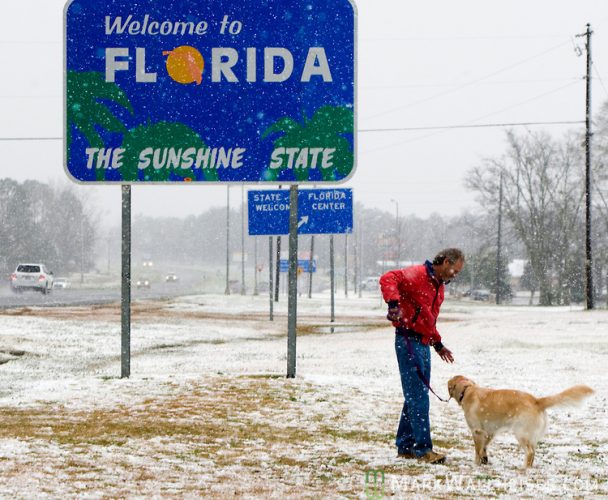
Prior to 1977, significant snowfall was primarily limited to North Florida. For instance, Jacksonville experienced measurable snow in February 1899 during a severe cold wave known as the Great Blizzard of 1899. This event saw temperatures plummet and snowfall reach several inches in parts of the Panhandle and northern areas. More recently, measurable snow was last reported in Tallahassee in December 2017, when the state capital received a dusting that delighted locals and briefly captivated national attention. Other northern cities like Pensacola and Jacksonville have also seen light snow flurries or dustings in the early 21st century, often melting upon contact with the ground. These rare events serve as a potent reminder of Florida’s unique position at the edge of subtropical and temperate climates, making such occurrences headline news and a talking point for generations.
Meteorological Anomalies and Their Impact
The reason behind Florida’s infrequent snow lies in its geography and prevailing weather patterns. For snow to form and stick, three conditions must align: sufficiently cold temperatures throughout the atmosphere, moisture, and a lifting mechanism. While cold fronts periodically dip into Florida, bringing chilly air, they rarely bring temperatures low enough for long enough, nor the necessary moisture and atmospheric lift, particularly in the southern peninsula. The 1977 event, for example, was the result of an exceptionally strong arctic air mass combined with a low-pressure system that provided the crucial moisture.
Such cold snaps, while rare, can have significant impacts, especially on Florida’s agriculture and delicate ecosystems. Citrus crops, a cornerstone of the state’s economy, are particularly vulnerable to freezing temperatures. Farmers often employ various methods, from irrigation to giant fans, to protect their groves during cold weather alerts. Wildlife, too, can be affected; manatees seek warm water refuges, and iguanas, an invasive species, often fall out of trees in a cold-induced stupor, only to revive as temperatures rise. For travelers, these cold anomalies are typically short-lived, with the state quickly reverting to its signature sunny, mild conditions, ensuring that planned warm-weather activities can resume without significant disruption.
Why Florida Remains a Premier Warm-Weather Destination
The fleeting nature of snow in Florida only serves to highlight its enduring appeal as a warm-weather escape. Travelers flock to the Sunshine State precisely because they can rely on its balmy climate for relaxation, adventure, and unforgettable experiences, largely unburdened by the unpredictability of winter weather. From its world-class theme parks to its pristine beaches and vibrant cultural hubs, Florida’s attractions are meticulously designed to capitalize on its abundant sunshine and pleasant temperatures.
Iconic Attractions Beyond the Frost
Florida’s reputation as a family-friendly destination is largely built upon the unparalleled magic of its theme parks. Orlando, the undisputed theme park capital, is home to the Walt Disney World Resort, an expansive wonderland offering four distinct theme parks and two water parks. Visitors can explore the enchanting realms of Magic Kingdom, journey through cultures at Epcot, delve into cinematic adventures at Hollywood Studios, and connect with nature at Animal Kingdom. Nearby, Universal Studios Florida and Universal’s Islands of Adventure draw crowds with thrilling rides, including the immersive Wizarding World of Harry Potter. These parks are meticulously designed for year-round enjoyment, with cooling mist stations, shaded queues, and water rides providing refreshing breaks from the sun. The absence of heavy winter clothing allows for comfortable exploration and maximizes enjoyment of outdoor entertainment and parades.
Beyond Orlando’s fantasy lands, Florida boasts a plethora of other attractions. The Kennedy Space Center Visitor Complex on the Space Coast offers an awe-inspiring look into space exploration, with opportunities to meet veteran astronauts and witness rocket launches. For those interested in history, St. Augustine, the nation’s oldest continuously inhabited European-established settlement, provides a rich tapestry of colonial architecture, cobblestone streets, and historic landmarks like the Castillo de San Marcos. The warm climate makes walking tours and outdoor historical reenactments a pleasure almost any time of year.
Coastal Escapes and Aquatic Adventures
No discussion of Florida travel is complete without highlighting its magnificent coastline. With over 1,350 miles of shoreline, the state offers an incredible diversity of beaches, each with its own character. The soft, sugar-white sands of the Gulf Coast in areas like Sarasota, Naples, and St. Petersburg are perfect for families seeking calm waters and spectacular sunsets. On the Atlantic Coast, destinations like South Beach in Miami and Daytona Beach buzz with energy, offering vibrant nightlife and watersports.
The consistent warmth of the ocean temperatures facilitates a wide array of aquatic activities year-round. Snorkeling and diving enthusiasts can explore the vibrant coral reefs of the Florida Keys, teeming with colorful marine life. Kayaking and paddleboarding are popular pursuits in the serene mangrove tunnels and crystal-clear springs found throughout the state. Fishing, from deep-sea charters in the Gulf of Mexico to freshwater angling in Lake Okeechobee, is a year-round sport. Even during the cooler winter months, temperatures are typically mild enough for outdoor recreation, making Florida a paradise for active travelers who crave the outdoors without the chill.
Nature lovers will find solace and adventure in the Everglades National Park, a unique wetland ecosystem home to alligators, panthers, and diverse bird species. Airboat tours offer an exhilarating way to experience this vast wilderness, an activity best enjoyed in the cooler, drier months of Florida’s winter, when wildlife is more active and mosquitoes are less prevalent.
Planning Your Snow-Free Florida Getaway
For travelers seeking to escape the grip of winter, Florida offers an almost foolproof guarantee of sunshine and warmth. The rarity of snow underscores the reliability of its climate, making it an ideal destination for various travel styles, from family vacations to romantic retreats or solo adventures.
Best Time to Visit for Guaranteed Warmth
The peak season for visiting Florida for reliably warm weather is generally from late fall through spring (November to April). During these months, temperatures are delightfully mild, humidity is lower, and there is significantly less rainfall compared to the summer. This period is perfect for enjoying theme parks, exploring natural attractions like Everglades National Park, or simply relaxing on the beach without the intense heat of summer. While northern parts of the state, particularly the Panhandle, can experience occasional cold snaps during winter, Central Florida (e.g., Orlando, Kissimmee) and especially South Florida (e.g., Miami, Fort Myers) maintain enviable warmth, making them perfect destinations to swap snow boots for sandals.
Summer months (May to October) bring higher temperatures and humidity, along with the rainy season and hurricane season. While still popular, particularly for families on school breaks, visitors during this time should be prepared for afternoon thunderstorms and potential tropical weather events. However, even during the rainy season, Florida often clears up quickly, leaving plenty of time for sunshine.

Embracing Florida’s Unique Climate and Experiences
Ultimately, the allure of Florida lies in its steadfast refusal to conform to typical winter weather. The distant memory of a few snowflakes falling decades ago only reinforces its identity as a perpetual oasis from the cold. When planning a trip to Florida, travelers are not just choosing a destination; they are choosing a climate—one that promises consistent sunshine, warm breezes, and an endless array of outdoor activities.
Whether it’s the thrill of a roller coaster under a clear blue sky in Tampa, a leisurely stroll along the historic streets of St. Augustine, or snorkeling in the crystalline waters off the Florida Keys, Florida consistently delivers on its promise of an ideal escape. The absence of snow isn’t a deficiency; it’s a defining characteristic, a guarantee that your travel experiences will be filled with the warmth and vibrancy that have made the Sunshine State a beloved destination for generations.
LifeOutOfTheBox is a participant in the Amazon Services LLC Associates Program, an affiliate advertising program designed to provide a means for sites to earn advertising fees by advertising and linking to Amazon.com. Amazon, the Amazon logo, AmazonSupply, and the AmazonSupply logo are trademarks of Amazon.com, Inc. or its affiliates. As an Amazon Associate we earn affiliate commissions from qualifying purchases.