
Arizona, a land synonymous with perpetual sunshine and dramatic desert landscapes, holds a secret: a formidable, yet often awe-inspiring, summer event known as the monsoon season. Far from a gentle drizzle, the Arizona monsoon brings intense, sometimes violent, thunderstorms that transform the arid landscape, breathing life into the Sonoran Desert and offering a unique spectacle for travelers. Understanding when and how this meteorological phenomenon unfolds is key to planning an unforgettable visit, whether you’re chasing dramatic skies or seeking respite in luxurious accommodations.
Often misinterpreted as a continuous period of rain, the Arizona monsoon is a distinct climatic shift, characterized by a sudden increase in moisture and subsequent thunderstorm activity. For intrepid travelers, it’s a time of both wonder and necessary caution, offering unparalleled photographic opportunities, verdant desert blooms, and a chance to experience the state’s natural power firsthand. From the bustling streets of Phoenix and Tucson to the serene canyons of Sedona and the high deserts of Flagstaff, the monsoon leaves its indelible mark across the entire state, influencing everything from daily commutes to outdoor adventures and even the ambiance of luxury resorts.
Understanding Arizona’s Summer Storms: The Monsoon Phenomenon
The concept of a “monsoon” typically evokes images of Asian countries, but Arizona experiences its own powerful version, an annual weather pattern that dramatically alters the state’s typically dry summer. This isn’t just an occasional summer storm; it’s a fundamental shift in atmospheric conditions that brings a much-needed dousing to the sun-baked land. For those planning their travel, understanding the mechanics and timing of this season is paramount, allowing them to either embrace its unique challenges or strategically avoid its peak.
The Science Behind the Monsoon’s Arrival
The Arizona monsoon, scientifically known as the North American Monsoon System (NAMS), is a fascinating meteorological event driven by a large-scale change in atmospheric circulation. During late spring and early summer, the desert regions of Arizona heat up intensely, creating a thermal low-pressure system over the land. Simultaneously, a high-pressure system begins to develop over the Four Corners region, typically centered over the Colorado Plateau.
This combination creates a powerful dynamic: the thermal low pulls moisture northward from the Gulf of California and, to a lesser extent, the Gulf of Mexico. This influx of humidity, colliding with the extreme daytime heating of the desert and often aided by topography, creates prime conditions for intense convection – leading to the spectacular, often violent, thunderstorms that define the monsoon season. Unlike frontal storms, monsoon storms are typically localized, pop up rapidly, and can bring torrential rain, lightning, and strong winds within a very short period. The dramatic contrast between the dry, scorching heat and the sudden, powerful downpours is what makes the Arizona monsoon such an unforgettable experience.
Typical Timing and Duration: When to Expect the Monsoon
The official start date for the Arizona monsoon, as defined by the National Weather Service in Phoenix, is June 15th, and it officially concludes on September 30th. However, it’s crucial to understand that these dates represent the window for monsoon conditions, not a guarantee of daily storms. The actual onset of widespread monsoon activity can vary from year to year, typically beginning in earnest sometime in early to mid-July.
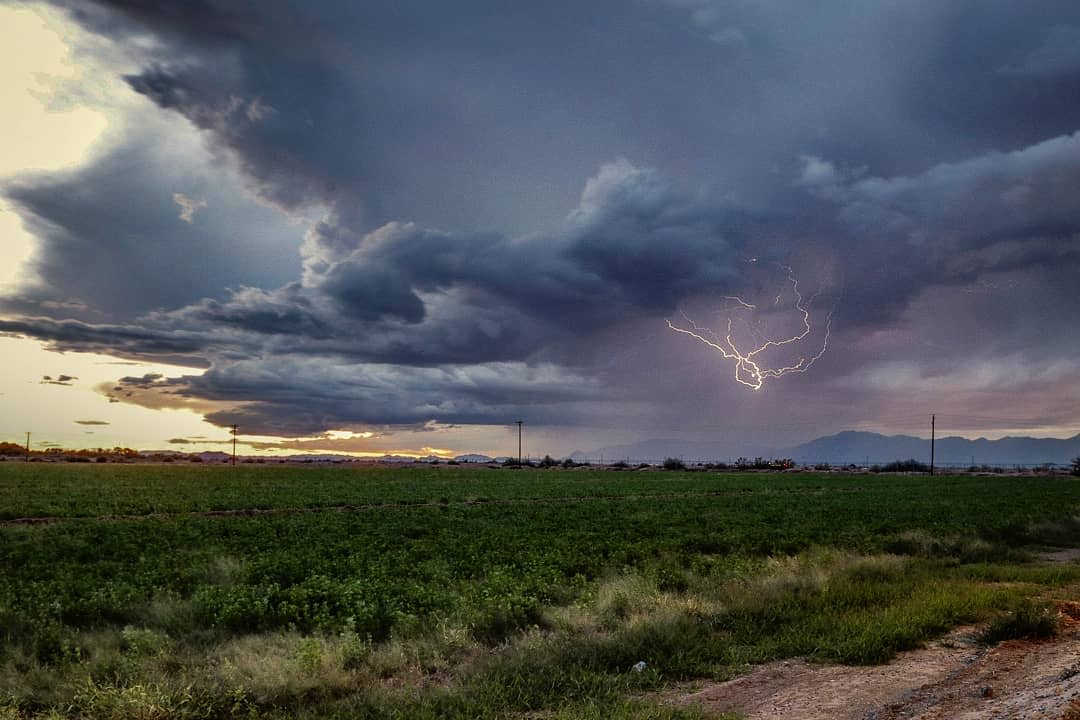
During its peak, usually from mid-July through August, residents and visitors can expect daily chances of thunderstorms, particularly in the late afternoon and early evening. These storms can be highly localized, meaning one part of a city like Tucson might experience a deluge while another area remains dry. The storms often build quickly, with towering cumulonimbus clouds forming on the horizon, leading to dramatic lightning displays, sudden downpours, and gusty winds. While the rain is often brief, it can be incredibly intense, leading to significant runoff. By September, the frequency of these storms typically begins to taper off, as the atmospheric patterns shift once more, ushering in the cooler, drier autumn.
Navigating the Monsoon: Safety, Activities, and Unique Experiences
While the Arizona monsoon brings undeniable beauty and ecological benefits, it also presents specific challenges for travelers. Planning ahead and understanding the potential hazards are crucial for a safe and enjoyable trip. However, with the right approach, this unique season offers a wealth of incredible experiences that you won’t find at any other time of year. From captivating photography to unique indoor attractions, the monsoon adds a distinct flavor to any Arizona itinerary.
Embracing the Drama: Photography and Desert Rebirth
For photographers and nature enthusiasts, the monsoon season is nothing short of a dream. The dramatic skies, laden with dark, bruised clouds and punctuated by brilliant flashes of lightning, create unparalleled opportunities for landscape photography. Capturing a distant haboob (dust storm) rolling across the Sonoran Desert or a double rainbow arching over saguaros after a storm are truly once-in-a-lifetime shots. The air, freshly scrubbed by the rain, often offers incredible clarity and vibrant colors, making sunsets and sunrises particularly breathtaking.
Beyond the atmospheric drama, the monsoon sparks a remarkable rebirth in the desert. Within days of the first substantial rains, the seemingly barren landscape bursts into life. Annual wildflowers carpet the desert floor in hues of purple, yellow, and red. Creosote bushes release their distinctive, earthy fragrance, and dormant seeds germinate, transforming the desert into a surprisingly lush and vibrant ecosystem. Visiting places like the Desert Botanical Garden in Phoenix or Saguaro National Park near Tucson after a rain shower reveals a side of Arizona rarely seen, full of fresh growth and renewed wildlife activity. This period offers a unique perspective on the desert’s resilience and its hidden beauty, appealing to travelers interested in ecology and natural phenomena.
Prioritizing Safety: Flash Floods, Dust Storms, and Driving
Safety during the monsoon season is paramount. The sudden, intense downpours can lead to rapid-onset flash floods, especially in washes, arroyos, and low-lying areas. The phrase “Turn Around, Don’t Drown” is a critical reminder: never attempt to drive or walk through flooded roads or washes, as even shallow water can conceal strong currents or washouts. Be aware that many areas, particularly in rural Arizona, lack proper drainage, making roads susceptible to flooding. Hikers should exercise extreme caution, avoiding slot canyons and dry washes if there’s any chance of rain, even miles upstream. Check weather forecasts religiously and heed all warnings from local authorities.
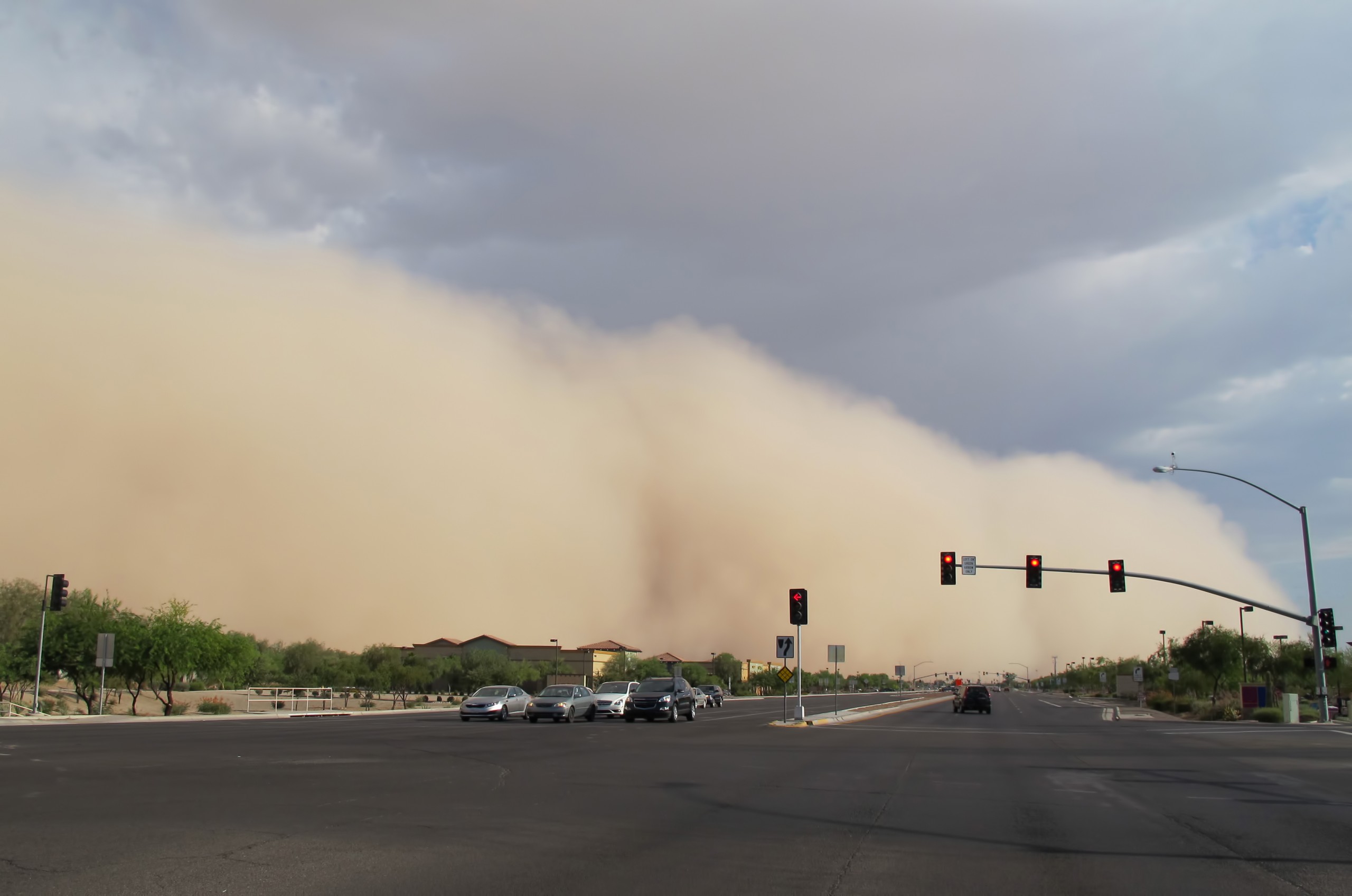
Another significant hazard unique to the Arizona monsoon are “haboobs” – massive walls of dust that can precede thunderstorms. These dramatic dust storms can reduce visibility to zero in a matter of seconds, posing extreme dangers for drivers. If caught in a haboob, pull off the road as far as possible, turn off your lights, and take your foot off the brake pedal to avoid being rear-ended. Driving during heavy rain can also be hazardous due to reduced visibility and hydroplaning risks. Travel plans should always be flexible, allowing for potential road closures or delays. For those traveling between major cities like Phoenix and Tucson on routes like Interstate 10, or traversing mountainous regions on Interstate 17 to Flagstaff, staying informed about current road conditions is essential.

Indoor Escapes: When the Weather Turns Wild
When the monsoon storms roll in, it’s the perfect opportunity to explore Arizona’s rich array of indoor attractions and urban experiences. Cities like Phoenix, Scottsdale, and Tucson offer world-class museums, art galleries, and cultural centers that provide engaging alternatives to outdoor activities.
In Phoenix, consider a visit to the Heard Museum, renowned for its Native American art and culture, or the Arizona Science Center, perfect for families. Scottsdale’s vibrant Old Town Scottsdale is home to numerous art galleries and unique boutiques, making it an ideal destination for a leisurely afternoon of shopping and exploration. For those seeking relaxation, many luxury resorts and hotels offer exceptional spa services, allowing guests to unwind and rejuvenate while a storm rages outside. The culinary scene across Arizona also thrives during the monsoon, with a plethora of restaurants offering everything from gourmet Southwestern cuisine to international flavors. Enjoying a fine meal or a refreshing drink indoors while watching the dramatic light show outside can be a truly memorable part of a luxury travel experience.
Planning Your Arizona Monsoon Getaway: Travel and Accommodation
Traveling during Arizona’s monsoon season requires a slightly different approach than visiting during the drier months. While the intense heat of summer is often a deterrent for some, the monsoon can offer cooler temperatures (albeit briefly) and unique desert beauty, making it an appealing time for others. Strategic planning regarding accommodation and travel logistics can enhance your experience, ensuring comfort and minimizing potential disruptions.
Choosing Your Accommodation: Comfort and Convenience
Selecting the right accommodation is key to a comfortable monsoon season trip. Many of Arizona’s hotels, resorts, and vacation rentals are well-equipped to handle the summer weather, offering a luxurious retreat from the heat and occasional storms. For those seeking a lifestyle of leisure, high-end resorts in Phoenix and Scottsdale often feature extensive indoor amenities, including world-class spas, gourmet restaurants, indoor pools, and entertainment options that ensure a seamless experience regardless of the weather. Hotels like the Hyatt Regency Scottsdale Resort & Spa at Gainey Ranch or The Phoenician, a Luxury Collection Resort, Scottsdale provide opulent environments where you can enjoy the drama of a storm from the comfort of your suite or a protected patio.
For family trips or budget travel, many hotels and apartments in cities like Tucson, Mesa, or Flagstaff offer comfortable, air-conditioned rooms and convenient access to local attractions. Consider accommodations with covered parking to protect your vehicle from hail or heavy rain. Checking recent reviews for how hotels handle monsoon season conditions (e.g., generator backup, covered walkways, attentive staff during storms) can provide valuable insights. Boutique hotels in historic districts, such as those in Old Town Scottsdale or near Downtown Tucson, can offer unique charm and often provide cozy indoor spaces to relax while the weather passes.
Travel Logistics: Getting Around During Monsoon Season
Flexibility is the golden rule for travel during the Arizona monsoon. While most days will be sunny, isolated thunderstorms can pop up quickly, causing temporary disruptions. Flights into and out of major airports like Phoenix Sky Harbor International Airport (PHX) or Tucson International Airport (TUS) can experience delays or diversions during intense storms. It’s wise to build extra time into your itinerary, especially if you have connecting flights or tight schedules.
Road travel is generally manageable, but as mentioned, conditions can change rapidly. Always check local weather radar and traffic apps before embarking on longer drives. Major highways are usually well-maintained, but flash floods can close segments or create hazardous conditions. If you plan to explore more remote areas, such as those leading to the Grand Canyon (which also experiences monsoon activity, though usually less intense) or regional parks, verify road conditions with park services or local authorities beforehand. Renting a vehicle with good ground clearance can be beneficial, though it’s never an excuse to drive through flooded areas.
Packing Essentials for a Monsoon Trip
Packing smartly for the Arizona monsoon ensures you’re prepared for both the heat and the rain.
- Lightweight, breathable clothing: Days remain hot and humid, so cotton or moisture-wicking fabrics are ideal.
- Rain gear: A compact, waterproof jacket or a sturdy umbrella is a must-have, even if you only use it for short dashes between buildings.
- Sturdy, waterproof shoes: Essential for navigating wet streets or trails, especially if you plan any outdoor activities.
- Sun protection: Despite the clouds, the Arizona sun is powerful. Bring sunscreen, a wide-brimmed hat, and sunglasses.
- Reusable water bottle: Staying hydrated is critical, regardless of the weather.
- Emergency car kit: If driving, pack a basic emergency kit including water, snacks, a first-aid kit, a flashlight, and a portable phone charger.
- Camera with weather protection: For capturing those dramatic skies, but ensure your gear is protected from rain and dust.
- Insect repellent: Mosquitoes can be more prevalent after rains in certain areas.
The Allure of Arizona After the Storm: A Desert Transformed
While the immediate impact of monsoon storms can be intense, the period directly following the rain often reveals Arizona’s most captivating and ephemeral beauty. The desert, momentarily quenched, undergoes a profound transformation, offering unique sensory experiences that visitors during other times of the year simply miss. This post-storm phase truly highlights the resilience and vibrancy of desert life, adding another layer to Arizona’s allure as a tourist destination.
A Landscape Renewed: Flora and Fauna Flourish
The most immediate and striking change after a monsoon storm is the dramatic shift in the landscape. The desert floor, often parched and brown for months, quickly begins to green. Annual wildflowers, whose seeds have lain dormant in the arid soil, burst forth in a riot of color. Species like the bright yellow Arizona Poppy, purple owl’s clover, and various phacelias create stunning carpets of blooms, especially in areas like Saguaro National Park, Organ Pipe Cactus National Monument, or the Desert Botanical Garden.
Beyond the visual spectacle, the air is filled with the distinctive, invigorating scent of creosote bush, a resinous plant that releases its unique aroma when wet – a smell often described as the “smell of rain” in the desert. Wildlife, previously hunkered down to escape the heat, becomes more active. Various species of birds, reptiles, and mammals emerge to feed on the newfound bounty of insects and plants. Observing this dynamic ecosystem come to life offers a profound connection to the local culture and natural heritage of Arizona, appealing to ecotourists and those seeking authentic experiences.
Beyond the Rain: Cooler Evenings and Clear Skies
One of the most welcome aspects of the monsoon season is the temporary relief it offers from the intense summer heat. While daytime temperatures remain high, the cloud cover and subsequent evaporation from rain often lead to a noticeable drop in evening temperatures. The air feels cleaner, less oppressive, and wonderfully fresh. This creates ideal conditions for enjoying Arizona’s legendary sunsets, which are often enhanced by lingering clouds that catch the vibrant hues of the setting sun.
Once the storm clouds dissipate, the nights often bring exceptionally clear skies, making it a prime time for stargazing. Far from city lights, the Arizona desert offers some of the darkest skies in the contiguous United States. With the air washed clean of dust and humidity momentarily reduced, the constellations, planets, and the Milky Way appear with startling clarity, offering a serene and awe-inspiring experience for any traveler. Whether you’re at a remote campsite, a rural lodge, or even a resort with a dedicated stargazing program, the post-monsoon nights provide a magical backdrop for astronomical observation.
In conclusion, the Arizona monsoon season, stretching roughly from mid-June to mid-September, is a period of dramatic weather shifts that transforms the state’s iconic desert landscape. While it demands careful planning and an awareness of safety precautions regarding flash floods and dust storms, it also presents a unique window of opportunity for travelers. From the awe-inspiring spectacle of lightning storms and rolling haboobs to the ephemeral beauty of a revitalized desert bursting with life and scent, the monsoon offers a profound and unforgettable Arizona experience. By embracing flexibility, choosing appropriate accommodations, and prioritizing safety, you can unlock a side of Arizona that is both powerful and profoundly beautiful, making your trip a truly distinct adventure.
LifeOutOfTheBox is a participant in the Amazon Services LLC Associates Program, an affiliate advertising program designed to provide a means for sites to earn advertising fees by advertising and linking to Amazon.com. Amazon, the Amazon logo, AmazonSupply, and the AmazonSupply logo are trademarks of Amazon.com, Inc. or its affiliates. As an Amazon Associate we earn affiliate commissions from qualifying purchases.