
Planning a family trip to the Golden State often involves navigating the intricacies of school schedules. The question of “When schools start in California?” is far more than a simple academic inquiry; it’s a crucial determinant for family travel, influencing everything from crowd levels at popular attractions to the availability and cost of accommodations. For families seeking to explore California’s diverse landscapes, vibrant cities, and iconic landmarks, understanding the academic calendar is the first step toward a successful and memorable journey. This knowledge allows families to strategically plan vacations, optimize their budgets, and create experiences that cater to their unique preferences, whether they seek bustling energy or serene solitude.
Understanding the California School Calendar’s Impact on Family Travel
California’s vast public education system, coupled with numerous private institutions, presents a varied landscape of academic calendars. While there’s a prevailing standard, regional differences and innovative educational models mean that school start and end dates can fluctuate, directly affecting when families can embark on their adventures. These variations create distinct peak and off-peak travel seasons, each with its own advantages and disadvantages for family travelers.
The Standard Academic Year
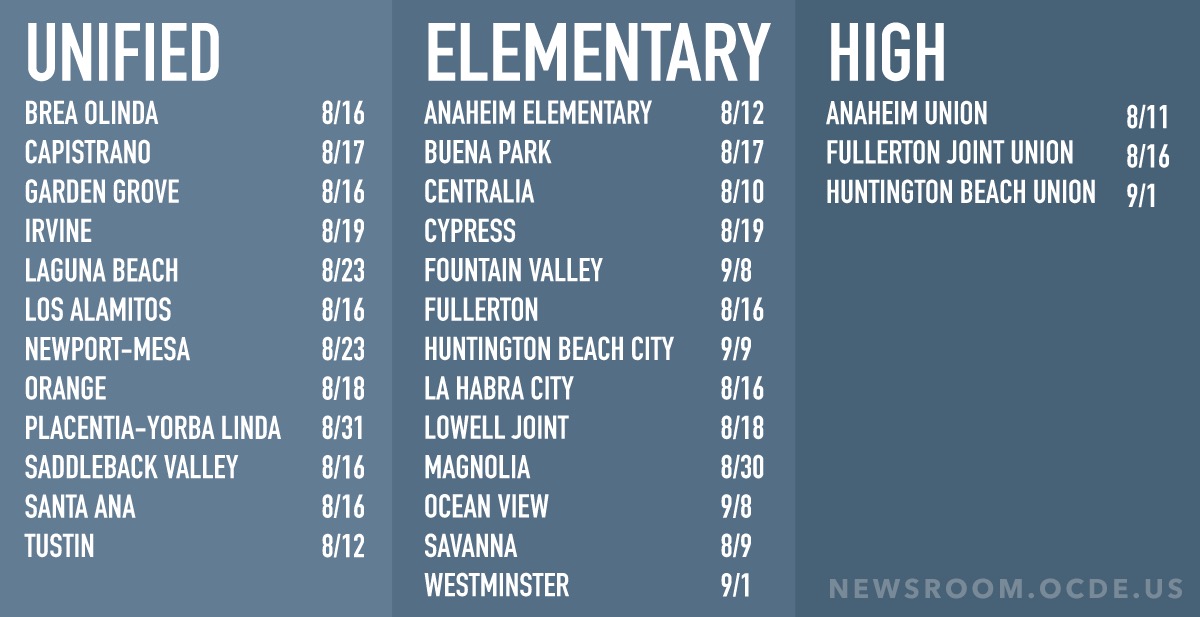
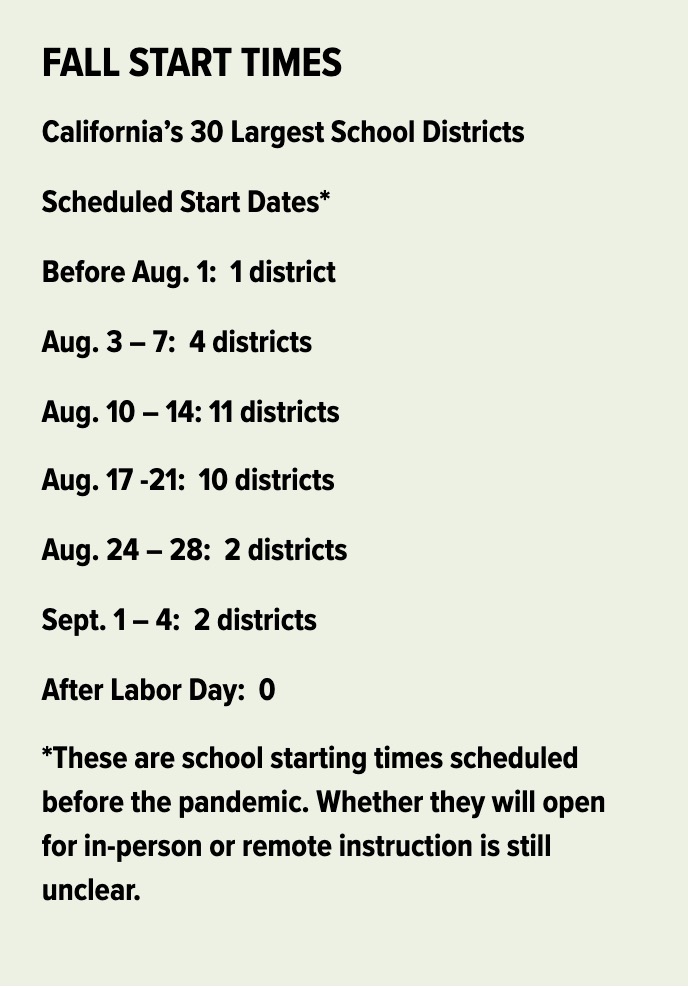
For the majority of public school districts across California, the academic year typically commences in late August or early September, immediately following the Labor Day holiday. This tradition marks the end of the long summer break, which usually begins in late May or early June. During this standard calendar, families generally have several predefined windows for travel:
- Summer Break (June-August): This is the longest and most popular travel window, characterized by warm weather, open attractions, and peak crowds at destinations like Disneyland Park, Universal Studios Hollywood, and coastal areas like Santa Monica Pier. Booking well in advance is essential, and prices for flights, hotels, and experiences tend to be at their highest.
- Winter Break (late December-early January): Coinciding with the holiday season, this break offers opportunities for festive travel. Families often head to snowy destinations like Lake Tahoe or enjoy holiday-themed events in cities such as Los Angeles and San Francisco. While shorter than summer, it’s another peak period for travel, with high demand and prices, especially for specific holiday dates.
- Spring Break (March-April): This shorter break, often a week long, varies widely by district. It’s a popular time for families to escape to warmer climes, explore California’s deserts before the summer heat, or enjoy theme parks with slightly fewer crowds than summer, though still significant. Coastal towns and attractions in San Diego are particularly popular.
Understanding these fixed breaks is critical for families coordinating their travel with school calendars, ensuring children don’t miss valuable class time while still enjoying enriching experiences.
Year-Round Schooling and Intercessions
While the traditional calendar remains prevalent, some school districts, particularly in densely populated areas or those seeking to mitigate learning loss, have adopted year-round schedules. This model typically involves shorter, more frequent breaks, often referred to as “intercessions,” interspersed throughout the year. For families whose children attend year-round schools, this opens up unique travel possibilities:
- Off-Peak Travel Opportunities: Intercession breaks frequently fall outside the traditional peak travel seasons. This can translate into fewer crowds at major attractions, greater availability for accommodations, and potentially more competitive pricing. Families might find themselves enjoying Yosemite National Park or Sequoia National Park with a sense of peace that’s rare during summer.
- Flexibility and Variety: The staggered nature of year-round schedules means families can experience California in different seasons, from the vibrant superblooms in the desert during an early spring intercession to a mild autumn visit to the Pacific Coast Highway. This flexibility allows for tailoring trips to specific interests, avoiding the peak heat of summer, or embracing the quieter beauty of the shoulder seasons.
Families with children on a year-round schedule have a strategic advantage in seeking out more relaxed and potentially more affordable travel experiences, leveraging the times when most other families are occupied with traditional schooling.
Navigating Peak and Off-Peak Seasons for Family Adventures
The rhythm of California family travel is largely dictated by these school calendars. Each season offers a distinct flavor and set of considerations for families planning their getaways. Knowing when schools start and break informs how best to approach popular destinations and activities, whether aiming for high-energy excitement or tranquil exploration.
Summer: The Ultimate Family Getaway Window
When California schools let out for summer, typically in late May or early June, the state transforms into a bustling hub of family activity. This period, extending through August, is synonymous with long days, abundant sunshine, and a myriad of open attractions.
- Pros: All major theme parks are in full swing, national parks offer ideal hiking and camping weather (except for the deserts), and coastal activities like surfing, swimming, and beach bumming are at their peak. It’s the quintessential time for road trips, like exploring the historic Route 66 segments or the stunning Pacific Coast Highway.
- Cons: Expect significant crowds at virtually every popular destination, from the gates of LEGOLAND California to the trails of Yosemite National Park. Accommodation prices soar, and securing reservations for popular restaurants, tours, or even campsites requires booking many months in advance. Patience is a virtue when waiting in lines.
For families prioritizing warm weather and full access to seasonal attractions, summer is unbeatable, but it demands careful planning and a willingness to navigate crowds and higher costs.
Winter Break: Festive Fun and Snow Escapes
As schools in California close for their winter recess, usually from mid-December to early January, families seek out festive celebrations or snowy retreats.
- Pros: Cities like San Francisco and Los Angeles sparkle with holiday lights and offer special events, parades, and ice-skating rinks. For those seeking a winter wonderland, the Sierra Nevada mountains, particularly around Lake Tahoe, provide excellent skiing, snowboarding, and other snow activities. This can be a magical time for families to bond over unique seasonal experiences.
- Cons: Travel during the holidays is notoriously expensive and crowded, especially for flights and hotels in major cities or popular ski resorts. Weather can be unpredictable, with potential for road closures in mountain areas. Attractions like Disneyland Park often reach capacity during this time.
Families planning winter break travel should book far ahead, be prepared for peak prices, and have flexible itineraries in case of weather-related disruptions.
Spring Break: Coastal Bliss and Desert Blooms
Typically a week-long break in March or April, California’s spring break is a popular time for families to shake off winter and embrace milder temperatures.
- Pros: The weather is often pleasant across much of the state, making it ideal for visiting coastal towns in San Diego, exploring the natural beauty of national and state parks before summer heat sets in, and witnessing the spectacular desert blooms in areas like Death Valley National Park or the Carrizo Plain National Monument if conditions are right. Theme parks are busy but often less intensely crowded than during the height of summer.
- Cons: Like other breaks, spring break sees an increase in travel demand, leading to higher prices and more crowds, particularly at popular beaches and theme parks. Specific dates vary widely by school district, meaning there isn’t one universal “spring break week” across the state, which can lead to staggered but still busy periods.
Spring offers a refreshing alternative to summer, with moderate temperatures and stunning natural beauty, though vigilance in booking is still required.
Maximizing Off-Season Travel Opportunities
For families with flexibility, either due to year-round schooling or a willingness to take children out of school for short, educational trips (with prior approval), traveling during off-peak times in California can unlock unparalleled benefits. These periods typically include September to early December (excluding Thanksgiving week) and January to early March (excluding President’s Day weekend and Spring Break).
Fewer Crowds, More Serenity
One of the most significant advantages of off-season travel is the dramatic reduction in crowds. Imagine walking across the Golden Gate Bridge without jostling for space, or experiencing the magic of Disneyland Park with significantly shorter wait times.
- Enhanced Experiences: Fewer people mean more intimate and authentic interactions with destinations. You can linger longer at exhibits, enjoy meals without a rush, and capture photographs free of photobombers.
- Stress Reduction: Navigating crowded spaces with children can be exhausting. Off-season travel mitigates much of this stress, allowing families to relax and genuinely enjoy their vacation pace.
The quietude of the shoulder seasons can transform a busy attraction into a more personal and enjoyable family experience.
Budget-Friendly Benefits
Beyond the serenity, off-season travel offers substantial financial advantages, making California more accessible for families on a budget.
- Lower Accommodation Costs: Hotels, resorts, and vacation rentals often drop their rates significantly during less popular months. This can mean staying in a nicer property for the same budget, or simply saving money on lodging.
- Cheaper Flights: Airfares tend to be lower outside of peak travel windows, especially if you can book a few months in advance.
- Reduced Activity Prices: While major theme parks rarely lower their ticket prices, you might find better deals on tours, rental cars, or even package deals when demand is softer.
These savings can be reinvested into more experiences, longer stays, or simply provide a welcome relief to the family budget.
Unique Seasonal Experiences
Off-season travel also presents opportunities to witness California in a different light, offering unique seasonal activities that are unavailable during peak times.
- Fall Foliage: Inland regions like the Eastern Sierra or parts of the San Joaquin Valley burst into vibrant fall colors, providing stunning backdrops for family hikes and drives.
- Whale Watching: The migration season for grey whales along the California coast runs from December to May, making winter and spring excellent times for a family whale-watching excursion.
- Winter Sports: Early winter (before the main holiday rush) can offer pristine conditions at ski resorts with fewer people on the slopes.
- Mild Desert Exploration: Visiting Death Valley National Park or Joshua Tree National Park is far more comfortable in late fall or early spring than in the scorching summer.
These specialized experiences add depth and variety to family travel, showcasing California’s year-round appeal.
Strategic Planning for California Family Trips
Regardless of when California schools start or break, successful family travel hinges on thoughtful and strategic planning. By understanding the academic calendar and its implications, families can make informed decisions that lead to fulfilling and stress-free vacations.
Booking in Advance
This cannot be overstressed, especially for travel during any school break. For summer, winter, and spring breaks, popular accommodations, flights, and attraction tickets can sell out months ahead of time. Even during shoulder seasons, booking a few weeks or months out can secure better rates and ensure availability, particularly for unique stays or in sought-after destinations. Use online tools and alerts to track prices and secure deals.
Flexibility is Key
While planning is essential, maintaining a degree of flexibility can be a lifesaver. This is especially true when traveling with children, where unexpected delays or changes of plans are common. For off-season travel, flexibility can mean seizing last-minute deals or adjusting itineraries to take advantage of favorable weather or unique local events. For mountain regions, having alternative activities planned in case of heavy snow or road closures is prudent.
Leveraging Shorter Breaks
Don’t underestimate the power of a long weekend or a short intersession. While not enough for a cross-state adventure, these shorter breaks are perfect for exploring local gems, visiting a regional park, or enjoying a specific city’s attractions like the San Diego Zoo or Sacramento’s historic old town. These micro-adventures can be incredibly refreshing and provide a taste of travel without the commitment of a major vacation. They also teach children the joy of discovery closer to home.
Ultimately, the question of “When schools start in California?” acts as a compass for family travelers. By aligning travel plans with the academic rhythm, families can not only avoid scheduling conflicts but also strategically position themselves for the most enjoyable, enriching, and often most cost-effective experiences the diverse state has to offer. Whether it’s braving the summer crowds for classic theme park thrills or seeking serene beauty in the quieter months, understanding the calendar is the golden key to California family adventures.
LifeOutOfTheBox is a participant in the Amazon Services LLC Associates Program, an affiliate advertising program designed to provide a means for sites to earn advertising fees by advertising and linking to Amazon.com. Amazon, the Amazon logo, AmazonSupply, and the AmazonSupply logo are trademarks of Amazon.com, Inc. or its affiliates. As an Amazon Associate we earn affiliate commissions from qualifying purchases.