
The biannual shift in daylight saving time (DST) in California is a familiar, if sometimes disorienting, rhythm for residents and a significant consideration for travelers planning their itineraries. This phenomenon, where clocks are set forward in spring and back in fall, is rooted in a complex history and continues to spark debate. Understanding precisely when this transition occurs is crucial for everything from booking flights and accommodations to scheduling activities and simply adjusting to the local rhythm of the Golden State.
The Mechanics of Daylight Saving Time in California
Daylight Saving Time in California, as in most of the United States, adheres to a federally mandated schedule. The Energy Policy Act of 1966 established the current framework, though states can opt out of DST. California has chosen to observe it, aligning with the national pattern.
Spring Forward: The Beginning of DST
The transition known as “spring forward” occurs on the second Sunday in March. At precisely 2:00 AM local time, clocks are advanced by one hour, making it 3:00 AM. This means that Sunday morning essentially loses an hour. For travelers, this translates to an earlier sunrise and a later sunset, extending daylight into the evening hours, which is often a welcome change, particularly for those eager to explore California’s diverse attractions after typical working or sightseeing hours.
- Impact on Travel: Flights scheduled to depart or arrive on this Sunday will effectively be one hour “earlier” by the clock. It’s imperative to double-check flight details, especially for early morning departures from California or arrivals into the state. Rental car return times and hotel check-in/check-out procedures also need to be noted to avoid any misunderstandings or unexpected charges.
- Adjusting to the Change: While the loss of an hour might seem minor, it can disrupt sleep patterns and internal body clocks, a phenomenon known as “social jetlag.” For visitors, this is particularly relevant. Arriving in California right as DST begins can mean an immediate adjustment is needed. It’s advisable to try and acclimate as quickly as possible, perhaps by getting some natural sunlight exposure upon arrival, to help reset your circadian rhythm.
Fall Back: The End of DST
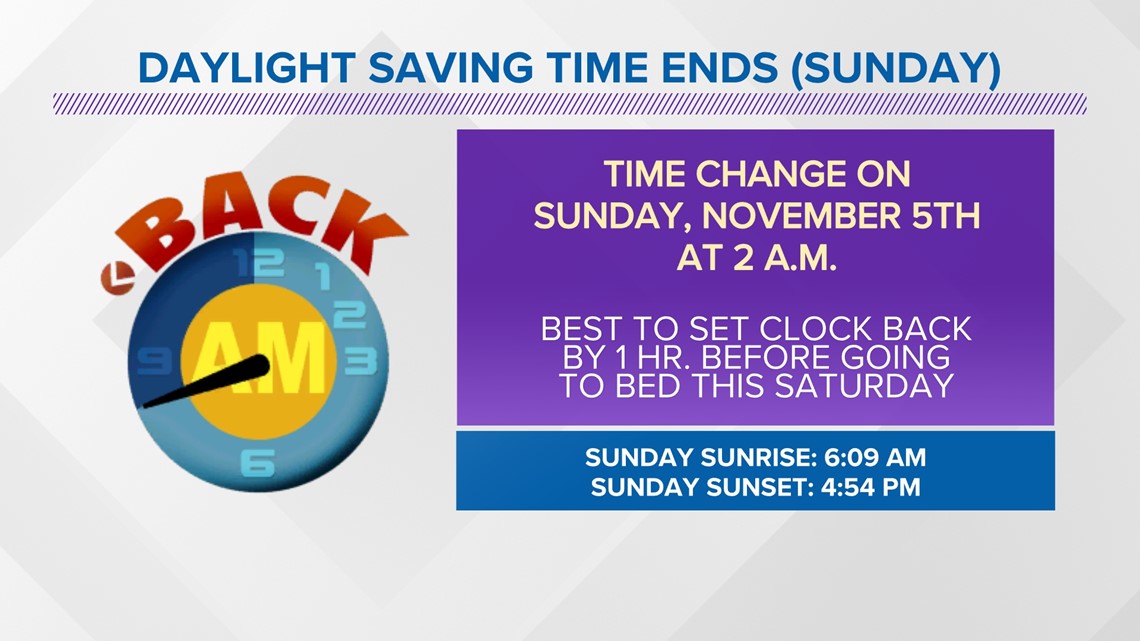
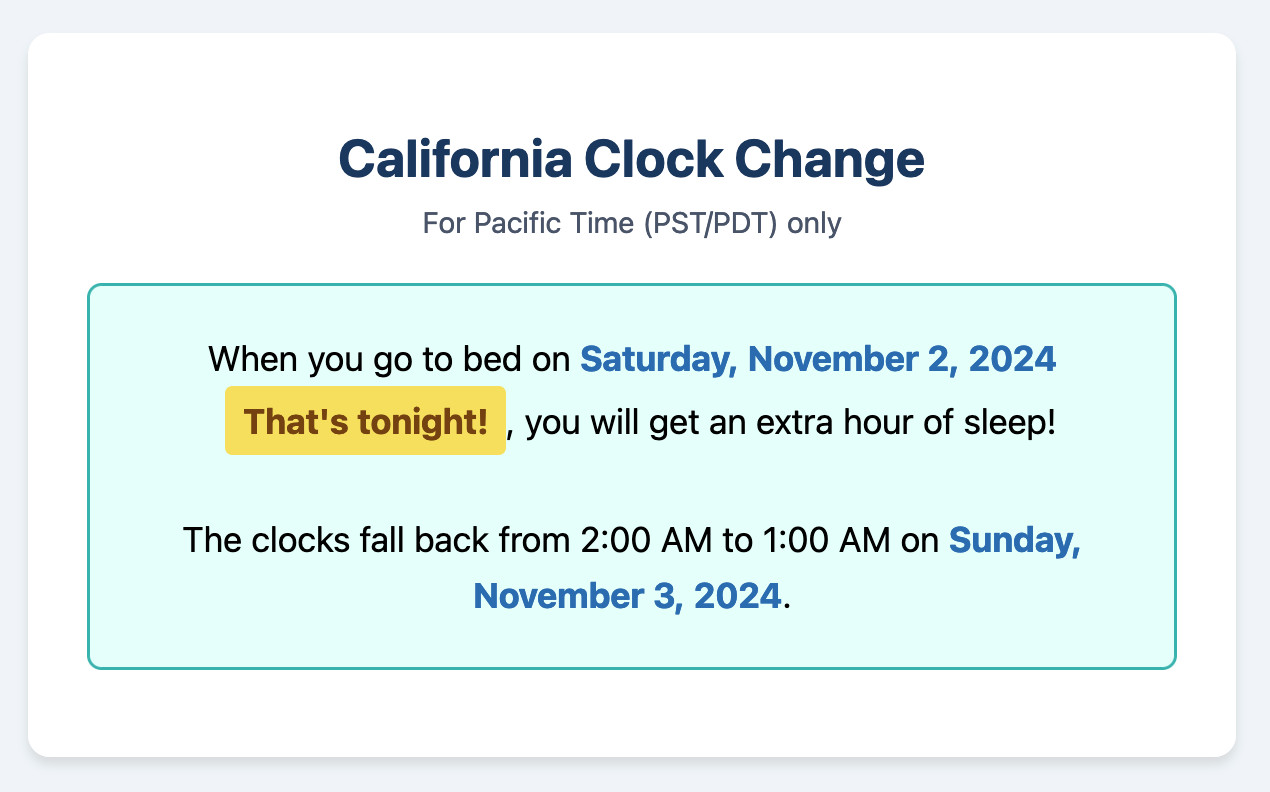
The “fall back” occurs on the first Sunday in November. At 2:00 AM local time, clocks are turned back by one hour, reverting to 1:00 AM. This effectively grants an extra hour to that Sunday morning. The days begin to feel shorter as the sun sets earlier.
- Impact on Travel: Similar to the spring transition, flights and travel arrangements need careful review. A flight that might have been scheduled for a late-night arrival on Saturday could, due to the time change, arrive very early on Sunday morning according to the clock. This can be a welcome bonus for those wanting to maximize their first day in California, allowing for an earlier start to sightseeing or business meetings.
- Re-adjustment: The extra hour gained can help ease the transition back to standard time. Many find this change less disruptive than “spring forward.” However, it still represents a shift in natural light patterns, which can influence mood and energy levels. Travelers should be mindful of this when planning outdoor activities or scheduling events.
Historical Context and the Debate Around DST in California
The concept of Daylight Saving Time wasn’t invented in California, but its adoption and ongoing presence are part of a broader national and historical conversation. The idea of adjusting clocks to better utilize natural daylight dates back to the late 19th century, with proponents arguing for energy savings and increased opportunities for outdoor activity. In the United States, DST was first implemented nationally during World War I as a measure to conserve fuel. It was repealed and reinstated several times before the 1966 Uniform Time Act established a more consistent, though not universally applied, system.
Arguments for and Against DST
The reasons for observing DST are often debated.
- Proponents often cite energy savings, though studies on this have yielded mixed results. They also point to increased opportunities for outdoor recreation in the evenings, potentially boosting commerce for businesses that cater to after-work activities, such as restaurants, parks, and sports venues across California.
- Opponents highlight the disruption to sleep patterns and potential health impacts, including increased risk of heart attacks and strokes in the days following the spring forward. They also question the actual energy savings, arguing that increased use of air conditioning in longer, hotter afternoons can offset any savings on lighting. Furthermore, the logistical complexities and confusion it can cause for businesses and individuals are frequently cited.
California’s Stance and Potential Changes
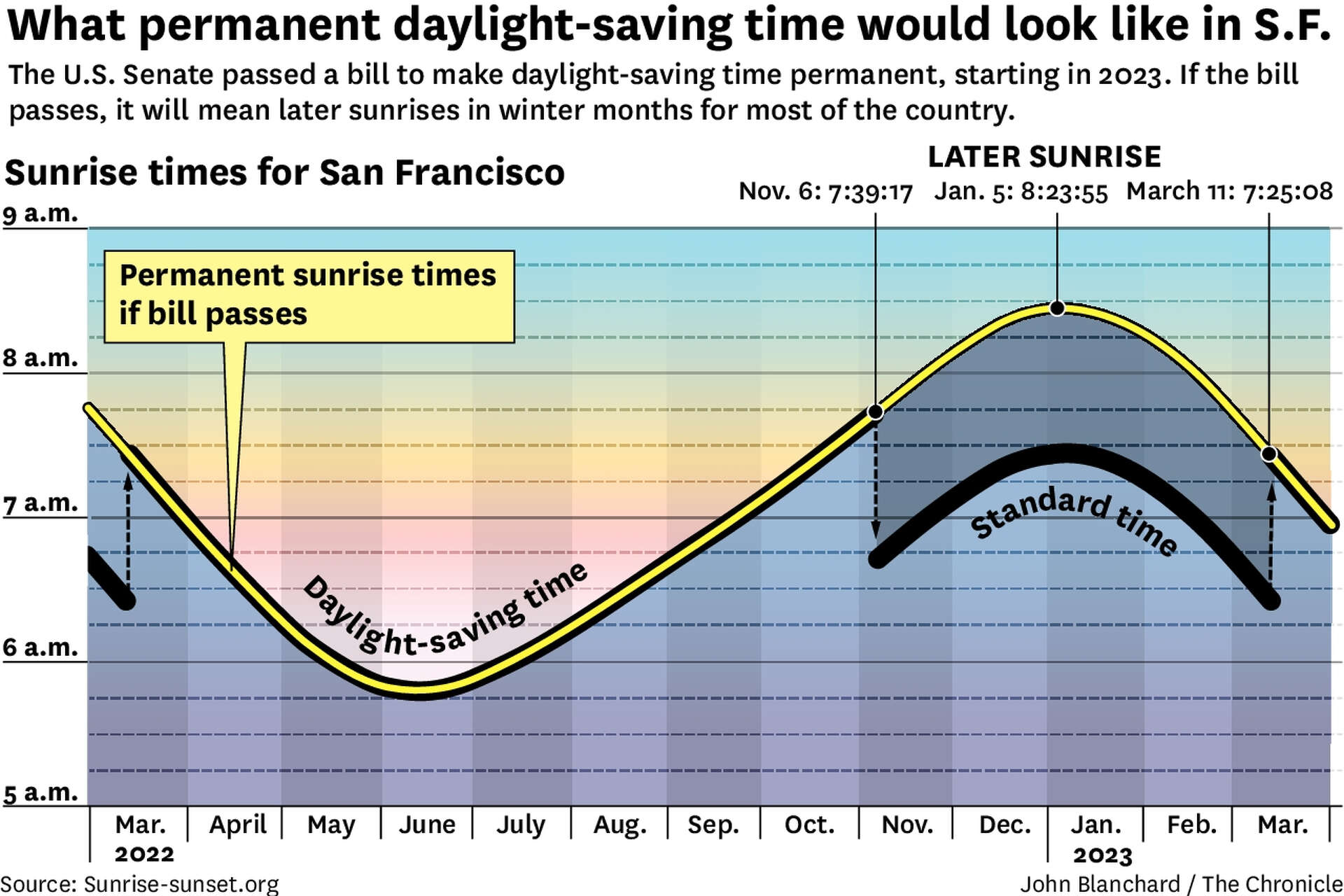
California has engaged in its own discussions about DST. In 2018, California voters approved Proposition 7, which allows the state legislature to change the observance of DST, including the possibility of making it permanent year-round. However, making DST permanent nationwide requires an act of Congress, as the Uniform Time Act would need to be amended. Without federal approval, California cannot unilaterally adopt permanent DST or permanent standard time. This means the familiar “spring forward” and “fall back” cycles are likely to continue in the foreseeable future, necessitating careful planning for those visiting or residing in the state.
Navigating Travel and Activities with DST in Mind
For travelers, understanding when the time change occurs in California is more than just a minor detail; it can significantly impact the flow of a trip.
Planning Your Itinerary
When planning a visit to California, especially around the periods when DST transitions, consider the following:
- Arrival and Departure: As mentioned, always confirm flight times. Be aware that if you are traveling from a state that does not observe DST, or from a country with a different DST schedule, you will need to account for the change upon arrival in California.
- Daylight Hours for Sightseeing: During DST, the extended daylight in the evenings can be a boon for exploring attractions like Disneyland, Universal Studios Hollywood, or simply enjoying a sunset walk along the beaches of Santa Monica or San Diego. Conversely, during standard time (after the fall back), daylight hours are more limited, so scheduling outdoor activities earlier in the day is advisable.
- Booking Accommodations: While hotels operate on local time, understanding DST can help in coordinating arrival and departure. For example, if you are arriving on a DST changeover day, you might be able to check in slightly earlier than expected if the clocks go back.
- Scheduling Events: Whether it’s a business meeting in Los Angeles, a wedding in San Francisco, or a tasting tour in the Napa Valley, ensure all participants are aware of the time change and confirm scheduled times based on the current DST status.
Tips for a Smooth Transition
To minimize the impact of the time shift, consider these tips:
- Stay Hydrated: Dehydration can exacerbate the effects of sleep disruption.
- Expose Yourself to Natural Light: Upon arrival, especially after a “spring forward,” try to get exposure to daylight during the day and avoid bright lights in the evening to help your body adjust.
- Adjust Gradually: If possible, begin shifting your sleep schedule by 15-30 minutes a few days before the time change.
- Be Patient with Yourself: It can take a few days to fully adjust. Don’t schedule overly demanding activities immediately after the time change.
The Practical Implications for Travelers
The time change in California is a recurring event that, while seemingly minor, can have practical implications for travelers. From the moment you book your trip to the daily activities you undertake, awareness of the clock’s adjustment is key to a seamless and enjoyable experience.
Understanding Time Zones Within California
It’s also worth noting that while California itself is on a single time zone (Pacific Time), the state’s vast geography means that local conditions can significantly impact the perceived effect of DST. For instance, the eastern border areas of California might be geographically closer to Arizona, which largely does not observe DST (except for the Navajo Nation). This can lead to interesting juxtapositions and requires attention to detail for those traveling across state lines or to areas near time zone borders.
Embracing the Extended Daylight (During DST)
When California is observing DST, travelers have an extended period of daylight to explore its many wonders. This is the perfect time to:
- Enjoy Coastal Drives: A drive along the Pacific Coast Highway offers breathtaking views that can be savored longer into the evening. Imagine watching the sunset over the ocean in Big Sur or enjoying dinner with a view in Carmel-by-the-Sea.
- Explore National Parks: Parks like Yosemite National Park or Joshua Tree National Park can be enjoyed for longer, allowing for extended hikes or stargazing opportunities as dusk settles.
- Experience City Life After Hours: In cities like San Francisco, Los Angeles, and San Diego, the extra daylight means more time for rooftop bars, outdoor dining, and evening strolls through vibrant neighborhoods.
Adapting to Shorter Days (During Standard Time)
When the clocks fall back, daylight hours shorten. This doesn’t diminish California’s appeal; it simply shifts the focus.
- Embrace Indoor Attractions: Museums in Los Angeles like the Getty Center, or the many cultural institutions in San Francisco, become even more attractive as the daylight fades.
- Cozy Culinary Experiences: Enjoy California’s renowned culinary scene with earlier dinners and a focus on intimate dining experiences in its many celebrated restaurants.
- Early Morning Adventures: For early risers, the dawn can be a magical time to witness the state waking up, perhaps catching the sunrise over the Sierra Nevada mountains or enjoying a quiet morning in a vineyard.
By staying informed about when the time change occurs in California, travelers can better plan their trips, minimize potential disruptions, and fully embrace the unique rhythm of the Golden State, regardless of whether it’s basking in the extended daylight of DST or enjoying the cozy embrace of standard time.
LifeOutOfTheBox is a participant in the Amazon Services LLC Associates Program, an affiliate advertising program designed to provide a means for sites to earn advertising fees by advertising and linking to Amazon.com. Amazon, the Amazon logo, AmazonSupply, and the AmazonSupply logo are trademarks of Amazon.com, Inc. or its affiliates. As an Amazon Associate we earn affiliate commissions from qualifying purchases.