
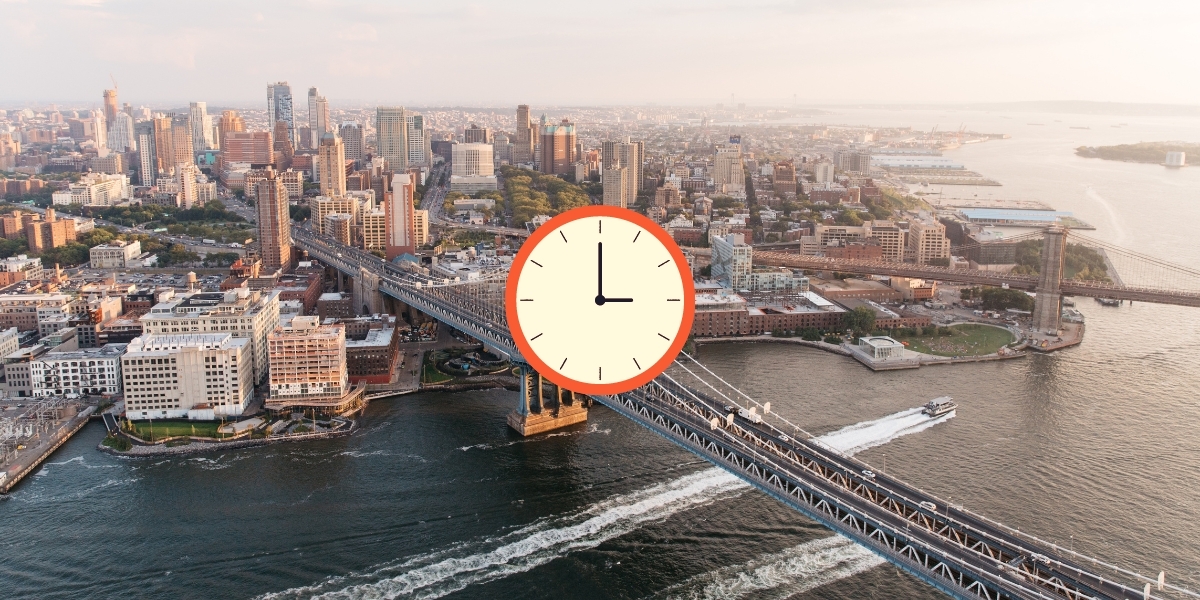
Understanding the mechanics of time in New York is essential for anyone planning a trip to the bustling metropolis. Whether you are arriving for a business conference at the Javits Center or looking to catch a sunrise from the Empire State Building, knowing how the clocks shift can prevent missed appointments and logistical headaches. New York operates on Eastern Standard Time (EST) during the winter months and transitions to Eastern Daylight Time (EDT) during the warmer seasons, a biannual ritual that influences everything from the timing of Broadway curtains to the operational hours of iconic sites like Central Park.
The Rhythm of Daylight Savings Time
The United States mandates the observation of Daylight Saving Time (DST) across most of its states, and New York City is no exception. This practice is designed to provide more daylight in the evenings during the spring and summer months, aligning the clock more closely with the typical active hours of city residents and visitors alike.
Spring Forward: The Start of Longer Evenings
Each year, on the second Sunday in March, New York “springs forward.” At 2:00 a.m., clocks are set forward one hour. For the traveler, this means that if you are staying in a hotel near Times Square, your night of sleep will be one hour shorter. However, the trade-off is a distinct shift in the atmosphere of the city. As the days lengthen, the golden hour stretches well into the evening, making a sunset stroll along the High Line or across the Brooklyn Bridge an even more enchanting experience. The transition signals the unofficial beginning of the tourist season, as restaurants begin to open their outdoor patios and the city’s energy noticeably intensifies.
Fall Back: Returning to Standard Time
On the first Sunday in November, New York “falls back,” returning to Eastern Standard Time. At 2:00 a.m., clocks are moved backward by one hour. This transition is often welcomed by night owls and those looking for an extra hour of rest before visiting The Metropolitan Museum of Art. As the city enters the colder months, the earlier sunset creates a cozy, dramatic backdrop for the city’s world-renowned skyline. The shorter days are the harbinger of the holiday season, perfectly timing the lighting displays at Rockefeller Center and the festive window shopping along Fifth Avenue.
Planning Your Travel Around Time Shifts

Navigating time changes requires a proactive approach to your travel itinerary. Because the shift occurs in the middle of the night on a weekend, most travelers are already in their accommodations when the clock adjusts. However, the ripple effects can impact your plans throughout the following week.
Managing Jet Lag and Schedule Adjustments
If you are traveling internationally, particularly from time zones with significant differences, the start or end of Daylight Saving Time can either exacerbate or alleviate the effects of jet lag. If you are arriving in New York from Europe or Asia during the “spring forward” weekend, your body may feel the impact of the lost hour more acutely. To combat this, aim to arrive a day early if possible, or adjust your internal clock by going to bed an hour earlier for two days prior to your departure. Staying hydrated and spending time in the bright, natural light of Battery Park during the day can help your body recalibrate to local time more quickly.
Logistics for Tours and Transportation
When booking experiences, it is important to remember that most booking systems will automatically reflect the correct local time in New York. If you have booked a morning tour of the Statue of Liberty, the time listed on your ticket will always be the local time on the day of your visit. It is rarely necessary to manually adjust your schedule; however, if you have recurring meetings or calls, ensure that your calendar application is updated to reflect the United States time zone rules. Public transportation, such as the MTA, typically adjusts its schedules seamlessly, but it is always wise to double-check the NJ Transit or LIRR apps if you are traveling outside the five boroughs on the Sunday when the clocks change.
The Cultural Impact of Daylight Hours
The shift in time in New York is more than a technicality; it is a cultural marker that shifts the pace of the city. New Yorkers live by the rhythm of the sun, and the seasonal changes dictate the flow of commerce, leisure, and social activity.
Seasonal Vibe Shifts
In the spring, as the clocks jump forward, the city undergoes a palpable transformation. The sidewalks of SoHo become crowded with residents shedding their winter coats and enjoying the extended daylight. Cafes in Greenwich Village extend their service hours, and the city’s parks, such as Bryant Park, become gathering spots for sunset film screenings and yoga sessions. The extra hour of light in the evening is treated as a gift, allowing for more time to explore hidden gems in Chinatown or take a late-afternoon ferry to Staten Island.
Winter Twilight and City Lights
Conversely, when the city falls back in November, the earlier sunset emphasizes the architectural beauty of the city. The lights of One World Observatory and the glowing marquees of Times Square seem brighter against the early evening sky. While the daylight hours are reduced, the “night life” that New York is famous for begins earlier, creating a unique atmosphere of warmth and intimacy. Dining in Little Italy or visiting a jazz club in Harlem feels more atmospheric when the transition from day to night happens before the work day is even finished.

Tips for the Discerning Traveler
To make the most of your visit, consider how the sunlight will affect your photography and sightseeing. If you are a photography enthusiast hoping to capture the perfect golden hour shot of the Brooklyn Bridge, check the sunset times for your specific travel dates. Early spring and late fall offer the most dramatic changes. If you are visiting in the summer, utilize the long, bright evenings to explore outdoor attractions like the Museum of Modern Art sculpture garden before it closes. Regardless of when you visit, the clock change is just another rhythm of the city, one that ensures that every trip to the Big Apple is distinct, dynamic, and perfectly synced with the ebb and flow of this incredible global destination. As you plan your itinerary, keep these dates in mind, prepare for the subtle shift in the city’s pulse, and embrace the unique character that each season brings to the streets of Manhattan.
LifeOutOfTheBox is a participant in the Amazon Services LLC Associates Program, an affiliate advertising program designed to provide a means for sites to earn advertising fees by advertising and linking to Amazon.com. Amazon, the Amazon logo, AmazonSupply, and the AmazonSupply logo are trademarks of Amazon.com, Inc. or its affiliates. As an Amazon Associate we earn affiliate commissions from qualifying purchases.