
Maintaining a lush, green lawn in Florida can feel like a year-round commitment, a testament to the state’s unique climate and diverse ecosystems. Unlike regions with distinct four seasons, the Sunshine State’s warm temperatures and abundant rainfall present both opportunities and challenges for turfgrass health. Understanding the optimal timing for fertilization is paramount to nurturing a resilient lawn that can withstand intense heat, humidity, and occasional dry spells, all while minimizing environmental impact. This comprehensive guide will equip Florida homeowners with the knowledge to fertilize their lawns effectively, promoting robust growth, vibrant color, and strong root systems throughout the year.
The key to successful lawn fertilization in Florida lies not just in what fertilizer to use, but when and how to apply it. Missteps can lead to nutrient runoff, weak turf, and an increased susceptibility to pests and diseases. By aligning your fertilization schedule with the natural growth cycles of warm-season grasses and the specific environmental conditions of your region within Florida, you can cultivate a lawn that is not only aesthetically pleasing but also contributes positively to your property’s overall ecosystem.
Understanding Florida’s Unique Climate and Soil
Florida’s subtropical to tropical climate is the primary driver behind its distinctive lawn care needs. The state experiences long, hot, and humid summers, often accompanied by daily thunderstorms, followed by mild, relatively dry winters. This environment significantly impacts how and when turfgrasses thrive.
The Sunshine State’s Distinct Growing Seasons
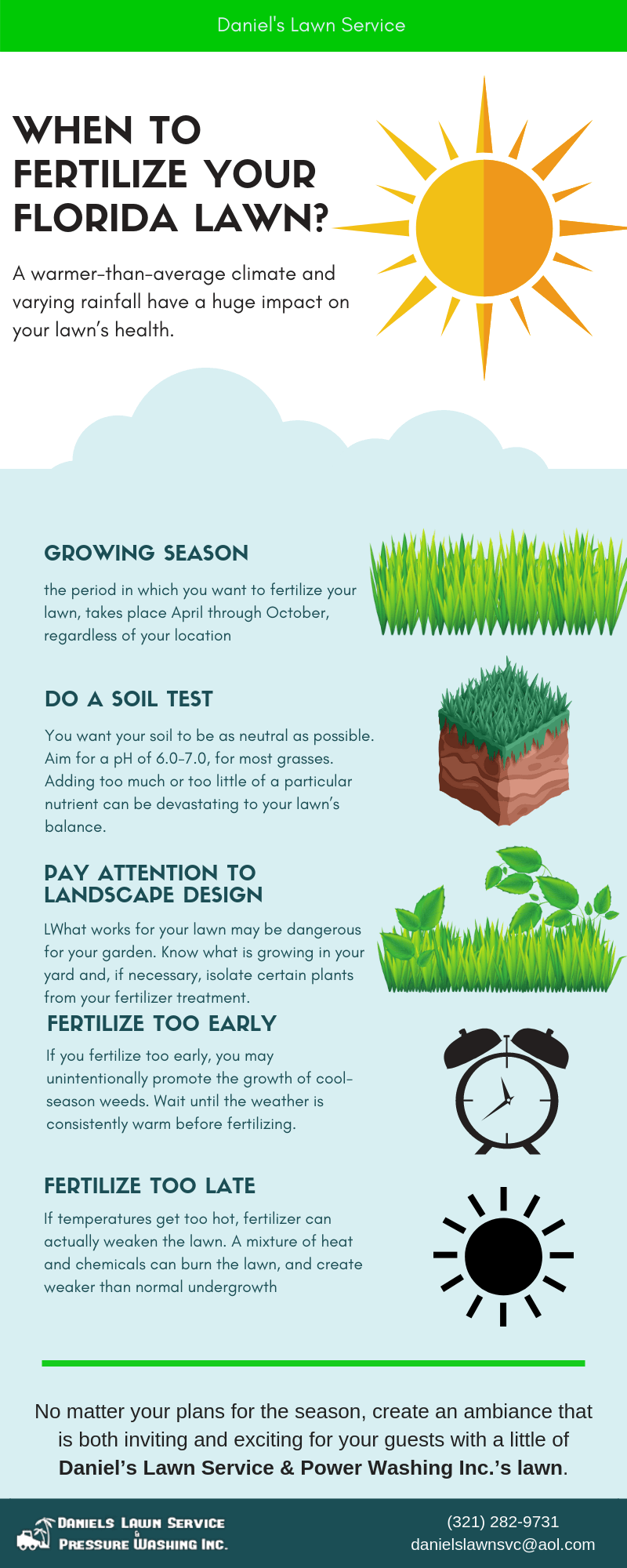
While many parts of the U.S. define growing seasons by spring, summer, and fall, Florida operates on a more nuanced calendar for warm-season grasses like St. Augustine, Bermuda, Zoysia, and Centipede. The active growing season typically begins in early spring (late February to March) as soil temperatures consistently rise above 65°F (18°C) and extends well into late fall (October to November). During this period, grasses actively absorb nutrients, grow new shoots, and spread.
The cooler winter months, particularly in North Florida and Central Florida, often lead to a period of semi-dormancy or slowed growth. Grasses may lose some of their vibrant green color, but their roots remain active, maintaining turf health beneath the surface. South Florida experiences a less pronounced dormancy, with warm-season grasses often remaining green year-round, albeit with slower growth. Understanding these regional variations is crucial for tailoring your fertilization strategy.
Soil Characteristics Across Florida’s Regions
Florida’s soil is predominantly sandy, a characteristic that presents both benefits and drawbacks for lawn care. Sandy soils drain quickly, which helps prevent waterlogging but also means nutrients can leach out rapidly, requiring more frequent, lighter applications of fertilizer. The pH levels of Florida soils can vary, but many areas tend to have slightly acidic to neutral pH, which is generally favorable for common turfgrasses. However, some coastal areas may have alkaline soils due to shell content.
Before any fertilization program begins, a soil test is highly recommended. This analysis will reveal the existing nutrient levels (nitrogen, phosphorus, potassium, and micronutrients) and the pH of your soil, providing a scientific basis for choosing the right fertilizer and application rates. Without a soil test, you might be over-fertilizing certain nutrients or under-applying others, leading to imbalances that can harm your lawn and the environment.
The Best Times to Fertilize Warm-Season Grasses in Florida
Optimal fertilization timing is critical for warm-season grasses. The goal is to provide nutrients when the grass is actively growing and can best utilize them, avoiding periods of dormancy or stress.
Spring Fertilization: Awakening Your Lawn
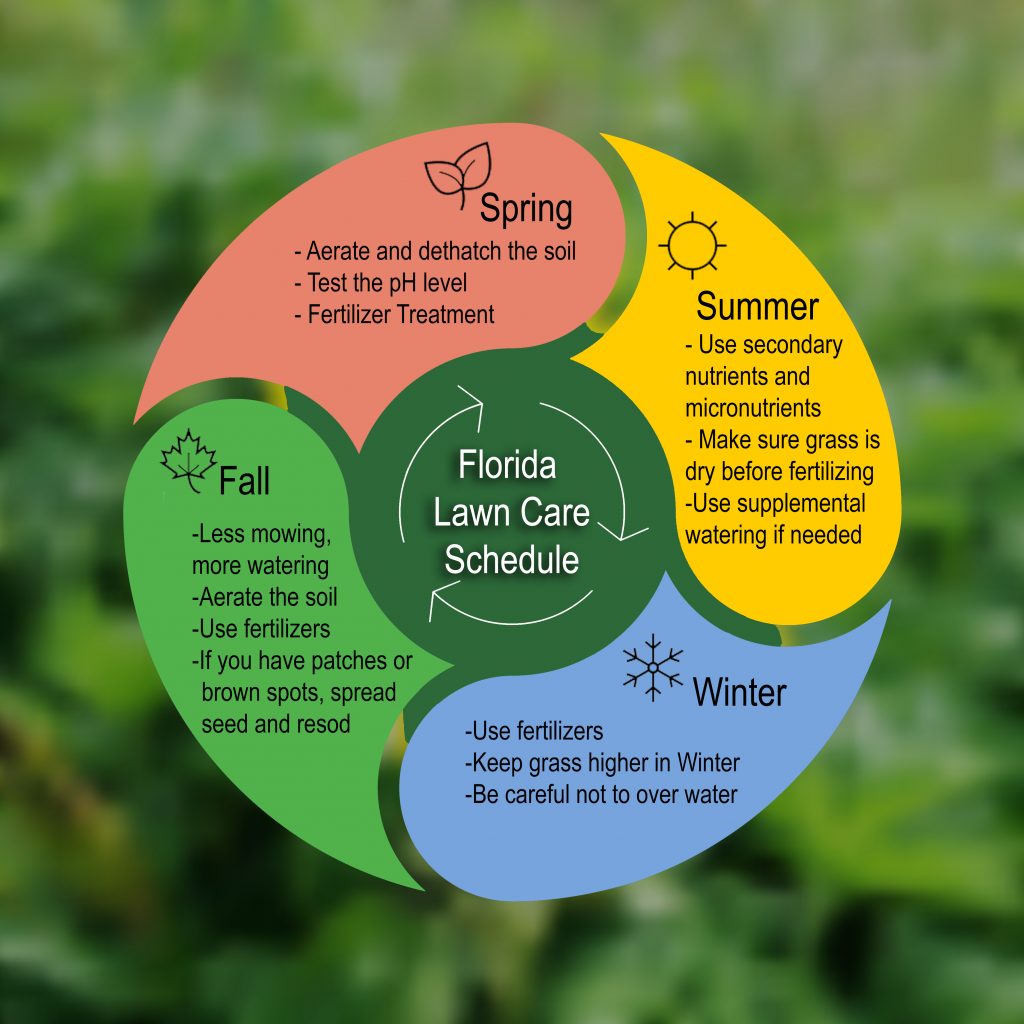
The first fertilization of the year is typically in early spring, once the threat of a late-season frost has passed and consistent warm weather has returned. This is usually from late February to April, depending on your location within Florida. For example, residents in Miami might fertilize earlier than those in Jacksonville.
- Purpose: To provide a boost of nutrients as the grass emerges from dormancy (or slowed growth) and begins its active growth cycle. This encourages root development, new shoot growth, and helps the lawn recover from any winter stress.
- Fertilizer Type: A complete fertilizer with a balanced NPK ratio (Nitrogen-Phosphorus-Potassium), or one slightly higher in Nitrogen, is often recommended. Look for slow-release nitrogen sources to provide a steady supply of nutrients over time. A pre-emergent herbicide can also be applied at this time to control summer weeds, but ensure it’s compatible with your turf type and fertilizer.
Summer Fertilization: Sustaining Growth and Vigor
Throughout the intense Florida summer, your lawn will continue its vigorous growth, requiring additional feeding. Summer applications are generally recommended between May and August. It’s crucial to space out applications (typically every 6-8 weeks, depending on the fertilizer type and your lawn’s needs) and adjust based on rainfall and temperatures.
- Purpose: To sustain the rapid growth spurred by high temperatures and abundant rainfall, maintain color, and enhance turf density. This helps the lawn withstand heavy foot traffic, disease pressure, and heat stress.
- Fertilizer Type: A fertilizer with a slightly higher nitrogen content is often suitable, especially for St. Augustine grass. However, phosphorus (P) should be kept low to zero in most Florida landscapes unless a soil test indicates a deficiency, due to environmental concerns over phosphorus runoff. Many Florida counties have restrictions on phosphorus application. Slow-release nitrogen is still preferred to prevent growth surges and nutrient leaching. Micronutrients, such as iron, can be beneficial during summer to maintain green color without overstimulating growth.
Fall Fertilization: Preparing for Cooler Months
A final fertilization in early to mid-fall (September to November) is crucial for strengthening your lawn before the cooler temperatures arrive. This is particularly important for areas like Orlando and Tampa where winters bring more noticeable dormancy.
- Purpose: To promote root growth and carbohydrate storage, which helps the grass endure winter stress and allows for a quicker green-up in the spring. It also helps the lawn recover from summer stresses.
- Fertilizer Type: A fertilizer with a lower nitrogen content and a relatively higher potassium (K) content is often recommended. Potassium aids in stress tolerance and disease resistance. Avoid high nitrogen fertilizers in late fall, as they can encourage tender new growth that is vulnerable to cold damage.
Winter Considerations: A Time for Rest
For most of Florida, particularly north of Miami, avoid fertilizing during the winter months (December to February).
- Purpose: Warm-season grasses are either dormant or growing very slowly during winter. Applying fertilizer at this time is largely ineffective, as the grass cannot properly absorb the nutrients. It can lead to nutrient runoff into waterways, encourage weed growth, and potentially burn dormant turf.
- Exception: In extreme South Florida where warm-season grasses remain actively growing, a very light, low-nitrogen application might be considered if the lawn shows signs of nutrient deficiency, but this should be done cautiously and based on observation or soil test results. For most of the state, winter is a time for the lawn to rest.
Choosing the Right Fertilizer for Your Florida Lawn

Selecting the correct fertilizer is as important as timing. Fertilizers are formulated with different nutrient ratios and release mechanisms to meet specific needs.
NPK Ratios: Tailoring Nutrients to Your Lawn’s Needs
Fertilizer bags display three numbers, representing the percentage by weight of Nitrogen (N), Phosphorus (P), and Potassium (K) – the macronutrients essential for plant growth.
- Nitrogen (N): Promotes leaf and stem growth, responsible for green color.
- Phosphorus (P): Essential for root development, flowering, and fruiting. Due to Florida’s sandy soils and environmental concerns, often limited in lawn fertilizers.
- Potassium (K): Enhances overall plant health, stress tolerance (heat, drought, disease), and winter hardiness.
A soil test is the most accurate way to determine your lawn’s specific NPK requirements. In general, for established Florida lawns, a balanced formula or one slightly higher in nitrogen during the active growing season, and higher in potassium in the fall, is common. Always adhere to local fertilizer ordinances, especially regarding phosphorus and nitrogen application rates.
Slow-Release vs. Quick-Release Fertilizers
- Slow-Release Fertilizers: These provide nutrients gradually over an extended period (weeks to months). They are generally preferred in Florida as they reduce the risk of nutrient leaching, minimize surges in growth (which can lead to more frequent mowing and thatch buildup), and lessen the chance of fertilizer burn.
- Quick-Release Fertilizers: Deliver nutrients rapidly, providing an immediate green-up. While useful for quick corrective actions, they are more prone to leaching and can cause rapid, unsustainable growth. If used, they should be applied cautiously and at lower rates.
Many high-quality Florida lawn fertilizers incorporate a combination of both quick and slow-release nitrogen to offer both immediate and sustained benefits.
Organic and Inorganic Options
- Inorganic (Synthetic) Fertilizers: These are chemically manufactured, offer precise nutrient ratios, and are readily available. They tend to be faster acting but require careful application to avoid over-fertilization and environmental impact.
- Organic Fertilizers: Derived from natural sources (e.g., compost, manures, bone meal). They improve soil health over time, release nutrients slowly, and pose less risk of burning. However, they typically have lower NPK analyses and may take longer to show results. They are an excellent choice for improving sandy Florida soils and fostering microbial activity.
Essential Practices for Effective Fertilization
Beyond timing and selection, how you apply fertilizer significantly impacts its effectiveness and safety.
Soil Testing: The Foundation of Smart Fertilizing
As mentioned, a soil test (available through your local University of Florida IFAS Extension office) is the single most important step. It provides a blueprint for your fertilization program, telling you exactly what your lawn needs and, crucially, what it doesn’t. This prevents unnecessary applications of nutrients, saving money and protecting the environment, particularly Florida’s sensitive waterways like those along the Gulf Coast and Atlantic Coast.
Proper Application Techniques and Equipment
- Calibrate Your Spreader: Whether you use a rotary (broadcast) or drop spreader, calibrating it correctly is vital to apply the recommended amount of fertilizer evenly. Uneven application leads to patchy growth or fertilizer burn.
- Apply Evenly: Walk at a consistent pace, overlapping slightly with each pass to ensure complete coverage. Avoid applying fertilizer on hard surfaces like driveways and sidewalks; if granules land there, sweep them back onto the lawn to prevent runoff.
- Follow Label Instructions: Always read and strictly follow the directions on the fertilizer package. This includes application rates, safety precautions, and specific timing recommendations.
Watering Before and After Fertilization
- Water Before: If your lawn is dry, give it a good watering a day or two before fertilizing. This helps the grass absorb nutrients more efficiently and reduces the risk of root burn.
- Water After: After applying granular fertilizer, lightly water the lawn immediately. This washes the fertilizer off the grass blades and down to the soil, where it can be absorbed by the roots. Avoid heavy watering, which can lead to nutrient runoff.
Common Mistakes to Avoid and Advanced Tips
Even experienced homeowners can make mistakes that hinder their lawn’s health.
Over-Fertilization and Its Consequences
Applying too much fertilizer, especially nitrogen, is a common error.
- Fertilizer Burn: Excessive salts in the fertilizer can dehydrate and “burn” the grass blades, turning them yellow or brown.
- Excessive Growth: While some growth is good, too much nitrogen can lead to rapid, weak growth, increasing the need for frequent mowing and making the lawn more susceptible to disease and insect damage.
- Environmental Impact: Excess nutrients not absorbed by the lawn can leach into groundwater or run off into surface waters, contributing to algal blooms and pollution, a significant concern in Florida.
Fertilizing Dormant or Stressed Lawns
As discussed, avoid fertilizing warm-season grasses during their dormant winter period. Similarly, do not fertilize a lawn that is severely stressed by drought, disease, or insect infestation. Address the underlying problem first. Fertilizing a stressed lawn can worsen its condition by forcing growth when it lacks the resources to support it, or by exacerbating existing issues.
Integrated Pest Management and Nutrition
A healthy, properly fertilized lawn is naturally more resistant to pests and diseases. Integrate your fertilization program with other cultural practices like proper mowing height (higher is generally better for warm-season grasses in Florida), appropriate irrigation, and aeration. This holistic approach, often called Integrated Pest Management (IPM), creates a robust turf ecosystem that minimizes the need for chemical interventions.
By understanding Florida’s unique climate, recognizing the needs of warm-season grasses, and adhering to smart fertilization practices, you can cultivate a vibrant and healthy lawn that thrives year-round. Remember that consistency, observation, and a willingness to adapt your strategy based on your lawn’s response and local conditions are the true keys to success.
LifeOutOfTheBox is a participant in the Amazon Services LLC Associates Program, an affiliate advertising program designed to provide a means for sites to earn advertising fees by advertising and linking to Amazon.com. Amazon, the Amazon logo, AmazonSupply, and the AmazonSupply logo are trademarks of Amazon.com, Inc. or its affiliates. As an Amazon Associate we earn affiliate commissions from qualifying purchases.