
Exploring the Sunshine State’s vibrant culinary landscape and local culture is a highlight for any visitor to Florida. A quintessential part of this experience revolves around understanding its agricultural bounty, particularly the beloved tomato. Far from a mere gardening query, knowing when Florida tomatoes are in season profoundly enriches a tourist’s journey, guiding them to the freshest farm-to-table dining, bustling farmers’ markets, and unique agritourism experiences. Unlike most of the United States, Florida’s unique subtropical and tropical climate allows for a distinct tomato growing calendar, primarily focused on the cooler months, making winter a surprisingly fruitful time for travelers seeking peak freshness.
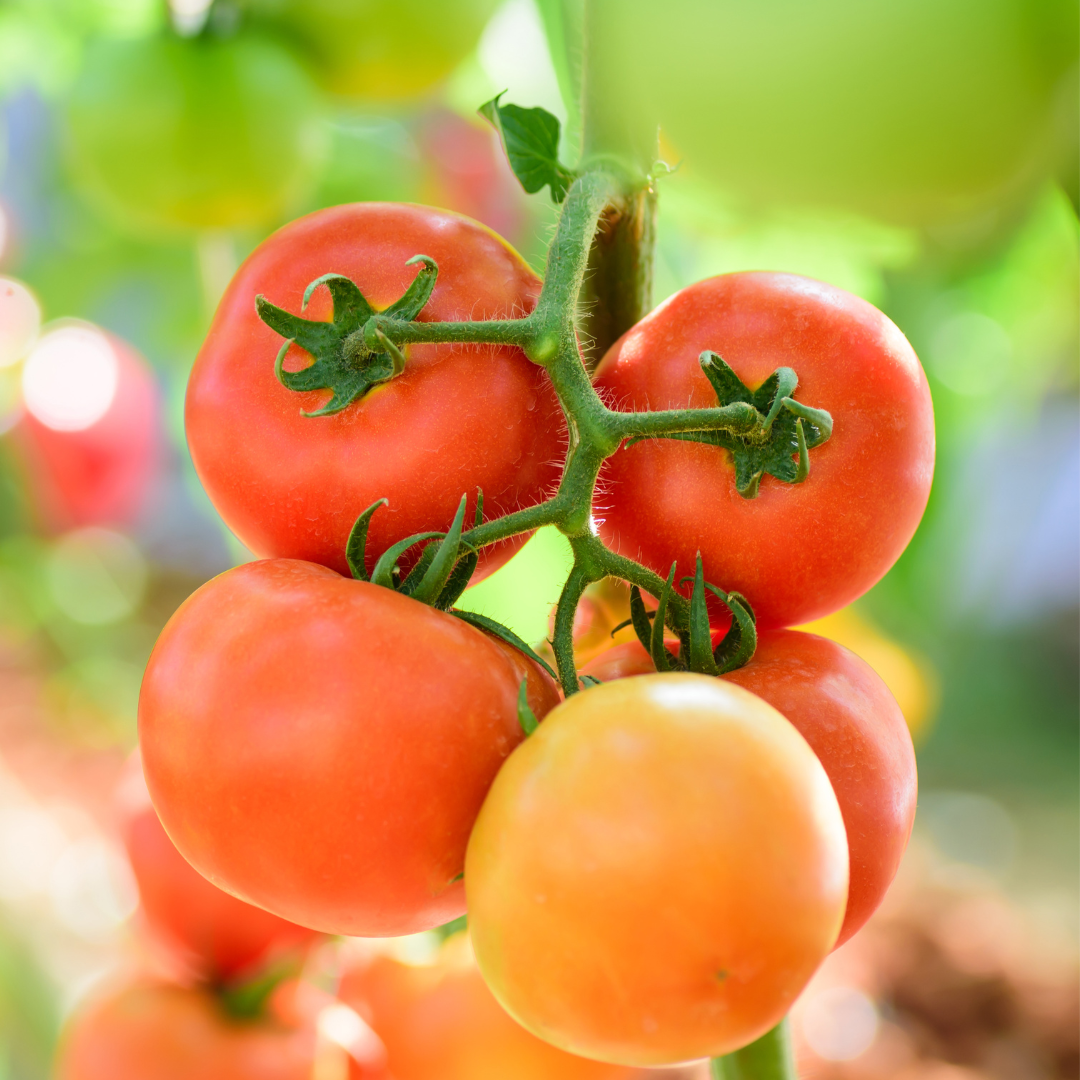
The Sunshine State’s Agricultural Rhythms: A Tourist’s Guide to Tomato Season
Florida’s agricultural prowess is deeply tied to its distinct climate zones. For tomatoes, this means a growing season that largely bypasses the intense heat and humidity of summer, making autumn, winter, and spring the prime times for harvest. Understanding these cycles is crucial for tourists wishing to immerse themselves in the authentic flavors and local produce that define various regions of Florida.
Understanding Florida’s Unique Climate for Produce
Florida’s climate is broadly divided into northern, central, and southern regions, each with subtle differences that impact crop cycles. While South Florida enjoys a more tropical climate, allowing for an extended cool-season growing window, North Florida experiences more pronounced temperate seasons. For tomatoes, the primary concern is avoiding frost and extremely high temperatures (above 90°F / 32°C), which can hinder fruit set and quality. The state’s commercial tomato production, which significantly contributes to the nation’s winter supply, is concentrated in specific areas that leverage these climatic advantages. Key regions include Southwest Florida (around Immokalee and Naples), and the west-central coast (near Ruskin). These areas become hives of activity during peak harvest, offering a glimpse into the agricultural heartland of the state.
Peak Tomato Harvest Seasons for Visitors
For travelers, the prime window to experience fresh, local Florida tomatoes runs from late autumn through late spring.
- Autumn Harvest (October – November): As temperatures begin to cool, the first major flush of tomatoes becomes available, particularly in Central Florida and South Florida. This early season offers a delightful introduction to the state’s produce, with many varieties hitting farmers’ markets.
- Winter Peak (December – March): This is the undisputed prime time for Florida tomatoes. With mild weather dominating the southern half of the state, commercial fields and smaller farms are in full swing. Visitors during these months will find the widest selection and best quality tomatoes, often directly from the growers. This aligns perfectly with the peak tourist season, allowing culinary exploration to flourish.
- Spring Harvest (April – May): The season continues strongly into spring, especially in northern and central regions as temperatures rise but remain within optimal ranges. As summer approaches, the tomato season in Florida begins to wind down, making way for other heat-loving crops.
Tourists visiting Florida during these cooler months will discover a culinary advantage that often goes unnoticed by those only familiar with summer tomato harvests elsewhere. It’s an opportunity to taste the sun-ripened difference.
Savoring Local Flavors: Tomato-Centric Culinary Experiences
The presence of fresh, local tomatoes profoundly influences Florida’s culinary scene, especially during peak season. For the discerning traveler, this means a wealth of opportunities to enjoy these versatile fruits in their prime, from gourmet restaurants to casual roadside stands.
Farm-to-Table Dining Opportunities
Many restaurants across Florida, particularly those emphasizing fresh, local ingredients, highlight seasonal tomatoes on their menus during the winter and spring. In cities like Miami, Orlando, and St. Petersburg, chefs pride themselves on sourcing directly from Florida farms, incorporating ripe tomatoes into vibrant salads, flavorful sauces, and creative entrees. Dining at these establishments during peak tomato season offers not just a meal, but a genuine taste of the region’s agricultural heritage and a testament to the freshness that local sourcing provides. Inquire about a restaurant’s local sourcing practices to ensure you’re experiencing the true seasonal bounty.
Farmers’ Markets and Roadside Stands

No visit to Florida during tomato season is complete without a stop at a local farmers’ market or a roadside stand. These vibrant hubs are where the connection between land and table becomes most tangible. From the lively Sarasota Farmers Market to smaller community markets in towns like Gainesville or Key West, visitors can browse an array of tomato varieties – from classic Beefsteaks and Romas to heirloom beauties in shades of yellow, green, and purple. The opportunity to chat with growers, learn about specific varieties, and sample fresh produce directly from the source is an enriching cultural experience that appeals to foodies and curious travelers alike. Many markets also feature prepared foods, allowing you to taste local specialties featuring fresh tomatoes on the spot.
Local Dishes and Culinary Traditions Featuring Tomatoes
Florida’s diverse culinary traditions often feature tomatoes prominently. Beyond the typical salad, look for unique regional applications. Seafood restaurants, especially along the coasts, might offer grilled fish topped with fresh tomato salsa or a light tomato vinaigrette. Cuban influences, particularly in South Florida, bring dishes like ropa vieja (shredded beef stewed with tomatoes and spices) or a classic sofrito base for countless preparations. The simple pleasure of a perfectly ripe Florida tomato, sliced with a drizzle of olive oil and a sprinkle of sea salt, speaks volumes about the quality of the local produce. Don’t miss out on trying local tomato-based sauces, salsas, and even refreshing gazpachos or chilled tomato soups, especially as the spring season warms up.
Agritourism and Tomato-Related Activities for Travelers
Beyond dining, the tomato season in Florida opens up engaging agritourism opportunities, allowing travelers to connect directly with the agricultural landscape. These experiences offer a hands-on perspective on where Florida’s food comes from and provide memorable activities for individuals and families.
U-Pick Farms and Educational Tours
For a truly immersive experience, seek out “U-Pick” tomato farms, primarily found in Central Florida and South Florida during their respective harvest windows. These farms invite visitors to pick their own fresh tomatoes directly from the vine, offering a unique activity that’s particularly popular with families. It’s an educational and fun way to see how tomatoes are grown and gain a deeper appreciation for the effort involved in farming. Many of these farms also offer educational tours, explaining the planting, growing, and harvesting processes, and sometimes even demonstrating sustainable farming practices. These direct interactions with the agricultural community provide insights into Florida’s rural life and economy, a side of the state often overlooked by traditional tourism.
Festivals and Events Celebrating the Harvest
While perhaps not as widely publicized as some other agricultural festivals, several local communities in Florida host events and small festivals celebrating the tomato harvest. These typically occur in late winter or early spring in regions known for their tomato production. For example, the community of Immokalee, a major tomato-growing hub, occasionally hosts events that highlight their agricultural heritage. Attending such a local festival can offer a delightful glimpse into small-town Florida life, complete with local food vendors, craft stalls, and often, tomato-themed culinary competitions or produce sales directly from farmers. Keep an eye on local tourism boards and community event calendars when planning your trip to catch these charming, often less-crowded, celebrations.
Planning Your Florida Trip Around Fresh Tomatoes
Integrating the Florida tomato season into your travel plans can significantly enhance your experience, especially if you appreciate fresh produce and local culinary traditions. By considering the harvest calendar, you can optimize your visit for the best possible gastronomic adventures.
Best Times to Visit for Culinary Exploration
To fully capitalize on the fresh tomato season, consider planning your Florida vacation between November and April. During these months, not only is the weather generally more pleasant for touring the state, but you’ll also find tomatoes at their peak. This period offers the highest likelihood of encountering fresh, locally grown tomatoes at restaurants, markets, and agritourism sites across Central Florida and South Florida. If your itinerary includes northern parts of the state, aim for late spring (April-May) for their local offerings.

What to Look for When Shopping for Local Tomatoes
When visiting farmers’ markets or local grocery stores in Florida during the peak season, knowing what to look for ensures you select the best tomatoes. Choose tomatoes that are firm but yield slightly to gentle pressure. They should have a rich, uniform color and a distinct, fragrant aroma at the stem end. Avoid any with soft spots, wrinkles, or blemishes, as these indicate overripeness or damage. Don’t be shy to ask vendors about the varieties they offer and their best uses – they are often eager to share their knowledge and passion for their produce. By engaging with local growers and making informed choices, you’ll be able to savor the true taste of Florida’s agricultural heritage.
LifeOutOfTheBox is a participant in the Amazon Services LLC Associates Program, an affiliate advertising program designed to provide a means for sites to earn advertising fees by advertising and linking to Amazon.com. Amazon, the Amazon logo, AmazonSupply, and the AmazonSupply logo are trademarks of Amazon.com, Inc. or its affiliates. As an Amazon Associate we earn affiliate commissions from qualifying purchases.