
Alabama’s fertile soil and diverse climate present a unique opportunity for home gardeners and small-scale farmers to cultivate a bountiful potato harvest. Understanding the optimal planting windows is crucial for success, ensuring that these versatile tubers thrive from seed to plate. This guide delves into the specifics of potato planting in Alabama, offering insights into soil preparation, variety selection, and timing to maximize yield and quality.
Understanding Alabama’s Climate for Potato Cultivation
Alabama experiences a varied climate across its regions, from the coastal plains of the Gulf Coast to the rolling hills of the northern highlands. Potatoes, being a cool-season crop, perform best when planted during specific windows that avoid extreme heat and frost. Generally, Alabama’s growing seasons allow for two distinct planting periods for potatoes: a spring crop and, in some areas, a fall crop.
The Spring Planting Window
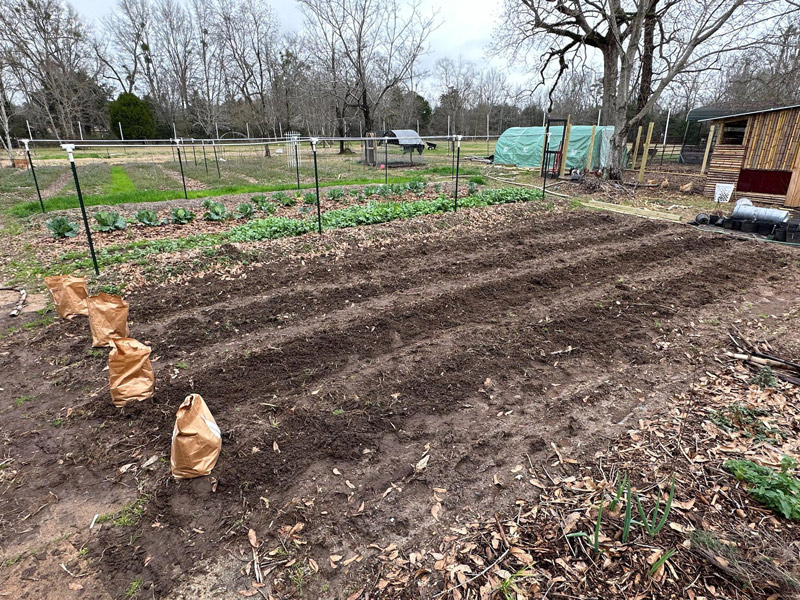
The primary and most successful planting season for potatoes in Alabama is in the early spring. This period allows the plants to establish themselves and develop tubers during the cooler months before the intense summer heat arrives.
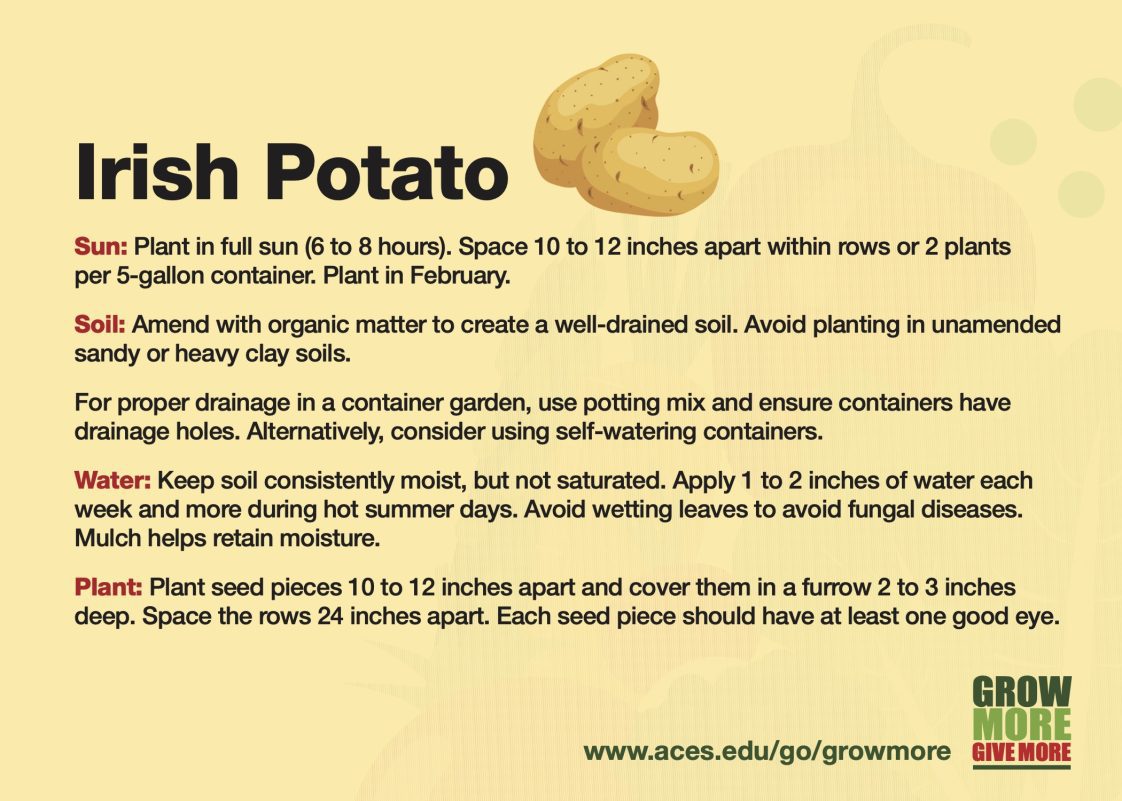
- Early Spring Planting (February to Mid-March): This is the ideal time for the majority of Alabama. The goal is to get the seed potatoes in the ground before the last expected frost. While a light frost can usually be tolerated by emerging potato sprouts, a hard freeze can damage young plants. Soil temperatures are also a key consideration. Ideally, soil temperatures should be at least 45°F (7°C) for planting. This typically occurs in Alabama by late February or early March. Planting too early, when the soil is waterlogged and still very cold, can lead to seed piece rot and poor germination.
- Late Spring Planting (Late March to Early April): For areas further north in Alabama, or if the spring is particularly cool, extending the planting window into late March or even early April is permissible. However, planting much later than this risks the plants encountering high temperatures during their tuber development stage, which can negatively impact yield and quality, leading to misshapen or fewer tubers.
The Fall Planting Window (Limited Regions)
While less common and more regionally specific, a fall crop of potatoes can be successful in parts of Alabama, particularly in the southern regions where the winters are milder.
- Late Summer Planting (August to Early September): For a fall harvest, seed potatoes need to be planted in late summer. This allows the plants to mature during the cooling temperatures of autumn. The critical factor here is ensuring that the tubers have enough time to develop before the first hard frost of winter. The average first frost date varies significantly across Alabama, so gardeners in the southern counties have a better chance of success with a fall crop. For example, planting in early August would allow for a harvest in late October or November.
- Considerations for Fall Planting: Success with a fall crop depends heavily on consistent moisture and avoiding excessively hot soil at planting time. It’s crucial to research the average first frost date for your specific location within Alabama. Planting in raised beds can also help manage soil temperature and drainage for this later planting.
Factors Influencing Planting Dates
Beyond the general windows, several environmental and horticultural factors should guide your specific planting decisions in Alabama.
Soil Temperature and Moisture
As mentioned, soil temperature is a primary indicator. Cold, wet soil is detrimental to seed potato viability. Use a soil thermometer to gauge temperatures at a depth of about 4 inches. Aim for consistency above 45°F. Equally important is soil moisture. Avoid planting in soil that is overly saturated, as this can promote disease and rot.
Frost Dates
Knowing your area’s average last spring frost date and average first fall frost date is paramount. Resources like the National Weather Service or local agricultural extension offices can provide this information. For spring planting, aim to plant about 2-3 weeks before the average last frost. For fall planting, ensure there are at least 90-120 days (depending on variety) between planting and the average first frost.
Potato Variety
Different potato varieties have varying maturity periods. Early-maturing varieties are more forgiving of slightly later planting dates and can be suitable for both spring and fall crops. Maincrop or late-maturing varieties require a longer growing season and are best suited for the earliest spring planting to ensure they mature before the summer heat.
- Early Varieties: These mature in 60-80 days. Examples include Yukon Gold, Red Norland, and Superior. They are excellent choices for a quicker harvest and can be considered for fall planting if initiated early enough.
- Mid-Season Varieties: These take 80-95 days to mature. Examples include Kennebec and Fingerling varieties.
- Late Varieties: These require 95-120+ days to mature. Examples include Russet Burbank. These are best planted as early as possible in the spring to maximize their development time.
Geographic Location within Alabama
Alabama is not monolithic in its climate. The Gulf Coast region, with its warmer temperatures and longer growing season, may have slightly earlier spring planting windows and a more viable fall crop option than the northern Appalachian foothills.
- Coastal Areas (e.g., Mobile, Baldwin Counties): Can often plant seed potatoes from mid-February onwards. The fall planting window might extend into early September.
- Central Alabama (e.g., Montgomery, Birmingham): Typically sees optimal planting from late February to mid-March. Fall planting is more challenging and requires careful timing.
- Northern Alabama (e.g., Huntsville, Gadsden): Planting usually begins in early to mid-March, pushing planting into early April is possible but not ideal. Fall crops are generally not recommended due to earlier frost dates.
Preparing for Planting
Successful potato cultivation begins long before the seed pieces touch the soil. Proper preparation ensures healthy growth and a robust harvest.
Seed Potato Selection and Preparation
Always use certified disease-free seed potatoes. These are specifically grown for planting and are a vital step in preventing the spread of soil-borne diseases. Before planting, seed potatoes need to be “chitted” or “sprouted.” This involves placing them in a cool, bright, frost-free location (around 50-60°F or 10-15°C) for a few weeks before planting. This encourages the development of short, sturdy sprouts. Cut larger seed potatoes into pieces, ensuring each piece has at least one or two good “eyes” or sprouts. Allow these cut pieces to cure (dry out slightly) for a day or two before planting to prevent rot.
Soil Preparation
Potatoes thrive in well-drained, loose, and slightly acidic soil (pH 5.0-6.0). Before planting, incorporate a generous amount of organic matter, such as compost or aged manure. This improves soil structure, drainage, and fertility. The soil should be tilled to a depth of at least 8-10 inches to allow for tuber expansion. Avoid planting in soil that has recently grown tomatoes, eggplants, or peppers, as these are in the same plant family (Solanaceae) and can harbor similar diseases.
Planting Techniques
Potatoes are typically planted in rows. Dig trenches or individual holes about 6-8 inches deep. Place the seed potato pieces, sprout-side up, about 12-15 inches apart within the row. Rows should be spaced 2-3 feet apart to allow ample room for hilling, a crucial practice for potato growth.
Hilling and Ongoing Care
The process of hilling is fundamental to potato cultivation and is directly influenced by when you plant.
The Importance of Hilling
As the potato plants grow, soil is gradually mounded up around the stems. Hilling serves several critical purposes:
- Light Protection: It protects developing tubers from sunlight, which can cause them to turn green and produce solanine, a toxic compound.
- Encourages Tuber Development: New tubers form along the buried stem, so hilling provides more underground space for them to grow.
- Weed Suppression: A well-hilled row helps to smother weeds.
- Drainage: It helps to keep the developing tubers drier, reducing the risk of rot.
Timing of Hilling
The first hilling typically occurs when the plants are about 6-8 inches tall. This is usually about 3-4 weeks after planting for early spring crops. Subsequent hillings are done every 2-3 weeks as the plants grow, continuing until the plants begin to flower. For a spring crop planted in March, the first hilling might occur in April, with follow-up sessions in May. For a fall crop planted in August, the first hilling would be in September.
Watering and Fertilization
Consistent moisture is vital throughout the growing season, especially during tuber formation. Avoid letting the soil dry out completely, but also ensure good drainage to prevent waterlogged conditions. Fertilize at planting time with a balanced fertilizer, and consider a second application after the first hilling, focusing on phosphorus and potassium to encourage tuber development.
Pest and Disease Management
Keep an eye out for common potato pests such as Colorado potato beetles and flea beetles, and diseases like early blight and late blight. Early detection and appropriate organic or conventional control methods are essential for a healthy crop. Planting at the correct time, in well-prepared soil, and selecting appropriate varieties are the first lines of defense.
By carefully considering the timing of your planting, preparing your soil diligently, and employing proper cultivation techniques, you can achieve a rewarding potato harvest throughout Alabama’s diverse agricultural landscape. Whether you’re a seasoned gardener or just starting, understanding these principles will help you grow delicious potatoes for your table.
LifeOutOfTheBox is a participant in the Amazon Services LLC Associates Program, an affiliate advertising program designed to provide a means for sites to earn advertising fees by advertising and linking to Amazon.com. Amazon, the Amazon logo, AmazonSupply, and the AmazonSupply logo are trademarks of Amazon.com, Inc. or its affiliates. As an Amazon Associate we earn affiliate commissions from qualifying purchases.