
Oklahoma, a state renowned for its wide-open spaces, rich history, and a vibrant tourism scene, might not be the first place that springs to mind for potato cultivation. However, for those with a green thumb and an interest in locally sourced produce, understanding the optimal planting times for potatoes is crucial. While the primary focus of our platform often revolves around Travel, Hotels, Tourism, Accommodation, Landmarks, and Lifestyle, we recognize that a deeper appreciation for a destination often includes understanding its local agricultural rhythms. This guide delves into the specifics of when to plant potatoes in Oklahoma, ensuring a bountiful harvest for home gardeners and contributing to the authentic local food experiences that Oklahoma has to offer.
Understanding Oklahoma’s Climate for Potato Planting
Oklahoma’s climate presents a unique set of challenges and opportunities for gardeners. Characterized by hot summers, mild winters, and a propensity for spring thunderstorms, the state can be broadly divided into two climatic zones. The eastern part of the state generally experiences more rainfall, while the western regions tend to be drier and more prone to wind. This variability means that planting times can also differ slightly depending on your specific location within Oklahoma.
Potatoes are cool-season crops, meaning they thrive in moderate temperatures and can tolerate light frosts. This inherent preference dictates the best planting windows. In Oklahoma, this generally translates to two primary planting seasons: one in the spring and another in the late summer for a fall harvest. The key is to plant the tubers when the soil temperature is consistently above freezing and before the extreme heat of summer sets in.
Spring Planting: The Primary Window
The most common and successful time to plant potatoes in Oklahoma is during the spring. The goal is to get the seed potatoes into the ground after the danger of a hard frost has passed, but early enough to allow the plants to mature before the intense summer heat arrives.
When to Plant in Spring
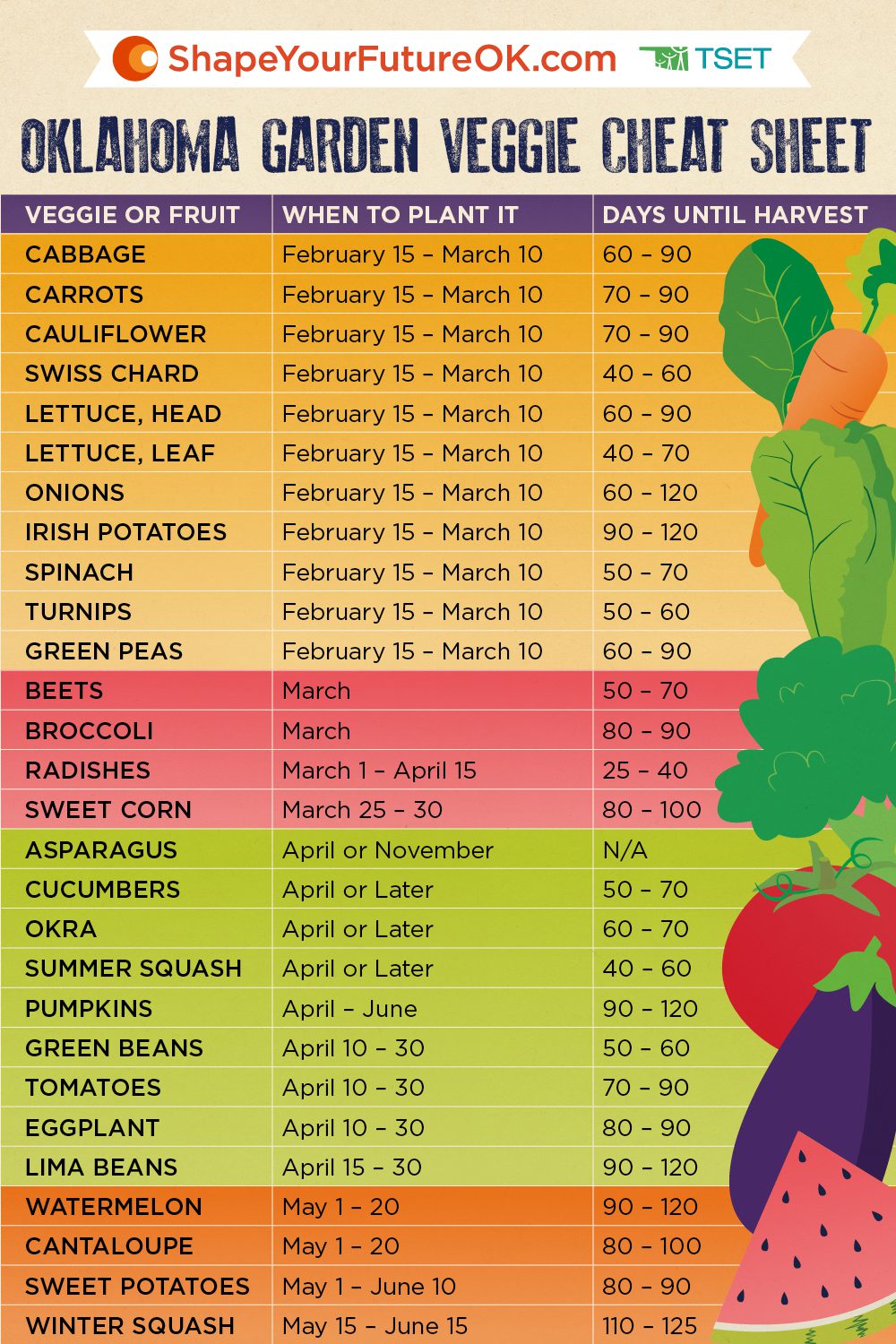
For most of Oklahoma, the ideal window for spring potato planting is typically from late February through April. However, this is not a rigid rule and can be influenced by the specific weather patterns of a given year.
- Early Spring (Late February – March): In the southern parts of the state, particularly in areas like Lawton or around Ardmore, gardeners might consider planting as early as late February or early March. This is especially true if the winter has been mild and soil temperatures are consistently above 40°F (4°C). Planting this early allows the potatoes to establish a good root system before the weather truly warms up.
- Mid-Spring (April): For the central and northern regions of Oklahoma, including areas around Oklahoma City and Tulsa, April is generally the safest bet. By mid-April, the risk of a hard frost has significantly diminished, and soil temperatures are more reliably conducive to germination and growth.
Key Considerations for Spring Planting:
- Soil Temperature: The most critical factor is soil temperature. You can use a soil thermometer to check the temperature at a depth of about 4-6 inches. Aim for a consistent temperature of at least 45°F (7°C).
- Last Frost Date: Consult local agricultural extension office resources or weather forecasts for the average last frost date in your specific area of Oklahoma. Planting before this date increases the risk of frost damage to young shoots.
- Seed Potato Preparation: Ensure you are using certified seed potatoes. These are disease-free and specifically grown for planting. You can cut larger seed potatoes into pieces, ensuring each piece has at least two “eyes” (buds). Allow these cut pieces to cure for a day or two in a cool, dry place to prevent rot.
Fall Planting: A Secondary Harvest Opportunity
While spring planting is the primary season, Oklahoma also offers the possibility of a fall harvest. This involves planting seed potatoes in the late summer, allowing them to mature during the cooler autumn months. This can be an excellent way to extend the potato-growing season and enjoy fresh potatoes well into the fall.
When to Plant in Fall
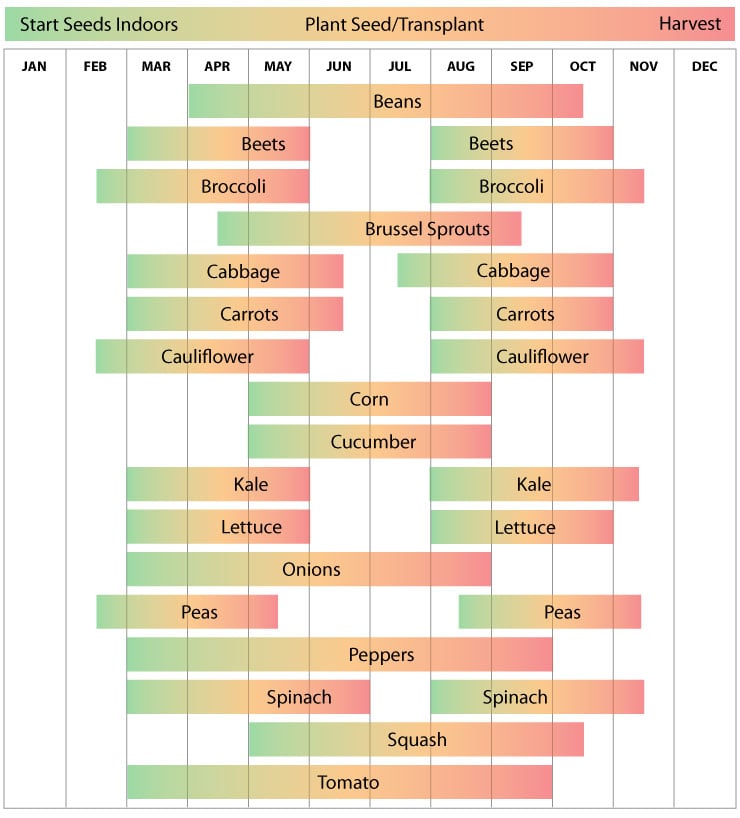
The window for fall potato planting in Oklahoma is typically from July through mid-August. The exact timing depends on when the first frost is expected in the fall, as you’ll want the potatoes to have enough time to mature before the cold weather sets in.
- Early Summer (July): Planting in early July provides the longest possible growing period before the fall frost. This is particularly advantageous for the faster-maturing potato varieties.
- Late Summer (August): Planting in mid-August is still feasible, especially for quicker-growing varieties or if you are in a region of Oklahoma with a later first frost date.
Key Considerations for Fall Planting:
- Heat Stress: Planting in July and August means sowing seed potatoes into hot soil. It is crucial to ensure consistent moisture during this period, as excessive heat can stress the developing tubers. Consider planting deeper than usual or using mulch to keep the soil cooler.
- Maturity Time: Choose potato varieties that have a shorter maturity time (e.g., early-season or mid-season varieties) for a fall harvest. Late-season varieties may not have enough time to develop fully before the first frost.
- Pest and Disease Management: Be mindful of pests and diseases that might be prevalent during the warmer months. Good soil health and timely watering are essential for a successful fall crop.
Choosing the Right Potato Varieties for Oklahoma
The success of your potato harvest in Oklahoma also depends on selecting the right potato varieties that are well-suited to the state’s climate and your intended use. Different varieties have varying maturity times, disease resistance, and culinary qualities.
Popular and Suitable Varieties
While many potato varieties can be grown in Oklahoma, some have proven to be more resilient and productive in the region’s conditions.
- Yukon Gold: A popular all-purpose potato known for its buttery flavor and waxy texture. It’s a mid-season variety and generally performs well in Oklahoma.
- Red Norland: An early-maturing red-skinned potato that is good for boiling and salads. It tends to be quite adaptable.
- Russet Burbank: A classic baking potato, the Russet Burbank is a late-season variety. It requires a longer growing season but can produce large, starchy tubers.
- Kennebec: A versatile, high-yielding variety that is resistant to certain diseases. It’s good for both boiling and frying.
When selecting varieties, consider purchasing from local nurseries or agricultural suppliers in Oklahoma who can offer recommendations specific to your area and local growing conditions. This is part of the broader experience of engaging with local culture and agriculture, similar to exploring the unique culinary landscapes of Oklahoma or staying in charming local accommodations.
Preparing Your Soil and Planting Techniques
Successful potato cultivation goes beyond just knowing when to plant; it also involves preparing your soil correctly and employing effective planting techniques. This attention to detail can significantly impact the yield and quality of your potatoes, contributing to a more rewarding gardening experience.
Soil Preparation
Potatoes prefer well-draining, loose soil rich in organic matter. Before planting, it’s essential to prepare your garden bed thoroughly.
- Soil Testing: Consider getting your soil tested to understand its pH level and nutrient content. Potatoes generally prefer slightly acidic soil, with a pH between 5.0 and 6.0.
- Amendments: Incorporate generous amounts of compost or well-rotted manure into the soil. This improves drainage, aeration, and nutrient availability. For sandy soils, organic matter is crucial for retaining moisture. For heavier clay soils, it helps with drainage.
- Tilling: Loosen the soil to a depth of at least 8-12 inches. This allows the developing tubers to expand freely. You can use a tiller or a garden fork for this purpose.

Planting Techniques
Once the soil is prepared and you’ve determined the appropriate planting time, you can proceed with planting your seed potatoes.
- Depth: Plant seed potato pieces about 4-6 inches deep. The “eyes” or sprouts should be pointing upwards.
- Spacing: Space the seed potato pieces 10-12 inches apart within rows. Rows should be about 3 feet apart to allow ample room for hilling.
- Hilling: As the potato plants grow, a crucial technique called “hilling” is employed. This involves gradually mounding soil around the base of the stems. Hilling serves several purposes:
- Prevents Sunburn: It covers the developing tubers, preventing them from being exposed to sunlight, which can cause them to turn green and produce solanine (a toxic compound).
- Encourages More Tubers: It provides more surface area for new tubers to form along the buried stem.
- Supports the Plant: It helps to support the growing plant.
- Start hilling when the plants are about 6-8 inches tall, and repeat every 2-3 weeks as the plants grow, until the flowering stage.
By following these guidelines for soil preparation and planting techniques, you can significantly increase your chances of a successful potato harvest in Oklahoma. This hands-on approach to gardening complements the broader lifestyle choices that often accompany travel and exploration, where understanding local practices and engaging with the land can enrich your experience, much like discovering a hidden gem of a resort in Broken Bow or learning about the rich history of the Oklahoma Historical Society. Ultimately, whether you’re planning a visit to the Tallgrass Prairie Preserve or cultivating your own bounty, Oklahoma offers a wealth of experiences waiting to be discovered.
LifeOutOfTheBox is a participant in the Amazon Services LLC Associates Program, an affiliate advertising program designed to provide a means for sites to earn advertising fees by advertising and linking to Amazon.com. Amazon, the Amazon logo, AmazonSupply, and the AmazonSupply logo are trademarks of Amazon.com, Inc. or its affiliates. As an Amazon Associate we earn affiliate commissions from qualifying purchases.