
Understanding the optimal timing for planting strawberries in Alabama is crucial for anyone looking to cultivate these beloved berries, whether for a backyard patch or to appreciate the state’s vibrant agricultural tourism. Alabama’s unique climate, characterized by warm, humid summers and generally mild winters, dictates specific windows for successful strawberry growth. This guide delves into the nuances of planting schedules, variety selection, and care, framing it within the broader context of engaging with Alabama’s rich local food culture and agricultural offerings.
Understanding Alabama’s Unique Climate for Strawberry Cultivation
Alabama’s diverse climate zones significantly influence strawberry planting times. The state experiences a humid subtropical climate, but there are noticeable differences between the cooler northern regions and the warmer coastal plains. Successful strawberry cultivation hinges on selecting the right planting time to allow plants to establish strong root systems before extreme temperatures set in, minimizing stress and maximizing fruit production.

North Alabama’s Planting Window
In North Alabama, including areas like Huntsville and Florence, the ideal time for planting strawberries is typically in the fall, specifically from late September through October. This timing allows the plants to develop a robust root system during the cooler autumn months before the onset of winter dormancy. While winters here can bring occasional freezes, fall-planted strawberries, especially June-bearing varieties, use this period to establish themselves. When spring arrives, these well-rooted plants are ready to put out runners and produce a plentiful crop. Planting in spring, particularly for ever-bearing varieties, is also feasible but generally yields a smaller first-year crop compared to fall planting. Spring planting in North Alabama usually occurs from late February to early April, after the last threat of a hard frost has passed.
Central and South Alabama Considerations
Moving south to regions like Birmingham, Montgomery, and down to the coastal areas around Mobile, the planting windows shift slightly due to warmer temperatures and a longer growing season. For these areas, fall planting can extend slightly later, often into early November, capitalizing on the prolonged mild weather. The primary benefit remains the same: robust root development before the minimal chill of winter. Spring planting is also an option, typically from early February to late March, before the intense heat of summer arrives, which can stress newly planted strawberries. In South Alabama, particular attention must be paid to heat-tolerant varieties, as the summer months can be long and exceptionally hot, potentially hindering plant vigor and fruit quality if not managed correctly. Understanding these regional distinctions is key for locals and agricultural tourists seeking to engage with Alabama’s diverse agricultural landscape.
Soil Preparation and Site Selection
Regardless of the region, proper soil preparation is non-negotiable for successful strawberry growing. Strawberries thrive in well-drained, slightly acidic soil with a pH between 5.5 and 6.5. A soil test, easily accessible through local extension offices, is highly recommended to determine nutrient deficiencies and pH levels. Amending the soil with organic matter such as compost or aged manure improves drainage, aeration, and fertility. Strawberries also require full sun exposure, at least 6-8 hours daily, to produce the sweetest, most abundant fruit. Choosing a site that receives ample sunlight and has good air circulation is paramount to preventing fungal diseases. For those exploring Alabama’s agricultural sites, observing the practices at successful u-pick farms can provide valuable insights into ideal site selection and soil management.
Optimal Timing for Bare-Root and Plug Plants
The type of strawberry plant you acquire also plays a role in determining the best planting time. Bare-root plants, dormant and without soil, are typically planted differently than actively growing plug plants. Each has its advantages and preferred planting season.
Autumn Planting for Perennial Patches
For establishing a perennial strawberry patch, particularly with June-bearing varieties, autumn planting is highly recommended across most of Alabama. Bare-root plants are ideal for fall planting. When planted from late September through October (or early November in the southernmost parts), these plants use the cooler soil temperatures to develop an extensive root system throughout the fall and winter. This deep root growth allows the plants to store energy efficiently. The following spring, these well-established plants emerge vigorous, ready to produce a substantial crop of berries. This method aligns perfectly with the goal of creating a long-lasting, productive strawberry bed that will yield fruit for several years. For tourists interested in Alabama’s agricultural cycle, observing the preparation of fields in autumn at local farms offers a glimpse into the foundational work that leads to spring harvests.
Spring Planting for Annual Production
Spring planting, usually from late February to early April, is often favored for ever-bearing or day-neutral varieties, or when setting up an annual production system. Plug plants, which are small, actively growing strawberry plants with an intact root ball, are particularly well-suited for spring planting. They establish quickly and often produce a smaller crop in their first year, sometimes even within a few months of planting. While fall planting prioritizes root establishment for future harvests, spring planting aims for quicker, albeit sometimes less abundant, initial yields. Many commercial growers in Alabama utilize spring planting for specific varieties to ensure a consistent supply of fresh strawberries throughout the growing season, a practice that underpins the state’s vibrant local markets and u-pick experiences. Visitors exploring Alabama’s farmers’ markets will often encounter the early fruits of these spring-planted patches.
Choosing the Right Strawberry Varieties for Alabama
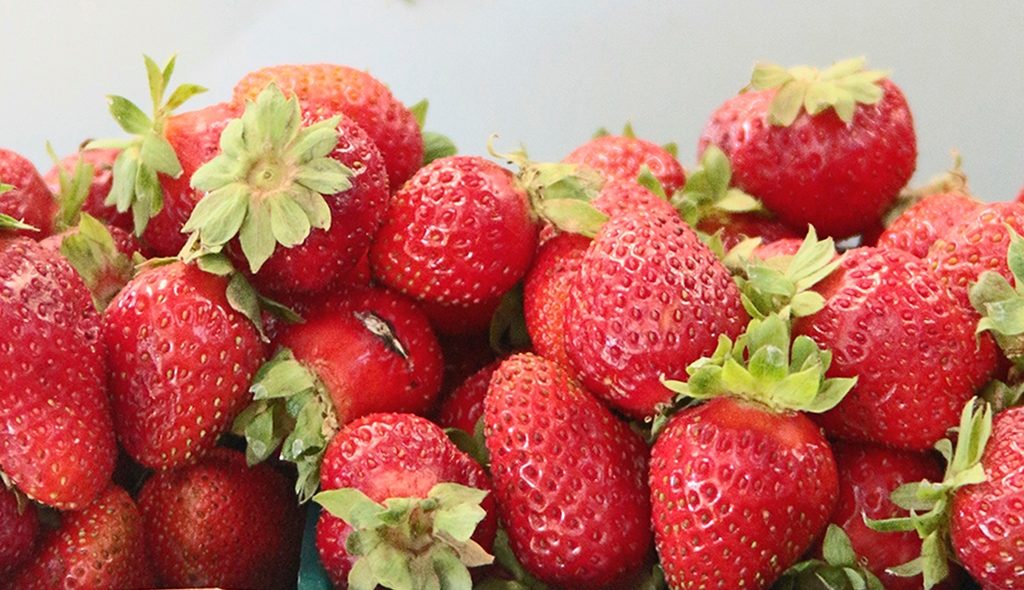
Selecting the appropriate strawberry variety is paramount for success in Alabama’s climate.
- June-bearing varieties are popular for their single, large crop in late spring to early summer. They are excellent for jams, freezing, and fresh eating. Recommended varieties for Alabama include ‘Chandler’, ‘Sweet Charlie’, and ‘Camarosa’, known for their good flavor and adaptability to Southern conditions. These are often the stars of local strawberry festivals.
- Ever-bearing varieties produce two main crops, one in spring and another in late summer/early fall. While not truly “ever-bearing” in the sense of continuous fruiting, they offer an extended harvest. ‘Ozark Beauty’ and ‘Tristar’ are examples that can do well in Alabama, though they generally perform better in cooler climates and may struggle with prolonged summer heat.
- Day-neutral varieties produce fruit continuously throughout the growing season as long as temperatures are moderate. They are less sensitive to day length, hence “day-neutral.” ‘Albion’ and ‘San Andreas’ are popular day-neutral options that can be grown in Alabama, particularly in regions where summer heat is carefully managed with shade cloth or irrigation. For tourists seeking a taste of Alabama’s produce beyond the peak spring season, day-neutral varieties help extend the availability of fresh local berries.
From Planting to Harvest: Essential Care Tips
Proper care after planting ensures a healthy and productive strawberry patch, contributing to the broader agricultural success that visitors to Alabama can appreciate through its local produce.
Watering and Fertilization Schedules
Consistent watering is critical, especially during establishment and fruit development. Strawberries have shallow root systems and require about 1-1.5 inches of water per week, either from rain or irrigation. Drip irrigation or soaker hoses are preferred to avoid wetting foliage, which can lead to fungal diseases. Newly planted strawberries should be watered immediately after planting and regularly thereafter, ensuring the soil remains consistently moist but not waterlogged.
Fertilization should be approached carefully. A balanced fertilizer can be applied in early spring before flowering, and again after the main harvest for June-bearers to promote runner development. Avoid excessive nitrogen, which can lead to lush foliage but reduced fruit production. Organic options like compost tea or well-rotted manure can provide a steady supply of nutrients, enriching the soil for long-term health, a practice often highlighted in sustainable agricultural tours in Alabama.
Pest and Disease Management
Strawberries in Alabama are susceptible to various pests and diseases, including slugs, birds, spider mites, anthracnose, and powdery mildew. Integrated pest management (IPM) strategies are crucial. This includes proper site selection for good air circulation, prompt removal of diseased leaves, crop rotation (if possible), and the use of resistant varieties. Mulching with pine straw or black plastic can suppress weeds, conserve moisture, and keep fruit clean. Bird netting is often essential to protect ripening berries from avian predators. Regular scouting of plants allows for early detection and intervention, minimizing the need for chemical treatments and promoting healthier, more natural agricultural practices that resonate with ecotourism trends.
Overwintering and Patch Renewal
For perennial strawberry patches, overwintering care is important, particularly in North Alabama where temperatures can dip. Applying a layer of straw mulch after the first hard frost helps insulate the plants and protect crowns from extreme cold. This mulch should be removed in early spring when new growth begins. After the main harvest, June-bearing patches benefit from renovation. This involves mowing the foliage (being careful not to damage the crowns), thinning out older plants, and fertilizing to encourage new runner development. This annual renewal ensures a productive patch for several years, a testament to the sustainable farming practices common across Alabama’s agricultural landscapes.
Beyond the Home Garden: Strawberry Tourism in Alabama
While knowing when to plant strawberries is vital for home gardeners, this knowledge also enriches the experience of local tourism. Alabama’s agricultural sector, especially its fruit farms, offers delightful opportunities for visitors to engage with local culture and food systems.
U-Pick Farms and Festivals
Visiting a u-pick strawberry farm is a quintessential spring activity in Alabama. These farms, often family-owned, invite visitors to pick their own fresh strawberries directly from the fields. It’s an immersive experience that connects consumers directly with their food source, offering fresh air, family fun, and exceptionally fresh produce. Many u-pick operations, such as those found near Cullman or Chilton County, which is renowned for its peaches but also grows strawberries, become community hubs during peak season. Alabama also hosts various strawberry festivals, celebrating the harvest with food vendors, crafts, music, and children’s activities. The Cullman Strawberry Festival is a prime example, drawing crowds to celebrate this beloved berry and showcasing local agricultural prowess. These events are not just about strawberries; they are vibrant expressions of Alabama’s local culture and community spirit, offering memorable experiences for tourists.
Local Markets and Culinary Experiences
For those who prefer to buy rather than pick, Alabama’s farmers’ markets brim with fresh strawberries during the spring harvest. Markets in cities like Birmingham, Montgomery, and Mobile feature local growers offering a bounty of just-picked berries, alongside other seasonal produce and artisanal goods. This provides an excellent opportunity for tourists to sample the freshest local flavors and support regional farmers directly.
Beyond fresh consumption, Alabama’s culinary scene often incorporates local strawberries into seasonal dishes, desserts, and beverages. From strawberry shortcakes in quaint cafes to innovative strawberry-infused cocktails in upscale restaurants, the berry becomes a celebrated ingredient. Engaging with these culinary offerings allows visitors to taste the very essence of Alabama’s agricultural heritage and seasonal bounty, making the journey a truly palatable experience.

Engaging with Alabama’s Agricultural Heritage
Understanding when and how to plant strawberries in Alabama is more than just gardening advice; it’s an entry point into appreciating the state’s deep agricultural roots. From the industrious efforts of family farms to the joyous celebration of harvest festivals, strawberries are woven into the fabric of Alabama’s identity. Experiencing this agricultural cycle, whether by planting a home garden, visiting a u-pick farm, or simply savoring fresh berries from a local market, offers a profound connection to the land and its people. This engagement with local food systems enriches any visit to Alabama, transforming a simple culinary delight into a meaningful cultural experience.
LifeOutOfTheBox is a participant in the Amazon Services LLC Associates Program, an affiliate advertising program designed to provide a means for sites to earn advertising fees by advertising and linking to Amazon.com. Amazon, the Amazon logo, AmazonSupply, and the AmazonSupply logo are trademarks of Amazon.com, Inc. or its affiliates. As an Amazon Associate we earn affiliate commissions from qualifying purchases.