
The iconic sunflower, a symbol of warmth, happiness, and the boundless spirit of summer, holds a special place in the heart of the Lone Star State. Texas, with its vast landscapes and diverse climates, offers a fertile ground for these radiant blooms to thrive. For anyone dreaming of fields ablaze with golden hues, or simply wanting to add a cheerful splash of color to their garden, understanding the optimal planting times is crucial. This guide delves into the best moments to sow sunflower seeds across the diverse regions of Texas, ensuring a spectacular display of these beloved flowers.

Understanding Texas’s Climates for Sunflower Cultivation
Texas is not a monolithic entity when it comes to weather. Its sheer size encompasses a variety of climate zones, each with its own nuances that affect gardening. From the humid subtropical conditions of East Texas to the arid steppes of the Panhandle, and the temperate coast along the Gulf of Mexico, these regional differences directly influence when sunflowers will flourish. Sunflowers, while generally resilient, prefer consistent warmth and ample sunlight. Therefore, aligning planting schedules with these regional climatic patterns is the first step towards a successful harvest of blooms.
East Texas: A Humid Haven for Sunflowers
The eastern part of Texas, characterized by its humid subtropical climate, experiences hot summers and mild winters. This region receives more rainfall than many other parts of the state, which can be beneficial for sunflowers. However, the humidity can also lead to certain fungal diseases. For East Texas gardeners, the ideal planting window typically begins after the last frost, usually in late March or early April. Sowing seeds at this time allows the seedlings to establish themselves before the intense heat of summer fully sets in. This early start also means that blooms can be enjoyed throughout the longer growing season, potentially into late summer or even early fall, depending on the variety. It’s important to choose sunflower varieties that are somewhat resistant to fungal issues, especially if you are planting in areas with poor air circulation. Regular watering is essential, particularly during dry spells, but good drainage is paramount to prevent root rot, a common concern in humid environments.
Central Texas: Navigating the Varied Seasons
Central Texas presents a more varied climate, often experiencing hot, dry summers with occasional periods of drought, interspersed with cooler winters. Here, timing is critical to avoid the harshest summer heat. The last frost in Central Texas usually passes by mid-March. Therefore, planting can commence around this time, or even a bit earlier in exceptionally mild years. The key is to get the sunflowers established before the prolonged periods of extreme heat become the norm. Planting in March or April allows them to grow and bloom before the most intense sun of July and August. If you miss this initial window, a second planting in late June or early July is also feasible for many varieties. These later-sown sunflowers will mature and bloom in the cooler temperatures of early autumn, offering a second wave of floral beauty. Companion planting with drought-tolerant native Texas plants can help conserve moisture and create a more sustainable garden ecosystem.
South Texas: An Extended Growing Season
South Texas enjoys a longer growing season due to its warmer climate and earlier spring. The last frost in this region is typically much earlier, often by late February or early March. This allows for an earlier start to planting. Many gardeners in South Texas can begin sowing sunflower seeds as early as February, especially in protected areas. The primary planting season extends through March and April. The challenge here is often the intense heat and potential for drought during the peak summer months. Planting early allows the sunflowers to mature and bloom before the most severe heat, though some varieties will still perform well into the summer. For those looking for fall blooms, a later planting in late July or August is also possible, with the sunflowers reaching maturity as the weather begins to cool. Irrigation is crucial in this region, so consider drought-tolerant varieties and mulching to retain soil moisture.
West Texas: Embracing the Arid Landscape
West Texas is characterized by its arid to semi-arid climate, with significant temperature fluctuations, low humidity, and less rainfall. Sunflowers here need to be planted strategically to maximize their chances of success. The last frost in West Texas can linger into April. Therefore, the safest planting time is from mid-April through May, once all danger of frost has passed. The focus for West Texas gardeners should be on water conservation and choosing heat- and drought-tolerant sunflower varieties. Early morning or late evening watering is most effective to minimize evaporation. Planting in raised beds can also improve drainage, a critical factor in dry climates. While the growing season might be shorter due to the arid conditions, sunflowers planted in late spring can still provide a spectacular show, often blooming in mid-to-late summer.
The Texas Panhandle: Adapting to Cooler Extremes
The Texas Panhandle experiences a more continental climate with cold winters and hot summers, and a significant risk of late frosts. This region is perhaps the most sensitive to precise planting dates. The last frost in the Panhandle typically occurs in late April or even early May. Therefore, it is advisable to wait until mid-May to plant sunflowers. This ensures that young seedlings are not damaged by unexpected cold snaps. The growing season here is more defined, with sunflowers planted in May typically blooming in late July and August, coinciding with the warmest part of the year. Water is also a consideration, as rainfall can be unpredictable. Utilizing water-wise gardening techniques and selecting robust varieties is key to success in this often harsh, yet beautiful, landscape.
Choosing the Right Sunflower Varieties for Texas
Beyond timing, selecting the appropriate sunflower variety for your specific Texas region and desired outcome is paramount. Texas is home to a wide array of sunflower cultivars, each with its own characteristics, from towering giants to compact, multi-headed bushes.
Giant Varieties for Majestic Blooms

For those who dream of recreating the iconic images of vast sunflower fields stretching to the horizon, giant varieties are the way to go. Popular choices include ‘Mammoth Grey Stripe’ and ‘Russian Giant’. These varieties can reach heights of 10 to 15 feet or even more, producing single, enormous flower heads. They require ample space and full sun. In Texas, planting these giants in early spring, following the regional guidelines for frost dates, will allow them to develop fully before the peak summer heat intensifies. Their long stalks and heavy heads benefit from being planted in areas with good air circulation to prevent lodging.
Dwarf and Branching Varieties for Gardens and Containers
Not everyone has the space for towering sunflowers. Fortunately, there are numerous dwarf and branching varieties that are perfect for smaller gardens, flower beds, and even containers. Varieties like ‘Teddy Bear’ (a charming, fluffy, multi-headed dwarf) or ‘Autumn Beauty’ (a branching type with multiple blooms in shades of red, bronze, and yellow) are excellent choices. These are generally more adaptable and can be planted a bit later in the spring than their giant counterparts. A late April or May planting in most of Texas will yield beautiful results. Their branching nature means they produce many smaller flowers over a longer period, extending the visual appeal.
Edible Seeds vs. Ornamental Blooms
When selecting sunflower varieties, consider your ultimate goal. If you’re interested in harvesting sunflower seeds for snacking or oil production, look for varieties specifically bred for seed production, such as ‘Titan’ or ‘Skyscraper’. These often have larger seed heads. If your primary aim is ornamental beauty, focus on cultivars with striking colors, unique petal formations, or those known for prolific blooming. Many of the ornamental varieties, even if not specifically bred for seed, will still produce edible seeds, albeit in smaller quantities.
Essential Tips for Planting Sunflowers in Texas
Successfully growing sunflowers in Texas involves more than just picking the right date. A few key considerations can significantly enhance your chances of a vibrant display.
Sunlight and Soil Preparation
Sunflowers are aptly named; they require at least six to eight hours of direct sunlight per day. Choose a location in your garden that receives ample sun throughout the day. Before planting, prepare the soil by loosening it to a depth of at least 8 to 12 inches. Incorporating compost or well-rotted manure will enrich the soil, providing essential nutrients and improving drainage, which is crucial for sunflowers, especially in the heavier soils found in some parts of Texas. Avoid overly compacted soil, as this can hinder root development.
Watering and Fertilizing
While sunflowers are relatively drought-tolerant once established, consistent watering is important, especially during their initial growth stages and during prolonged dry spells. Water deeply and less frequently, encouraging roots to grow deeper into the soil. In the arid regions of West Texas and the Panhandle, this becomes even more critical. Fertilizing is generally not required if the soil has been well-prepared with compost. However, if your soil is poor, a balanced, slow-release fertilizer can be beneficial. Avoid excessive nitrogen, as this can lead to weak stems and fewer blooms.
Pest and Disease Management
Sunflowers can attract various pests, including birds, squirrels, and insects like sunflower moths. Protecting developing seed heads from birds and squirrels can be done with netting or paper bags. For insect pests, regular monitoring and, if necessary, the use of organic pest control methods can be employed. Fungal diseases, such as powdery mildew and rust, can be an issue, particularly in humid East Texas. Good air circulation, proper spacing between plants, and avoiding overhead watering can help prevent these. Selecting disease-resistant varieties is also a wise preventative measure.
Companion Planting for a Healthier Garden
Consider companion planting to enhance your sunflower garden’s health and productivity. Certain plants can deter pests or improve soil conditions. For instance, planting herbs like rosemary or basil nearby can help repel certain insects. Cucumbers and melons are sometimes planted with sunflowers, as the sunflowers can provide shade for the ground-dwelling plants, helping to keep them cool.
Enjoying Your Texas Sunflower Experience
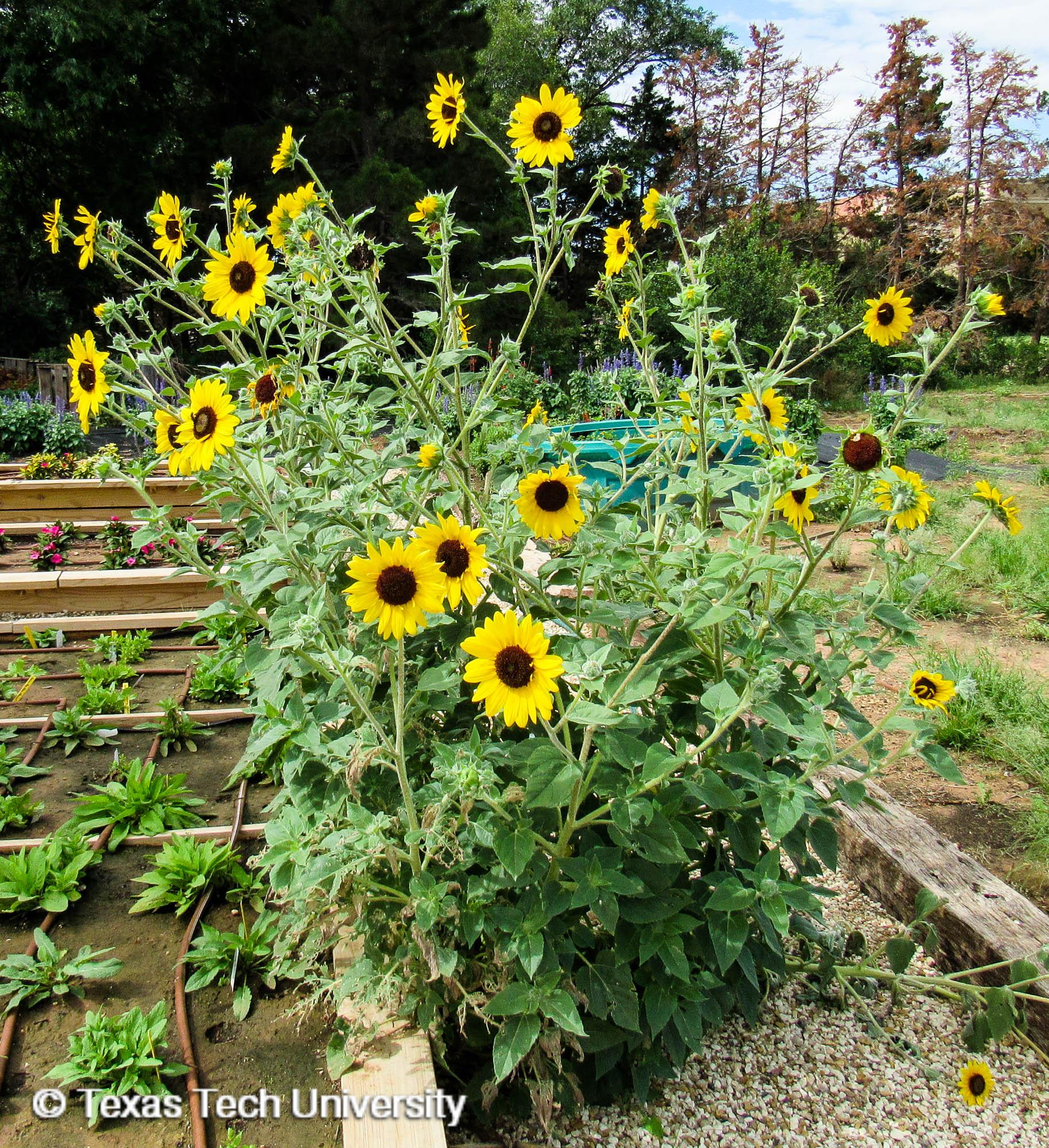
Growing sunflowers in Texas is a rewarding endeavor that connects you with the natural beauty and vibrant spirit of the state. By understanding the regional climatic nuances, choosing appropriate varieties, and employing good gardening practices, you can cultivate breathtaking displays of these golden giants. Whether you’re aiming for towering specimens in your backyard or vibrant blooms to brighten a cityscape like Austin or Dallas, the principles remain the same. Imagine strolling through fields reminiscent of those found near San Antonio, or enjoying the simple pleasure of a sunflower gracing your own porch in a city like Houston. These cheerful flowers are a testament to the resilience and beauty that can be cultivated across the diverse landscapes of Texas, bringing joy and a splash of sunshine to all who behold them. From the coastal plains to the rolling hills, Texas offers a canvas for these magnificent blooms, inviting gardeners to sow seeds of happiness and watch them grow.
LifeOutOfTheBox is a participant in the Amazon Services LLC Associates Program, an affiliate advertising program designed to provide a means for sites to earn advertising fees by advertising and linking to Amazon.com. Amazon, the Amazon logo, AmazonSupply, and the AmazonSupply logo are trademarks of Amazon.com, Inc. or its affiliates. As an Amazon Associate we earn affiliate commissions from qualifying purchases.