
Tomatoes, the sun-kissed jewels of the garden, are a quintessential part of any summer harvest, especially in a state like Oklahoma where the growing season is both generous and demanding. For aspiring and seasoned gardeners alike in the Sooner State, understanding the optimal planting times for tomatoes is paramount to success. This guide delves into the nuances of when to introduce these beloved plants to your Oklahoma soil, considering the state’s diverse climate zones and the critical factor of frost.
Understanding Oklahoma’s Climate and Tomato Planting Windows
Oklahoma is a state of climatic contrasts, stretching from the Panhandle’s arid plains to the more humid southeastern regions. These variations significantly influence the ideal planting schedule for tomatoes. The primary concern for tomato growers in Oklahoma is the threat of late spring frosts, which can decimate young, tender tomato plants. Conversely, planting too early can expose them to chilling temperatures that stunt growth and affect fruit set.
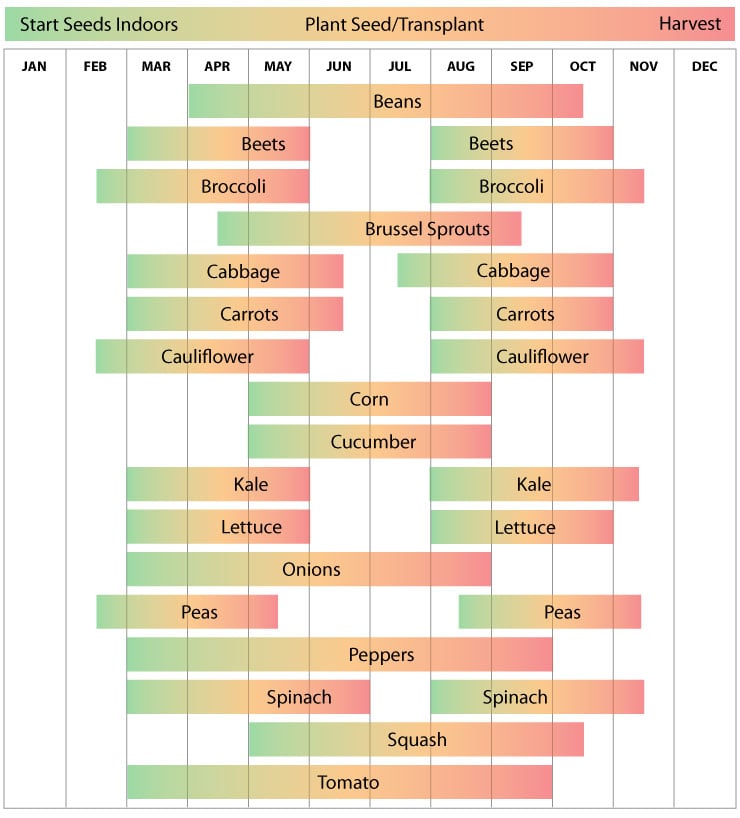
The Critical Role of the Last Frost Date
The most crucial determinant for planting tomatoes outdoors in Oklahoma is the average date of the last spring frost. This date is not uniform across the state. Generally, western and northern parts of Oklahoma experience later frosts than the southern and eastern regions.
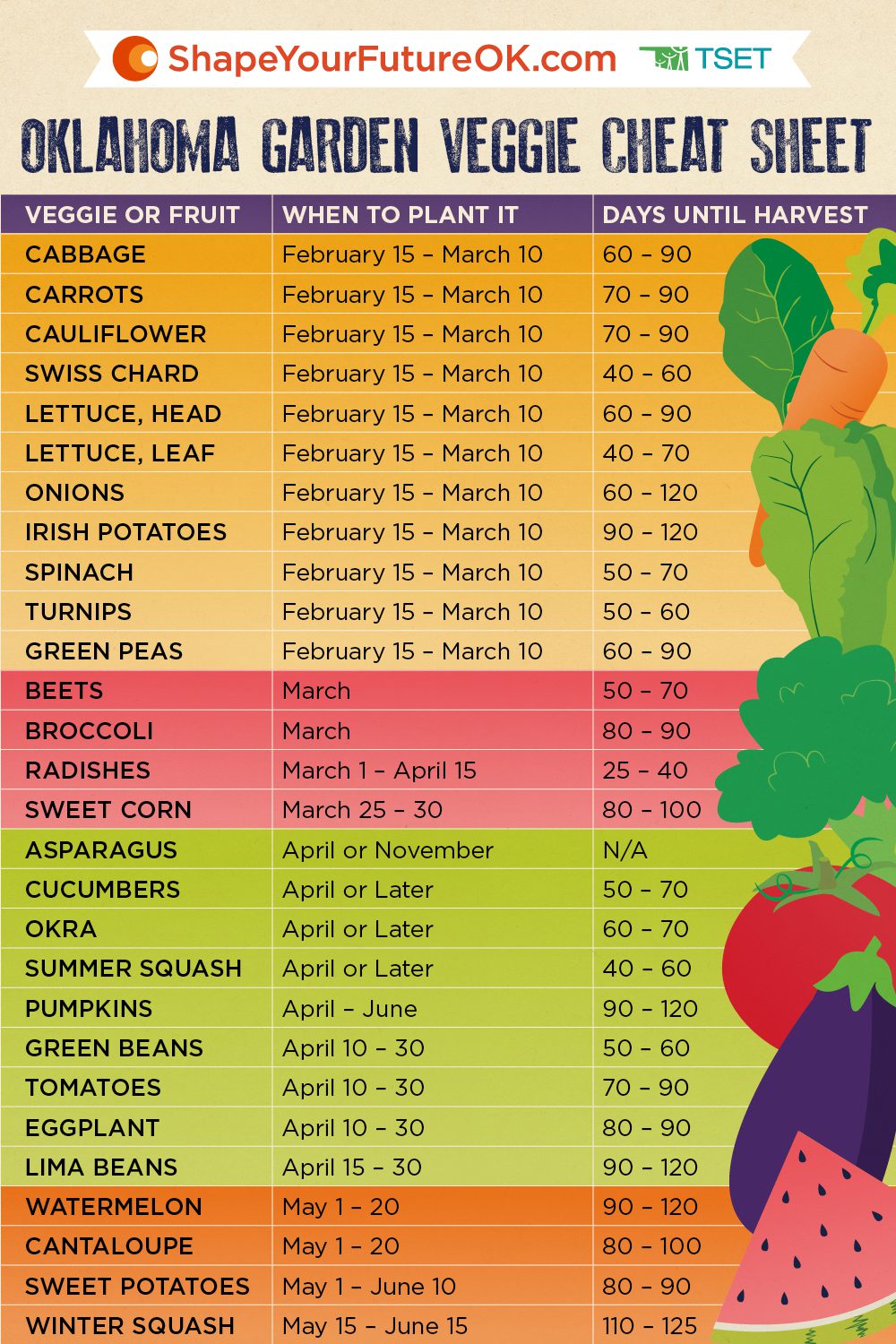
- Northern and Western Oklahoma: These areas typically see their last frost occurring from mid-April to early May. Therefore, planting tomatoes outdoors should ideally commence from late April through mid-May, ensuring the danger of frost has significantly diminished.
- Central and Southern Oklahoma: Regions closer to Oklahoma City and the Red River Valley generally experience their last frost earlier, often in early to mid-April. This allows for a planting window that can begin in early to mid-April, with a cautious approach.
- Southeastern Oklahoma: This region often enjoys the earliest last frost dates, sometimes as early as the first week of April. Gardeners here might be able to start planting their tomatoes outdoors in early to mid-April.
It is highly recommended that gardeners consult local agricultural extension offices or reliable weather resources for the most accurate and up-to-date frost date information for their specific microclimate within Oklahoma.
The “After the Danger Has Passed” Principle
The golden rule for planting tomatoes outdoors is to wait until all danger of frost has passed and the soil temperature has warmed sufficiently. Tomatoes are warm-season crops and thrive in temperatures between 65°F and 85°F (18°C to 29°C). Cold soil can shock young plants, leading to stunted growth, poor root development, and increased susceptibility to diseases.
A good indicator of soil readiness is to check the temperature. Ideally, the soil should be consistently at or above 60°F (15°C) at a depth of about 4 inches. For many parts of Oklahoma, this typically occurs in mid-April for the southern regions and extends into early May for the northern and western areas.
Starting Tomatoes Indoors: Getting a Head Start
For many Oklahoma gardeners, starting tomato seeds indoors is a common and effective strategy to get a head start on the growing season. This allows plants to develop a robust root system and reach a good size before being transplanted into the garden, giving them a better chance of survival and earlier fruit production.
Timing Your Indoor Seed Starting
The general guideline for starting tomato seeds indoors is to do so approximately 6 to 8 weeks before your expected last frost date. This timeframe allows the seedlings to grow to a manageable size without becoming leggy or pot-bound.
- For Northern/Western Oklahoma: If your last frost is expected around early May, you should aim to start your seeds indoors in mid-March.
- For Central/Southern Oklahoma: With last frost dates in early to mid-April, indoor sowing should begin in late February or early March.
- For Southeastern Oklahoma: For those with early April last frost dates, starting seeds indoors in mid- to late February would be appropriate.
Using a soil thermometer can help determine when indoor temperatures are consistently optimal for germination, usually between 70°F and 80°F (21°C to 27°C).
Essential Indoor Seed Starting Practices
Successful indoor tomato seed starting involves providing the right conditions:
- Light: Seedlings require ample light. A sunny south-facing window can suffice, but supplemental grow lights are often necessary to prevent leggy, weak plants. Aim for 14-16 hours of light per day.
- Temperature: Maintain a consistent temperature for germination and growth. Once seedlings emerge, slightly cooler temperatures can be beneficial.
- Soil: Use a sterile seed-starting mix to prevent diseases.
- Watering: Keep the soil consistently moist but not waterlogged. Overwatering is a common cause of seedling death.
- Fertilizing: Once seedlings develop their first true leaves, begin feeding them with a diluted liquid fertilizer every 10-14 days.
Hardening Off Seedlings: The Crucial Transition
Before transplanting seedlings from the controlled environment of indoors to the potentially harsh conditions of the outdoors, they must be gradually acclimated. This process, known as “hardening off,” prepares them for sun, wind, and fluctuating temperatures.
Start hardening off about 7-10 days before your planned outdoor planting date. Begin by placing the seedlings in a sheltered spot outdoors for a few hours each day, gradually increasing the duration and exposure. Bring them in at night if temperatures drop significantly. Over the week, they will become more resilient and ready for their permanent home in the garden.
Transplanting Tomatoes Outdoors in Oklahoma
Once the last frost has passed and the soil has warmed, it’s time to transplant your hardened-off tomato seedlings into their garden beds. The timing is critical, and it directly ties back to the frost dates discussed earlier.
Key Considerations for Transplanting
- Soil Temperature: As reiterated, ensure the soil is consistently above 60°F (15°C). Planting in cold soil is a recipe for disaster.
- Daytime Temperatures: Aim for transplanting when daytime temperatures are reliably in the 60s and 70s (°F) (15-25°C). Avoid periods of extreme heat or cold snaps.
- Cloudy Days: Transplanting on a cloudy or overcast day can reduce transplant shock as the plants are not immediately exposed to intense sun.
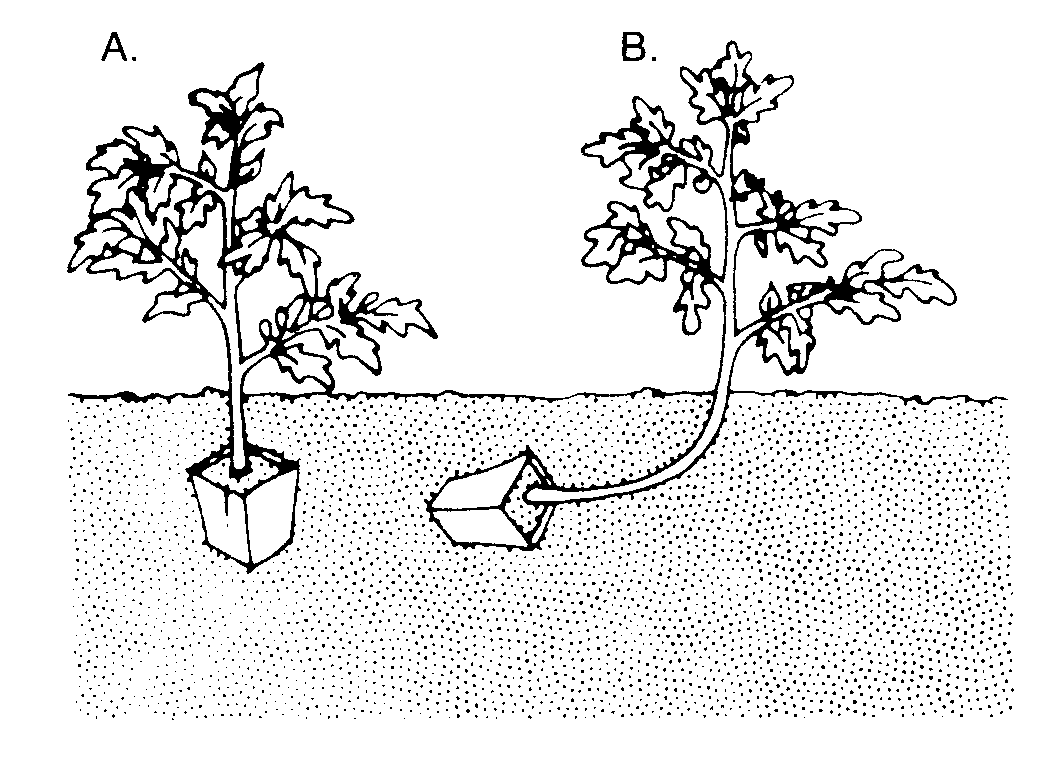
- Planting Depth: Tomatoes benefit from being planted deeply. Remove the lower leaves and bury a portion of the stem. Roots will form along the buried stem, creating a stronger plant.
Regional Planting Windows for Transplanting
Based on the typical last frost dates, here are general transplanting windows for Oklahoma:
- Northern/Western Oklahoma: Mid-April to mid-May.
- Central/Southern Oklahoma: Early April to early May.
- Southeastern Oklahoma: Early to mid-April.
Remember, these are guidelines. Always monitor local weather forecasts closely. A late frost can still occur, and it might be prudent to have frost protection like row covers or cloches ready, especially if planting early in the recommended window.
Planning Your Tomato Varieties for Oklahoma
The optimal planting time can also be influenced by the type of tomato variety you choose to grow. Some varieties are more heat-tolerant or quicker to mature than others, which can be advantageous in Oklahoma’s often hot summers.
Early-Season Varieties
For those eager for the first taste of homegrown tomatoes, early-season varieties are a good choice. These often mature in 55-65 days from transplanting. Planting these slightly earlier, within the recommended window for your region, can lead to earlier harvests. Examples include ‘Early Girl’ or ‘Stupice’.
Mid-Season and Late-Season Varieties
Mid-season varieties typically mature in 70-80 days, while late-season varieties can take 80+ days. In Oklahoma, with its long, hot summers, these varieties usually have ample time to mature if planted within the standard windows. However, it’s crucial to ensure they are planted early enough to allow for full maturation before the first autumn frost.
Heat-Tolerant Varieties
Given Oklahoma’s intense summer heat, selecting heat-tolerant varieties can significantly improve fruit set and quality. Varieties like ‘Heatwave’, ‘Solar Fire’, or ‘Better Boy’ are often recommended for their ability to perform well under high temperatures. These can be planted with confidence during the established planting windows.
Cherry and Grape Tomatoes
These smaller, prolific producers are often quite forgiving and can be planted within the same general timelines as larger varieties. Their vigorous growth and continuous fruiting can extend the harvest well into the late summer and early fall.
Conclusion: Embracing the Oklahoma Growing Season
Successfully growing tomatoes in Oklahoma is a rewarding endeavor that hinges on a keen understanding of local climate patterns and a commitment to observing the subtle cues of nature. By carefully considering your region’s last frost date, preparing your seedlings for the transition, and selecting appropriate varieties, you can ensure a bountiful harvest of delicious, sun-ripened tomatoes. The key is patience: wait for the soil to warm and the danger of frost to pass, and your efforts will undoubtedly bear fruit. Happy gardening!
LifeOutOfTheBox is a participant in the Amazon Services LLC Associates Program, an affiliate advertising program designed to provide a means for sites to earn advertising fees by advertising and linking to Amazon.com. Amazon, the Amazon logo, AmazonSupply, and the AmazonSupply logo are trademarks of Amazon.com, Inc. or its affiliates. As an Amazon Associate we earn affiliate commissions from qualifying purchases.