
Florida’s subtropical climate offers a distinct advantage for cultivating a wide variety of produce, and watermelons are no exception. These sweet, juicy fruits thrive in warm weather, making the Sunshine State an ideal location for growing them. However, timing is crucial for a successful harvest. Understanding the optimal planting windows for watermelon in Florida, considering the state’s diverse regional climates, is key to maximizing yield and enjoying the best possible melons.
Understanding Florida’s Climate Zones for Watermelon
Florida’s geography spans several distinct climate zones, each with its own microclimates that influence agricultural schedules. Generally, these zones are categorized as North Florida, Central Florida, and South Florida. Each region experiences variations in average temperatures, frost dates, and rainfall patterns, which directly impact when watermelon seeds or seedlings should be introduced to the soil.

North Florida
North Florida, encompassing areas like Jacksonville and Tallahassee, experiences a more temperate climate compared to the southern parts of the state. This region has a longer period of cooler weather in the winter and a greater likelihood of occasional frost in the late winter and early spring.
- Spring Planting: The primary planting window for watermelons in North Florida is typically from late February through April. The goal is to plant after the danger of the last frost has passed, usually around mid-to-late March, and when soil temperatures begin to consistently warm up, ideally reaching at least 65-70°F (18-21°C). Early planting increases the risk of cold damage to young plants, while planting too late can lead to reduced yields due to intense summer heat and potential drought.
- Fall Planting (Limited): While not as common or productive as spring planting, a small fall crop can sometimes be attempted in North Florida by planting in early July. However, this is highly dependent on the specific year’s weather patterns, with risks of early fall freezes impacting the harvest.
Central Florida
Central Florida, including cities like Orlando and Tampa, enjoys a warmer climate with milder winters. Frosts are less frequent and typically less severe than in the northern parts of the state.
- Spring Planting: The ideal time to plant watermelon in Central Florida is from mid-February through April. Soil temperatures are usually suitable for planting earlier than in North Florida, often by late February or early March. Planting can continue through April, but growers aiming for the earliest possible harvest should prioritize the earlier part of this window.
- Fall Planting: Central Florida offers a more viable option for a fall watermelon crop. Planting can begin as early as late June or early July. This allows sufficient time for the plants to mature before the cooler temperatures of late autumn arrive. Success in fall planting hinges on adequate rainfall or irrigation and avoiding early cold snaps.
South Florida
South Florida, including areas such as Miami, Fort Lauderdale, and the Florida Keys, has a distinctly subtropical to tropical climate. Winters are very mild, and frosts are exceptionally rare, making it possible to grow crops year-round for certain varieties.
- Spring Planting: The primary and most successful planting season for watermelons in South Florida begins as early as January and extends through March. Planting in January allows the plants to establish themselves before the peak heat of summer and reduces the risk of fruit cracking due to intense, rapid growth.
- Fall Planting: South Florida is the most favorable region for a fall watermelon crop. Planting can commence from August through October. This window takes advantage of the receding hurricane season and the arrival of cooler, less humid weather, which is conducive to fruit development and ripening.
Key Factors Influencing Watermelon Planting Dates
Beyond regional climate zones, several other factors play a critical role in determining the precise timing for planting watermelon seeds or transplants in Florida.
Soil Temperature
Watermelon seeds require warm soil to germinate effectively. Optimal soil temperatures for germination range from 70°F to 95°F (21°C to 35°C). Planting in soil that is too cold will lead to poor germination rates, slow seedling growth, and increased susceptibility to soil-borne diseases. For transplanting, soil temperatures should ideally be above 65°F (18°C). Gardeners can use a soil thermometer to accurately gauge soil temperatures before planting.
Last Frost Date
The most critical factor for spring planting is ensuring that the danger of the last frost has passed. Watermelon plants are highly sensitive to frost and freezing temperatures, which can kill young seedlings or severely damage established plants. Knowing your area’s average last frost date is essential. In North Florida, this might be as late as mid-March, while in South Florida, it could be as early as January. It’s often advisable to wait a week or two after the average last frost date to provide an extra layer of security.
Sunlight and Heat Requirements
Watermelons are sun-loving plants that require at least 6-8 hours of direct sunlight per day. They also need warm temperatures to grow and mature. Ideal daytime temperatures for watermelon growth are between 70°F and 85°F (21°C and 29°C), with nighttime temperatures not dropping below 65°F (18°C). Planting too late in the season means the fruit will mature during the peak of intense summer heat, which can sometimes lead to issues like sunscald or uneven ripening. Conversely, planting too early risks exposing young plants to prolonged periods of cool weather, stunting their growth.

Variety Selection
The specific variety of watermelon you choose can also influence planting timing. Some varieties are bred for faster maturation, while others require a longer growing season. Shorter-season varieties might allow for slightly later planting dates, especially in regions with a shorter optimal growing window. When selecting seeds or transplants, consult the seed packet or plant tag for information on days to maturity and any specific planting recommendations for your local climate. For instance, if you are in a region with a shorter spring growing season, opting for a “Sugar Baby” or other compact, fast-maturing variety might be more successful than a large, long-season melon.
Preparing for Planting
Successful watermelon cultivation begins long before seeds hit the soil. Proper preparation ensures that your plants have the best possible start and are set up for a bountiful harvest.
Soil Preparation
Watermelons thrive in well-drained, fertile soil with a slightly acidic to neutral pH (around 6.0 to 6.8). Before planting, amend the soil with plenty of organic matter, such as compost or well-rotted manure. This improves soil structure, water retention, and nutrient availability. Raised beds can be beneficial, especially in areas with heavy clay soil or poor drainage, to ensure that the roots do not sit in waterlogged conditions. Incorporating a balanced, slow-release fertilizer at this stage can also provide essential nutrients for early growth.
Starting Seeds Indoors vs. Direct Sowing
You have two primary options for starting watermelon plants: starting seeds indoors or direct sowing into the garden.
- Starting Seeds Indoors: For gardeners in North Florida or those wanting an earlier start, beginning seeds indoors 2-3 weeks before the last expected frost can be advantageous. Use peat pots or biodegradable containers to minimize root disturbance during transplanting. Ensure the indoor starting mix is warm and well-drained, and provide adequate light. Transplant seedlings into the garden after all danger of frost has passed and soil temperatures have warmed sufficiently.
- Direct Sowing: Watermelons germinate well when sown directly into the garden. Sow seeds about 1 inch deep and space them according to the variety’s recommendations (typically 3-5 feet apart for vining types, though bush varieties can be planted closer). Ensure the soil is warm and moist before sowing. For direct sowing, it’s generally best to wait until the soil temperature has consistently reached at least 65°F (18°C).
Water and Mulching
Consistent moisture is critical, especially during the germination and fruit development stages. Water the soil thoroughly after planting seeds or transplanting seedlings. Once plants are established, a consistent watering schedule is necessary, particularly during dry periods. Mulching around the base of watermelon plants is highly recommended. Organic mulches like straw or pine bark help retain soil moisture, suppress weeds, regulate soil temperature, and keep developing fruits clean.
Optimizing Harvest and Enjoying Your Florida Watermelons
The culmination of careful planning and diligent care is the harvest. Understanding when to pick your watermelons ensures you enjoy them at their peak flavor and sweetness.
Signs of Ripeness
Several indicators signal that a watermelon is ready to be picked:
- The Tendril: The curly tendril nearest to the melon on the vine will typically turn brown and dry out when the fruit is ripe. This is one of the most reliable signs.
- The Underside Spot (Ground Spot): The part of the watermelon that rests on the ground will change from white or pale green to a creamy yellow or even a deep yellow. A pale spot indicates an underripe melon.
- Sound: Gently tap the watermelon. A ripe melon will produce a deep, hollow sound, often described as a “thump” or “plonk.” An underripe melon will sound dull or metallic, while an overripe one may sound mushy or hollow with a dull thud.
- Appearance: While less reliable than the tendril or ground spot, the skin of a ripe watermelon will typically lose its glossiness and develop a duller sheen. The stripes on striped varieties may also become more pronounced.
Harvesting Techniques
Use a clean, sharp knife or pruning shears to cut the stem connecting the watermelon to the vine, leaving a short piece of stem attached to the fruit. Avoid carrying the melon by this stem, as it can easily break off. Handle the harvested melons carefully to prevent bruising, as this can affect storage life and eating quality.
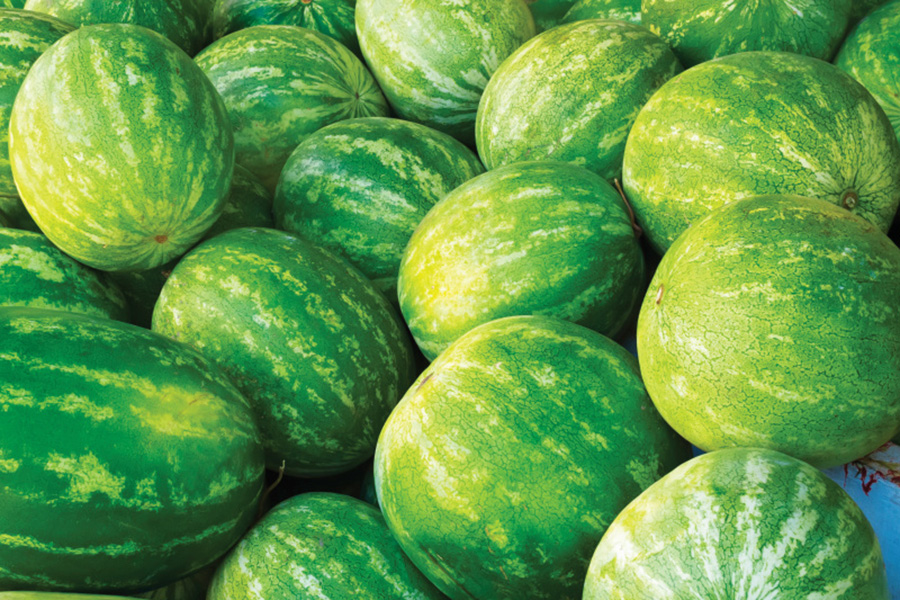
Post-Harvest and Enjoyment
Watermelons are best enjoyed fresh. Once harvested, they can be stored at room temperature for a few days. For longer storage, refrigerate them, but note that prolonged refrigeration can sometimes diminish their flavor and texture.
Florida’s extended growing season, especially in the central and southern regions, allows for multiple opportunities to enjoy this quintessential summer fruit. By carefully observing planting windows and considering the specific microclimate of your location within the state, you can successfully cultivate and savor delicious home-grown watermelons, a true taste of Florida’s bounty. Whether you are visiting Florida’s agricultural heartlands or tending your own garden, the timing of your watermelon planting will significantly impact your success and enjoyment.
LifeOutOfTheBox is a participant in the Amazon Services LLC Associates Program, an affiliate advertising program designed to provide a means for sites to earn advertising fees by advertising and linking to Amazon.com. Amazon, the Amazon logo, AmazonSupply, and the AmazonSupply logo are trademarks of Amazon.com, Inc. or its affiliates. As an Amazon Associate we earn affiliate commissions from qualifying purchases.