
Colorado, a state renowned for its breathtaking landscapes and vibrant natural beauty, offers a unique canvas for the ephemeral magic of wildflowers. From the high alpine meadows to the rolling foothills, the Centennial State transforms into a riot of color each year. For those seeking to cultivate this natural splendor in their own gardens or contribute to local conservation efforts, understanding the optimal timing for planting wildflower seeds is paramount. This guide delves into the intricacies of when to sow wildflower seeds in Colorado, considering the state’s diverse climate zones and the specific needs of various wildflower species.

Understanding Colorado’s Diverse Climate Zones
Colorado’s topography dictates a remarkable variation in its climate. From the arid eastern plains to the snow-capped peaks of the Rocky Mountains, distinct ecological zones present different challenges and opportunities for plant life. Understanding these zones is the first step in successfully establishing a wildflower garden.
The Eastern Plains: Arid and Sun-Drenched
The eastern plains of Colorado, characterized by lower elevations and a semi-arid climate, experience hotter summers and colder winters than the mountainous regions. Rainfall is less predictable, and the soil can be dry. This environment favors hardy, drought-tolerant wildflowers that can withstand intense sun and wind. Planting here requires careful consideration of water availability and the selection of species that are well-adapted to these conditions. Early spring or fall planting is often recommended to take advantage of cooler, moister periods.
The Foothills: Transitional Beauty
The foothills, situated between the plains and the mountains, offer a more moderate climate. They receive more precipitation than the plains but are still subject to temperature fluctuations. This region is often ideal for a wider variety of wildflowers, as it provides a balance of sun and moisture. The transition zone allows for both cool-season and warm-season bloomers, depending on microclimates and elevation within the foothills themselves.
The Rocky Mountains: High-Altitude Wonders
The Rocky Mountains, encompassing the state’s iconic peaks and high-altitude valleys, present the most challenging environment. Short growing seasons, intense solar radiation, and the likelihood of late spring frosts and early fall freezes necessitate specific planting strategies. Wildflowers in these regions are often adapted to harsh conditions, blooming intensely during the brief summer months. Planting here is typically best done in late fall, allowing seeds to overwinter and germinate with the spring thaw.
Optimal Planting Times for Colorado Wildflowers
The “when” of planting wildflower seeds in Colorado is not a single date but a range, dictated by the prevailing climate, the specific seed mix, and the desired outcome. Two primary planting windows emerge: fall and spring.
Fall Planting: The Natural Advantage
Fall planting is often considered the superior method for establishing wildflowers in Colorado. This approach leverages the natural cycle of the seeds and the environment.
The Benefits of Overwintering
When seeds are sown in the fall, typically from September through November, they have the opportunity to undergo a period of cold stratification. This natural chilling process is crucial for breaking seed dormancy in many native Colorado wildflowers. The seeds lie dormant through the winter, protected by a layer of snow, and are then perfectly primed to germinate with the warmth and moisture of the spring thaw. This mimics how wildflowers naturally propagate, often relying on winter snowpack for moisture and cold exposure.
Seed-to-Soil Contact in Cooler Months
Fall planting also ensures excellent seed-to-soil contact, which is vital for germination. As the soil cools and freezes slightly, it can help to press the seeds into the soil, providing the necessary connection for moisture absorption. Additionally, the cooler, moister conditions of fall and early spring are generally more conducive to germination than the drier, hotter periods of summer.
Species Best Suited for Fall Planting
Many of Colorado’s most beloved native wildflowers, such as Columbines, various Penstemons, and Indian Paintbrush, benefit greatly from fall planting. These species often have specific cold-moisture requirements for successful germination. A good rule of thumb is to plant when nighttime temperatures consistently drop below 50°F (10°C).
Spring Planting: A Race Against the Season
While fall planting is often preferred, spring planting is also a viable option, particularly for gardeners who miss the fall window or wish to introduce a broader range of species.
Early Spring: The First Opportunity
The earliest window for spring planting typically begins in March or April, once the ground has thawed and the risk of severe winter storms has passed. This is particularly suitable for the eastern plains and lower foothills. However, the higher elevations of the Rocky Mountains may not be accessible or ready for planting until late May or even June.
Overcoming Dormancy Challenges
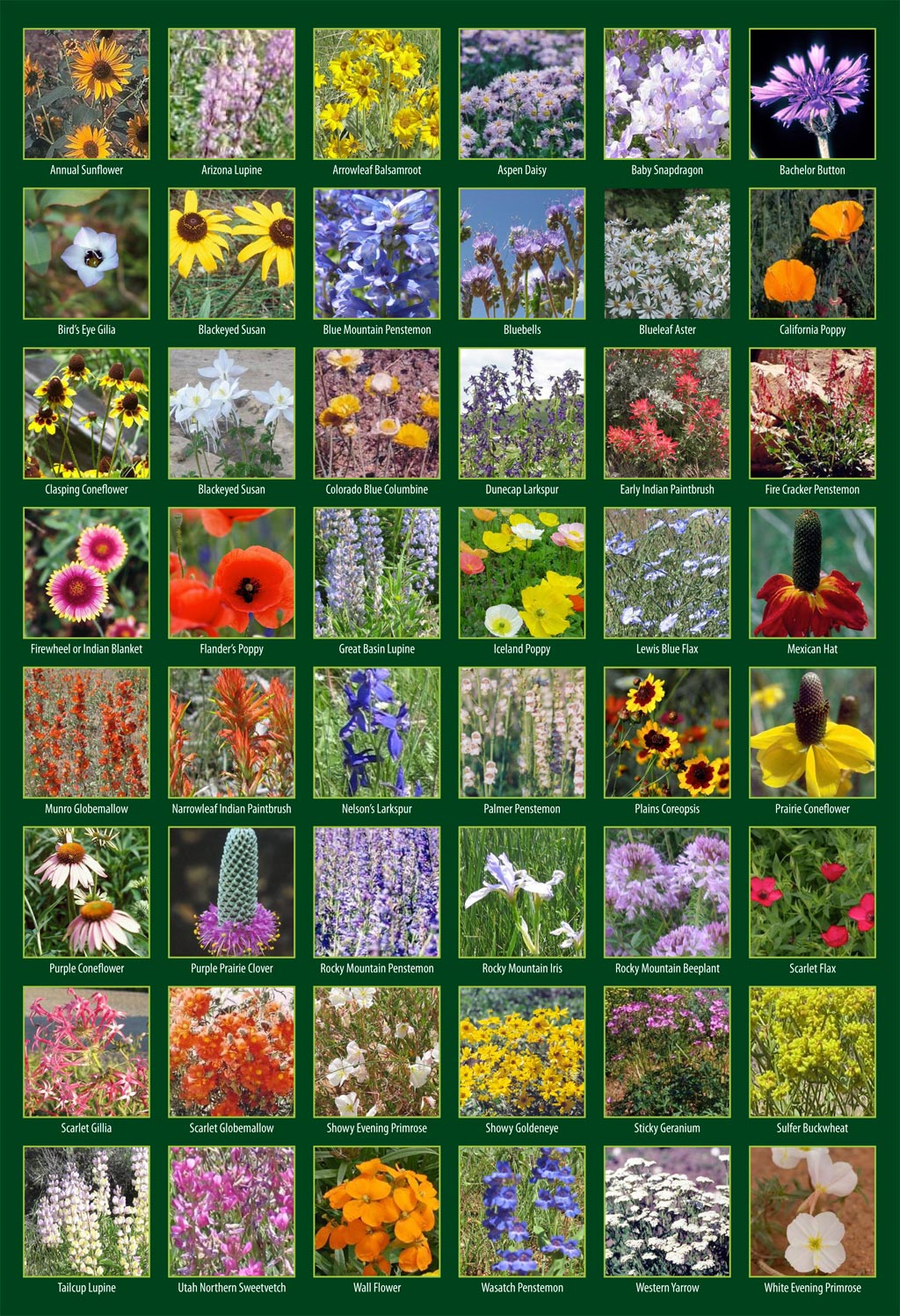
Spring-sown seeds do not have the benefit of natural overwintering for stratification. For species that require a cold period, artificial stratification may be necessary. This involves mimicking the winter conditions by placing seeds in a moist medium (like peat moss or paper towels) and refrigerating them for a specified period before sowing. However, for many wildflower mixes designed for general planting, the natural germination cues in spring are sufficient.
Managing Moisture and Heat
A key challenge with spring planting is ensuring adequate moisture. The spring rains can be unpredictable, and as the weather warms, the risk of seeds drying out before germination increases. Consistent watering is often crucial for success with spring-sown seeds. Furthermore, planting too late in the spring can lead to seeds germinating only to face the intense heat of a Colorado summer, potentially stressing or killing young seedlings.
Key Considerations for Successful Wildflower Planting
Beyond the timing, several factors significantly influence the success of your wildflower planting endeavors in Colorado.
Soil Preparation: The Foundation of Growth
Proper soil preparation is critical for healthy wildflower establishment. While wildflowers are often perceived as low-maintenance, they still require suitable conditions to thrive.
Minimal Disturbance for Native Species
For native wildflower restoration projects, minimal soil disturbance is often the most effective approach. This helps preserve the existing soil structure and microbial communities. However, for a new garden bed, removing existing vegetation and loosening the top few inches of soil can be beneficial.
Improving Drainage and Aeration
Colorado soils can vary from heavy clay to sandy. Improving drainage and aeration is key. Incorporating compost or other organic matter can enhance soil structure, helping retain moisture while preventing waterlogging. Avoid overly fertile soils, as this can encourage weed growth over wildflowers.
Seed Mix Selection: Tailoring to Your Location
The “when” of planting is intrinsically linked to the “what.” Selecting a wildflower seed mix appropriate for your specific Colorado location and desired bloom times is crucial.
Understanding Bloom Times
Wildflower mixes are often designed to provide sequential blooms throughout the growing season. Look for mixes that specify bloom times (e.g., “spring bloomers,” “summer bloomers”) and consider what you want to see in your garden. For example, a mix for the foothills might include early bloomers like lupines and later bloomers like sunflowers.
Altitude and Climate Appropriateness
Always ensure the seed mix is suitable for your altitude and climate zone. A mix designed for the high mountains might struggle on the eastern plains, and vice versa. Many reputable seed suppliers will offer mixes specifically curated for different regions of Colorado.
Watering and Maintenance: Supporting New Growth
While established wildflowers are often drought-tolerant, young seedlings require consistent moisture.
Initial Watering Schedule
After sowing, water the area gently but thoroughly. Maintain a consistent moisture level for the first few weeks, watering whenever the top inch of soil begins to dry. Avoid overwatering, which can lead to fungal diseases.
Long-Term Care
Once established, most native Colorado wildflowers require minimal supplemental watering, especially if planted in a region with adequate natural precipitation. Focus on managing weeds, which can outcompete young wildflowers. In subsequent years, you may need to groom the area by cutting back dead foliage after the first hard frost to encourage new growth.

Embracing the Colorado Wildflower Season
Cultivating wildflowers in Colorado is a rewarding endeavor that connects you with the state’s natural beauty. By understanding the nuances of its diverse climate and adhering to the optimal planting times – fall for overwintering benefits and spring for a second chance – you can create a vibrant tapestry of color that celebrates the unique ecological heritage of the Centennial State. Whether you are planting a small garden in Denver or working on a restoration project in the San Juan Mountains, timing your seed sowing is the most critical step towards a successful and breathtaking display of Colorado’s wildflowers.
LifeOutOfTheBox is a participant in the Amazon Services LLC Associates Program, an affiliate advertising program designed to provide a means for sites to earn advertising fees by advertising and linking to Amazon.com. Amazon, the Amazon logo, AmazonSupply, and the AmazonSupply logo are trademarks of Amazon.com, Inc. or its affiliates. As an Amazon Associate we earn affiliate commissions from qualifying purchases.