
Alaska, a land of unparalleled natural beauty and abundant wildlife, offers some of the most spectacular whale-watching opportunities on the planet. From the colossal humpbacks breaching the surface to the sleek orcas slicing through the frigid waters, witnessing these magnificent marine mammals in their natural habitat is a truly unforgettable experience. However, timing is crucial for maximizing your chances of a sighting. This guide delves into the prime seasons and locations for encountering Alaska’s diverse whale populations.
The Majestic Migrations: Understanding Whale Seasons in Alaska
Alaska’s whale populations are largely migratory, with different species arriving and departing based on feeding grounds, breeding cycles, and seasonal water temperatures. Understanding these patterns is key to planning your Alaskan whale-watching adventure.
Spring Awakening: April to May
As the Alaskan winter recedes, a vibrant marine ecosystem begins to awaken, drawing in the first waves of migrating whales. This is an excellent time for dedicated whale enthusiasts and those seeking fewer crowds.
- Early Arrivals: While not at their peak numbers, early spring can see the arrival of baleen whales, particularly humpback whales, as they make their way from warmer breeding grounds to Alaska’s nutrient-rich waters.
- Orca Encounters: Transient populations of killer whales (orcas) are often present year-round in some areas, but spring can be a particularly good time to spot them as they hunt seals and other prey.
- Gray Whale Passage: The gray whale migration is a remarkable phenomenon, and while the main passage through Alaskan waters occurs a bit later, some individuals might be spotted as they continue their northward journey.
- Sea Otter and Puffin Season: While not whales, other marine life becomes more active in spring. You might see sea otters and puffins returning to their nesting sites, adding to the overall wildlife viewing experience.
The Summer Spectacle: June to August
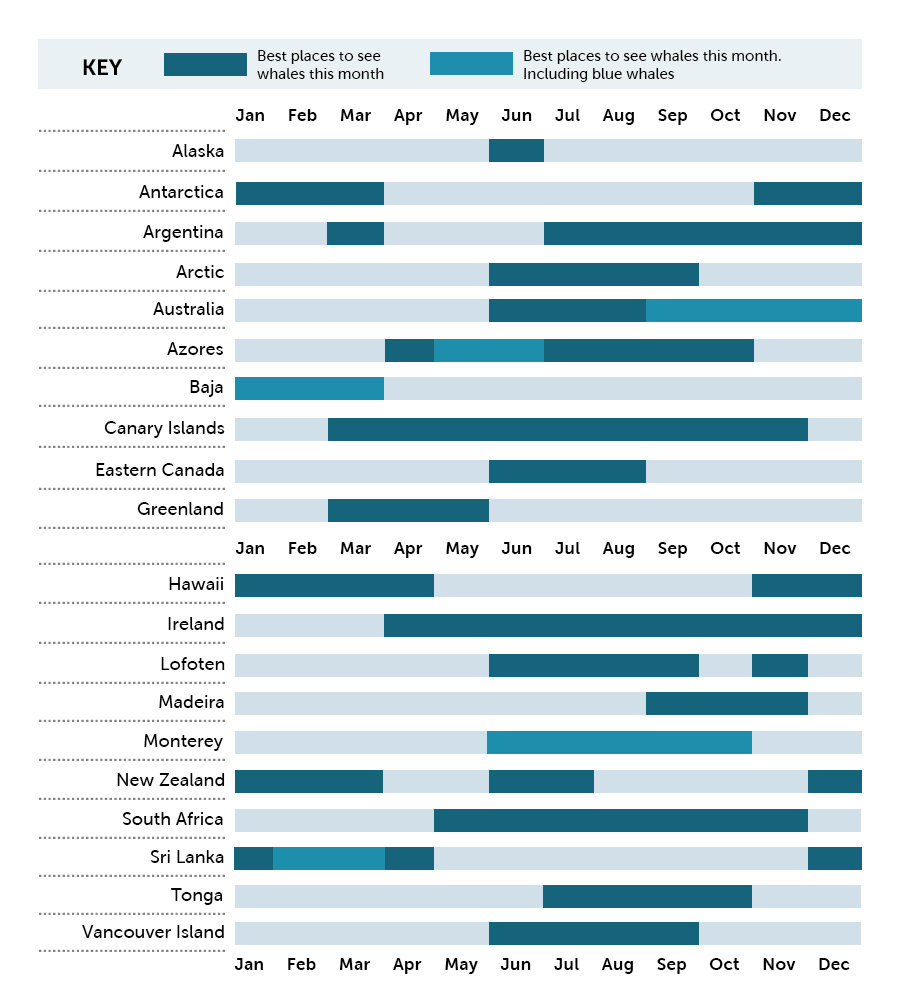
This is widely considered the peak season for whale watching in Alaska, offering the highest likelihood of diverse sightings and active whale behaviors. The long daylight hours also provide ample opportunity for exploration.
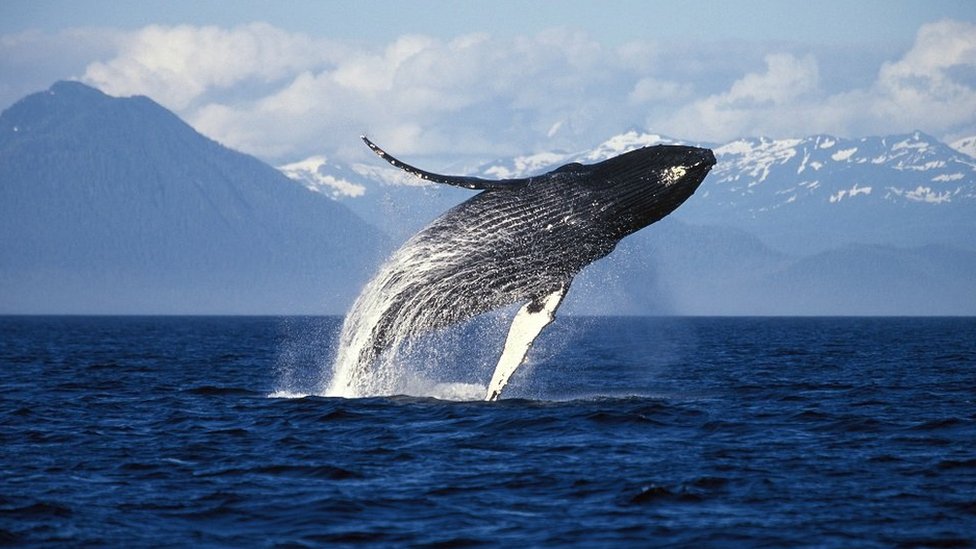
- Humpback Heaven: Humpback whales are the stars of the summer show. Alaska’s rich waters, particularly the Inside Passage, offer abundant food sources like krill and small fish, leading to extensive feeding activity. Expect to witness spectacular breaches, tail slaps, and bubble-net feeding.
- Orca Activity: Both resident and transient killer whale pods are frequently observed during the summer months. Resident orcas primarily feed on salmon, while transient orcas are more opportunistic hunters.
- Minke Whales: These smaller, sleek baleen whales are often seen in Alaskan waters during the summer. They are known for their speed and sometimes elusive nature, making sightings particularly rewarding.
- Dolphins and Porpoises: Various species of dolphins and porpoises, such as Dall’s porpoises and Pacific white-sided dolphins, are commonly encountered, often seen playing in the wakes of boats.
- Other Marine Mammals: Beyond whales, summer is ideal for spotting other fascinating creatures like sea lions, seals, and bald eagles.
Autumn’s Farewell: September
As the summer season winds down, the whales begin their southward migration, offering a final chance to witness their impressive presence before they depart for warmer waters.
- Humpback Departures: You can still catch humpback whales in the early part of September as they fatten up for their journey. Sightings might become slightly less frequent as the month progresses.
- Late Orca Sightings: Killer whales often remain in Alaskan waters for extended periods, and September can still offer good opportunities for observing them.
- Fewer Crowds: While the peak summer rush subsides, September offers a more tranquil whale-watching experience with fewer boats and visitors.
- Stunning Fall Colors: Combine your whale-watching trip with the breathtaking fall foliage that paints the Alaskan landscape, creating a visually stunning backdrop for your adventure.
Prime Whale-Watching Destinations in Alaska
Alaska boasts several world-renowned locations for whale watching, each offering unique advantages and specific whale populations.
Southeast Alaska: The Inside Passage

This intricate network of islands, fjords, and inlets is a biodiversity hotspot and arguably the most popular region for whale watching in Alaska.
- Juneau: As the capital city, Juneau is a major gateway for whale-watching tours. The waters surrounding Admiralty Island and Douglas Island are particularly rich feeding grounds for humpback whales. Many operators depart from Auke Bay.
- Sitka: Located on Baranof Island, Sitka offers excellent whale-watching opportunities in a historically rich setting. The waters off St. Lazaria Island are known for humpback and orca sightings.
- Ketchikan: Known as the “Salmon Capital of the World,” Ketchikan also provides fantastic opportunities to see whales, especially during the summer months. Tours often explore areas around Revillagigedo Island.
- Icy Strait Point: This former cannery town is now a prime wildlife viewing hub. Icy Strait Point is particularly famous for its high concentration of humpback whales and offers a unique blend of cultural and natural heritage.
Southcentral Alaska: Prince William Sound & Kenai Peninsula
This region offers a different but equally spectacular whale-watching experience, with dramatic glaciers and diverse marine life.
- Whittier: Situated at the entrance to Prince William Sound, Whittier is a convenient departure point for exploring the sound’s glacial bays and abundant wildlife. Humpback whales, orcas, and even occasional minke whales are frequently sighted.
- Seward: Located on the Kenai Peninsula, Seward is a vibrant port town offering access to Resurrection Bay and beyond. While known for its proximity to the Kenai Fjords National Park, it’s also a great spot for humpback and orca sightings.
- Homer: At the southern tip of the Kenai Peninsula, Homer, often called the “Halibut Fishing Capital of Alaska,” also offers boat tours that venture into Kachemak Bay and surrounding waters, where whales are often spotted.
Planning Your Whale-Watching Adventure
To ensure a successful and memorable whale-watching trip in Alaska, careful planning is essential.
Choosing the Right Tour Operator
The type of tour you choose can significantly impact your experience.
- Vessel Size: Smaller boats often offer a more intimate experience and can navigate shallower waters, potentially getting closer to wildlife. Larger vessels might provide more stability and amenities.
- Tour Duration: Half-day tours are common, but full-day excursions allow for deeper exploration of whale habitats and increased chances of multiple sightings.
- Expert Guides: Opt for operators with knowledgeable naturalists or marine biologists on board who can provide insights into whale behavior, biology, and conservation efforts.
- Responsible Wildlife Viewing: Ensure your chosen operator adheres to responsible wildlife viewing guidelines, maintaining safe distances and minimizing disturbance to the animals. Look for certifications or affiliations with marine conservation organizations.
What to Pack for Your Trip
Alaska’s weather can be unpredictable, even in summer. Dressing in layers is key.
- Waterproof and Windproof Outerwear: A good quality jacket and pants are essential for staying dry and comfortable.
- Warm Layers: Fleece, wool, or down vests and sweaters will provide necessary insulation.
- Comfortable Footwear: Waterproof, non-slip shoes are recommended.
- Hat and Gloves: Even in summer, these can be crucial, especially on boat excursions.
- Sun Protection: Sunglasses, sunscreen, and a hat are important, as the sun can be intense, and the reflection off the water can be strong.
- Camera and Binoculars: To capture memories and get a closer look at the magnificent creatures.
- Motion Sickness Medication: If you are prone to seasickness, it’s wise to bring medication.
Maximizing Your Chances of Sightings
While nature cannot be guaranteed, certain strategies can increase your odds.
- Timing: As discussed, the summer months (June-August) offer the highest probability of extensive whale activity.
- Location: Focusing on known whale hotspots like the Inside Passage or Prince William Sound increases your chances.
- Patience: Whale watching requires patience. Sometimes, you may need to wait for the animals to appear.
- Listen to Your Guide: Experienced guides often have an instinct for where whales are likely to be found.
- Be Observant: Keep an eye on the water for tell-tale signs like blows (exhalations) or splashes.
Witnessing whales in Alaska is an experience that transcends the ordinary. By understanding the best times to visit and the prime locations to explore, you can significantly enhance your chances of encountering these gentle giants in their breathtaking natural environment. Whether you’re captivated by the acrobatic leaps of a humpback whale or the powerful presence of an orca pod, an Alaskan whale-watching expedition is sure to leave an indelible mark on your soul.
LifeOutOfTheBox is a participant in the Amazon Services LLC Associates Program, an affiliate advertising program designed to provide a means for sites to earn advertising fees by advertising and linking to Amazon.com. Amazon, the Amazon logo, AmazonSupply, and the AmazonSupply logo are trademarks of Amazon.com, Inc. or its affiliates. As an Amazon Associate we earn affiliate commissions from qualifying purchases.