
The story of California is not a singular event but a complex tapestry woven over centuries, involving diverse indigenous cultures, ambitious European explorers, zealous missionaries, Mexican ranchers, and American pioneers. From its geological formation to its modern status as an economic and cultural powerhouse, California’s founding encompasses multiple layers of discovery, conquest, and transformation. To truly appreciate the rich tourism experiences available today—whether it’s exploring ancient native sites, walking the grounds of historic missions, or visiting landmarks that shaped its destiny—one must first delve into its fascinating past. This article will unravel the threads of time, exploring the various “foundings” that contributed to the birth of the Golden State as we know it, offering a unique perspective for travelers, history buffs, and lifestyle enthusiasts alike.
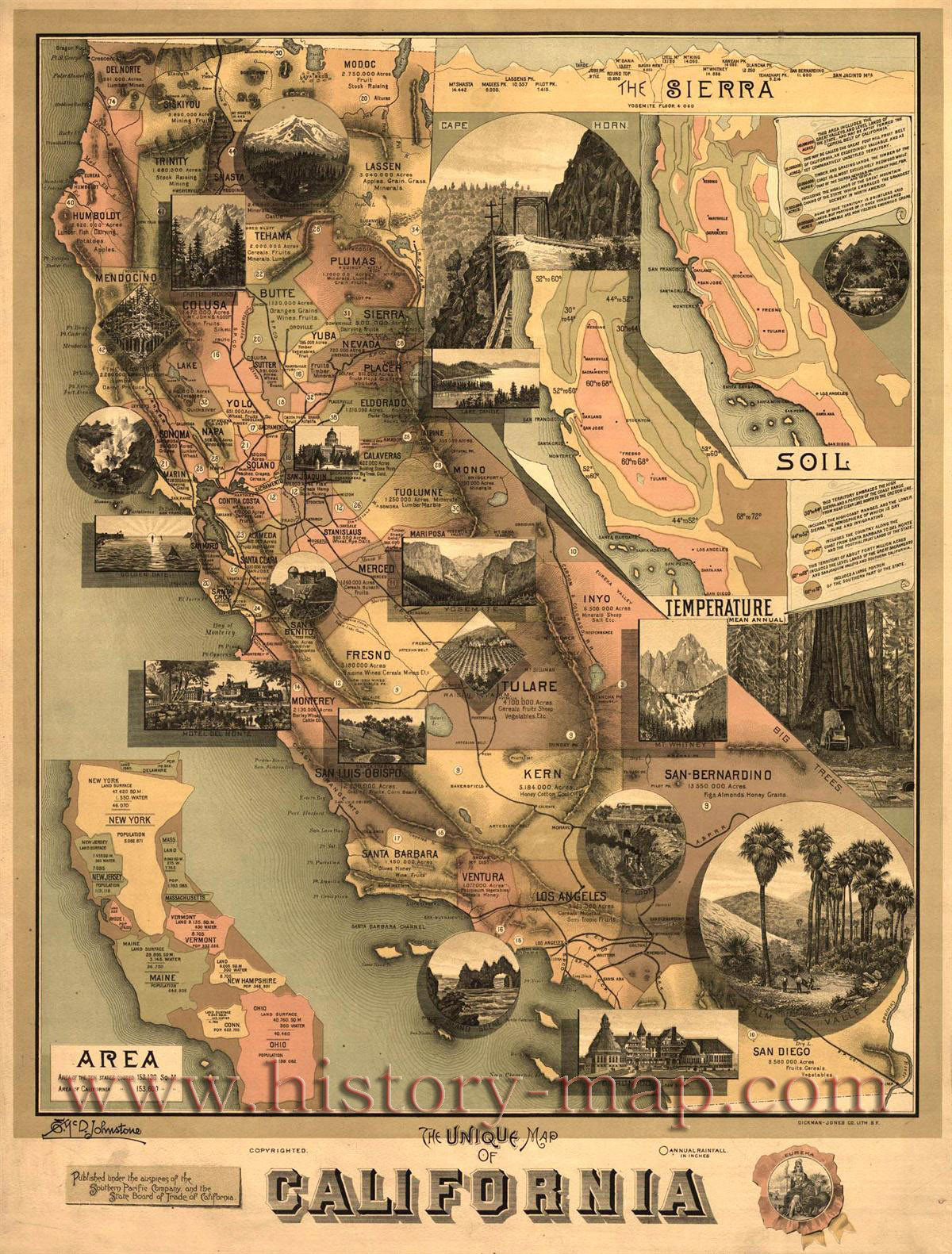
The Dawn of California: Indigenous Roots and Early European Encounters
Long before any European set foot on its shores, the land we now call California was a vibrant mosaic of indigenous cultures, each with its own rich history, languages, and sophisticated societal structures. These communities were the true first founders, establishing deep roots and shaping the landscape for millennia.
A Land Before Time: Native American Heritage
For thousands of years, an estimated 300,000 native people thrived across the diverse Californian landscape, speaking over 100 distinct languages and dialects. Tribes such as the Chumash along the central coast, the Miwok in the Sierra Nevada foothills, and the Tongva in the Los Angeles basin developed sustainable lifestyles intricately connected to their environment. They were adept hunters, gatherers, and farmers, building complex societies, trade networks, and spiritual traditions. Their contributions to the land included sophisticated agricultural practices, advanced basket weaving, and intricate rock art, much of which can still be observed in historical sites and museums across the state.
For travelers interested in local culture and authentic experiences, exploring these ancient sites and learning about the resilience of California’s first inhabitants offers a profound connection to the land. Many state parks and cultural centers today offer insights into their heritage, providing a vital context for understanding the foundational layers of this remarkable region. This indigenous heritage forms the bedrock upon which all subsequent layers of California’s history were built, influencing everything from geographical names to agricultural practices.
Spanish Flags and New Horizons: Exploration and First Landings
The European chapter of California’s founding began in the mid-16th century, driven by the era’s spirit of exploration, the search for new trade routes, and the pursuit of untold riches. While indigenous peoples had long called this land home, it was the arrival of European explorers that marked the beginning of its incorporation into the global colonial map.
The first documented European contact with California occurred in 1542, when Portuguese explorer Juan Rodríguez Cabrillo, sailing under the Spanish flag, discovered what he named San Diego Bay. Cabrillo claimed the region for Spain and explored much of the coast, charting its features and interacting, often peacefully, with the native inhabitants. His expedition provided the first European accounts of the land and its people, laying the groundwork for future Spanish claims. Visitors to San Diego today can explore the Cabrillo National Monument, a landmark that commemorates his expedition and offers breathtaking views of the Pacific Ocean and the city he first sighted. This site serves as a poignant reminder of the early European explorations that would irrevocably alter the course of California’s history.
Decades later, in 1579, English privateer Sir Francis Drake landed somewhere north of San Francisco, likely near today’s Point Reyes, claiming the land for England and naming it “Nova Albion.” While his claim ultimately did not lead to sustained English colonization, it signaled broader European interest in the Pacific coast.
Another significant Spanish expedition followed in 1602, led by Sebastián Vizcaíno. Vizcaíno was tasked with charting the coast more thoroughly and finding suitable harbors. He rediscovered San Diego Bay and sailed further north, naming Monterey Bay, which he praised as an excellent port. Vizcaíno’s detailed maps and favorable reports were instrumental in solidifying Spain’s claims to the region, though actual colonization would not begin for another 160 years. These early voyages, while not leading to immediate settlement, established the initial European “founding” narratives and marked California as a territory of immense strategic and economic potential.
The Spanish Colonial Era: Missions, Presidios, and Pueblos
The true Spanish “founding” of California, in terms of permanent settlements and systematic colonization, commenced in the late 18th century. Driven by concerns over Russian expansion from the north and a desire to secure its northernmost frontiers, Spain embarked on an ambitious program to colonize Alta California, the upper portion of its vast Viceroyalty of New Spain. This era saw the establishment of a network of missions, presidios (military forts), and pueblos (civilian towns) that would fundamentally shape California’s cultural and geographical landscape.
Spearheading Colonization: Father Serra and the Mission System
The spearhead of Spanish colonization was the Franciscan mission system, led by the indefatigable Junipero Serra. In 1769, Serra, accompanied by military governor Gaspar de Portolá, established the first of 21 missions: Mission San Diego de Alcalá. This pivotal event marked the “founding” of colonial California and ushered in a transformative, albeit controversial, period.
Over the next 50 years, the Franciscans established a chain of missions stretching from San Diego north to Sonoma, spaced about a day’s ride apart along what became known as El Camino Real. Each mission served as a religious, cultural, and agricultural center, intended to convert native populations to Christianity, teach them Spanish ways of life, and integrate them into the colonial system. These missions, often built with native labor, were self-sufficient communities with vast land holdings, farms, ranches, and workshops.
Accompanying the missions were four presidios, or military forts, established at San Diego, Monterey, San Francisco, and Santa Barbara. These forts protected the missions and settlers from potential foreign incursions and oversaw the native populations. Additionally, two civilian pueblos were founded: San Jose in 1777 and Los Angeles in 1781, intended to provide agricultural support and a civilian presence. These three types of settlements formed the backbone of Spanish colonial California, laying the administrative and demographic foundations for the state.
For today’s travelers, the California missions are iconic landmarks and popular tourist attractions, offering a window into this significant era. Each mission boasts unique architecture, artifacts, and gardens, providing a tangible link to the past. Many offer guided tours and cultural events. Staying in hotels or resorts near these historic sites can enhance the travel experience, allowing visitors to immerse themselves in the local culture and history. The mission trail offers a unique “road trip” experience, combining historical exploration with scenic drives and opportunities to explore quaint towns and vibrant cities that grew around these foundational sites. However, it is crucial to remember the complex and often tragic impact this system had on the indigenous peoples, whose traditional ways of life were irrevocably altered and many populations decimated by disease and forced labor. This dual legacy is an important aspect of understanding California’s deep and layered history.
Mexican Independence and the American Frontier
The early 19th century brought dramatic shifts to California’s political landscape, transitioning it from a distant Spanish colony to a province of independent Mexico and then, ultimately, to a territory of the United States. This period of transformation was marked by burgeoning international interest, internal struggles, and a dramatic redefinition of land ownership and power.
From Spanish Colony to Mexican Province
The Mexican War of Independence, which began in 1810 and concluded in 1821, saw Mexico achieve sovereignty from Spain. With independence, Alta California became a remote but integral part of the new Mexican nation. This political shift brought significant changes to the mission system. In 1833, the Mexican government enacted secularization laws, dismantling the missions and redistributing their vast lands, theoretically to the native populations, but often to influential Californio families (Mexican citizens of California descent) in the form of large land grants known as “ranchos.”
This period saw the rise of a distinctive Californio lifestyle, centered around cattle ranching and a vibrant hacienda culture. The rancho era, lasting from the 1830s to the 1840s, was characterized by grand estates, rodeos, and a distinct blend of Spanish and Mexican traditions. Many of California’s modern cities, including Los Angeles, San Diego, and Monterey, trace their foundational land grants back to these ranchos. For travelers interested in unique accommodation experiences, some historic rancho-style properties have been converted into charming boutique hotels or resorts, offering a taste of this romantic era. Exploring the remnants of these ranchos or visiting museums dedicated to this period provides insight into a significant chapter of California’s evolution. This shift from mission control to private land ownership profoundly reshaped the economic and social fabric of California, paving the way for further expansion and external interest.
The Bear Flag Republic and the Road to Statehood
As Mexican rule continued, American interest in California grew steadily. Trappers, merchants, and land-hungry settlers began migrating westward, often via the arduous Oregon Trail, eyeing the fertile lands and strategic Pacific ports. The concept of “Manifest Destiny” fueled ambitions for American expansion across the continent, making California an increasingly desirable prize.
Tensions escalated, leading to the Mexican-American War in 1846. Before the official declaration of war reached California, a small group of American settlers, with the encouragement of U.S. Army Captain John C. Frémont, initiated the Bear Flag Revolt in June 1846. They seized the Mexican garrison at Sonoma, declared California an independent republic, and raised a homemade flag featuring a bear and a star—hence the “Bear Flag Republic.” This short-lived republic lasted less than a month before American forces, under Commodore John D. Sloat, formally claimed California for the United States.
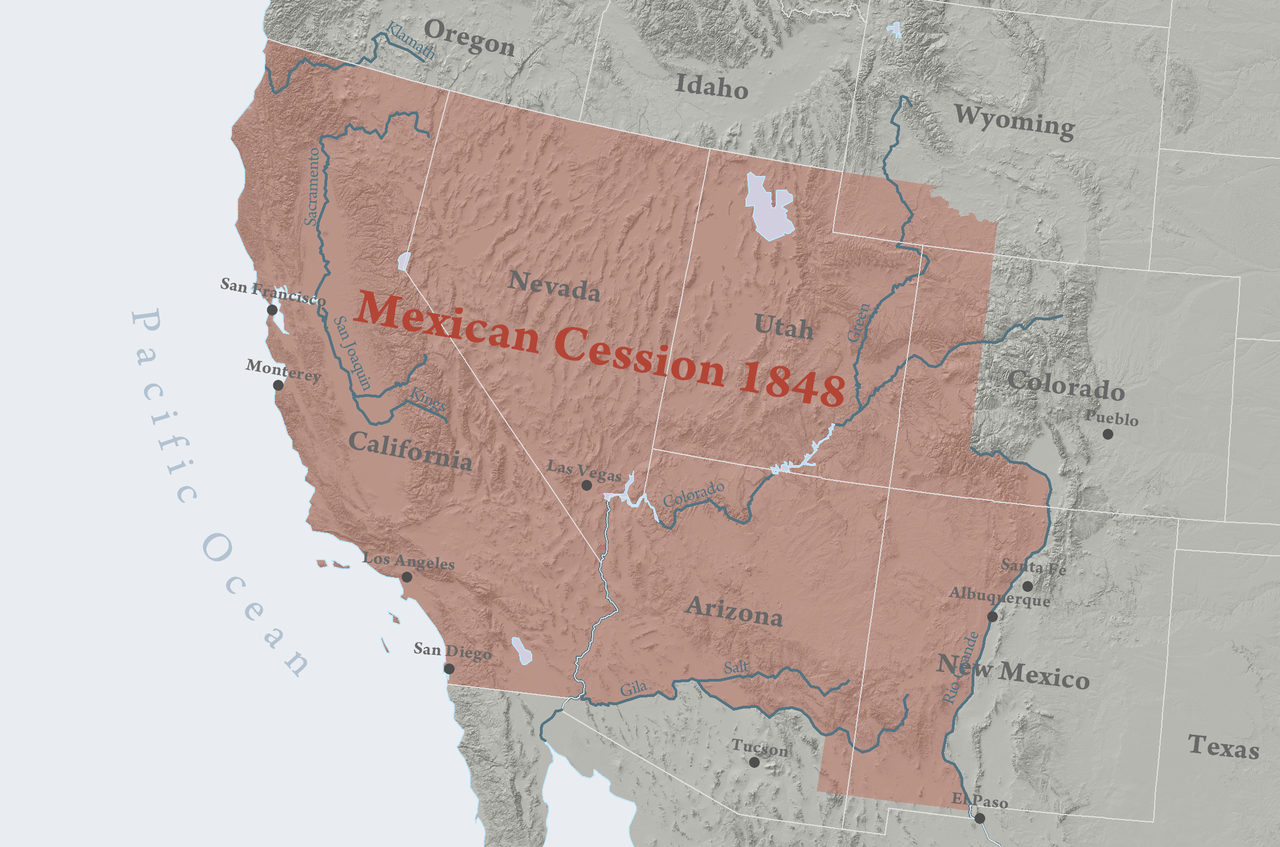
The Mexican-American War concluded with the signing of the Treaty of Guadalupe Hidalgo in February 1848. Under this treaty, Mexico ceded vast territories, including California, to the United States for $15 million. This moment, more than any other, marked the political “founding” of California as an American territory. The treaty dramatically expanded the U.S. and set the stage for California’s final, rapid transformation into a state. Exploring historical sites in Sonoma and Monterey today allows visitors to walk in the footsteps of these pivotal events, immersing themselves in the dramatic story of California’s transition from Mexican to American hands.
The Gold Rush and California’s Rapid Ascent
Just days before the Treaty of Guadalupe Hidalgo was signed, an event occurred that would accelerate California’s development at an unprecedented pace, irrevocably shaping its future and sealing its destiny as a major American state. This event was the discovery of gold.
The Discovery at Sutter’s Mill
On January 24, 1848, James W. Marshall, a carpenter working for pioneer John Sutter, discovered flakes of gold in the American River near Sutter’s Mill in Coloma. Initially, efforts were made to keep the discovery secret, but news traveled fast. By the spring of 1848, and especially after President James K. Polk’s confirmation in December, the world erupted with “gold fever.”
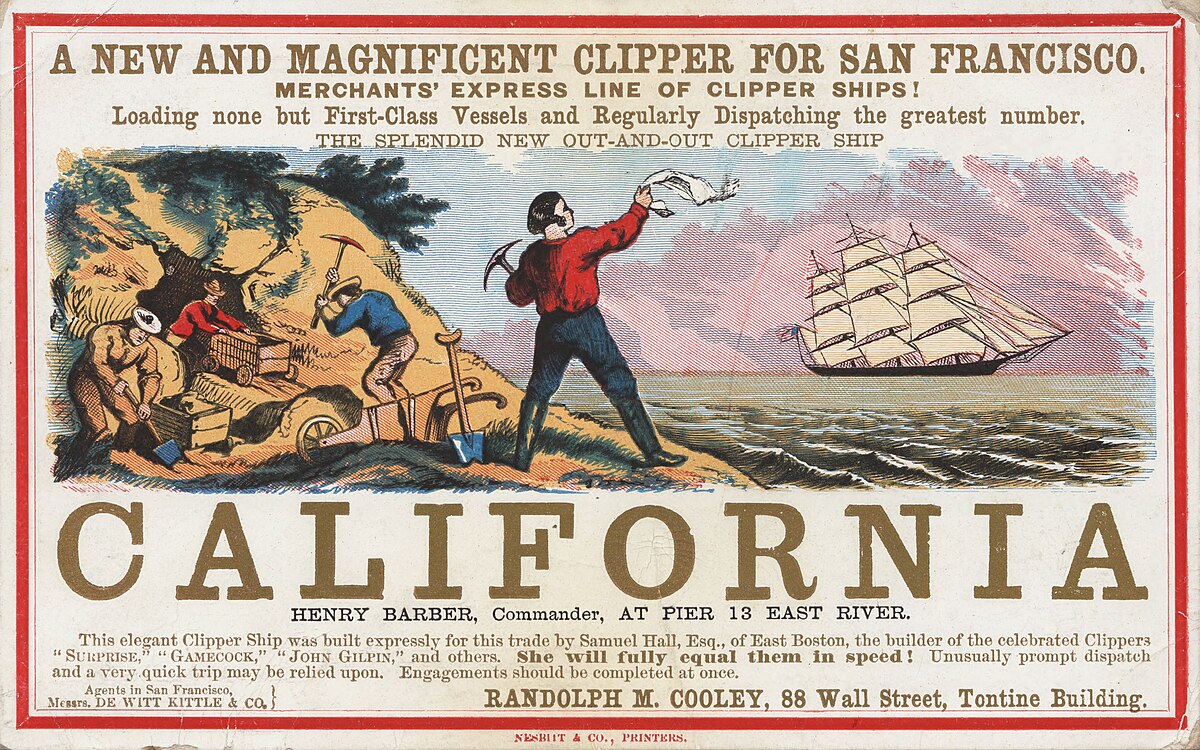
The California Gold Rush brought an astonishing influx of “49ers” (named for the peak year of immigration, 1849) from across the United States and around the globe. Tens of thousands, then hundreds of thousands, poured into California, transforming quiet settlements into boomtowns overnight. San Francisco, a small port town, exploded into a bustling city as ships arrived daily, laden with prospectors and supplies. The Gold Rush was a massive demographic and economic “founding” event, leading to rapid population growth, the development of new industries and infrastructure, and the creation of a distinctly entrepreneurial and diverse society. The impact of this sudden wealth extended beyond the goldfields, attracting merchants, bankers, and professionals who laid the foundations for California’s future economic prowess.
Today, visitors can explore the legacy of the Gold Rush in towns like Coloma, where Sutter’s Fort and various historical parks offer a glimpse into the lives of early prospectors. Many historic hotels and charming bed-and-breakfasts in the Gold Country region cater to tourists, providing a unique blend of history and hospitality, perfect for a family trip or a budget-friendly adventure steeped in history. The enduring allure of the “Golden State” truly began with this shining discovery.
A Golden State: Achieving Statehood
The massive and uncontrolled population surge caused by the Gold Rush created an urgent need for stable governance. With a rapidly growing, diverse, and often lawless populace, California quickly outgrew its territorial status. Its distance from Mexico City, where it was previously governed, and now from Washington D.C., made effective federal oversight challenging.
Recognizing the unique circumstances and the overwhelming desire of its residents, California bypassed the traditional territorial phase and applied directly for statehood. The question of whether California would be a free state or a slave state became a contentious national issue, threatening to upset the delicate balance in Congress. However, it was ultimately admitted as a free state on September 9, 1850, as part of the Compromise of 1850. This date marks the definitive political “founding” of California as the 31st state of the United States.
Upon achieving statehood, California immediately became a pivotal player in the nation’s expansion and development. Its strategic location on the Pacific, its immense natural resources, and its rapidly growing population cemented its status. The state’s constitution, drafted in 1849, reflected its unique blend of American, Mexican, and indigenous influences, including provisions for water rights, mining regulations, and property laws that still resonate today. The Gold Rush era, culminating in statehood, established the independent, pioneering spirit that continues to define the Californian lifestyle.
California’s Enduring Legacy
When was California founded? As we have seen, there isn’t one single answer, but rather a layered history of foundings: the ancient establishment by indigenous peoples, the initial European discovery by Cabrillo in 1542, the colonial settlement spearheaded by Father Serra in 1769, its transition to Mexican rule in 1821, its acquisition by the United States in 1848, and finally, its official statehood on September 9, 1850. Each of these moments represents a significant “founding” that contributed to the identity of the magnificent state we know today.
From the sustainable practices of the Chumash to the enduring architecture of the Spanish missions, from the vibrant rancho culture of the Mexican era to the transformative energy of the Gold Rush, California’s history is a compelling narrative of diverse cultures, dramatic events, and relentless progress. This rich historical tapestry is precisely what makes California such a captivating destination for travelers seeking diverse experiences.
Today, California stands as a global leader in innovation, culture, and economy, yet its past remains vibrantly alive in its landmarks, museums, and the very fabric of its society. Visitors can trace the footsteps of explorers and missionaries, delve into the legacy of the Gold Rush, and immerse themselves in the stories of its indigenous peoples. Whether you’re planning a luxurious escape to a historic resort, a family-friendly tour of iconic attractions, or a budget-conscious adventure exploring local culture, California offers an unparalleled journey through time. Its complex founding story is not just a historical footnote but a living testament to the resilience, diversity, and enduring allure of the Golden State. So, as you plan your next trip, remember that every corner of California holds a piece of its incredible past, waiting to be discovered and appreciated.
LifeOutOfTheBox is a participant in the Amazon Services LLC Associates Program, an affiliate advertising program designed to provide a means for sites to earn advertising fees by advertising and linking to Amazon.com. Amazon, the Amazon logo, AmazonSupply, and the AmazonSupply logo are trademarks of Amazon.com, Inc. or its affiliates. As an Amazon Associate we earn affiliate commissions from qualifying purchases.