
The vibrant, diverse, and often trailblazing region we know today as California officially joined the United States as its 31st state on September 9, 1850. This momentous occasion was not merely a bureaucratic formality; it was the culmination of centuries of exploration, cultural shifts, and a dramatic surge in population fueled by one of the most significant events in American history: the California Gold Rush. Understanding California’s path to statehood offers a fascinating glimpse into the shaping of a nation and reveals the rich tapestry of history that continues to draw travelers from across the globe to explore its storied landmarks and vibrant destinations.
For those planning a travel adventure, delve into California’s past not only provides context for its unique culture and identity but also illuminates the historical significance behind many of its most cherished tourist attractions. From the solemn beauty of ancient Spanish missions to the bustling streets of former mining towns, the journey to statehood laid the foundation for the golden state’s enduring appeal as a premier travel destination, offering a wide array of accommodation options and diverse lifestyle experiences.
The Path to Statehood: A Gold Rush Legacy
The narrative of California’s statehood is intricately woven with discovery, conquest, and the insatiable human desire for prosperity. Long before it was the engine of global technology or a cinematic dream factory, California was a land of staggering natural beauty, inhabited for millennia by diverse indigenous peoples.
Early European Exploration and Spanish Missions
The first European to thoroughly explore the coast of what is now California was Portuguese explorer Juan Rodriguez Cabrillo in 1542, sailing under the Spanish flag. However, it wasn’t until the late 18th century that Spain began serious colonization efforts, prompted by concerns over Russian expansion in Alaska and British presence in the Pacific Northwest.
In 1769, Father Junipero Serra established the first of 21 Spanish missions at San Diego, marking the beginning of Alta California‘s integration into the Spanish colonial empire. These missions, stretching along El Camino Real from San Diego to Sonoma, were designed to evangelize indigenous populations and establish Spanish control. Today, these historic structures stand as poignant landmarks, offering visitors a tangible connection to California’s early colonial past. For instance, Mission San Diego de Alcala and Mission San Juan Capistrano are popular sites for tourism, attracting history buffs and architecture enthusiasts alike. Many are beautifully preserved, offering serene courtyards, museums, and active churches, providing a unique historical travel experience. When planning your visit, consider hotels or resorts in nearby cities that offer easy access to these cultural treasures.
Mexican Rule and the Bear Flag Revolt
Spain’s rule over Alta California was relatively short-lived. In 1821, Mexico gained independence from Spain, and California became a remote northern province of the new Mexican republic. During this period, the mission system declined, and vast ranchos were granted to prominent families, fostering a distinctive Californian lifestyle centered on ranching and agriculture.
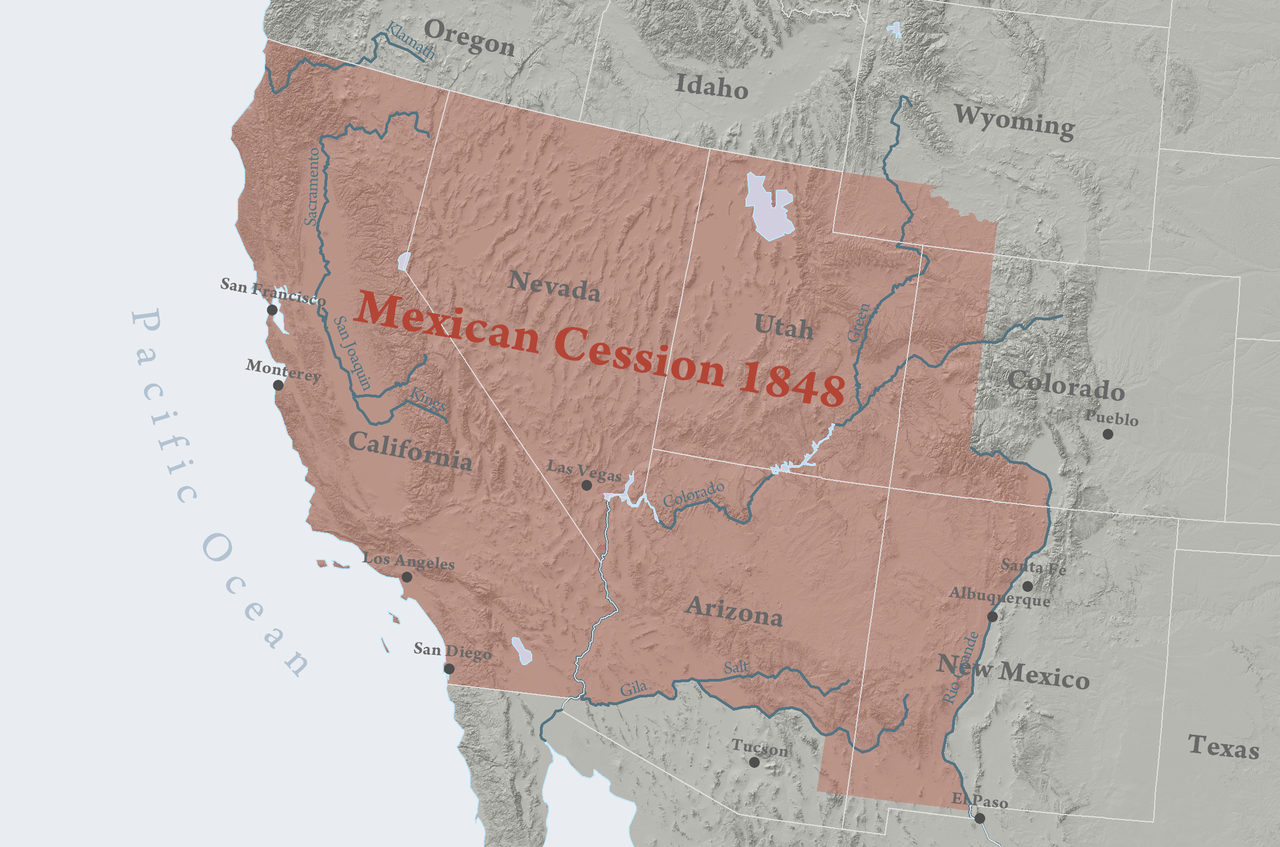
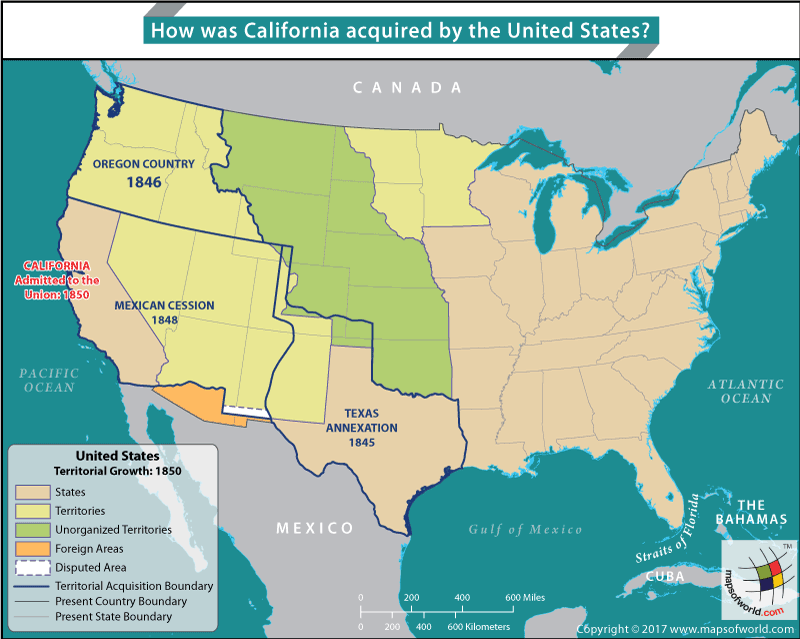
However, Mexican control was tenuous, and American settlers began to trickle into the territory, many of them with expansionist ambitions. Tensions escalated, leading to the Bear Flag Revolt in June 1846. A small group of American settlers, fearing Mexican authority, seized the town of Sonoma and declared the independent California Republic. Their flag, emblazoned with a grizzly bear and a star, became an iconic symbol. This brief revolt coincided with the outbreak of the Mexican-American War (1846-1848), which saw the United States conquer California and formally acquire it through the Treaty of Guadalupe Hidalgo in 1848.
The California Gold Rush: A Catalyst for Growth
Just nine days before the signing of the Treaty of Guadalupe Hidalgo, a discovery at Sutter’s Mill near Coloma fundamentally altered California’s destiny. On January 24, 1848, James W. Marshall, while overseeing the construction of a sawmill for John Sutter, found flakes of gold. News of this discovery spread like wildfire, igniting the California Gold Rush.
The promise of instant wealth triggered an unprecedented mass migration. Hundreds of thousands of ” forty-niners” from across the United States and around the world streamed into California by land and sea. Cities like San Francisco mushroomed overnight, transforming from a sleepy village into a bustling port metropolis. This dramatic influx of people created an urgent need for organized governance, law and order, and infrastructure. Mining camps sprang up, evolved into towns, and then often faded, leaving behind fascinating ghost towns and historic districts that are now prime travel destinations for those interested in American history. Columbia State Historic Park in the Gold Country offers a living history experience, allowing visitors to walk through a meticulously preserved 1850s mining town, complete with stagecoach rides and costumed interpreters. For modern travelers exploring this region, a range of hotels and quaint bed and breakfasts provide comfortable accommodation, blending historical charm with modern amenities, catering to various lifestyles from luxury travel to more budget-friendly options.
A Nation Divided: California’s Complex Entry
The decision to grant California statehood was not straightforward; it became entangled in the volatile national debate over slavery, threatening to destabilize the delicate balance between free and slave states in the United States Congress.
The Compromise of 1850
The California Gold Rush had created a unique demographic in California. The vast majority of its new residents, seeking individual prosperity, had little interest in establishing a slave-based economy. Consequently, when California drafted its constitution in 1849, it unequivocally prohibited slavery. This move, while reflecting the wishes of Californians, ignited a political firestorm in Washington D.C.
Admitting California as a free state would upset the precarious balance of power in the Senate, where free and slave states held an equal number of seats. The issue became a central component of the much larger national crisis, ultimately leading to the ” Compromise of 1850.” This series of five legislative bills, championed by figures like Henry Clay and Stephen A. Douglas, sought to address several contentious issues between the North and South. As part of the compromise:
- California was admitted as a free state.
- The slave trade was abolished in Washington D.C.
- The Fugitive Slave Act was strengthened, compelling Northerners to return escaped slaves.
- New territories (New Mexico and Utah) were organized under popular sovereignty, allowing their residents to decide on the issue of slavery.
- Texas received financial compensation for relinquishing its claims to parts of New Mexico.
The Compromise of 1850 temporarily averted secession and Civil War, but it highlighted the deep divisions within the nation. California’s admission was a critical piece of this complex legislative puzzle, demonstrating its rapid ascent in national importance.
The Official Date: September 9, 1850
After months of intense debate and political maneuvering, President Millard Fillmore signed the bill admitting California to the Union on September 9, 1850. This date is celebrated annually as California Admission Day, a day to reflect on the state’s unique journey and its ongoing influence on the national landscape. For visitors interested in this historical period, the California State Capitol Museum in Sacramento offers exhibits detailing the state’s political development, making it an educational landmark for travelers exploring the state’s capital.
California’s Enduring Legacy: From Gold Rush to Global Destination
The statehood of California marked the beginning of its transformation into a global economic and cultural powerhouse. Its rich history continues to inform its vibrant present, making it an unparalleled destination for every kind of traveler.
Economic and Cultural Impact
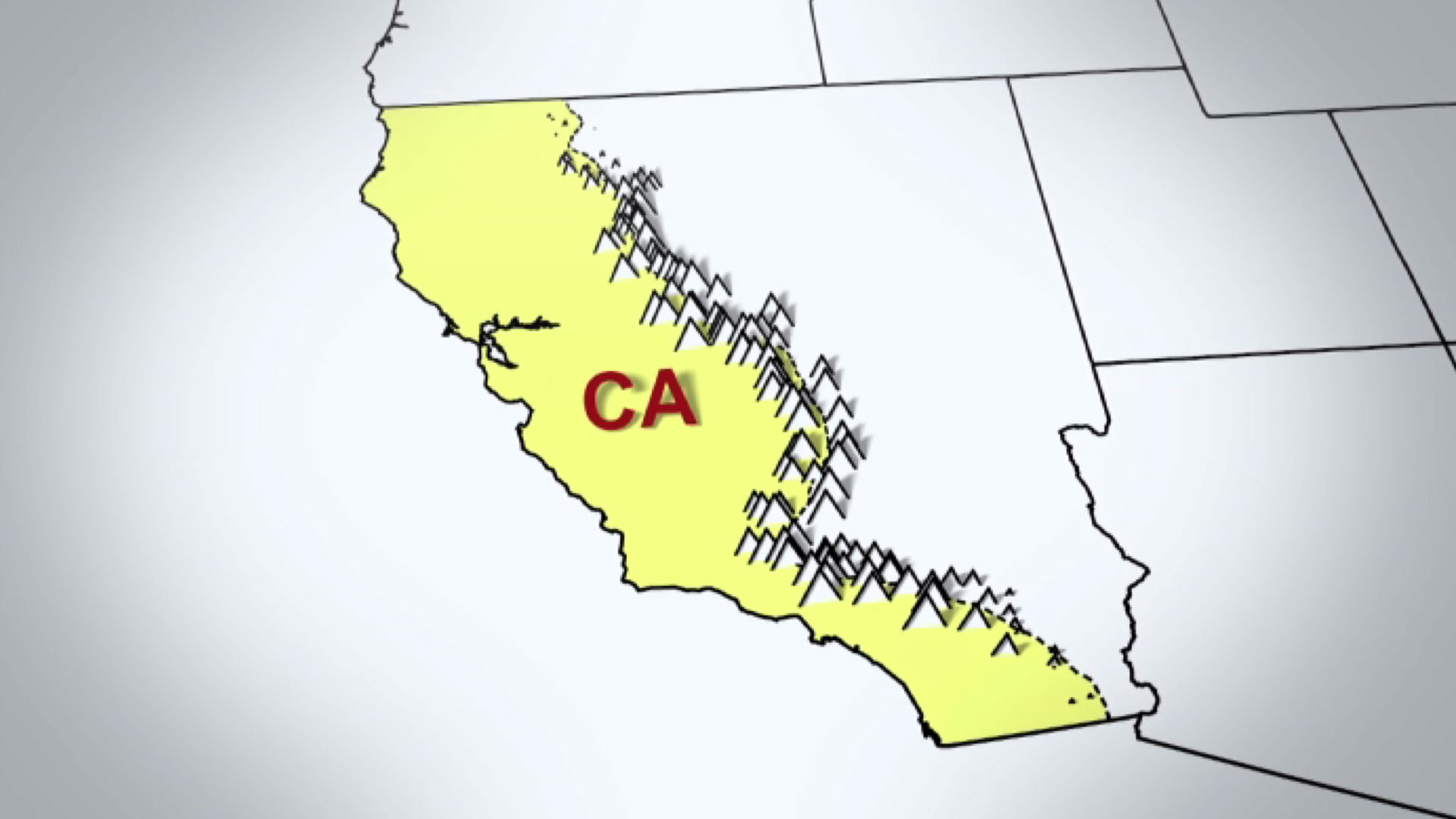
Immediately following statehood, California’s economy diversified rapidly beyond gold. The state’s fertile Central Valley (often called the San Joaquin Valley in its southern half) became a breadbasket, leading to a flourishing agriculture industry. The transcontinental railroad, completed in 1869, further cemented California’s ties to the rest of the United States, facilitating trade and further migration.
Over the next century, California would lead the way in diverse sectors: from the rise of Hollywood as the global center of entertainment to the pioneering spirit of Silicon Valley, which reshaped the world’s technological landscape. This dynamic growth has fostered a unique culture—one of innovation, diversity, and an inherent embrace of new ideas. Its varied history, from indigenous roots to Spanish missions, Mexican ranchos, and American expansion, has created a melting pot reflected in its culinary tours, cultural festivals, and arts scenes across the state.
Modern California: A Traveler’s Dream
Today, California stands as one of the world’s most sought-after travel destinations, embodying the pioneering spirit of its past while offering an endless array of modern experiences. Its expansive geography boasts everything from sun-drenched beaches along the Pacific Ocean to majestic mountains in the Sierra Nevada, and the stark beauty of deserts like the Mojave Desert and Death Valley.
- Iconic Destinations & Attractions: Visitors can explore the iconic Golden Gate Bridge in San Francisco, immerse themselves in the glamour of Hollywood and the beaches of Santa Monica Pier in Los Angeles, or discover the vibrant Gaslamp Quarter and world-renowned San Diego Zoo in San Diego. Nature lovers flock to the unparalleled beauty of Yosemite National Park, Sequoia National Park, and Joshua Tree National Park for outdoor activities like hiking and camping. For family fun, Disneyland Park and Universal Studios Hollywood remain top draws.
- Diverse Accommodation Options: Reflecting its status as a global hub, California offers an incredible range of accommodation for every lifestyle and budget. From ultra-luxury hotels in Beverly Hills and exclusive resorts in Napa Valley to charming boutique hotels in Carmel-by-the-Sea, vacation rentals in Lake Tahoe, and budget-friendly options in major cities, finding the perfect place to stay is part of the California experience. Whether planning family trips, a romantic getaway, a business stay, or a solo adventure, the choices are abundant, with advanced booking platforms and reviews to guide your decision.
- Thriving Tourism & Lifestyle: California’s tourism sector thrives on its ability to cater to diverse interests. Beyond major cities and national parks, visitors can explore the historic wine regions of Sonoma and Paso Robles, drive the breathtaking Pacific Coast Highway along Big Sur, discover the art scene in Laguna Beach, or enjoy the desert chic of Palm Springs. The state’s progressive spirit, emphasis on health and wellness, and diverse communities contribute to a unique lifestyle that many travelers seek to experience, even if just for a short visit. From vibrant city life to serene natural retreats, California continually reinvents itself while honoring its deep historical roots.
Conclusion
The question “When was California made a state?” finds its answer in the pivotal year of 1850, a time when a burgeoning nation grappled with its identity and future. Admitted on September 9th, 1850, as part of the intricate Compromise of 1850, California’s journey from a remote Spanish outpost to a Mexican province, and finally a U.S. state, was accelerated by the transformative power of the California Gold Rush. This rich history is not merely confined to textbooks; it lives on in the state’s iconic landmarks, diverse cultures, and the boundless opportunities it offers to modern travelers.
From exploring ancient Spanish missions to tracing the footsteps of forty-niners in historic mining towns, California invites you to connect with its past while experiencing its dynamic present. Whether seeking luxury hotels for a pampered escape, budget-friendly options for an adventurous backpacking trip, or family-friendly resorts for a memorable vacation, California’s array of accommodation and tourism experiences caters to every desire. Its story is one of rapid growth, innovation, and an enduring spirit that continues to make it a golden destination for all who seek adventure, history, and a taste of the quintessential American lifestyle. Plan your next travel experience to this fascinating state and discover the layers of history that make California truly unique.
LifeOutOfTheBox is a participant in the Amazon Services LLC Associates Program, an affiliate advertising program designed to provide a means for sites to earn advertising fees by advertising and linking to Amazon.com. Amazon, the Amazon logo, AmazonSupply, and the AmazonSupply logo are trademarks of Amazon.com, Inc. or its affiliates. As an Amazon Associate we earn affiliate commissions from qualifying purchases.