
The vibrant metropolis of Dallas, Texas, a city synonymous with innovation, a thriving cultural scene, and a distinctive Southern charm, holds a rich history that dates back to the mid-19th century. To truly appreciate the sprawling urban landscape and the myriad attractions that Dallas offers today, understanding its origins is key. This journey into the past will explore the pivotal moments and figures that led to the official establishment of this Texan gem.
The Genesis of a City: Early Settlers and Fort Worth
The story of Dallas is intrinsically linked to the expansion westward in the United States and the development of trade routes. Before it was a bustling city, the area was home to indigenous peoples for centuries. However, the modern narrative of Dallas begins with the arrival of European-American settlers in the 1830s and 1840s. The Texas Republic was still a young nation, and pioneers were drawn to the fertile lands and strategic river crossings.
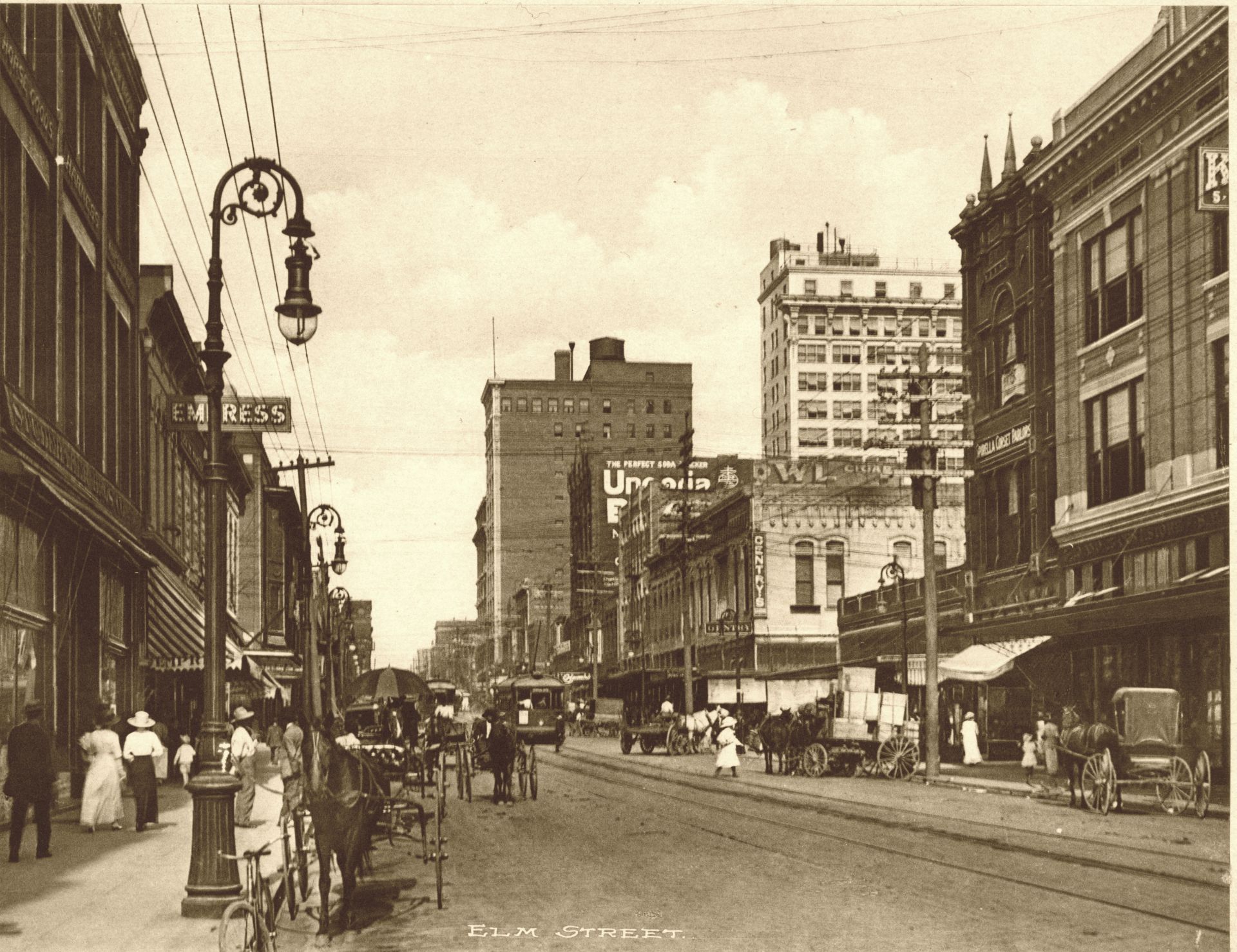
One of the earliest significant figures in the area’s development was John Neely Bryan, a surveyor and entrepreneur who, in 1841, established a settlement on the banks of the Trinity River. Bryan recognized the potential of this location as a trading post, situated at a crucial juncture where trails converged. His vision was to create a hub that would facilitate commerce and connect various burgeoning communities.
Initially, Bryan’s settlement was a modest collection of cabins and tents. It was not long before other settlers, recognizing the advantageous location, began to arrive and stake their claims. The proximity to Fort Worth, another developing settlement, also played a role in the early growth of the region. Fort Worth, established in 1849 as a U.S. military outpost, provided a degree of security and further encouraged westward migration, indirectly benefiting the nascent Dallas community.
The early settlers were drawn by the promise of agricultural prosperity, particularly cotton cultivation, and the opportunity to build a new life in a rapidly expanding territory. The Trinity River served as a vital artery for transportation and trade, carrying goods to and from the fledgling community. This natural resource was instrumental in the early economic viability of the settlement.
Early Growth and Naming Conventions
As the settlement grew, the need for a more formal designation became apparent. While John Neely Bryan is credited with founding the settlement, the naming of the town is a subject with a slightly nuanced history. Various accounts suggest different origins for the name “Dallas,” but the most widely accepted narrative points to the influence of George Washington Dallas, the Vice President of the United States under President James K. Polk.
It is believed that Bryan, along with other prominent settlers, decided to name the town in honor of Vice President Dallas in recognition of his support for Texas’s annexation into the United States. This act of naming was a common practice at the time, reflecting a desire to align with national figures and symbolize the community’s allegiance and aspirations.
By the early 1850s, the settlement was beginning to take on the characteristics of a more established town. Land was being surveyed, businesses were opening, and a rudimentary form of local governance was emerging. The initial population was a mix of farmers, merchants, and tradespeople, all contributing to the gradual development of the community.
The Official Establishment: A Pivotal Year
The year that truly marks the official establishment of Dallas as a recognized entity within Texas is 1856. This was the year the Dallas County was officially organized, and the town was designated as its county seat. This designation was a significant milestone, providing the settlement with administrative authority and solidifying its importance within the region.

The organization of Dallas County meant that Dallas was no longer just a collection of settlers; it was a recognized political and administrative center. This event spurred further growth and attracted more investment, as it signaled a commitment to the long-term development of the area. The county seat status meant that judicial proceedings, land records, and other governmental functions would be centralized in Dallas, attracting legal professionals, clerks, and associated businesses.
The 1850s were a period of considerable expansion for Texas as a whole. The state had officially joined the United States in 1845, and the subsequent years saw a surge in population and economic activity. Dallas, with its strategic location and growing importance as a trading hub, was well-positioned to capitalize on this period of growth.
The Dawn of the Railroad Era
The mid-to-late 19th century also witnessed a transformative development that would profoundly impact Dallas’s trajectory: the arrival of the railroad. The construction of railway lines was a game-changer for settlements across the United States, and Dallas was no exception.
In the 1870s, the Houston and Texas Central Railway extended its lines to Dallas. This marked the beginning of a new era for the city. The railroad provided a faster, more efficient, and more reliable means of transportation for both goods and people. It opened up new markets for agricultural products, such as cotton, and facilitated the import of manufactured goods.
The arrival of the railroad led to an explosion in population and economic activity. Businesses that had previously been limited by the slow pace of wagon transport now had access to a national market. New industries began to emerge, and Dallas quickly evolved from a relatively small trading post into a significant commercial and industrial center. The city’s strategic location, now enhanced by rail connectivity, made it a prime destination for entrepreneurs and investors.
The railroad also played a crucial role in consolidating Dallas’s position as the economic heart of North Texas. As more rail lines converged on the city, it became a central hub for trade and distribution, further cementing its importance. This period of rapid development laid the groundwork for Dallas’s future as a major urban center.
From Frontier Town to Modern Metropolis
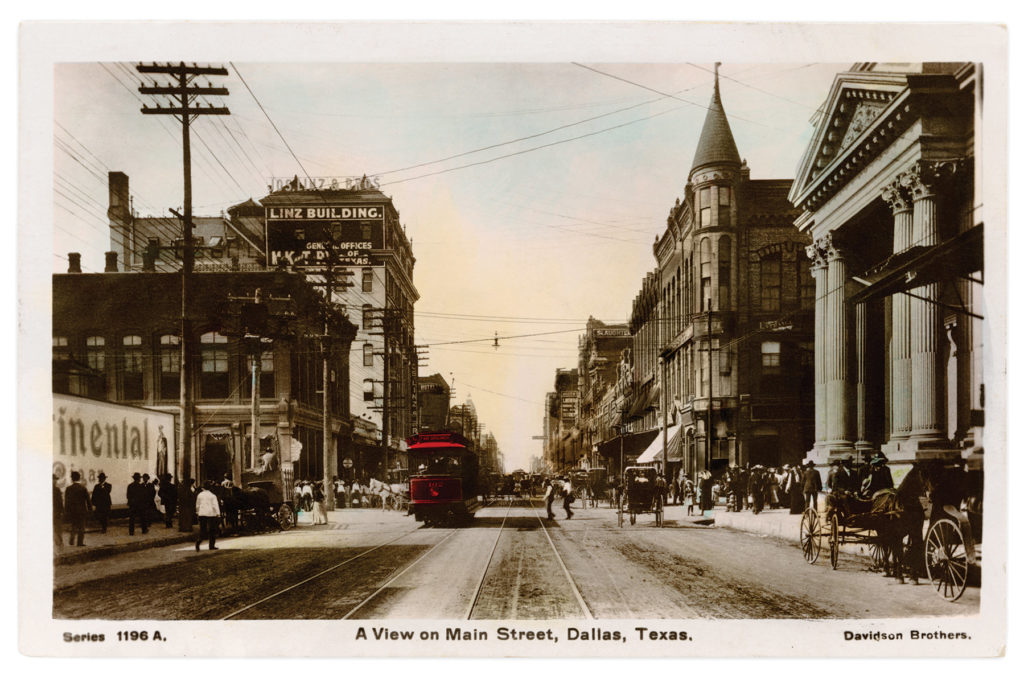
The late 19th and early 20th centuries saw Dallas continue its rapid ascent. The city’s early establishment as a county seat and its embrace of the railroad era provided a strong foundation for sustained growth. By the turn of the 20th century, Dallas was a bustling city with a diverse economy, a growing population, and a burgeoning sense of civic pride.
The city’s development was characterized by a spirit of ambition and a willingness to embrace new technologies and industries. From its origins as a humble trading post on the Trinity River, Dallas transformed into a center for agriculture, manufacturing, and, eventually, a significant player in the oil industry.
The Enduring Legacy of Establishment
The establishment of Dallas, Texas, in the mid-19th century was not a single, instantaneous event, but rather a process that involved the vision of early settlers like John Neely Bryan, the political recognition of its importance, and the transformative impact of infrastructure like the railroad. The year 1856, when Dallas County was organized and the town became its seat, stands as the definitive marker of its official founding.
Today, Dallas is a global city, a major economic powerhouse, and a cultural destination that attracts millions of visitors each year. From the iconic Reunion Tower to the historic Dealey Plaza, the city boasts a wealth of landmarks that tell its story. The vibrant neighborhoods, world-class museums, and renowned culinary scene all owe their existence to the pioneering spirit that first settled the banks of the Trinity River.
Understanding when Dallas was established provides a crucial context for appreciating its dynamic present and its promising future. It reminds us that every great city has a beginning, a story of ambition, perseverance, and the vision to build something enduring. The legacy of those early settlers continues to shape Dallas, a city that has consistently reinvented itself while holding onto its rich historical roots. The initial establishment was merely the first chapter in a long and illustrious history, one that continues to be written with every passing year.
LifeOutOfTheBox is a participant in the Amazon Services LLC Associates Program, an affiliate advertising program designed to provide a means for sites to earn advertising fees by advertising and linking to Amazon.com. Amazon, the Amazon logo, AmazonSupply, and the AmazonSupply logo are trademarks of Amazon.com, Inc. or its affiliates. As an Amazon Associate we earn affiliate commissions from qualifying purchases.