
The name Walt Disney World conjures images of magic, wonder, and unforgettable family vacations. Nestled in the heart of Orlando, Florida, it stands as a testament to visionary ambition and relentless innovation, drawing millions of visitors from across the globe each year. But the question “When was Disney World built?” isn’t as simple as pointing to a single date on a calendar. Instead, it encompasses a multi-decade journey of land acquisition, meticulous planning, monumental construction, and continuous expansion that has transformed central Florida into one of the world’s premier tourism destinations.
The inception of this colossal resort began not with the swing of a hammer, but with the dreams of a pioneering animator and entrepreneur, Walt Disney himself. Following the unprecedented success of Disneyland in Anaheim, California, which opened its gates in 1955, Walt recognized a crucial limitation: Disneyland’s relatively small footprint and its surrounding commercial development left little room for expansion or control over the guest experience outside the park’s gates. He envisioned something far grander for his next project, a sprawling “Experimental Prototype Community of Tomorrow” (EPCOT) that would not only house theme parks but also serve as a living laboratory for urban planning, technology, and sustainable living. This ambition necessitated a vast, undeveloped tract of land, far from the prying eyes of speculators and the encroaching march of urban sprawl.
The Visionary Behind the Magic: Walt Disney’s Dream
Walt Disney’s vision for his second park, often referred to as “The Florida Project,” was born from both the triumphs and the lessons learned from Disneyland. While Disneyland had captivated the world, its success had inadvertently led to a proliferation of motels, restaurants, and other businesses sprouting up just outside its property lines, diluting the immersive experience Walt had strived to create. He realized that to truly control the guest’s journey and maintain the integrity of his magical environment, he needed an enormous amount of land, enough to create a self-contained world.
The search for this ideal location was conducted with utmost secrecy, employing shell corporations and various aliases to purchase vast tracts of swampy, inexpensive land in central Florida. This clandestine operation was crucial to prevent land prices from skyrocketing and to ensure the project’s details remained under wraps until an official announcement could be made. Between 1964 and 1965, over 27,000 acres – roughly twice the size of Manhattan – were acquired in an area primarily comprised of agricultural land and wetlands between Bay Lake and Lake Buena Vista. The initial cost for this massive acquisition averaged about $185 per acre, a fraction of what it would have been if the true buyer had been known.
From Orange Groves to Theme Parks: The Land Acquisition
The covert land purchases were masterminded by Disney executives, primarily Roy P. Disney and Harrison “Buzz” Price, who understood Walt’s absolute need for privacy and control. They used companies like “Latin-American Development and Management Corporation” and “Ayefour Corporation” (a nod to Interstate 4, the major highway traversing central Florida) to make the deals. The scale of the purchases eventually raised eyebrows, and by the mid-1960s, rumors began to circulate about a major development, with some speculating it could be Howard Hughes or Ford Motor Company.
On October 27, 1965, after months of intense speculation, Walt Disney held a press conference in Orlando, officially announcing his plans for what he termed “The Florida Project.” He unveiled concept art and shared his vision for not just another theme park, but an entire resort destination, anchored by EPCOT, a futuristic city that would showcase innovation and provide a model for urban living. He spoke passionately about creating a place where families could escape the everyday and immerse themselves in quality entertainment and experiences. This ambitious plan highlighted Walt’s forward-thinking approach, aiming to blend entertainment with education and urban planning.
Tragically, Walt Disney passed away in December 1966, before construction on his grandest dream could truly begin. His brother, Roy O. Disney, stepped in to ensure Walt’s vision would be realized, famously postponing his retirement to oversee the project. Roy insisted that the entire resort be named “Walt Disney World” to honor his brother and ensure that the world would always remember the man whose imagination started it all. Without Walt’s initial concept, the secretive land acquisition, and Roy’s dedication, the sprawling resort we know today might never have existed.
A Grand Opening and Continuous Expansion
With the land secured and Walt’s vision championed by his brother, the monumental task of transforming thousands of acres of swamp and wetlands into a magical resort began. This involved extensive drainage work, environmental planning, and the construction of an intricate infrastructure system. The early construction phase was as much about creating the foundation for the resort as it was about building the first attractions. Roads, utilities, and a massive network of underground service tunnels (known as “Utilidors”) were built to support the future parks and resorts, all hidden from the guests’ view. This commitment to detail, even in areas never seen by the public, reflects the immersive ethos of Disney.
The entire endeavor was not just about building a park; it was about building an autonomous economic region. To facilitate this, the Florida Legislature, in 1967, created the Reedy Creek Improvement District. This special district effectively grants Disney the authority and responsibility of a county government over its property, allowing it to manage its own services like power generation, waste removal, public safety, and infrastructure planning, significantly streamlining development processes.
Magic Kingdom and the Dawn of a New Era
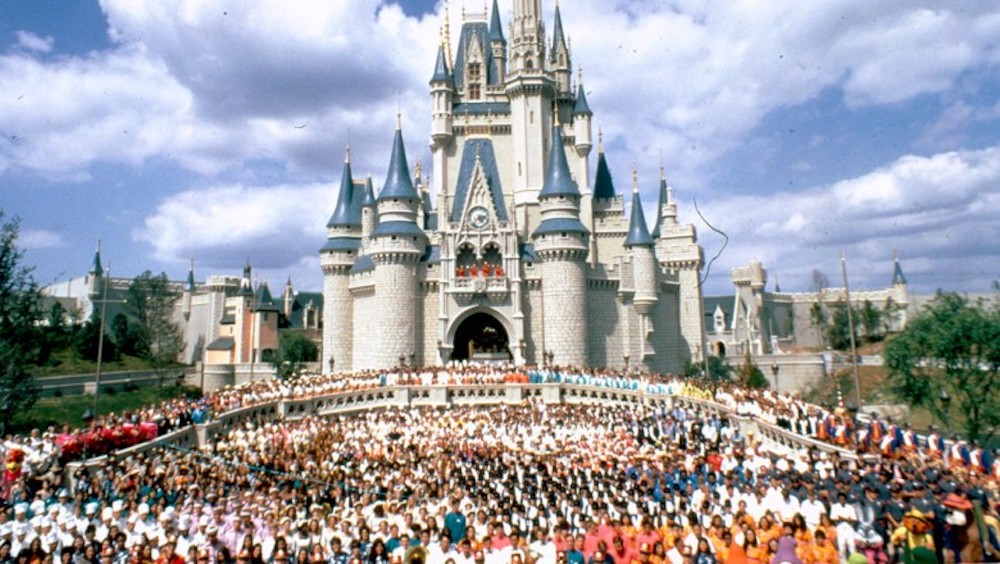
The first theme park to open at Walt Disney World was Magic Kingdom, drawing heavily on the successful formula of Disneyland’s original design but on an even grander scale. Construction of Magic Kingdom, along with the surrounding infrastructure and two initial resort hotels, the Contemporary Resort and the Polynesian Village Resort, began in earnest in the late 1960s.
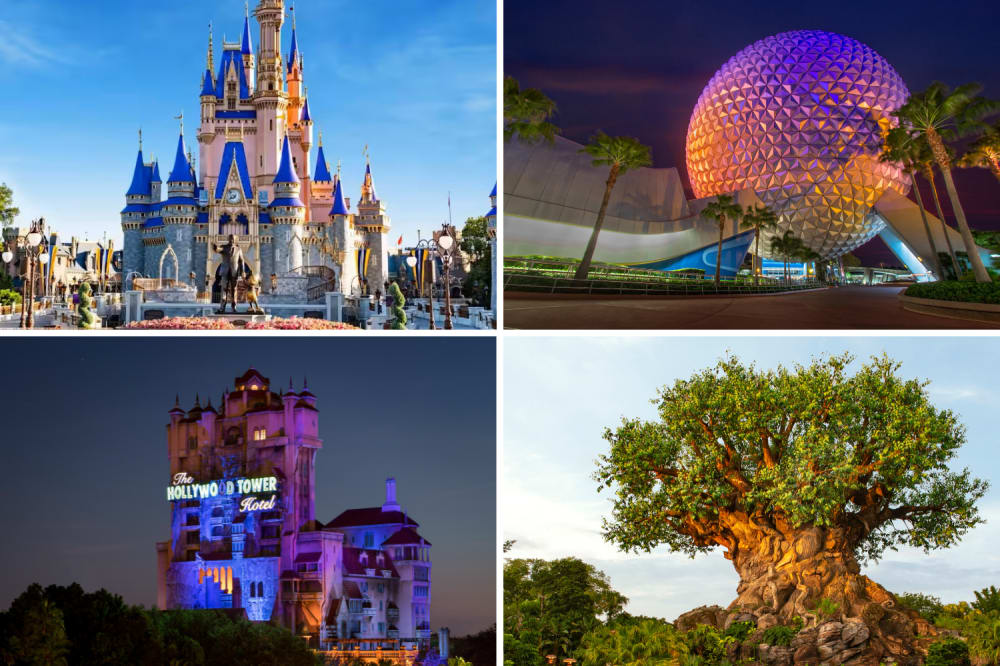
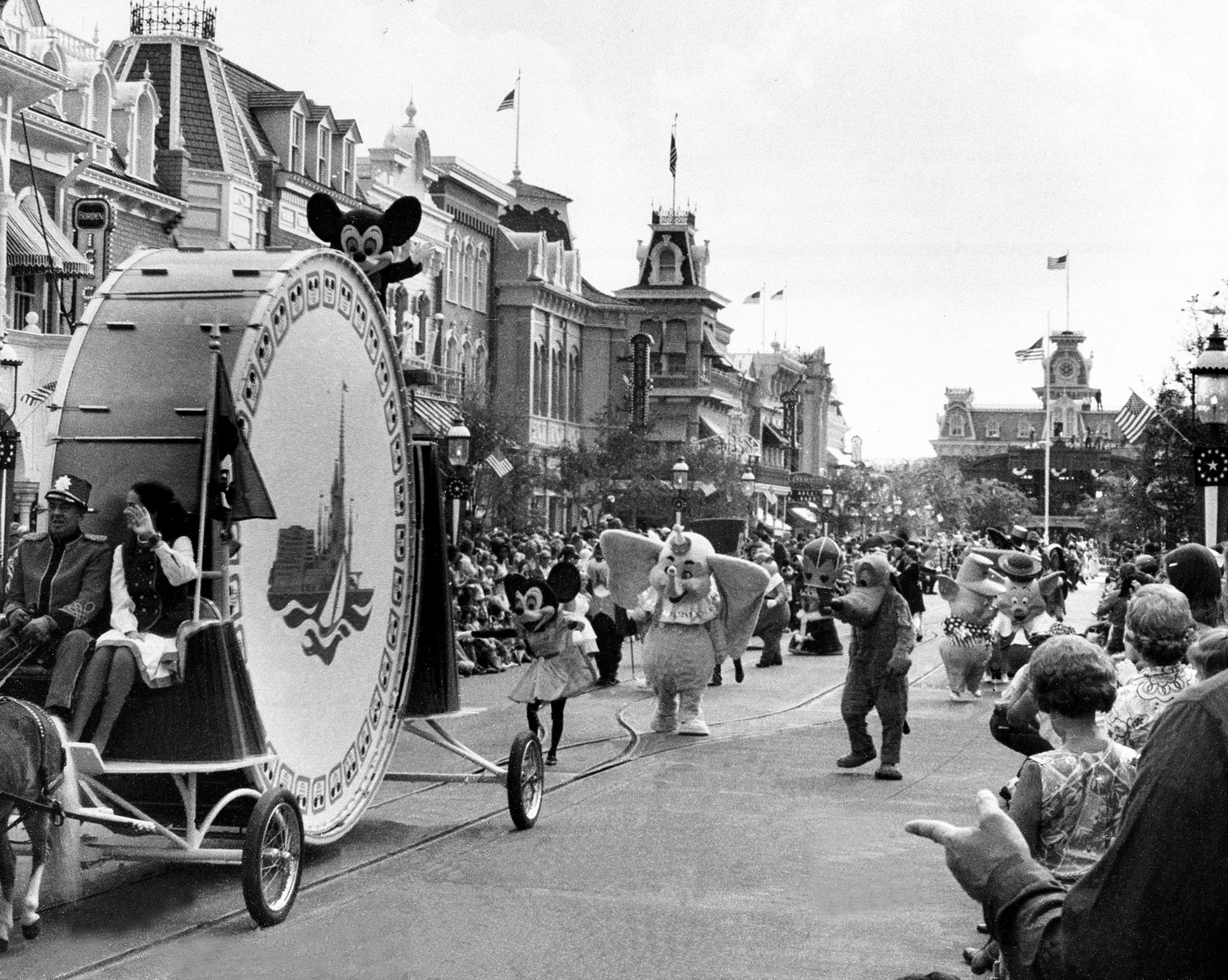
Magic Kingdom officially opened its gates on October 1, 1971. This date marks the foundational opening of Walt Disney World as a destination. The park featured iconic lands like Fantasyland, Adventureland, Frontierland, Liberty Square, and Tomorrowland, all centered around the majestic Cinderella Castle. While the initial attendance was modest compared to today’s numbers, the park quickly established itself as a must-visit attraction, transforming the small city of Orlando into a burgeoning tourism hub. The opening of Magic Kingdom also cemented Walt Disney World as a major player in the global travel industry, setting new standards for themed entertainment and hospitality.
Epcot and the Vision of Tomorrow
The vision of EPCOT, though altered from Walt’s original concept of a living city, found new life in the form of a theme park. Epcot opened on October 1, 1982, eleven years after Magic Kingdom. Divided into two main sections, Future World and World Showcase, Epcot combined technological innovation and global cultural exploration. Future World celebrated human achievement and imagination through attractions focusing on science, communication, and energy, while World Showcase offered guests a journey around the globe, with pavilions representing various countries, complete with authentic architecture, cuisine, and entertainment. Epcot represented a significant expansion of the resort’s offerings, broadening its appeal beyond traditional fairy tales and adventure.
Hollywood Studios and Animal Kingdom: Diversifying the Experience
The expansion didn’t stop there. As the 1980s progressed, Disney recognized the growing market for movie-themed entertainment and a desire to incorporate more nature and conservation themes.
- Disney-MGM Studios (now known as Disney’s Hollywood Studios) opened on May 1, 1989. This park aimed to immerse guests in the glamour and excitement of Hollywood moviemaking, offering behind-the-scenes glimpses, thrilling stunt shows, and attractions inspired by classic films and television. Its opening marked a period of intense competition with other Orlando theme parks, further cementing the region as a theme park capital.
- Disney’s Animal Kingdom opened on April 22, 1998. This park took a different approach, blending traditional theme park rides with live animal exhibits and a strong focus on conservation and natural environments. With its iconic Tree of Life and expansive safaris, Animal Kingdom offered a unique blend of adventure, education, and entertainment, emphasizing Disney’s commitment to storytelling through diverse mediums.
Along with the four main theme parks, Walt Disney World also introduced two spectacular water parks: Typhoon Lagoon, which opened in 1989, and Blizzard Beach, which followed in 1995. The entertainment and shopping district, originally known as Downtown Disney, later transformed into the vibrant Disney Springs, offering an array of dining, retail, and entertainment options.
Beyond the Parks: Resorts, Infrastructure, and the Economic Impact
Walt Disney World is far more than just its theme parks. It’s a self-contained ecosystem designed to provide a complete vacation experience, from arrival to departure. This comprehensive approach aligns perfectly with the website’s focus on Travel, Hotels, Tourism, and Accommodation, showcasing how the resort has mastered the art of creating an all-encompassing destination.
The initial construction of the resort in the late 1960s and early 1970s was a feat of civil engineering and urban planning. It involved not only the theme parks but also an extensive internal transportation system, including monorails, buses, and ferries, connecting guests to the various parks and resorts. The careful planning and massive infrastructure investment meant that Walt Disney World could accommodate millions of visitors annually, offering a seamless and convenient experience.
Accommodation and Amenities: Staying in the Magic
A cornerstone of the Walt Disney World experience is its vast array of accommodations. From the moment the Contemporary Resort and Polynesian Village Resort opened their doors in 1971, Disney set a new standard for themed resorts. Today, the resort boasts over 30 themed hotels, ranging from value resorts offering budget-friendly options to deluxe resorts providing luxury travel experiences with premium amenities.
Examples of these diverse accommodations include the opulent Grand Floridian Resort & Spa, the charming BoardWalk Inn, the tropical Caribbean Beach Resort, the rustic yet refined Port Orleans Resort, and the equestrian-themed Saratoga Springs Resort & Spa, as well as the new Riviera Resort, among many others. There are options for every lifestyle and budget, including villas for longer stays and the unique camping experience at Fort Wilderness Resort & Campground. Each hotel is meticulously themed, extending the immersive magic beyond the park gates and enhancing the overall guest experience. These resorts offer a wide range of amenities, including pools, fine dining, quick-service restaurants, shops, and recreational activities, ensuring that guests can find everything they need within the resort grounds.
The Ever-Evolving Landmark: A Legacy of Innovation
Walt Disney World is not a static landmark; it is a continuously evolving entity. Even after its initial construction and subsequent park openings, the resort has consistently invested in new attractions, technologies, and experiences to keep pace with changing trends and guest expectations. Recent additions like Star Wars: Galaxy’s Edge at Disney’s Hollywood Studios, Pandora – The World of Avatar at Disney’s Animal Kingdom, and the thrilling TRON Lightcycle / Run and Guardians of the Galaxy: Cosmic Rewind at Epcot demonstrate the ongoing commitment to innovation and expansion. These additions are not just rides; they are highly immersive environments that push the boundaries of storytelling and theme park design, reflecting the “Landmarks” and “Experiences” aspects of travel.
The economic impact of Walt Disney World on Orlando and Florida cannot be overstated. It is the largest single-site employer in the United States, providing tens of thousands of jobs and attracting billions of dollars in tourism revenue annually. The resort has been a primary catalyst for Orlando’s transformation from a sleepy agricultural town into a bustling metropolitan area, a global hub for tourism and leisure. Its presence has spurred the development of countless other attractions, hotels, and businesses in the region, creating a vibrant and dynamic travel destination.
In conclusion, the question of “When was Disney World built?” reveals a multi-faceted history. While Magic Kingdom officially opened on October 1, 1971, marking the resort’s grand debut, Walt Disney World has been under a continuous process of building, expanding, and reimagining for over five decades. From Walt Disney’s initial clandestine land purchases in the 1960s to the latest technological marvels, it remains a living testament to creativity, ambition, and the enduring power of dreams. It is a world-renowned landmark, a premier travel destination, and a vibrant hub for tourism, accommodation, and diverse lifestyle experiences, constantly inviting new generations to discover its magic.