
The history of the Flamingo Hotel is synonymous with the transformation of Las Vegas from a dusty desert outpost into the global capital of entertainment and luxury. To understand the legacy of this iconic resort, one must look back to the mid-1940s, a pivotal era that defined the trajectory of the United States gaming industry.
The Origins and Construction of the Flamingo
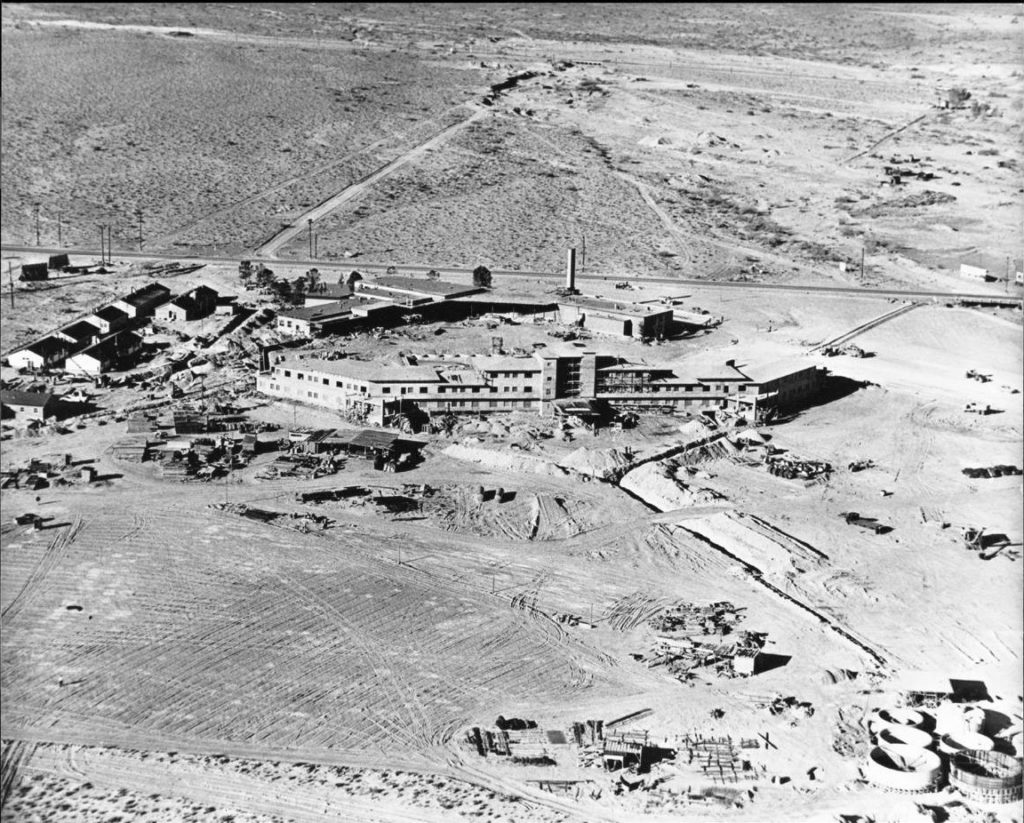
The Flamingo Hotel officially opened its doors on December 26, 1946. However, the story of its inception began well before the first guest checked in. The project was originally conceived by Billy Wilkerson, the publisher of The Hollywood Reporter, who envisioned a resort that brought the glamour of Hollywood to the Nevada desert.

The Vision of Billy Wilkerson
Billy Wilkerson purchased the land on what is now the world-famous Las Vegas Strip in 1945. His vision was ambitious: a property that featured luxurious accommodations, high-end dining, and a casino, all wrapped in a tropical theme that felt lightyears away from the gritty gambling dens that characterized the region at the time. Unfortunately, construction costs escalated rapidly, forcing him to seek financial backing from investors with deep pockets and, inevitably, ties to organized crime.
The Role of Bugsy Siegel
Enter Bugsy Siegel, a notorious figure who saw the potential in Wilkerson’s dream. Taking control of the project, Bugsy Siegel poured millions into the Flamingo Hotel, obsessing over every detail from the pink neon lighting to the exotic landscaping. The construction process was plagued by labor shortages and supply chain issues common in the post-World War II economy. Despite the pressure, the resort finally opened in late 1946, although the initial reception was lukewarm due to a variety of mechanical and operational hurdles.
The Evolution of an Icon
It is difficult to overstate the importance of the Flamingo Hotel in the context of architectural and hospitality history. While it started as a modest endeavor compared to the massive mega-resorts seen today, its structure laid the foundation for the vertical integration of entertainment, leisure, and gaming that defines modern Las Vegas.
Architectural Shifts Over the Decades
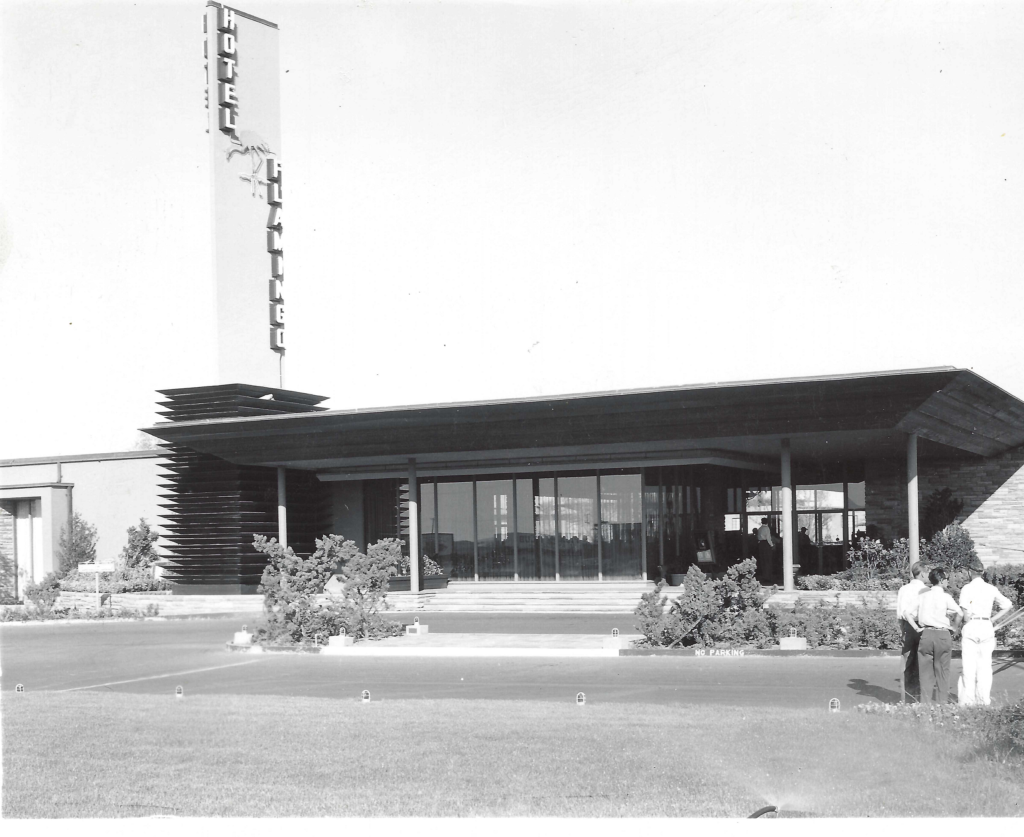
Since its construction in the mid-1940s, the Flamingo Hotel has undergone numerous transformations. The original structures designed by Bugsy Siegel have largely been replaced or extensively renovated. The aesthetic shift mirrors the broader history of Nevada tourism, moving from the mid-century modern aesthetic of the late 1940s to the neon-soaked, high-rise architectural trends of the 1970s and 80s.
Preservation of the Past
Today, visitors to the Flamingo Hotel can still feel a sense of historical gravitas. While none of the original 1946 rooms remain in their exact, archaic state, the spirit of the resort’s founding is kept alive through the Wildlife Habitat, a centerpiece that celebrates the namesake of the property. The evolution of the Flamingo Hotel showcases the inherent adaptability required to survive in the competitive Nevada market.
The Impact on the Las Vegas Strip
The construction of the Flamingo Hotel served as the catalyst for the development of what we now identify as the Las Vegas Strip. Before its arrival, the primary gaming activity in Nevada was centered in Downtown Las Vegas, specifically around Fremont Street.
Shifting the Center of Gravity
By building the Flamingo Hotel well outside the city core, Bugsy Siegel essentially created a new destination. This move proved to be a stroke of genius that shifted the gravity of the hospitality industry. Other resorts, such as The Sands and The Desert Inn, soon followed, cementing the Las Vegas Strip as the ultimate destination for luxury travelers.
A Legacy in Tourism
The success and survival of the Flamingo Hotel have made it a cornerstone of American culture. It is not just a building; it is a landmark that represents a specific era of ambition, risk, and the pursuit of the American dream. Its influence can be seen in the design philosophy of countless other resorts across the United States.
Modern Amenities and Continued Relevance
Today, the Flamingo Hotel operates as a modern resort under the Caesars Entertainment umbrella. While it honors its 1946 origins, it has adapted to meet the demands of contemporary guests. From world-class showrooms hosting RuPaul’s Drag Race Live! to the iconic Flamingo Go Pool, the property continues to draw millions of visitors annually.
Enhancing the Guest Experience
Modern guests expect more than just a place to sleep. They look for experiences that merge history with luxury. By leveraging its unique position as the oldest resort on the Las Vegas Strip, the Flamingo Hotel successfully balances heritage with innovation. The amenities provided today, including extensive meeting spaces, a high-traffic casino floor, and proximity to major attractions like the High Roller, ensure that it remains a vital player in the Nevada economy.
Looking Toward the Future
The question of “When was the Flamingo Hotel built?” is more than a simple trivia answer. It is a portal into the history of American leisure. As the resort approaches its centennial, it remains a testament to the idea that with enough vision, even a patch of desert can be turned into a worldwide sensation. Whether one is a history buff interested in the mid-century roots of the Las Vegas Strip or a traveler looking for a comfortable stay in Nevada, the Flamingo Hotel offers an experience that is as enduring as its neon lights.
In summary, the Flamingo Hotel was constructed in 1946, marking the beginning of a new chapter for the United States. From its tumultuous beginnings under Bugsy Siegel to its current status as a legendary icon, the resort has maintained its relevance through constant evolution, proving that a solid foundation—in both construction and branding—is the key to longevity in the highly competitive world of destination resorts.
LifeOutOfTheBox is a participant in the Amazon Services LLC Associates Program, an affiliate advertising program designed to provide a means for sites to earn advertising fees by advertising and linking to Amazon.com. Amazon, the Amazon logo, AmazonSupply, and the AmazonSupply logo are trademarks of Amazon.com, Inc. or its affiliates. As an Amazon Associate we earn affiliate commissions from qualifying purchases.