
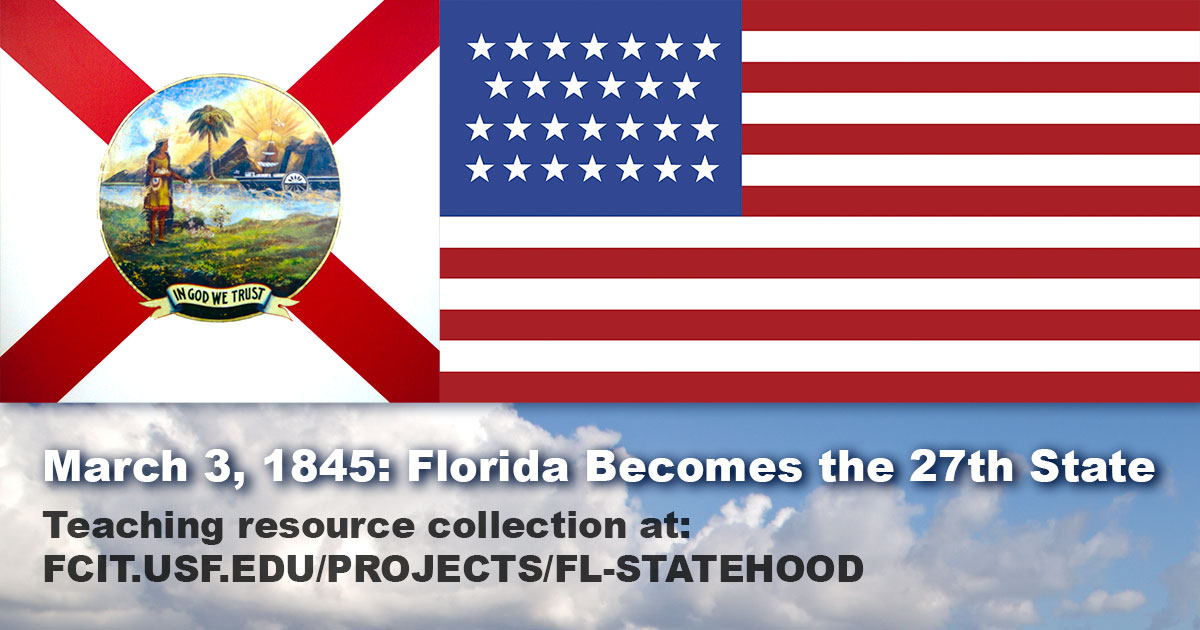
Florida, often celebrated today as the Sunshine State – a land of pristine beaches, thrilling theme parks, and vibrant cultural experiences – holds a rich and complex history that predates its modern-day allure. For travelers drawn to its iconic destinations, understanding Florida’s journey to statehood not only enriches their visit to historic landmarks but also illuminates the diverse cultural tapestry that defines this unique American gem. The question “When was Florida made a state?” delves into a fascinating narrative of exploration, conquest, territorial struggles, and political maneuvering. The definitive answer is March 3, 1845, when Florida officially became the 27th state admitted to the United States. However, the path to this pivotal moment was centuries in the making, leaving an indelible mark on the state’s landscapes, its people, and its enduring appeal as a premier global travel destination.
Early Explorations and Colonial Eras: The Cradle of American History
Florida’s story begins long before American independence, firmly rooted in the age of European exploration and colonial ambition. This initial chapter laid the groundwork for many of the historical sites and cultural influences that visitors can still experience today, offering a unique blend of historical tourism and natural beauty.
The First European Footprints: Ponce de León and Beyond
The year 1513 marks the widely accepted beginning of Florida’s recorded history with the arrival of Spanish explorer Juan Ponce de León. Searching for the fabled Fountain of Youth and new lands, he landed on Florida’s northeastern coast during the Easter season, which the Spanish called Pascua Florida (Flowery Easter). He promptly named the newly encountered land “La Florida.” This initial contact began a long and often turbulent period of Spanish influence, shaping much of the early architecture, religious sites, and place names that travelers encounter in destinations like St. Augustine.
Following Ponce de León, numerous other Spanish expeditions attempted to establish a foothold, often encountering fierce resistance from the indigenous populations. It wasn’t until 1565 that Pedro Menéndez de Avilés successfully founded St. Augustine, making it the oldest continuously inhabited European-established settlement in the continental United States. This historic city, with its well-preserved colonial architecture, cobblestone streets, and the imposing Castillo de San Marcos, stands today as a testament to these early Spanish efforts and remains a top travel destination for history buffs and families alike. Visitors can explore the fort, wander through the historic district, and experience living history museums, truly immersing themselves in Florida’s colonial past. Accommodation options range from quaint bed and breakfasts in historic buildings to modern hotels, offering diverse experiences for every lifestyle and budget.
Shifting Flags: From Spanish Rule to British Control and Back
Florida’s strategic location, guarding the sea lanes to the Gulf of Mexico and the Caribbean, made it a coveted prize among European powers. For nearly 250 years, Florida remained largely under Spanish control, though often challenged by both the French and the British. The First Spanish Period (1565-1763) saw the establishment of missions and fortifications, extending Spanish influence across the peninsula, though sparsely populated.
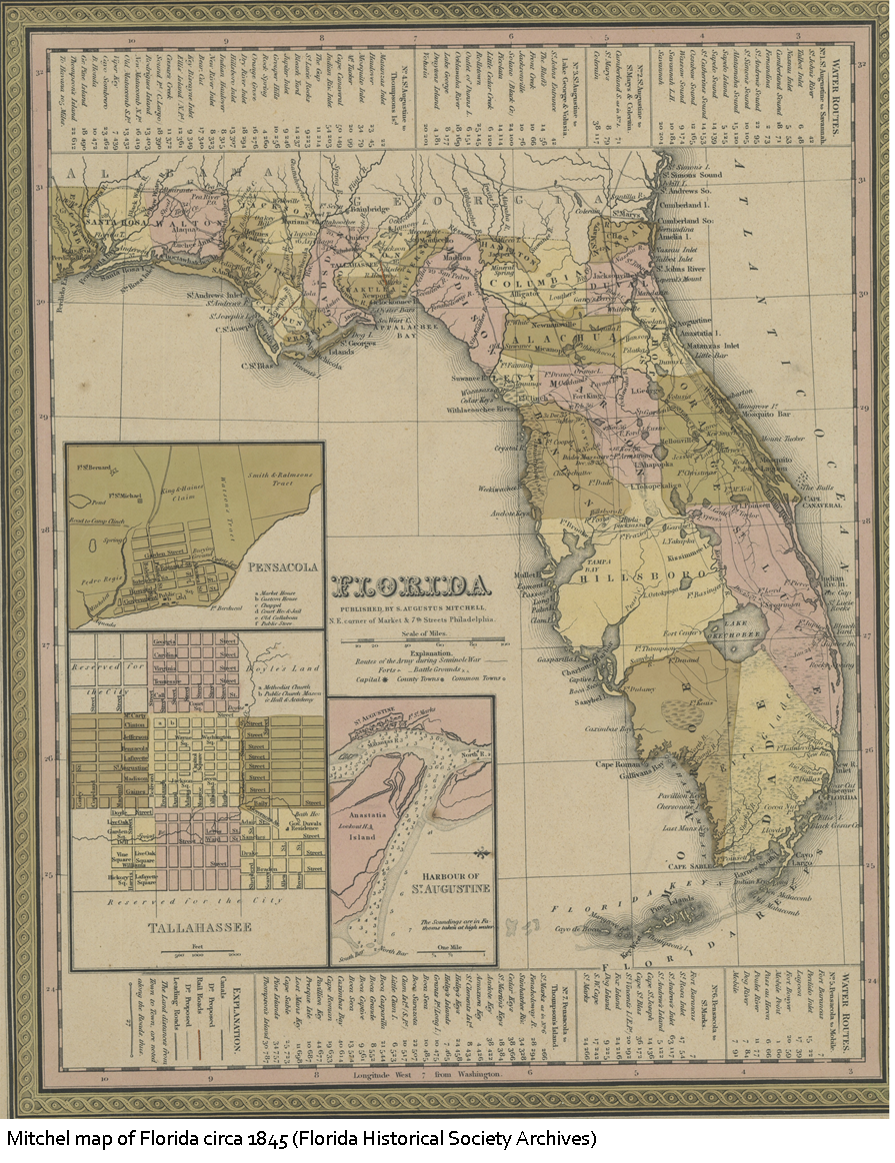
However, the geopolitical landscape shifted dramatically after the French and Indian War (1754-1763). In the Treaty of Paris (1763), Spain ceded Florida to Great Britain in exchange for Havana, Cuba. This marked the beginning of British Florida (1763-1783). The British divided the territory into East Florida, with its capital at St. Augustine, and West Florida, centered in Pensacola. During this period, the British encouraged colonization, offering land grants, which led to a modest increase in population and agricultural development. The British era, though relatively brief, introduced new administrative structures and further diversified the cultural heritage of the region.
The tides turned again with the American Revolutionary War. While the Floridas remained loyal to the British Crown, Spain, allied with the American colonists and French, launched campaigns against British strongholds in West Florida. By the Second Treaty of Paris (1783), which concluded the American Revolution, Great Britain returned Florida to Spain. This Second Spanish Period (1783-1821) was characterized by a more relaxed administration, increased trade, and a growing influx of American settlers into the northern parts of the territory, setting the stage for the next major transformation. This complex interplay of empires is still visible in the architectural styles and historical markers across the state, adding layers of interest for travelers exploring Florida’s rich past.
The Road to American Territory: A New Nation’s Ambition
As the young United States expanded westward and southward, the presence of Spanish Florida, particularly its porous borders and its role as a refuge for runaway slaves and Native American tribes (most notably the Seminole), became a source of increasing tension. The desire for territorial expansion and secure borders ultimately propelled Florida into the American fold.
From Treaty to Territory: The Adams-Onís Treaty
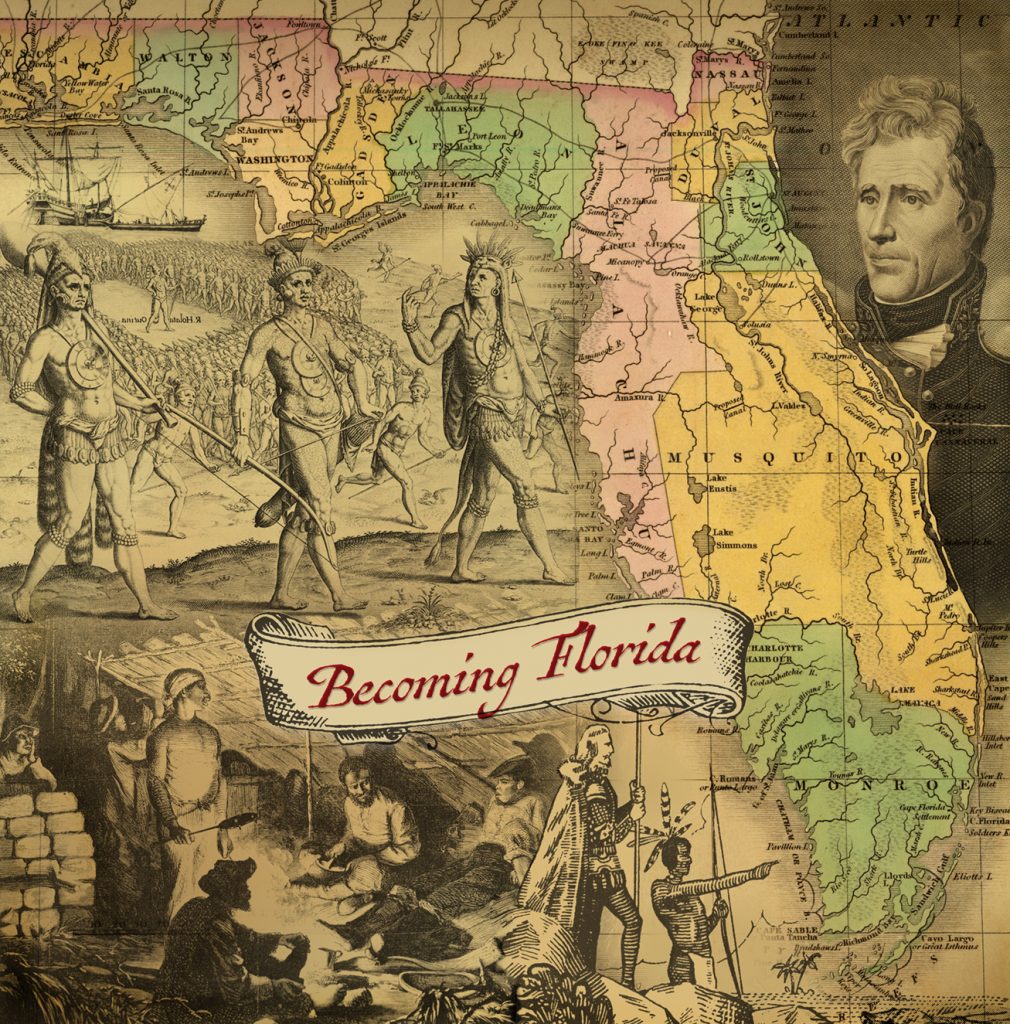
The early 19th century saw escalating conflicts along the Georgia-Florida border, often involving American militias, Seminole warriors, and Spanish authorities. These tensions culminated in Andrew Jackson’s incursions into Florida during the First Seminole War (1817-1818), demonstrating Spain’s weakening control over the vast territory. Recognizing its inability to effectively govern or defend Florida, Spain entered negotiations with the United States.
The outcome was the pivotal Adams-Onís Treaty of 1819 (also known as the Transcontinental Treaty). In this agreement, Spain officially ceded all of Florida to the United States. In return, the United States assumed claims of American citizens against Spain totaling $5 million and agreed to relinquish its own claims to Texas. The treaty was ratified in 1821, officially transferring sovereignty. For travelers today, understanding this period highlights the complex origins of the American South and the struggles that shaped its borders. The historic districts of cities like Pensacola and Fernandina Beach still echo stories of this transitional era, offering opportunities for cultural tourism and historical exploration.
Territorial Governance and Early Settlements
Upon taking control, the United States formally established the Florida Territory on March 30, 1822. Andrew Jackson briefly served as its first military governor, tasked with organizing the new territory. One of his key acts was selecting a capital city. Given that the two main centers of population were St. Augustine in the east and Pensacola in the west, a central location was needed to facilitate governance. The site chosen was Tallahassee, a former Seminole village located roughly halfway between the two, becoming the capital in 1824. Today, Tallahassee serves as the vibrant political heart of Florida, offering a blend of governmental landmarks, historic sites, and a lively university atmosphere that appeals to a diverse range of visitors. Its historic districts, museums, and the beautiful Florida State Capitol complex provide fascinating insights into the state’s governmental evolution.
The territorial period (1822-1845) was characterized by significant challenges and growth. The persistent conflict with the Seminole people, known as the Seminole Wars, proved to be particularly costly and prolonged. These wars, especially the Second Seminole War (1835-1842), significantly impacted development and settlement patterns in central and south Florida. Despite these conflicts, American settlers, drawn by fertile lands and opportunities, continued to pour into the territory, particularly in the panhandle and northern regions. Plantations growing cotton and sugar cane flourished, leading to a rapid increase in population, including a significant enslaved population, which would later play a critical role in the debate over statehood. The territorial period also saw the development of early infrastructure, including roads and fledgling ports, facilitating trade and laying the groundwork for future travel networks that now connect Florida’s myriad attractions.
Statehood Achieved: The 27th State
The growing population and increasing economic activity during the territorial period naturally led to calls for statehood. However, the path to becoming a full member of the Union was not straightforward, embroiled as it was in the contentious national debate over slavery.
Balancing Act: The Path to Admission
By the 1830s, Florida’s population had grown sufficiently to warrant consideration for statehood. A constitutional convention was held in St. Joseph (near modern-day Port St. Joe) in 1838, where delegates drafted a state constitution. This constitution provided for a bicameral legislature, a governor, and a judiciary, largely reflecting the prevailing political structures of other Southern states. Notably, it enshrined protections for slavery, reflecting the strong influence of the plantation economy.
However, Florida’s admission to the Union became entangled in the delicate balance of power in the U.S. Congress, specifically concerning the issue of slavery. At the time, the country sought to maintain an equal number of free and slave states to preserve political stability. Florida, expected to enter as a slave state, had to await the admission of a free state to maintain this equilibrium. That counterpart arrived in the form of Iowa, which was also seeking statehood. The political maneuvering highlights the complexities of American expansion and the profound impact of national debates on regional development, a fascinating aspect for those interested in political history and how it shaped travel and migration patterns.
A New Chapter: Florida as a State
Finally, on March 3, 1845, President John Tyler signed the bill officially admitting Florida as the 27th state of the United States. Iowa followed shortly thereafter, maintaining the balance. This momentous occasion marked the culmination of centuries of shifting allegiances, territorial disputes, and the determined efforts of its residents. Statehood brought greater autonomy, increased representation in the federal government, and ushered in a new era of growth and development for Florida.
Immediately after achieving statehood, Florida continued to develop its agricultural economy. The state’s vast natural resources, particularly its timber and fertile lands, became central to its economic identity. The post-statehood period also saw the gradual improvement of transportation networks, including the nascent development of railroads, which would later revolutionize travel and tourism within the state, opening up previously inaccessible areas to settlement and eventually, to resort development. This era set the stage for the strategic placement of hotels and resorts that now dot Florida’s coastline and interior, providing comfortable accommodation for the millions of tourists who flock to its shores annually.
Florida’s Enduring Legacy: A Modern Travel Haven
Florida’s journey from a contested colonial outpost to the 27th state of the Union is a compelling narrative that continues to shape its identity. Today, its historical sites and cultural richness are as much a draw as its world-famous beaches and theme parks, offering a holistic travel experience.
Historical Gems and Modern Attractions
From the ancient coquina walls of St. Augustine’s Castillo de San Marcos to the meticulously preserved Victorian homes in Key West, Florida’s history is visibly etched across its landscape. These historical landmarks provide invaluable insights into the state’s diverse past, attracting millions of tourists each year. Travel guides often highlight these heritage sites alongside modern attractions, allowing visitors to seamlessly blend historical exploration with contemporary leisure. For instance, a trip to Miami, known for its Art Deco architecture and vibrant nightlife, can be complemented by a visit to the nearby Vizcaya Museum & Gardens, a stunning Gilded Age estate that reflects the opulence of early 20th-century Florida.
The state’s unique cultural tapestry, woven from Spanish, British, African, and American influences, is palpable in its cuisine, music, and festivals. From the seafood delights of the Gulf Coast to the Cuban flavors of Little Havana in Miami, the local food scene is an adventure in itself, making culinary tourism a significant part of the Florida experience. Lifestyle choices for visitors range from luxurious resort stays in places like Palm Beach and Naples, known for their exclusive hotels and villas, to budget-friendly family trips to Orlando’s world-renowned theme parks like Walt Disney World and Universal Studios Florida.
Planning Your Florida Adventure
Understanding Florida’s statehood history adds depth to any travel itinerary, transforming a simple vacation into an educational and enriching journey. When planning a trip, consider exploring various regions that showcase different facets of its past.
- For colonial history: Focus on St. Augustine and Pensacola, where you can stay in charming boutique hotels or historical inns that reflect the local character.
- For territorial and statehood history: A visit to Tallahassee offers insight into its political evolution, with accommodation ranging from modern hotels to cozy guesthouses.
- For a blend of history and modern luxury: The South Florida coast, including Miami and Fort Lauderdale, presents upscale hotels, luxurious resorts, and apartments, all within reach of historical sites and vibrant cultural scenes.
Whether you’re interested in the architectural marvels of the past, the natural beauty of the Everglades, or the bustling energy of its modern cities, Florida offers an unparalleled array of experiences. Its journey to statehood is not just a historical footnote but a living legacy that continues to define its unique character and draw visitors from across the globe. From booking the perfect hotel suite to finding the ideal long-term stay, Florida caters to every traveler, promising an unforgettable blend of relaxation, adventure, and a deep dive into American history.
LifeOutOfTheBox is a participant in the Amazon Services LLC Associates Program, an affiliate advertising program designed to provide a means for sites to earn advertising fees by advertising and linking to Amazon.com. Amazon, the Amazon logo, AmazonSupply, and the AmazonSupply logo are trademarks of Amazon.com, Inc. or its affiliates. As an Amazon Associate we earn affiliate commissions from qualifying purchases.