
California, a state synonymous with pioneering trends and progressive ideals, holds a significant and somewhat complex history regarding the legalization of gay marriage. Its journey reflects a broader national struggle, marked by periods of triumph, setback, and ultimately, enduring victory. For couples planning destination weddings, honeymoons, or simply seeking an inclusive travel experience, understanding this history is key to appreciating California’s vibrant and welcoming atmosphere. The path to marriage equality in the Golden State, intricately woven into its legal and social fabric, has profoundly shaped its identity as a premier destination for lifestyle, tourism, and celebration.
California’s role as a beacon for LGBTQ+ rights has made it an exceptionally attractive location for travel and accommodation, drawing visitors from around the globe who seek not just beautiful landscapes and iconic landmarks, but also a sense of acceptance and community. The milestones on the road to marriage equality not only redefined legal definitions but also catalyzed a cultural shift, fostering an environment where luxury hotels, boutique resorts, and diverse accommodations actively cater to all couples, and where the tourism industry thrives on a spirit of inclusivity.
A Journey Through Judicial and Legislative Milestones
The narrative of gay marriage legalization in California is a captivating tale of legal battles, public opinion shifts, and determined advocacy. It wasn’t a linear progression but a series of dramatic turns that underscored the evolving understanding of civil rights and equality. This intricate journey transformed the state’s social landscape and cemented its reputation as a forward-thinking global destination.
Early Advocacy and Landmark Cases
The struggle for marriage equality in California began long before nationwide recognition. Early advocacy efforts laid the groundwork, pushing for legal recognition of same-sex relationships. One of the earliest significant legal challenges emerged in 2004 when the city of San Francisco, under then-Mayor Gavin Newsom, began issuing marriage licenses to same-sex couples, defying state law. While these marriages were later annulled by the California Supreme Court, this bold act ignited a statewide and national conversation, propelling the issue into the public consciousness with unprecedented urgency. It highlighted San Francisco’s enduring legacy as a hub for LGBTQ+ activism and a vibrant tourist destination, particularly for those interested in its rich history of social justice.
The most pivotal state-level legal breakthrough came on May 15, 2008, when the California Supreme Court issued its landmark ruling in the In re Marriage Cases. This decision declared that denying marriage rights to same-sex couples violated the state’s constitution, specifically the right to marry and the equal protection clause. This historic ruling made California the second state, after Massachusetts, to legalize same-sex marriage through judicial action. For a brief, joyous period, same-sex couples could legally marry across the state, leading to a surge in weddings and celebrations. This period instantly positioned California as a premier destination for LGBTQ+ weddings, with event planners and hotels in cities like Los Angeles, Palm Springs, and San Diego quickly adapting to cater to this new market. The lifestyle associated with celebrating love in such scenic and diverse locations became an immediate draw.

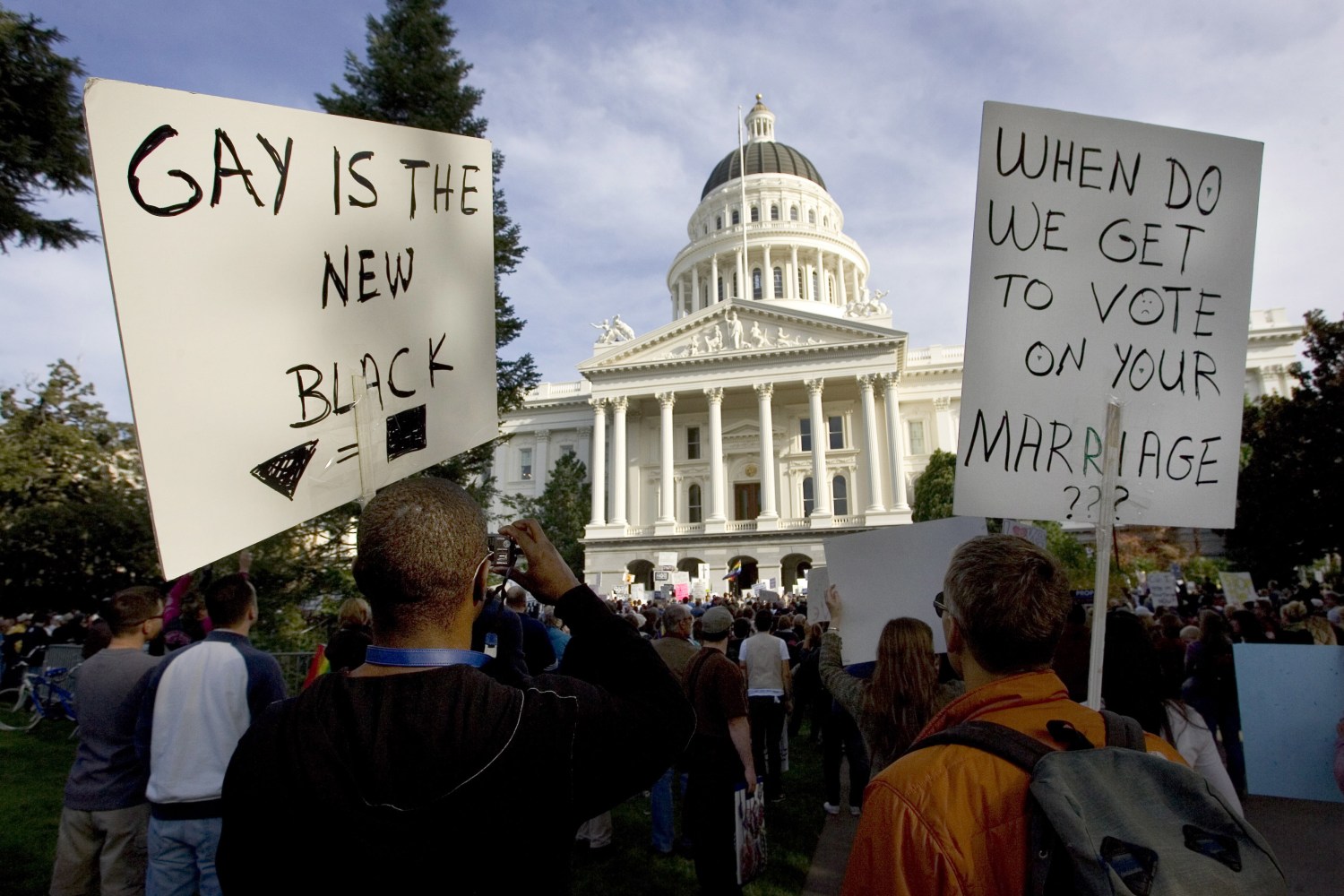
However, this victory was short-lived. Opponents of marriage equality quickly mobilized, placing Proposition 8, a ballot initiative, before voters in November 2008. Proposition 8 sought to amend the state constitution to define marriage exclusively as between a man and a woman, effectively overturning the Supreme Court’s decision. Despite widespread activism and significant public debate, Proposition 8 passed with 52.3% of the vote. This outcome was a devastating blow to thousands of couples and their allies, effectively re-banning same-sex marriage in California after only a few months of legality. The passage of Proposition 8 highlighted the intense cultural divisions within the state, even as it paradoxically fueled a renewed sense of purpose and determination within the LGBTQ+ rights movement.
The Triumphant Return of Marriage Equality
The passage of Proposition 8 did not end the fight; it merely shifted the battleground. Legal challenges against the proposition began almost immediately. The most significant of these was Perry v. Schwarzenegger (later Hollingsworth v. Perry), a federal lawsuit challenging Proposition 8’s constitutionality. In August 2010, U.S. District Court Judge Vaughn Walker ruled that Proposition 8 violated the Due Process and Equal Protection Clauses of the Fourteenth Amendment to the United States Constitution. This federal ruling was a critical turning point, though it faced appeals that kept the ban in place for several more years.
The legal journey culminated on June 26, 2013, when the United States Supreme Court effectively restored marriage equality in California. The Court ruled in Hollingsworth v. Perry that the proponents of Proposition 8 lacked the legal standing to defend the measure in federal court after the State of California declined to do so. This procedural ruling meant that the lower court’s decision, striking down Proposition 8, stood. Consequently, same-sex marriage became legal again in California, permanently.
This landmark decision not only opened the doors for thousands of couples to marry but also paved the way for nationwide marriage equality, which arrived two years later with the Supreme Court’s ruling in Obergefell v. Hodges on June 26, 2015. This federal decision declared that the right to marry is guaranteed to same-sex couples by the United States Constitution, making marriage equality the law of the land in all fifty states. California’s journey, therefore, was a microcosm of a larger national struggle, playing a crucial role in establishing the precedents and legal arguments that led to this monumental federal victory. The enduring legacy of these legal battles means that California stands as a symbol of progressive change and a truly inclusive destination for all travelers.
California: A Beacon for LGBTQ+ Travel and Lifestyle
With marriage equality firmly established, California solidified its reputation as a welcoming haven for LGBTQ+ individuals and couples. This transformation had a profound and positive impact on its tourism, hospitality, and overall lifestyle offerings, making it an undisputed top choice for those seeking inclusive travel experiences.
Impact on Tourism and Hospitality
The legalization of gay marriage brought about a significant boom in California’s tourism and hospitality sectors. The state quickly became a magnet for LGBTQ+ destination weddings, honeymoons, and romantic getaways. Cities known for their progressive communities and vibrant cultural scenes experienced a surge in visitors. Palm Springs, with its mid-century modern architecture, luxurious resorts, and thriving LGBTQ+ community, became a prime wedding and honeymoon destination. Its sunny climate and picturesque desert backdrop offer an idyllic setting for celebrations and relaxation. Hotels like The Parker Palm Springs or Ace Hotel & Swim Club Palm Springs became popular choices, known for their chic aesthetics and welcoming atmosphere.
San Francisco, long celebrated as an LGBTQ+ mecca, saw renewed interest, especially in iconic neighborhoods like the Castro District. Couples flocked to its historic sites, such as City Hall, a stunning architectural masterpiece that quickly became one of the most popular venues for civil ceremonies. Upscale hotels like the Fairmont San Francisco or the Palace Hotel, a Luxury Collection Hotel, San Francisco embraced the opportunity to cater to same-sex weddings, offering bespoke packages and specialized services. Similarly, West Hollywood in Los Angeles, another epicenter of LGBTQ+ life, became a hotspot for elegant celebrations and vibrant nightlife. These destinations recognized the significant economic contribution of LGBTQ+ tourism and proactively tailored their offerings, from accommodation options to local activities, creating a truly inclusive travel experience.

The Wedding and Events Industry Boom
The legalization directly fueled a substantial boom in California’s wedding and events industry. Wedding planners specializing in LGBTQ+ ceremonies flourished, understanding the unique needs and desires of diverse couples. Venues across the state, from luxurious vineyards in Napa Valley to scenic coastal resorts in Santa Barbara, eagerly opened their doors to all couples. This led to a wider array of choices for everything from catering and floral arrangements to photography and entertainment, all reflecting an ethos of inclusion.
Accommodation providers played a crucial role in this growth. Luxury resorts began offering “Love Wins” or “Equality” wedding packages, providing everything from ceremony coordination to honeymoon suites. Boutique hotels emphasized personalized services, recognizing that for many couples, their wedding in California was more than just a ceremony—it was a deeply symbolic and long-awaited celebration. Even beyond weddings, the increased visibility and acceptance translated into more general leisure travel for LGBTQ+ individuals. Resorts, apartments, and villas throughout California adapted their marketing and services to explicitly welcome this demographic, ensuring that their amenities, from spas to dining, were inclusive and respectful. This proactive approach by the hospitality sector reinforced California’s image as a truly diverse and accepting travel destination.
Fostering Inclusive Lifestyles and Communities
Beyond the economic impact, the legalization of gay marriage profoundly enhanced the overall lifestyle for LGBTQ+ residents and visitors. It reinforced the sense of belonging and community that many sought in California. Vibrant neighborhoods like San Francisco’s Castro District, West Hollywood, and Hillcrest in San Diego continued to thrive as cultural epicenters, offering a rich tapestry of nightlife, community events, and supportive environments. These areas are not just places to visit; they represent a lifestyle choice for many, offering a quality of life characterized by acceptance and celebration.
The legal recognition of same-sex marriage also strengthened the framework for other LGBTQ+ rights and protections, contributing to a broader culture of inclusivity across the state. This means that travelers to California can expect not just beautiful destinations and exceptional accommodation but also a palpable sense of safety, respect, and welcome, regardless of their identity. The state’s commitment to diversity is evident in its local cultures, its arts scenes, and its myriad activities, making every visit an enriching and affirming experience. From attending annual Pride parades in Los Angeles or San Francisco to exploring the serene beaches of Laguna Beach, the lifestyle offerings in California truly cater to a diverse range of preferences, all underpinned by a foundation of equality.
Planning Your Inclusive California Getaway
For those inspired by California’s history of inclusivity and its welcoming atmosphere, planning a trip to the Golden State promises an unforgettable experience. Whether it’s a romantic retreat, a cultural exploration, or an adventurous escape, California offers an unparalleled variety of destinations and experiences.
Top Destinations for LGBTQ+ Travelers
When considering an LGBTQ+-friendly getaway, California presents an abundance of choices.
- San Francisco remains an essential stop. Explore the vibrant Castro District, visit the GLBT Historical Society Museum, and enjoy the iconic landmarks like the Golden Gate Bridge and Alcatraz Island. The city’s diverse culinary scene and world-class hotels provide endless options.
- Los Angeles offers the glitz and glamour of Hollywood combined with the lively LGBTQ+ scene of West Hollywood. Here, you can enjoy luxury shopping on Rodeo Drive, explore renowned museums like the Getty Center, and relax on beautiful beaches. The nightlife in WeHo is legendary, providing a dynamic lifestyle experience.
- Palm Springs is a desert oasis ideal for relaxation, romance, and mid-century modern design enthusiasts. Known for its numerous LGBTQ+-friendly resorts and guesthouses, it’s perfect for a serene escape, a golf trip, or simply lounging by the pool. The Palm Springs Aerial Tramway offers breathtaking views, while the Palm Springs Art Museum caters to cultural interests.
- San Diego offers a more laid-back vibe with beautiful beaches, a bustling downtown, and the welcoming Hillcrest neighborhood. Attractions like Balboa Park, home to museums and the San Diego Zoo, provide cultural and family-friendly activities. The city’s excellent craft beer scene also adds to its appeal for those looking to explore local flavors.
These cities, along with other charming locales like Laguna Beach and Guerneville in Sonoma County, stand out as prime examples of California’s diverse and inclusive travel landscape.
Accommodation Choices for Every Style
California’s commitment to diversity extends to its accommodation options, ensuring that every traveler finds a perfect fit. From opulent luxury resorts to charming boutique hotels, welcoming guesthouses, and convenient long-term stay apartments, the choices are vast and varied. In cities like Los Angeles and San Francisco, you can find world-renowned luxury brands like the Ritz-Carlton or Four Seasons Hotels and Resorts, many of which have dedicated LGBTQ+ initiatives and staff training to ensure a truly welcoming environment.
For a more intimate experience, consider the countless boutique hotels scattered across the state, particularly in areas like Napa Valley or Santa Monica, offering unique charm and personalized service. In Palm Springs, you’ll discover numerous adults-only, clothing-optional resorts that specifically cater to LGBTQ+ men, providing a distinct and relaxed atmosphere. For families or those planning an extended stay, furnished apartments and villas offer the comforts of home, often with stunning views and private amenities. Online booking platforms frequently highlight LGBTQ+-friendly properties, making it easier than ever to find accommodation that aligns with your values and preferences. Reviews often praise establishments for their inclusivity, attentive staff, and excellent amenities, ensuring a comfortable and memorable stay for all guests.
Experiences Beyond the Ceremony
While California is an unparalleled choice for weddings and honeymoons, its appeal extends far beyond these celebrations. The state offers an incredible array of experiences that cater to diverse interests and lifestyles. For nature lovers, hiking in Yosemite National Park or exploring the majestic redwoods in Muir Woods National Monument are transformative experiences. Adventure seekers can surf along the Pacific Coast Highway, ski in the Sierra Nevada Mountains, or embark on a thrilling road trip through Big Sur.
Cultural enthusiasts will delight in California’s’s world-class museums, vibrant arts scenes, and historic landmarks. Explore the galleries of the LACMA in Los Angeles, catch a live performance at the Walt Disney Concert Hall, or delve into the history of the Gold Rush in the charming towns of the Sierra Foothills. Foodies can embark on culinary tours through Napa Valley and Sonoma County, savoring exquisite wines and farm-to-table dining, or explore the diverse gastronomic landscapes of Los Angeles and San Francisco, which boast Michelin-starred restaurants and bustling food markets. The numerous LGBTQ+ specific events, such as Pride festivals and film festivals, further enrich the social calendar, providing opportunities to connect with local communities and celebrate shared identities. California’s unique blend of natural beauty, cultural richness, and unwavering inclusivity ensures that every visit is filled with memorable experiences, catering to every imaginable interest and offering a truly personalized travel adventure.
Conclusion
The journey to legalize gay marriage in California was a protracted yet ultimately triumphant one, reflecting the state’s pioneering spirit and its enduring commitment to civil rights. From the bold actions of San Francisco to the pivotal rulings of the California Supreme Court and eventually the United States Supreme Court, the path was marked by both setbacks and resounding victories. The crucial date for permanent legalization in California following the federal intervention of Hollingsworth v. Perry, was June 26, 2013, effectively making it legal once again, paving the way for the nationwide recognition two years later.
Today, California stands as a testament to the power of progress, offering a rich tapestry of experiences for all travelers, especially the LGBTQ+ community. Its progressive history has profoundly shaped its identity as a welcoming and inclusive destination. The impact on travel, tourism, and lifestyle is undeniable, with vibrant cities, luxurious hotels, and diverse attractions actively catering to couples seeking to celebrate their love, embark on a honeymoon, or simply enjoy a vacation in an environment of acceptance and respect. Whether you’re drawn to the cultural landmarks of San Francisco, the desert allure of Palm Springs, the vibrant energy of Los Angeles, or the serene beauty of its national parks, California promises an inclusive and unforgettable experience. Its legacy of equality continues to make it a premier choice for those seeking not just a destination, but a place where every journey of love and life is celebrated without reservation.
LifeOutOfTheBox is a participant in the Amazon Services LLC Associates Program, an affiliate advertising program designed to provide a means for sites to earn advertising fees by advertising and linking to Amazon.com. Amazon, the Amazon logo, AmazonSupply, and the AmazonSupply logo are trademarks of Amazon.com, Inc. or its affiliates. As an Amazon Associate we earn affiliate commissions from qualifying purchases.