
The shimmering turquoise waters, the vibrant lei, the iconic silhouette of Diamond Head – these images instantly conjure up the magic of Hawaii. For countless travelers seeking an escape to paradise, the Aloha State represents the pinnacle of natural beauty, rich cultural heritage, and unparalleled hospitality. But beyond the stunning beaches of Waikiki Beach or the dramatic cliffs of the Napali Coast, lies a complex and captivating history that ultimately led to its unique status as the 50th state of the United States. The question “When was Hawaii becoming a state?” isn’t just about a date; it’s a doorway into understanding the very fabric of this incredible destination, revealing how centuries of indigenous rule, foreign influence, and geopolitical shifts culminated in its modern identity.
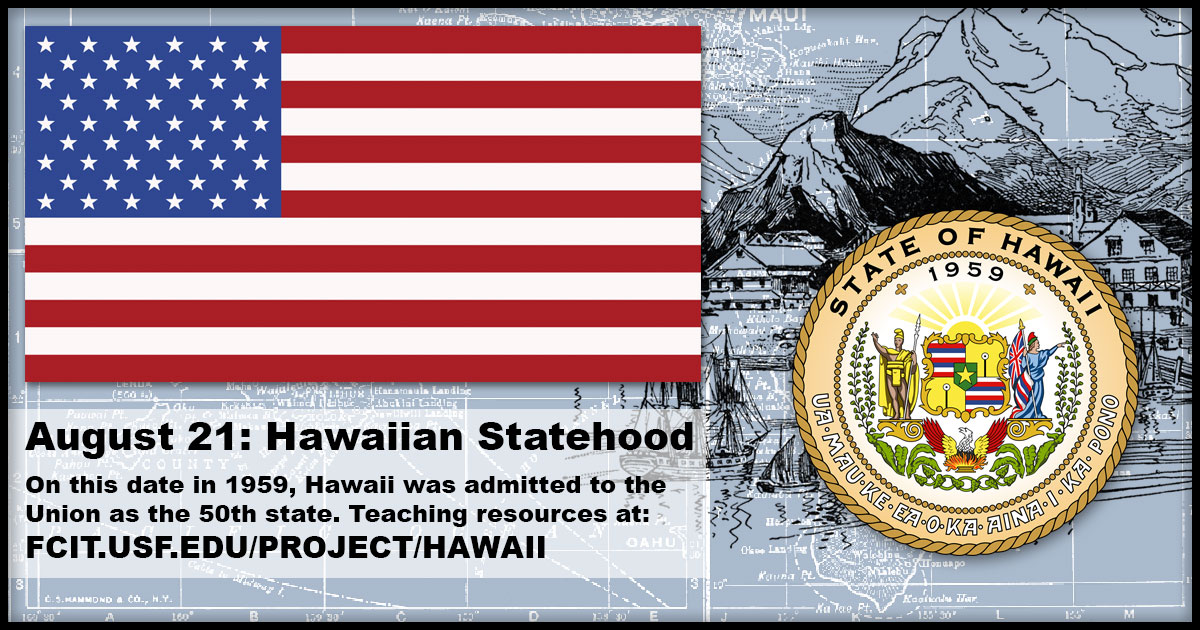
On August 21, 1959, Hawaii officially shed its territorial status and joined the Union, a momentous occasion that profoundly reshaped its economic, social, and tourism landscape. This act marked the culmination of a journey spanning millennia, from the arrival of Polynesian navigators to the rise and fall of a sovereign kingdom, and through decades as a U.S. territory. For those planning a Hawaiian getaway, understanding this historical backdrop enriches the travel experience, allowing visitors to appreciate the resilience of its people, the significance of its landmarks, and the enduring spirit of aloha that permeates every aspect of island life.
The Ancient Roots of the Aloha State: From Polynesian Seafarers to a Unified Kingdom
Before it was a state, a territory, or even a kingdom, Hawaii was the sacred land of the Polynesian people, who embarked on daring voyages across the vast Pacific Ocean centuries ago. Using sophisticated wayfinding techniques, these intrepid explorers settled the remote volcanic islands, establishing a vibrant culture deeply connected to the land and sea. Their intricate social structures, advanced agricultural practices, and profound spiritual beliefs laid the groundwork for what would become the Kingdom of Hawaii.
The arrival of Captain James Cook in 1778 marked a pivotal moment, introducing the isolated islands to the Western world. While his initial interactions had tragic consequences for him, his discovery opened Hawaii to new trade routes, technologies, and, inevitably, external influences that would irrevocably alter its trajectory.
The Reign of Kings and Queens: A Cultural Legacy
The late 18th century saw the emergence of a visionary leader, King Kamehameha I, who, through a series of strategic alliances and military conquests, successfully unified the warring islands into a single, sovereign kingdom by 1810. This period of Hawaiian monarchy was a golden age of cultural development and political consolidation. The Kamehameha dynasty and its successors meticulously crafted a unique national identity, blending ancient traditions with selective adoption of Western governance and education.
Landmarks from this era still stand as powerful reminders of this regal past, inviting travelers to step back in time. The magnificent Iolani Palace in downtown Honolulu is a prime example. As the only official residence of a reigning monarch in the United States, it offers an unparalleled glimpse into the opulent lives of Hawaiian royalty and the intricate political dramas that unfolded within its walls. Visiting the palace provides not only a historical education but also a profound connection to the island’s unique heritage, making it a must-see for anyone interested in the local culture and history. Similarly, sites across islands like Oahu, Maui, and the Big Island (also known as Hawaii Island) preserve the legacies of these powerful rulers, offering tourists a chance to explore ancient temples (heiau) and royal grounds.
Foreign Influence and the Seeds of Change
Despite the strength of the monarchy, the influx of Western missionaries, merchants, and whalers gradually began to erode the kingdom’s sovereignty. American and European business interests, particularly in the burgeoning sugar and pineapple plantations, gained significant economic and political leverage. This period saw the introduction of new legal systems, religions, and diseases, which drastically impacted the indigenous Hawaiian population and their traditional way of life.
The growing presence of foreign advisors and businessmen, often naturalized citizens, led to increased pressure on the Hawaiian monarchs to adopt Western-style constitutions that gradually diminished the power of the throne and the rights of native Hawaiians. These escalating tensions laid the groundwork for the eventual overthrow of the monarchy, setting the stage for one of the most controversial chapters in Hawaii’s history. Understanding this delicate balance between a proud, independent kingdom and the inexorable march of global economic and political forces is crucial to appreciating the deep roots of Hawaiian statehood and the ongoing discussions surrounding its legacy.
From Monarchy to Territory: A Tumultuous Path Towards Annexation
The late 19th century proved to be a tumultuous period for Hawaii, marked by intense political maneuvering, economic pressures, and a profound shift in power dynamics. The desire of foreign businessmen, primarily American, for annexation to the United States grew stronger, fueled by fears of tariffs on their sugar exports and a yearning for political stability that favored their interests. This era culminated in the tragic overthrow of the Hawaiian monarchy, an event that remains a sensitive and deeply significant part of the islands’ historical narrative.
The Overthrow of a Queen: A Defining Moment
The year 1893 witnessed one of the most controversial events in Hawaiian history: the overthrow of Queen Liliʻuokalani, Hawaii’s last reigning monarch. Driven by a desire to restore power to the Hawaiian people through a new constitution, Queen Liliʻuokalani faced fierce opposition from a group of American and European businessmen and residents, known as the Committee of Safety. With the support of U.S. Marines, who landed in Honolulu under questionable circumstances, the monarchy was overthrown.
This coup led to the establishment of the Provisional Government of Hawaii, which then declared itself the Republic of Hawaii in 1894, with Sanford B. Dole as its first and only president. The Queen herself was later imprisoned at Iolani Palace for her alleged role in a counter-rebellion. The historical sites associated with this period, particularly Iolani Palace, serve as poignant reminders of this struggle, allowing visitors to connect with the emotional weight of this loss of sovereignty. Tours of the palace often highlight the Queen’s courage and the deep sense of injustice felt by native Hawaiians, providing a powerful educational experience for those interested in the island’s unique political journey.
The Territory of Hawaii: A Strategic Pacific Outpost

Despite initial reluctance from U.S. President Grover Cleveland, who deemed the overthrow an act of aggression, the strategic importance of Hawaii in the Pacific Ocean eventually led to its annexation. In 1898, during the Spanish-American War, the United States officially annexed Hawaii, transforming it into a U.S. territory. This move was driven by a combination of factors: burgeoning American imperial ambitions, the strategic military value of Pearl Harbor as a naval base, and the economic interests of American sugar planters.
As a territory, Hawaii experienced significant development, particularly in its infrastructure and military installations. The economy continued to be dominated by the “Big Five” corporations, which controlled much of the sugar and pineapple industries. Mass immigration from Asia (primarily China, Japan, and the Philippines) was encouraged to meet labor demands on plantations, leading to the incredibly diverse cultural tapestry that defines modern Hawaii. The territory played a crucial role during World War II, famously becoming the target of the Japanese attack on Pearl Harbor on December 7, 1941. This devastating event not only propelled the United States into the war but also solidified Hawaii’s strategic significance, highlighting its integral role in American defense. Today, sites like the USS Arizona Memorial stand as solemn tributes to this pivotal moment, offering a profound historical experience that draws millions of visitors annually and underscores the depth of Hawaii’s contribution to American history.
The Road to Statehood: A Post-War Transformation
Following World War II, the question of Hawaii’s political future gained significant momentum. Decades of territorial status, coupled with the islands’ undeniable contributions to the war effort, fueled a powerful movement for full statehood. The post-war era brought renewed prosperity and a growing sense of identity among Hawaii’s diverse population, setting the stage for the final push towards integration into the United States.
The Push for Full Integration: Arguments and Opposition
The arguments for Hawaiian statehood were multifaceted and compelling. Proponents emphasized that Hawaii was a loyal and integral part of the United States, having proven its patriotism through military service and economic contributions. They highlighted the democratic right of its citizens to vote in national elections and have full representation in Congress, which was denied to territories. Furthermore, they argued that statehood would bring economic benefits, reduce travel barriers for mainland Americans, and signal to the world America’s commitment to self-determination. The territory’s multi-ethnic population was also presented as a model of American diversity, showcasing that the ideals of democracy could thrive across different cultures.
However, statehood faced opposition. Some concerns revolved around Hawaii’s non-contiguous location and its large non-white population, a reflection of the racial prejudices prevalent in mid-20th century America. Others feared the potential economic impact on existing industries or worried about the stability of incorporating a territory so far removed geographically and culturally. Despite these concerns, the persistent advocacy of Hawaiian delegates to Congress, combined with strong support from various civic groups and labor unions within the territory, gradually overcame the obstacles. The growing awareness of Hawaii’s unique charm, as portrayed in emerging travel narratives and popular culture, also played an unwitting role in softening public opinion on the mainland.
August 21, 1959: Hawaii Joins the Union
After decades of petitions, debates, and congressional hearings, the moment finally arrived. In March 1959, the United States Congress passed the Hawaii Admission Act. Following this, on June 27, 1959, the people of Hawaii overwhelmingly voted in favor of statehood in a special plebiscite, with over 94% casting their ballots in favor of joining the Union. This decisive vote reflected the strong desire of the island residents to achieve full political equality and representation.
Finally, on August 21, 1959, President Dwight D. Eisenhower signed the proclamation admitting Hawaii as the 50th state of the United States. This historic event was met with widespread celebration across the islands, marking the official end of its territorial era and the beginning of a new chapter as the Aloha State. The transition brought about significant changes, including increased federal funding, greater political autonomy, and a dramatic surge in tourism, as the islands became more accessible and appealing to a broader American public. The act of statehood was not just a political formality; it was a cultural watershed, solidifying Hawaii’s place on the world stage as a unique destination blending American identity with its profound indigenous roots.
Hawaii Transformed: Statehood’s Impact on Travel and Tourism
The granting of statehood in 1959 profoundly transformed Hawaii, perhaps most notably in the realm of travel and tourism. Prior to statehood, Hawaii was primarily a destination for the wealthy elite or those with military ties. However, with its new status, the islands became more accessible, sparking an unprecedented boom that would shape its economy and infrastructure for decades to come. This shift elevated Hawaii from a remote outpost to a world-class travel destination, drawing millions seeking its distinctive blend of natural beauty, cultural immersion, and adventurous experiences.
A World-Class Destination: Exploring the Islands’ Allure
Statehood made Hawaii a domestic destination, removing the complexities of international travel for American citizens and simplifying logistics for airlines and developers. This opened the floodgates for tourism, leading to massive investments in airports, roads, and, crucially, hotels and resorts. Iconic areas like Waikiki Beach on Oahu saw rapid development, with luxury high-rise hotels and sprawling resorts catering to the growing influx of visitors. These establishments, from boutique stays to expansive family resorts, offer a wide range of accommodation options, each providing unique amenities and experiences, from oceanfront suites to cultural workshops.
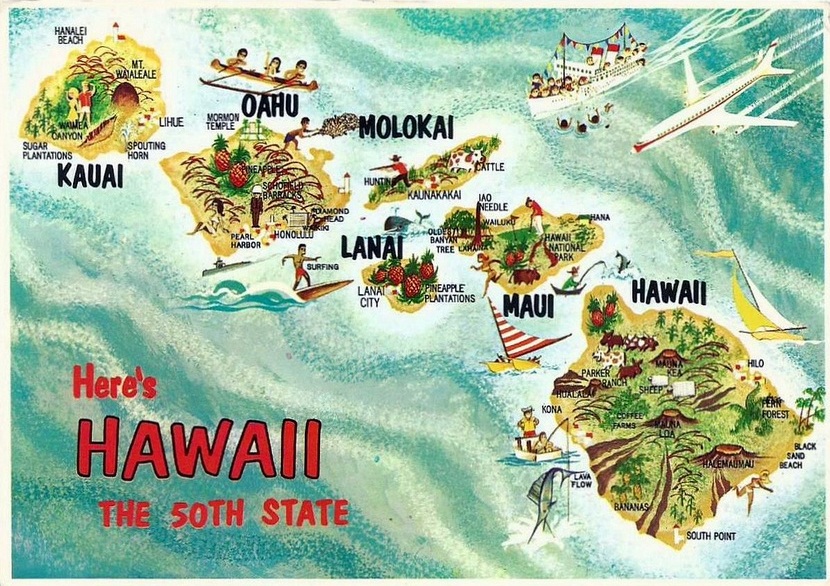
Beyond the sun-kissed shores, each island offers its own unique allure. Maui, known as the Valley Isle, entices with the scenic Hana Highway, the majestic volcanic crater of Haleakala, and renowned whale watching tours. Kauai, the Garden Isle, boasts the dramatic vistas of Waimea Canyon and the lush, inaccessible Napali Coast, perfect for hiking and boat tours. The Big Island is a land of extremes, home to Volcanoes National Park where visitors can witness active lava flows, and the towering peak of Mauna Kea, a prime stargazing location. Oahu, the Gathering Place, combines the urban sophistication of Honolulu with the historical significance of Pearl Harbor and the surfing mecca of the North Shore. Attractions like the Polynesian Cultural Center offer immersive experiences into the diverse cultures that shaped the islands, providing entertainment and education for the whole family.
Modern Hawaii: Blending History with Luxury and Adventure
Today, Hawaii continues to evolve as a premier travel destination, constantly blending its rich historical narrative with modern luxuries and endless adventure opportunities. The tourism industry supports a significant portion of the state’s economy, providing jobs and driving innovation in sustainable tourism practices. Travelers can choose from an incredible array of activities: surfing lessons on Waikiki, snorkeling in pristine coral reefs, helicopter tours over volcanic landscapes, or exploring vibrant local markets for unique souvenirs and culinary delights.
Accommodation options are equally diverse, ranging from opulent five-star resorts offering world-class spas and gourmet dining to charming boutique hotels, cozy vacation rentals, and budget-friendly apartments. Many resorts, such as those found along the Kona or Lahaina coasts, seamlessly integrate local Hawaiian architecture and cultural elements into their design and guest experiences. They offer everything from traditional luaus to hula lessons, allowing guests to immerse themselves in the Aloha Spirit. Whether you’re planning a romantic honeymoon, a family adventure, or a solo wellness retreat, Hawaii’s extensive network of hotels and resorts caters to every style and budget, ensuring a comfortable and memorable stay. The state also continues to invest in preserving its natural wonders and historical sites, ensuring that future generations of travelers can experience the profound beauty and rich heritage that defines the Aloha State.
In essence, Hawaii’s journey to statehood is not just a chapter in American history; it’s a testament to the enduring spirit of its people and the captivating allure of its islands. It is a narrative that enriches every visit, transforming a simple vacation into a deeper appreciation of a truly unique corner of the world.
LifeOutOfTheBox is a participant in the Amazon Services LLC Associates Program, an affiliate advertising program designed to provide a means for sites to earn advertising fees by advertising and linking to Amazon.com. Amazon, the Amazon logo, AmazonSupply, and the AmazonSupply logo are trademarks of Amazon.com, Inc. or its affiliates. As an Amazon Associate we earn affiliate commissions from qualifying purchases.