
The history of the 50th state is a complex narrative of shifting governance, cultural resilience, and strategic geopolitics. For those who visit the breathtaking islands today, understanding the timeline of how Hawaii became an integral part of the United States adds a layer of depth to the experience of its iconic landmarks and natural wonders.
The Path to Statehood: A Historical Progression
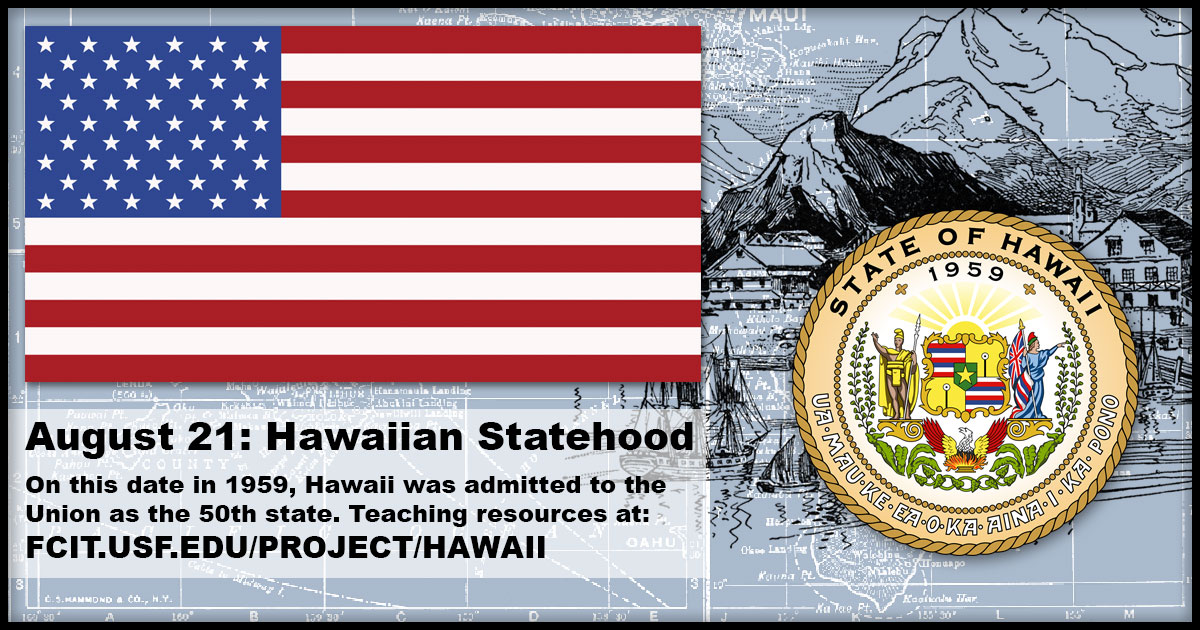
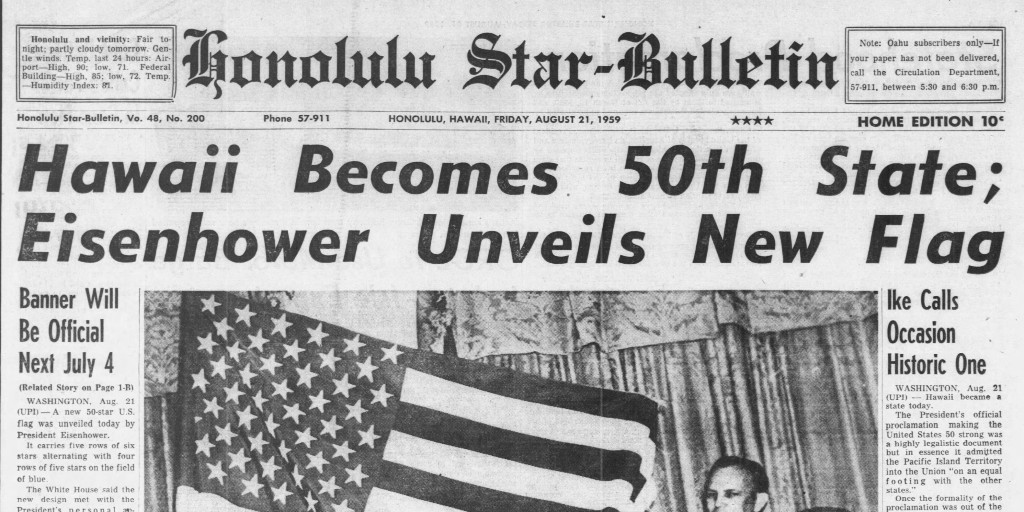
The official entry of Hawaii into the union occurred on August 21, 1959. This landmark moment was the culmination of decades of political maneuvering and evolving perceptions regarding the islands’ status within the global landscape. To understand why this date is significant, one must look back at the late 19th century and the geopolitical shifts that reshaped the Pacific.
From Kingdom to Territory
Before becoming a state, the islands were governed as the Kingdom of Hawaii. In 1898, the United States annexed the islands following the Newlands Resolution. This act moved the archipelago from an independent sovereign nation to an organized incorporated territory. For over sixty years, the territory operated under a federal oversight system while its population grew, diverse cultures integrated, and the infrastructure of modern life—such as the early development of Waikiki Beach—began to take shape.
The Impact of World War II
The trajectory toward statehood was significantly accelerated by the events of World War II. Following the attack on Pearl Harbor, the islands served as the primary command center for the Pacific Theater. The wartime contributions of local citizens, particularly the valor of the 442nd Infantry Regiment, solidified the argument that the people of the islands were fully committed to the ideals of the nation. This sacrifice fostered a sense of national belonging that ultimately persuaded Washington D.C. to reconsider the territory’s status.
Historical Landmarks and the Legacy of Statehood
The history of this transition is etched into the very soil and architecture of the islands. Visitors often seek out sites that represent the intersection of the Hawaiian monarchy and the subsequent American administration. Exploring these landmarks provides a tangible connection to the events of 1959 and the centuries preceding it.
The Iolani Palace
The Iolani Palace, located in Honolulu, remains the only official state residence of royalty in the entire nation. It serves as a poignant reminder of the sovereignty that existed before annexation. Standing in the heart of the capital city, it offers a stark contrast to the modern federal buildings nearby, illustrating the layered history of a land that transitioned from a kingdom to an American territory and finally to a state.

The Nuuanu Pali Lookout
The Nuuanu Pali Lookout is not just a site of natural beauty; it is where King Kamehameha I consolidated his power, marking a pivotal moment in the unification of the islands. Understanding the local history of the Oahu landscape helps travelers appreciate that Hawaii was a sophisticated, unified culture long before its entry into the union. Statehood did not start the history of the islands; it merely added a new chapter to an ancient story.
Modern Implications of Statehood for Tourism
Since 1959, the designation of Hawaii as a state has fundamentally altered how the world interacts with the islands. Being an American state provided a stable legal framework that encouraged infrastructure development, trade, and ultimately, the massive growth of the tourism industry that characterizes the islands today.
Infrastructure and Accessibility
The post-statehood era saw an explosion in aviation technology and hotel development. The construction of international airports, such as the Daniel K. Inouye International Airport, made the islands accessible to millions of travelers annually. This shift turned remote Pacific outposts into world-class destinations with amenities ranging from luxury resorts on Maui to family-friendly excursions on Kauai.
Preservation of Culture and Nature
While statehood brought rapid development, it also necessitated the protection of natural and historical assets. The establishment of the Hawaii Volcanoes National Park and the preservation of historic districts are direct outcomes of federal recognition. These protections ensure that while the islands are a modern state, the natural majesty—such as the cliffs of Molokai and the lush terrain of the Big Island—remains intact for future generations to explore.
Celebrating the Unique Identity of the 50th State
Despite being fully integrated into the political fabric of the United States, the islands maintain a distinct identity that sets them apart from the mainland. This “Spirit of Aloha” is what draws travelers to Hanauma Bay or the shores of Kona year after year.
The Blend of Cultures
Statehood allowed for the fusion of American democratic principles with the deeply ingrained values of the Hawaiian people, such as malama aina (caring for the land). This unique cultural synthesis is visible in everything from local festivals to the culinary landscape that merges Pacific Rim traditions with Western influence. Whether dining in a high-end restaurant in Lahaina or visiting a local luau, the visitor experiences a culture that has evolved while retaining its soul.
Looking Toward the Future
As the state moves further into the 21st century, the focus has shifted toward sustainability. Initiatives aimed at protecting the Pacific Ocean and the local ecosystems are at the forefront of the state’s agenda. Visitors today are encouraged to engage in “regenerative tourism,” a concept that ensures the beauty of landmarks like Diamond Head is preserved for the next century of statehood.
The question “When was Hawaii made a state?” is an invitation to explore a multifaceted history. August 21, 1959, was the day the paperwork was signed, but the story of the islands is an ongoing process of balancing progress, heritage, and the preservation of a paradise that is rightfully considered one of the most beautiful places on Earth. Whether you are trekking through Haleakala National Park or enjoying the serenity of a quiet beach, you are walking through a history that spans from ancient kings to a modern, vibrant state within the global community.
LifeOutOfTheBox is a participant in the Amazon Services LLC Associates Program, an affiliate advertising program designed to provide a means for sites to earn advertising fees by advertising and linking to Amazon.com. Amazon, the Amazon logo, AmazonSupply, and the AmazonSupply logo are trademarks of Amazon.com, Inc. or its affiliates. As an Amazon Associate we earn affiliate commissions from qualifying purchases.