
The question “When was Hawaii made a state?” might seem straightforward, with a simple answer: August 21, 1959. However, this date represents the culmination of a deeply complex and fascinating journey, one steeped in ancient Polynesian traditions, dramatic political upheavals, and a strategic global importance that ultimately shaped this archipelago into the vibrant Aloha State we know and love today. For travelers, understanding this rich history isn’t just an academic exercise; it enriches every aspect of a Hawaiian experience, from exploring historic landmarks to appreciating its unique culture and the diverse landscapes that draw millions of visitors annually.
This article delves into the intricate path Hawaii took to become the 50th state of the United States, exploring the pivotal moments that shaped its destiny. Beyond the historical narrative, we will connect these events to the islands’ current status as a premier travel destination, offering insights into its unparalleled attractions, diverse accommodation options, and the profound cultural experiences that await every visitor. Whether you’re a history buff, an adventure seeker, or someone dreaming of a tranquil escape, the story of Hawaii’s statehood is inextricably linked to its allure as a global paradise.
A Journey Through Time: Hawaii’s Path to Statehood
The path to statehood for Hawaii was anything but linear, stretching back centuries to its origins as independent kingdoms. To truly grasp the significance of 1959, one must journey through the archipelago’s captivating past.
From Ancient Kingdoms to a Unified Nation
Long before European contact, the Hawaiian Islands were inhabited by Polynesian voyagers who brought with them a rich oral tradition, intricate social structures, and a deep reverence for the land and sea. These skilled navigators established independent chiefdoms across the islands, each with its own customs and governance. This era of independent rule lasted for centuries, marked by fierce rivalries and periods of relative peace, until a visionary leader emerged.
At the turn of the 19th century, King Kamehameha I, a formidable warrior and strategist from the Big Island, embarked on a remarkable campaign to unite the islands under a single monarchy. Through a combination of conquest and diplomacy, he successfully brought Oahu, Maui, Molokai, Lanai, and the Big Island under his rule. Kauai and Niihau later ceded peacefully, completing the unification in 1810. This marked the establishment of the Hawaiian Kingdom, an independent monarchy that would navigate a rapidly changing world for nearly a century. Landmarks like Iolani Palace in Honolulu, the only official residence of royalty in the United States, stand as a powerful testament to this majestic era, offering visitors a tangible connection to Hawaii’s royal past. Exploring the palace provides invaluable insight into the lives of Hawaiian monarchs and the sophisticated governance of the time.
Foreign Influence and the Overthrow of the Monarchy
The arrival of Captain James Cook in 1778 signaled the beginning of significant foreign contact, which would profoundly alter the course of Hawaiian history. Over the subsequent decades, American missionaries, whalers, and merchants flocked to the islands, bringing with them new religions, diseases, and, crucially, economic and political ambitions. The strategic location of Hawaii in the Pacific Ocean made it an attractive hub for trade and naval operations, especially for the burgeoning United States.
American business interests, particularly in the burgeoning sugar and pineapple industries championed by figures like Sanford B. Dole, grew exponentially. This economic influence soon translated into political leverage. By the late 19th century, foreign residents, many of them American, held significant power within the Hawaiian government. This tension culminated in 1893 when a group of American and European businessmen, with the backing of the U.S. Marines, orchestrated the overthrow of Queen Liliʻuokalani, Hawaii’s last reigning monarch. This controversial act effectively ended the Hawaiian Kingdom and led to the establishment of the Republic of Hawaii, governed primarily by the very individuals who had led the overthrow.

Annexation and Territorial Status
The ultimate goal of those who overthrew the monarchy was annexation by the United States. Despite initial reluctance from President Grover Cleveland, who deemed the overthrow illegal, geopolitical events soon paved the way. The Spanish-American War in 1898 highlighted Hawaii’s immense strategic importance as a naval coaling station and staging ground for operations in the Pacific. Seizing this opportunity, the United States Congress passed the Newlands Resolution, annexing Hawaii as a U.S. territory on July 7, 1898.
For the next six decades, Hawaii operated as a U.S. territory. During this period, its economy boomed, driven largely by agriculture, and its population became increasingly diverse with waves of immigration from Asia and other Pacific islands to work on the plantations. While residents of Hawaii were U.S. citizens, they lacked full representation in Congress and did not have the right to vote for president, sparking a growing movement for statehood.
World War II and the Push for Statehood
The most dramatic event to impact Hawaii during its territorial period, and arguably the catalyst for its statehood, was the attack on Pearl Harbor on December 7, 1941. This devastating surprise attack by the Japanese not only propelled the United States into World War II but also brought Hawaii into the global spotlight as a crucial military outpost. The resilience and unwavering loyalty of Hawaii’s diverse population during the war, despite facing martial law, demonstrated its full integration into the American fabric.
The war effort galvanized the movement for statehood. Proponents argued that if Hawaiians were loyal enough to fight and die for the United States, they deserved full citizenship rights and representation. The strategic importance of the islands was underscored, and the argument that Hawaii was too far or too “foreign” to be a state began to lose ground. The war’s end saw renewed and intensified efforts by statehood advocates, gaining bipartisan support in Washington D.C. The USS Arizona Memorial at Pearl Harbor remains a poignant reminder of this pivotal moment, a powerful landmark that draws millions of visitors seeking to pay respects and understand its historical weight.
The Dawn of a New Era: Hawaii Becomes the 50th State
The decades of advocacy, political maneuvering, and historical events finally culminated in the realization of statehood. This marked a turning point, not just for the islands, but for the entire United States.
The Road to Ratification
After years of debates, hearings, and multiple statehood bills failing to pass, the climate finally shifted in the late 1950s. The admission of Alaska as the 49th state in January 1959 set a precedent for admitting non-contiguous territories. With renewed momentum, the United States Congress passed the Hawaii Admission Act, which was signed into law by President Dwight D. Eisenhower on March 18, 1959.
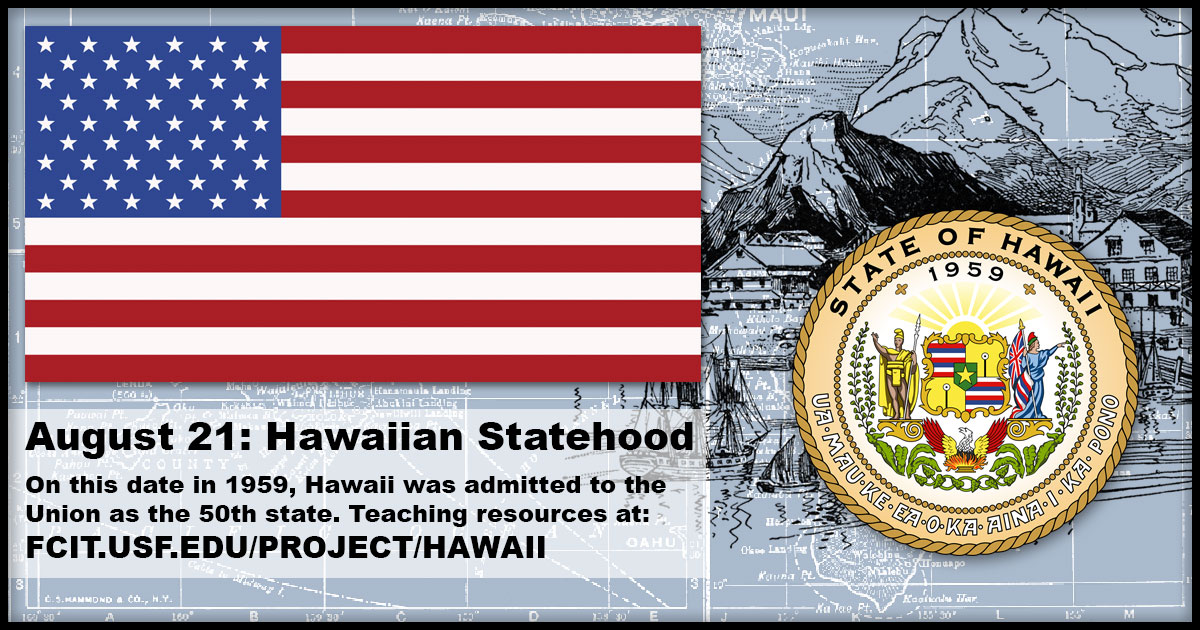
However, the process wasn’t complete. The act required the people of Hawaii to vote in a referendum, affirming their desire for statehood. On June 27, 1959, an overwhelming 94.3% of voters cast their ballots in favor of statehood. With this clear mandate, President Eisenhower issued Proclamation 3309 on August 21, 1959, officially declaring Hawaii the 50th state of the United States. The news was met with jubilation across the islands, marking a new chapter in their long and storied history.
Impact of Statehood on Travel and Tourism
Statehood brought about a profound transformation in Hawaii’s identity and its economic landscape, particularly for travel and tourism. Prior to 1959, travel to Hawaii was often considered an exotic and distant endeavor, primarily accessible by ship. With statehood, the islands became more accessible to mainstream American travelers. The advent of jet travel further revolutionized tourism, dramatically cutting down travel times and making a Hawaiian vacation a more feasible dream for millions.
The ensuing decades saw a boom in tourism infrastructure. New hotels and resorts sprouted up, particularly along famous stretches like Waikiki Beach on Oahu. Iconic establishments such as the Moana Surfrider and the Hilton Hawaiian Village expanded, and new luxury properties like the Four Seasons Resort Maui at Wailea and The Ritz-Carlton Kapalua on Maui began to define the high-end travel experience. Statehood also brought increased federal investment in airports, roads, and other essential infrastructure, further facilitating the influx of visitors. This period solidified Hawaii’s reputation as a world-class travel destination, offering a unique blend of American familiarity with exotic Polynesian charm and unparalleled natural beauty.
Experiencing the Aloha State Today: A Traveler’s Paradise
Today, Hawaii stands as a testament to its rich history and enduring appeal, a mosaic of vibrant cultures, breathtaking landscapes, and unparalleled opportunities for adventure and relaxation. Its journey to statehood laid the groundwork for the modern tourist haven it has become.
Iconic Destinations and Attractions
Each of Hawaii’s main islands offers a distinct flavor and a plethora of attractions:
-
Oahu: The Gathering Place
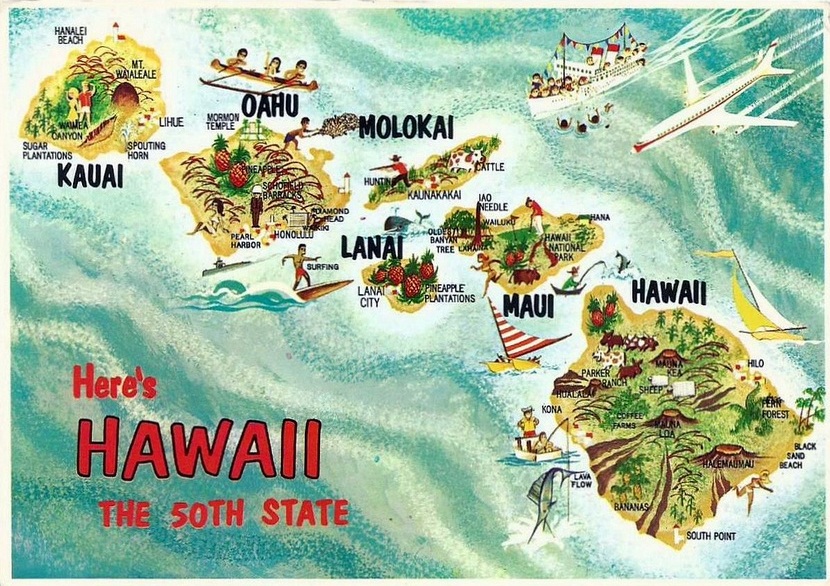
Home to the capital city of Honolulu, Oahu perfectly blends urban sophistication with natural beauty. Visitors flock to the legendary sands of Waikiki Beach, where surfing lessons and vibrant nightlife are staples. Hiking to the summit of Diamond Head offers panoramic views, while the solemn Pearl Harbor offers a profound historical experience. For surf enthusiasts, the North Shore beckons with its monstrous winter waves. Cultural immersion can be found at the Polynesian Cultural Center or through exploring the historic downtown of Honolulu and its famous Iolani Palace. Another must-visit is Hanauma Bay for incredible snorkeling. -
Maui: The Valley Isle
Known for its romantic charm and diverse landscapes, Maui is a favorite for luxury travelers and nature lovers. Witnessing the sunrise from the volcanic crater of Haleakala National Park is an unforgettable experience, as is driving the winding, scenic Road to Hana with its countless waterfalls and lush rainforests. The historic whaling town of Lahaina offers charming shops and dining, while the golden beaches of Wailea and Ka’anapali provide perfect settings for relaxation and water sports. -
Kauai: The Garden Isle
Kauai is a paradise for adventurers and those seeking raw, untamed beauty. The dramatic cliffs of the Na Pali Coast, best explored by helicopter, boat, or challenging hike, are truly iconic. Waimea Canyon, often called the “Grand Canyon of the Pacific,” offers stunning vistas. The island is also home to the Kauai Coffee Estate, where visitors can learn about and taste locally grown coffee. -
Big Island (Hawaii Island): The Orchid Isle
The youngest and largest of the islands, the Big Island is home to Hawaii Volcanoes National Park, where visitors can witness active volcanoes like Kilauea and stand atop the dormant giant Mauna Kea, a prime stargazing spot. The Kona side is famous for its coffee farms and calm waters ideal for snorkeling and diving, while Hilo on the east offers lush rainforests and waterfalls.
Diverse Accommodation Options
Hawaii’s statehood ushered in an era of diverse accommodation, catering to every travel style and budget. From opulent luxury resorts to charming boutique hotels and practical vacation rentals, the options are extensive.
Luxury travelers can indulge in world-class resorts offering lavish suites, private villas, and an array of amenities suchs as infinity pools, spas, and gourmet dining. Brands like Four Seasons, Ritz-Carlton, and Grand Hyatt are prevalent, providing unparalleled service and breathtaking oceanfront locations, often in areas like Wailea on Maui or Kailua-Kona on the Big Island. For those seeking more independence or longer stays, vacation rentals through platforms like Airbnb and VRBO offer everything from cozy apartments to expansive private homes, perfect for family trips or those desiring a local immersion. Budget-conscious travelers will find a range of comfortable hotels and guesthouses, especially in larger towns, ensuring that the magic of Hawaii is accessible to all.
Embracing Hawaiian Culture and Lifestyle
Beyond the beaches and volcanoes, a trip to Hawaii is an opportunity to immerse oneself in the unique Hawaiian culture. The Aloha Spirit is more than just a greeting; it’s a way of life, emphasizing kindness, compassion, and respect for the land and its people. Visitors can experience traditional hula performances, attend a luau to sample local delicacies like poi, lau lau, and kalua pig, and witness lei greetings, a beautiful symbol of welcome.
The islands offer an active lifestyle, from world-class surfing on Oahu’s North Shore to snorkeling in crystal-clear waters and hiking through lush rainforests. Trying local food, such as fresh poke, shave ice, and tropical fruits, is an essential part of the experience. Whether it’s a luxury getaway, a budget-friendly family trip, an adventurous solo journey, or a relaxing business stay, Hawaii offers a lifestyle for every visitor, deeply rooted in its heritage while embracing modernity.
Planning Your Hawaiian Escape: Tips for an Unforgettable Trip
Making the most of your Hawaiian adventure requires a bit of planning, ensuring you embrace both the history and the vibrant present of the islands.
Best Time to Visit and Inter-Island Travel
Hawaii enjoys pleasant weather year-round, but the peak tourist seasons are generally December to April (winter) and June to August (summer). Traveling during the shoulder seasons (April-May or September-November) can offer fewer crowds and potentially better deals on flights and accommodation. For inter-island travel, flying is the most common and efficient method, with numerous daily flights connecting the main islands. Booking these flights in advance is advisable, especially during peak times.
Essential Packing and Etiquette
When packing for Hawaii, think light layers, swimwear, sun protection (including reef-safe sunscreen to protect the delicate coral ecosystems), and comfortable walking shoes for exploring. A reusable water bottle is also a good idea. Regarding etiquette, remember to practice the Aloha Spirit by being respectful of the local culture, land (aina), and ocean (kai). Always ask for permission before entering private property, drive courteously, and dispose of trash properly. Learning a few basic Hawaiian phrases, like Aloha (hello/goodbye/love) and Mahalo (thank you), can also enhance your interactions.
Choosing Your Island Adventure
Deciding which island (or islands) to visit depends entirely on your travel style and preferences.
- Oahu is ideal for first-time visitors seeking a mix of city life, history, and famous beaches like Waikiki.
- Maui appeals to those looking for a luxurious, romantic escape with stunning scenery and diverse activities.
- Kauai is perfect for nature lovers and adventurers who crave lush landscapes, dramatic cliffs, and outdoor exploration.
- The Big Island offers a unique experience for those fascinated by volcanoes, stargazing, and vast, varied terrain.
- Molokai and Lanai offer more secluded, authentic experiences for travelers seeking tranquility and a deeper connection to local life, often with limited public access or specific resort focuses.
Consider a multi-island trip if time and budget allow, as this provides a comprehensive experience of Hawaii’s incredible diversity.
Sustainable Tourism and Preserving Paradise
As a popular destination, Hawaii faces unique challenges in balancing tourism with environmental preservation and cultural integrity. Practicing sustainable tourism is vital. This includes choosing eco-friendly accommodations, respecting protected areas, minimizing your environmental footprint, and supporting local businesses. Engage with the local culture thoughtfully, learn about the land, and contribute positively to the communities you visit. Initiatives like the Polynesian Voyaging Society promote cultural education and environmental stewardship, reminding us of the deep connection Hawaiians have to their islands. By being a mindful traveler, you can help ensure that the beauty and spirit of Hawaii endure for generations to come, from the bustling streets of Honolulu to the pristine sands of Lanikai Beach.
In conclusion, Hawaii’s statehood on August 21, 1959, was not merely a political act; it was a defining moment that cemented its place in the modern world while preserving its ancient roots. This journey, from ancient kingdoms to a U.S. state, has shaped a destination unlike any other. Whether drawn by the historical echoes of Pearl Harbor and Iolani Palace, the vibrant energy of Waikiki, the serene beauty of the Na Pali Coast, or the fiery landscapes of Hawaii Volcanoes National Park, Hawaii offers an experience that is as educational as it is breathtaking. As you plan your escape, remember that you’re not just visiting a collection of islands; you’re stepping into a living story, a testament to resilience, culture, and the enduring magic of the Aloha Spirit.
LifeOutOfTheBox is a participant in the Amazon Services LLC Associates Program, an affiliate advertising program designed to provide a means for sites to earn advertising fees by advertising and linking to Amazon.com. Amazon, the Amazon logo, AmazonSupply, and the AmazonSupply logo are trademarks of Amazon.com, Inc. or its affiliates. As an Amazon Associate we earn affiliate commissions from qualifying purchases.