
Navigating the origins of a sprawling metropolis like Houston, Texas can feel like tracing a vast river back to its humble beginnings. The question “When was Houston, Texas established?” doesn’t have a single, simple answer that perfectly encapsulates the city’s dynamic development. Instead, it’s a story woven from ambition, land speculation, and the foundational decisions made by its earliest founders. The generally accepted establishment date, a pivotal moment in its journey, points to August 30, 1836. This was the day brothers Augustus Chapman Allen and John Kirby Allen officially bought a tract of land along the Buffalo Bayou with the express purpose of founding a new city.
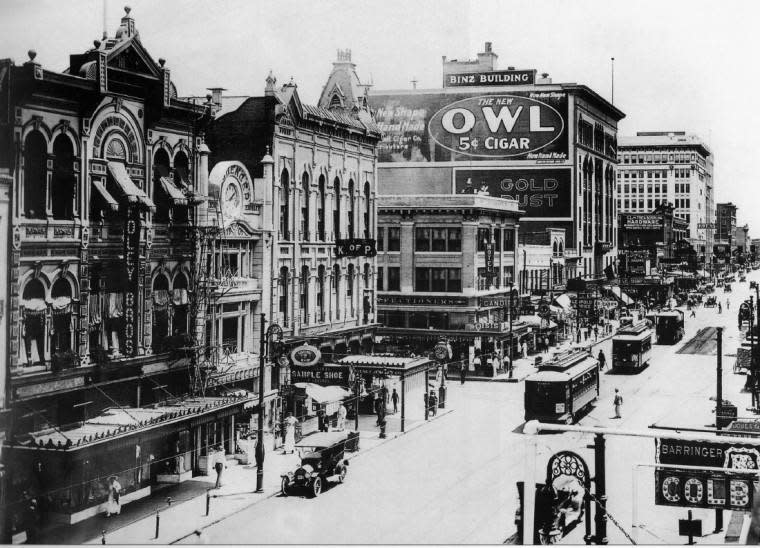
This date marks the formal inception of the city’s name and its plotted layout. However, the narrative of Houston, Texas’s establishment is richer and more nuanced, encompassing the preceding events that led to this purchase and the subsequent rapid growth that transformed this once-undeveloped landscape into a global hub. Understanding this establishment is key to appreciating the city’s enduring spirit and its significant role in Texas and beyond.
The Genesis of a City: Visionaries and the Land
The story of Houston, Texas begins with the vision of two ambitious brothers, Augustus Chapman Allen and John Kirby Allen. Having already established a successful real estate business, their sights were set on a grander prize: founding a new city in the burgeoning Republic of Texas. The timing was opportune. The Texan Revolution had recently concluded, securing independence from Mexico, and the new republic was eager for development and settlement.
The Allens’ Strategic Investment
The Allen brothers recognized the immense potential of the region. They saw Buffalo Bayou, a strategically located waterway, as a prime spot for a burgeoning commercial center. Its accessibility, coupled with the fertile land, offered the perfect ingredients for growth. Their purchase on August 30, 1836, from the widow of George Bernard Ervay, Elias Willis, and James T. R. McMillian for approximately $5,000 in notes of the Republic of Texas was a calculated gamble. This land, situated inland from the Gulf Coast but with navigable access via the bayou, was envisioned to become a gateway for trade and commerce.
The brothers were not merely buying land; they were investing in a future. Their promotional efforts were legendary, painting a picture of a bustling metropolis destined for greatness. They promised a city that would rival existing settlements, boasting of its strategic location and economic prospects. Their ambition was to create a city that would serve as the capital and a primary port of entry.
Naming and Initial Planning
The naming of the city is also a significant part of its establishment narrative. The Allen brothers chose to name their new venture “Houston” in honor of General Sam Houston, the hero of the Battle of San Jacinto and the first elected president of the Republic of Texas. This honor was not just a tribute; it was a shrewd political move, designed to garner favor and support from influential figures in the new republic.
Following the land purchase, the brothers, with the assistance of Gail Borden Jr. and his surveyor, Richard M. Fitch, laid out the original townsite. This grid-like plan, characteristic of many American cities, aimed to organize the settlement and facilitate its expansion. The initial blocks were relatively small, reflecting the prevailing urban planning standards of the era. This foundational planning was crucial, providing a structure upon which the city could grow and develop. The very act of surveying and platting the land solidified its status as a deliberate urban endeavor, rather than a haphazard settlement.
The Early Years: From Settlement to Capital
The establishment of Houston, Texas in 1836 was just the beginning of a rapid and transformative journey. The city’s early years were marked by intense growth, political significance, and the challenges inherent in building a new urban center in a frontier territory.
A Rapid Ascent to Prominence

Within a remarkably short period, Houston, Texas began to live up to the Allen brothers’ ambitious promises. Its strategic location at the head of navigation on Buffalo Bayou quickly made it a vital hub for trade and commerce. Cotton, the economic lifeblood of the region, was shipped through its port, and goods were imported to support the growing population. The city’s growth was fueled by a steady influx of settlers, drawn by the promise of economic opportunity and the allure of a new frontier.
The Allen brothers themselves played a crucial role in promoting the city. They advertised its advantages vigorously, attracting merchants, lawyers, doctors, and artisans. They invested in infrastructure, such as roads and wharves, to facilitate trade and make the city more attractive to new residents. The rapid construction of homes, businesses, and public buildings transformed the undeveloped land into a bustling town.
The Capital of the Republic of Texas
One of the most significant early milestones in Houston, Texas’s history was its selection as the capital of the Republic of Texas. In 1837, just a year after its founding, the capital was moved from Harrisburg to Houston, Texas. This decision was a testament to the city’s growing importance and the influence of its founders.
As the capital, Houston, Texas became the center of political activity in the young republic. Government buildings were constructed, and the city buzzed with the energy of political discourse and decision-making. This period solidified Houston, Texas’s position as a major player in the region and attracted further investment and attention. While the capital was eventually moved to Austin in 1839, its tenure as the seat of government left an indelible mark on the city’s identity and development.
Challenges and Resilience
Despite its rapid rise, Houston, Texas faced numerous challenges in its early years. Like many frontier towns, it contended with issues such as disease, limited sanitation, and occasional lawlessness. The subtropical climate brought humidity and heat, and the proximity to the bayou meant mosquito-borne illnesses were a constant concern.
However, the spirit of resilience and optimism that characterized the era also defined Houston, Texas. The city’s inhabitants were determined to build a thriving community, and they worked together to overcome obstacles. The vibrant commercial activity and the influx of new residents provided a constant impetus for progress. The establishment date of August 30, 1836, therefore, represents not just a legal founding but the commencement of an era of determined effort and remarkable achievement.
Houston’s Enduring Legacy: From Establishment to Modern Metropolis
The establishment of Houston, Texas on August 30, 1836, was the spark that ignited a transformative journey. From its humble beginnings as a speculative real estate venture to its current status as a global economic powerhouse and the fourth-largest city in the United States, Houston, Texas’s trajectory is a testament to visionary leadership, strategic location, and the relentless spirit of its people. The core principles of trade, ambition, and community that defined its founding continue to shape its identity today.
The Economic Engine of the South
The foundational decision to locate Houston, Texas along Buffalo Bayou proved to be prescient. This waterway, eventually deepened and expanded into the Houston Ship Channel, transformed the city into one of the busiest ports in the world. This maritime gateway facilitated the export of goods, most notably oil and gas, and the import of raw materials and manufactured products, fueling decades of economic prosperity.
The discovery of oil in East Texas in the early 20th century, particularly the Spindletop gusher, propelled Houston, Texas to the forefront of the petroleum industry. The city became the undisputed energy capital of the world, attracting major oil companies, related industries, and a skilled workforce. This concentration of energy expertise laid the groundwork for the diversification of the city’s economy, which now includes strong sectors in aerospace, healthcare, and technology. Today, iconic institutions like the Texas Medical Center stand as testaments to this economic evolution, drawing top talent and driving innovation.
A Hub for Exploration and Innovation
The spirit of exploration and innovation that marked Houston, Texas’s early days continues to thrive. The city’s commitment to progress is perhaps most famously exemplified by its deep ties to the space industry. The establishment of NASA’s Johnson Space Center in 1961 cemented Houston, Texas as “Space City.” This iconic landmark, home to Mission Control, has played a pivotal role in human space exploration, from the Apollo missions to the ongoing endeavors of the International Space Station. The presence of the Space Center Houston, a leading science and space exploration learning center, further underscores the city’s dedication to pushing the boundaries of human knowledge.
Beyond space, Houston, Texas is a center for scientific research and technological advancement. Its robust university system, including institutions like Rice University and the University of Houston, fosters a culture of discovery and entrepreneurship. This intellectual capital, combined with strategic investments in research and development, ensures that Houston, Texas remains at the cutting edge of innovation, attracting talent and businesses from around the globe.
A Diverse and Dynamic Cultural Tapestry
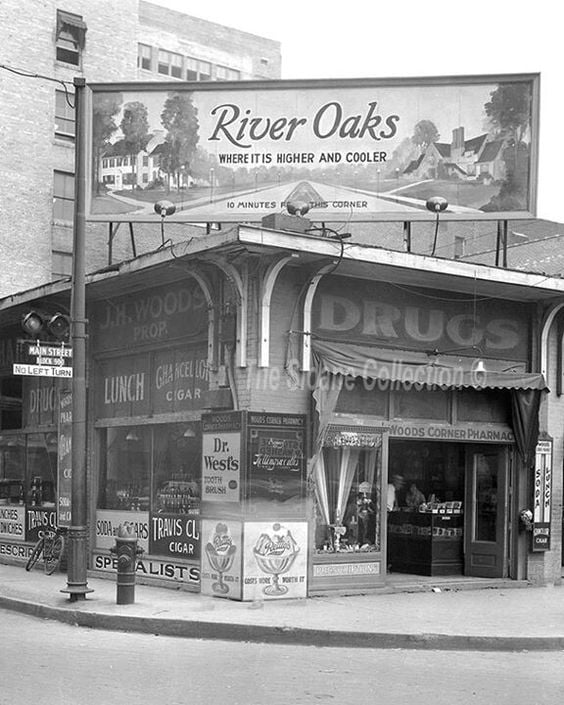
From its earliest days, Houston, Texas has been a melting pot of cultures, a characteristic that has only intensified over time. The city’s rapid growth attracted people from all walks of life and from across the world, creating a rich and diverse cultural tapestry. This diversity is reflected in its vibrant culinary scene, which offers an astonishing array of global cuisines, from authentic Tex-Mex and Vietnamese pho to world-class fine dining.
The city also boasts a thriving arts and culture scene. World-renowned institutions like the Museum of Fine Arts, Houston and the Houston Symphony Orchestra provide residents and visitors with unparalleled cultural experiences. The Theater District is one of the largest in the nation, offering a diverse range of performances. Furthermore, the city’s numerous parks and green spaces, such as Discovery Green, offer residents opportunities for recreation and relaxation, contributing to a high quality of life. The establishment of Houston, Texas laid the groundwork for a city that is not only economically powerful but also culturally rich and dynamically diverse, continuing to evolve and inspire as it moves forward.
LifeOutOfTheBox is a participant in the Amazon Services LLC Associates Program, an affiliate advertising program designed to provide a means for sites to earn advertising fees by advertising and linking to Amazon.com. Amazon, the Amazon logo, AmazonSupply, and the AmazonSupply logo are trademarks of Amazon.com, Inc. or its affiliates. As an Amazon Associate we earn affiliate commissions from qualifying purchases.