
The dynamic metropolis of Houston, Texas, a sprawling hub of innovation, culture, and industry, traces its origins back to the late summer of 1836. On August 30th of that year, two brothers, Augustus Chapman Allen and John Kirby Allen, acting as real estate entrepreneurs, officially founded the city that would eventually become the fourth-largest in the United States. Their vision was ambitious: to establish a major commercial and population center at the headwaters of Buffalo Bayou, capitalizing on its potential as a navigable waterway and gateway to the burgeoning Republic of Texas. This foundational moment laid the groundwork for a city that would grow far beyond their initial imaginings, transforming from a humble settlement into a global powerhouse known for its energy, aerospace, and medical industries, offering a diverse array of experiences for travelers and residents alike.
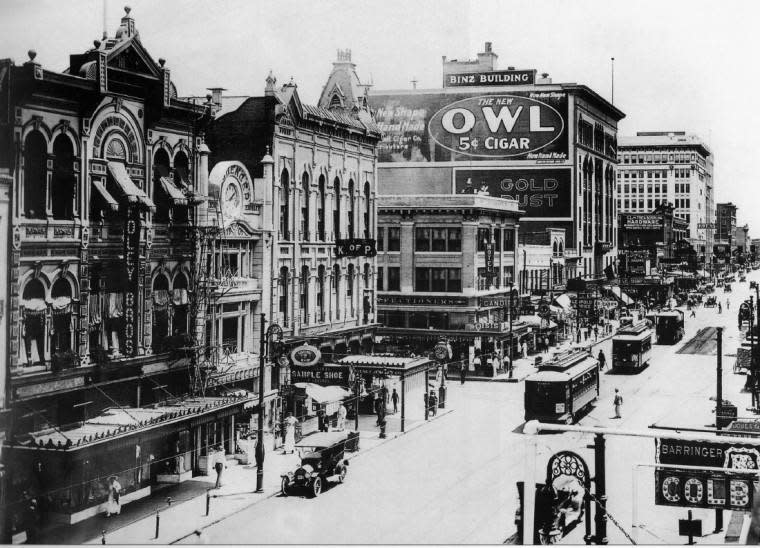
Understanding Houston’s founding is not merely a historical curiosity; it provides crucial context for appreciating the city’s unique identity, its strategic development, and its enduring appeal as a destination for travel, tourism, and accommodation. From its early days as the capital of a newly independent nation to its present status as a magnet for international visitors, Houston’s journey is a fascinating narrative of ambition, resilience, and relentless growth.
The Founding Story of Houston: A Vision on the Bayou
The story of Houston’s inception is intrinsically linked to the spirit of opportunity and land speculation that characterized Texas in the wake of its independence from Mexico. The Allen Brothers, hailing from New York City, arrived in Texas in 1832 with a keen eye for potential. Following the Texan victory at San Jacinto in April 1836, which secured the republic’s independence, the brothers saw an unparalleled opportunity to create a new commercial hub.
On August 26, 1836, they purchased 6,642 acres of land along the west bank of Buffalo Bayou, near its confluence with White Oak Bayou, for a mere $1.40 an acre. Just four days later, on August 30, they officially founded the town, naming it after General Sam Houston, the hero of San Jacinto and the first president of the Republic of Texas. This strategic naming aimed to curry favor with the newly established government and attract settlers and investment.
The Allen Brothers wasted no time in marketing their nascent city. They placed advertisements in newspapers across the United States, touting Houston as the future commercial and governmental center of the Republic of Texas. Their prospectus highlighted the navigability of Buffalo Bayou (perhaps with a touch of optimistic exaggeration for larger ships in those early days), the fertile lands, and the promise of rapid growth.
Their efforts paid off remarkably quickly. In December 1836, the provisional government of the Republic of Texas designated Houston as its temporary capital. This pivotal decision brought an immediate influx of politicians, merchants, and settlers, transforming the rudimentary settlement of tents and log cabins into a bustling, if rough-around-the-edges, town. Despite the challenges of muddy streets, frequent outbreaks of disease, and primitive living conditions, the population swelled, and the city began to take shape. This early period of rapid development and its status as a governmental center laid the essential groundwork for what would become one of America’s most significant cities. It established Houston’s reputation for ambitious growth and entrepreneurial spirit, themes that would continue to define its trajectory for centuries to come. The founding was not just about establishing a town; it was about laying the cornerstone of a future economic and cultural titan, perfectly positioned to leverage the vast resources and burgeoning opportunities of the Texas frontier.
From Republic Capital to Global Metropolis: Houston’s Dynamic Evolution
While Houston’s tenure as the capital of the Republic of Texas was relatively brief, ending in 1839 when the government moved to Austin, this early political prominence sparked a momentum that would fuel its incredible growth over the subsequent decades. The city quickly pivoted from political aspirations to commercial realities, leveraging its strategic location and burgeoning infrastructure to become a powerhouse.
The Cotton and Railroad Boom
In the mid-19th century, Houston cemented its position as a vital transportation and trade hub. The Buffalo Bayou, despite its initial limitations, became the primary artery for shipping cotton, the dominant cash crop of Texas, to the Gulf Coast and beyond. The city’s determination to improve its waterways led to constant dredging and development, culminating in the monumental creation of the Houston Ship Channel in the early 20th century. This ambitious engineering feat transformed Houston into a deep-water port, directly connecting it to the Gulf of Mexico and international trade routes, making it one of the busiest ports in the world.
Simultaneously, Houston became the undisputed railroad capital of Texas. By the late 1800s, multiple rail lines converged in the city, efficiently moving agricultural goods, lumber, and other commodities to and from its port. This intricate network of rail and water transportation solidified Houston’s role as the economic engine of the state, attracting diverse businesses and a growing population. The infrastructure investments made during this period were crucial, laying the groundwork for a city designed for commerce and connectivity, traits that remain central to its identity today. Travelers interested in the city’s rich history can still see remnants of this era in the historic architecture of Downtown Houston, particularly around the old rail yards and port areas.
The Oil Industry and Space Age
The discovery of oil at Spindletop near Beaumont in 1901 heralded a new era of explosive growth and unparalleled prosperity for Houston. The city, with its established infrastructure and entrepreneurial spirit, quickly became the administrative and financial center of the booming Texas oil industry. Major energy companies established their headquarters here, bringing with them a surge in population, wealth, and technological advancement. Houston became synonymous with oil, petrochemicals, and refining, drawing talent and investment from around the globe. This era also saw the rapid expansion of the Port of Houston to handle the vast quantities of petroleum products.
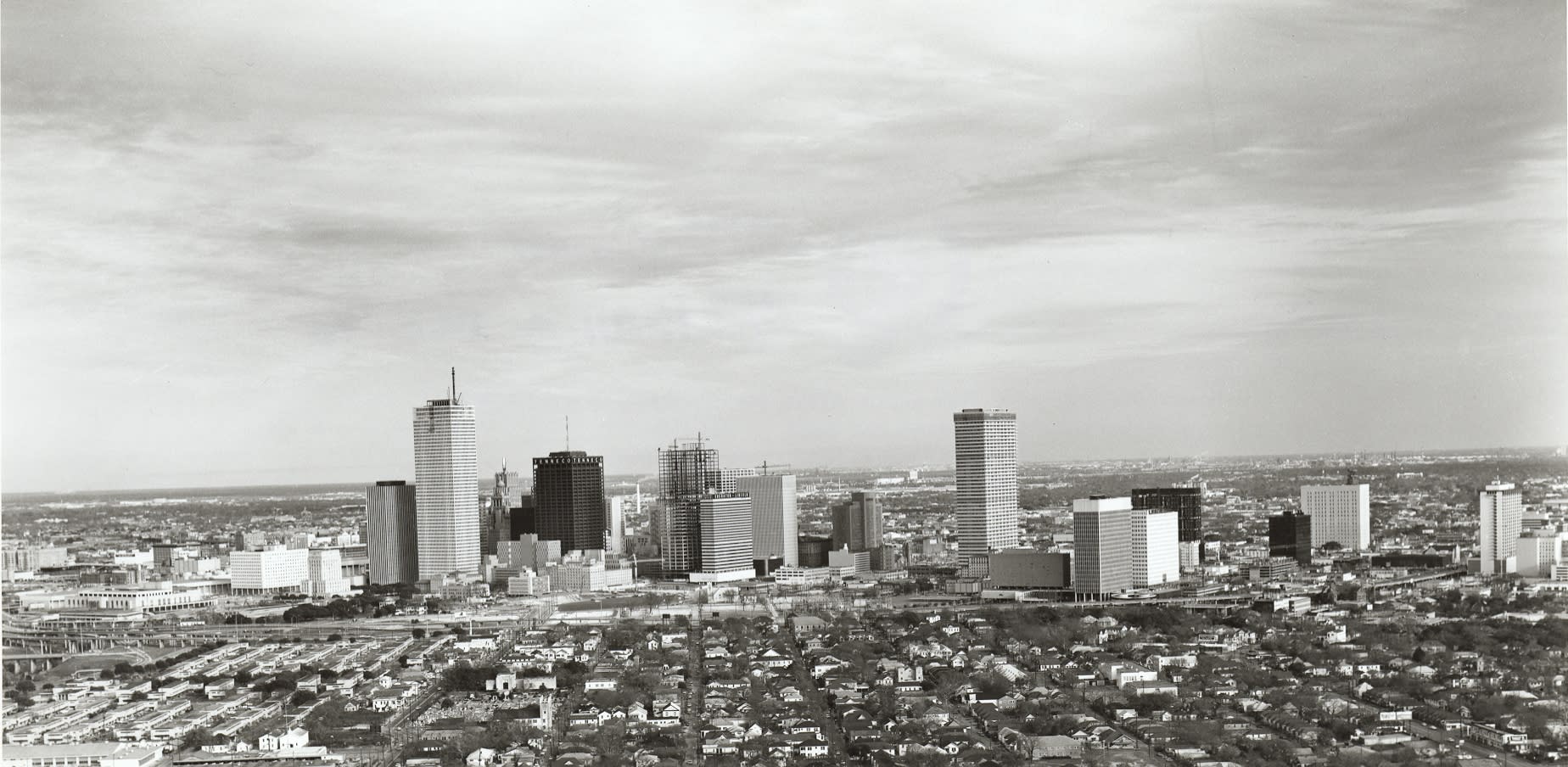
The mid-20th century brought another transformative development: the space race. In 1961, NASA selected Houston as the site for its Manned Spacecraft Center, now famously known as the NASA Johnson Space Center. This decision diversified Houston’s economic base, adding aerospace engineering and scientific research to its already formidable portfolio. The phrase “Houston, we have a problem” entered the global lexicon, forever linking the city to humanity’s endeavors in space. The presence of NASA further cemented Houston’s reputation as a city of innovation and scientific excellence, attracting a highly educated and diverse workforce. Today, Space Center Houston remains one of the city’s premier tourist attractions, allowing visitors to delve into the marvels of space exploration. The convergence of these powerful industries – energy, shipping, and aerospace – along with the continuous growth of the world-renowned Texas Medical Center, has forged Houston into the international, multicultural, and economically robust city it is today.
Experiencing Houston Today: A Modern Travel Destination
For modern travelers, Houston offers a captivating blend of history, culture, innovation, and Southern charm. Its legacy as a city built on ambition and diverse industries is reflected in its eclectic attractions, vibrant culinary scene, and welcoming atmosphere. It’s a destination where you can delve into the past, explore the cutting edge of science, and indulge in world-class dining and entertainment.
Iconic Landmarks and Attractions
Houston boasts an impressive array of landmarks and attractions that cater to every interest. The Museum District is a cultural jewel, home to 19 museums, galleries, and cultural centers, many of which offer free admission. Visitors can wander through the impressive collections at the Museum of Fine Arts, Houston, uncover prehistoric wonders at the Houston Museum of Natural Science, or explore the thought-provoking exhibits at the Contemporary Arts Museum Houston. Adjacent to the Museum District is Hermann Park, a sprawling urban oasis perfect for picnics, paddle boating, or visiting the Houston Zoo.
For those fascinated by space, a visit to Space Center Houston is a must. This official visitor center for NASA Johnson Space Center provides an immersive journey through space exploration, featuring authentic spacecraft, moon rocks, and interactive exhibits. Sports enthusiasts can catch a Major League Baseball game at Minute Maid Park, home of the Houston Astros, or experience the electrifying energy of a Houston Livestock Show and Rodeo event at NRG Park.
Urban green spaces like Discovery Green in Downtown Houston and Buffalo Bayou Park offer serene escapes with public art, walking trails, and often host free concerts and events. The sheer variety ensures that whether you’re interested in history, art, science, or simply relaxing in a beautiful setting, Houston has something unique to offer.
Culinary Delights and Local Culture
Houston’s cultural landscape is as diverse as its population, a melting pot of global influences that has created an incredibly rich and varied experience for visitors. The city is renowned for its exceptional food scene, which spans from world-class fine dining to humble food trucks serving up authentic global flavors. Tex-Mex cuisine, barbecue, and Gulf seafood are staples, but Houston also boasts thriving Vietnamese, Nigerian, Indian, and Central American culinary traditions, among many others. Food tourism is a significant draw, with neighborhoods like Bellaire Chinatown and the Mahatma Gandhi District offering immersive gastronomic adventures.
The city’s commitment to the arts is evident in its vibrant Theater District, one of only a handful in the United States to host resident companies for all major performing arts: ballet, opera, symphony, and theater. Venues like the Wortham Theater Center and the Alley Theatre regularly stage acclaimed performances. Throughout the year, Houston hosts numerous festivals and events celebrating its diverse heritage, from the annual Houston International Festival to cultural parades and music events. This rich tapestry of food, art, and community events truly makes Houston a destination where visitors can deeply engage with local culture and create unforgettable memories.
Where to Stay: Houston’s Accommodation Landscape
As a major global city, Houston offers an extensive range of accommodation options to suit every taste, budget, and travel style. Whether you’re seeking luxurious indulgence, family-friendly convenience, or a practical base for business, the city’s diverse neighborhoods present a multitude of choices.
Luxury and Boutique Stays
For travelers seeking an opulent experience, Houston excels in luxury accommodations, particularly in areas like Uptown Houston and Downtown Houston. Uptown Houston, centered around the iconic Galleria shopping complex, is home to lavish hotels such as The Post Oak Hotel at Uptown Houston, known for its exquisite design, world-class amenities, and impeccable service. Other top-tier options include the Four Seasons Hotel Houston in the heart of downtown, offering a sophisticated urban retreat with exceptional dining and spa facilities.
For a more personalized and artistic experience, boutique hotels like Hotel ZaZa Museum District provide unique decor, themed suites, and an intimate atmosphere, often with stunning views of nearby cultural institutions. In the trendy Montrose neighborhood, the Kimpton Hotel Saint George blends luxury with a bohemian flair, reflecting the area’s vibrant arts scene. These establishments cater to those who appreciate refined aesthetics, bespoke services, and an elevated travel lifestyle, ensuring a memorable and comfortable stay amidst Houston’s grandeur.
Family-Friendly and Budget-Conscious Options
Houston is also incredibly accommodating for families and budget-conscious travelers, with a wide array of options designed for comfort and value. Many popular hotel chains offer properties strategically located near major attractions like Space Center Houston or the NRG Park complex, providing easy access to family activities. Hotels with amenities such as swimming pools, complimentary breakfast, and shuttle services are readily available.
For extended stays or those preferring apartment-style living, brands like Hyatt House and Residence Inn by Marriott offer suites with fully equipped kitchens, separate living areas, and pet-friendly policies, ideal for longer trips or larger groups. These options provide the convenience of home combined with hotel services, making them a practical choice for family vacations or business travelers seeking more space. Additionally, numerous mid-range hotels and motels are spread throughout the city and its surrounding suburbs, providing clean, comfortable, and affordable lodging without sacrificing convenience. With options ranging from upscale to economical, Houston ensures that every visitor can find an ideal accommodation solution that aligns with their travel plans and financial considerations, allowing for a stress-free exploration of the city’s many wonders.
Planning Your Houston Lifestyle Experience
To fully appreciate Houston’s multifaceted appeal, a thoughtful approach to planning your visit is key. Given the city’s vast size and diverse offerings, understanding its layout and leveraging its resources will enhance your travel experience, whether you’re here for a short getaway or a longer exploration.
Tips for First-Time Visitors
For first-time visitors, navigating Houston can seem daunting due to its sheer scale. While a car is often recommended for maximum flexibility, the city also offers a growing public transportation system, including the METRORail which connects Downtown, the Museum District, the Texas Medical Center, and NRG Park. Ride-sharing services are also widely available.
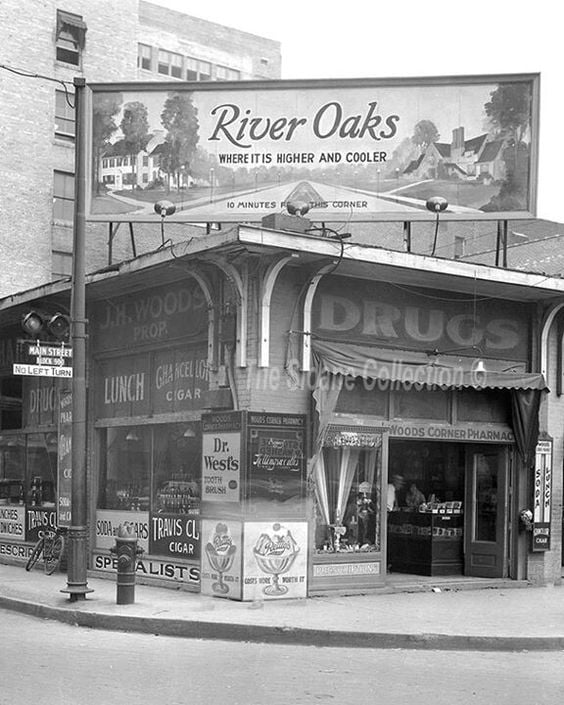
The best time to visit is typically during the spring (March to May) and fall (September to November) when the weather is mild and pleasant, ideal for outdoor activities and exploring parks like Memorial Park or Buffalo Bayou Park. Summers can be hot and humid, but this is offset by numerous indoor attractions and air-conditioned venues. Be sure to explore different neighborhoods, each with its own distinct character: from the historic charm of Heights with its Victorian homes and boutique shops to the upscale elegance of River Oaks and the vibrant arts scene of Montrose. Checking local event calendars before your trip can also help you catch unique festivals, concerts, or exhibitions, further enriching your lifestyle experience in Houston.
Beyond the City Center
While Houston’s urban core offers an endless array of activities, extending your exploration beyond the city limits reveals even more of Texas’s charm. A popular day trip destination is Galveston Island, a historic port city on the Gulf Coast just an hour’s drive south. Galveston offers beautiful beaches, Victorian architecture, the thrilling Pleasure Pier, and the lively Kemah Boardwalk, providing a refreshing seaside escape.
Nature enthusiasts might consider a visit to Brazos Bend State Park, located southwest of the city, where you can observe alligators, diverse birdlife, and enjoy hiking trails amidst lush Texas wetlands. For those flying in or out, George Bush Intercontinental Airport (IAH) serves as a major international gateway, while William P. Hobby Airport (HOU) offers convenient domestic travel options, ensuring easy access to and from this remarkable region. Whether you seek urban adventure, cultural immersion, or a tranquil natural retreat, Houston and its surroundings provide a comprehensive and enriching travel experience for every type of visitor.
In conclusion, Houston’s journey from its founding on August 30, 1836, by the Allen Brothers to its current status as a global leader has been nothing short of spectacular. It’s a city that embodies the spirit of innovation and opportunity, constantly reinventing itself while honoring its rich history. For those planning their next adventure, Houston offers a compelling narrative, world-class attractions, diverse culinary experiences, and an accommodation landscape to suit every need, making it an unmissable destination for travel enthusiasts.
LifeOutOfTheBox is a participant in the Amazon Services LLC Associates Program, an affiliate advertising program designed to provide a means for sites to earn advertising fees by advertising and linking to Amazon.com. Amazon, the Amazon logo, AmazonSupply, and the AmazonSupply logo are trademarks of Amazon.com, Inc. or its affiliates. As an Amazon Associate we earn affiliate commissions from qualifying purchases.