
Florida’s relationship with hurricanes is a long and often dramatic one. The Sunshine State, with its extensive coastline and southern latitude, is particularly susceptible to these powerful tropical cyclones. Understanding the history of hurricanes in Florida is crucial for residents, businesses, and especially for those planning a visit. This knowledge not only sheds light on the state’s resilience but also informs preparedness and appreciation for the natural forces that shape its landscape and culture.
The Anatomy of a Florida Hurricane
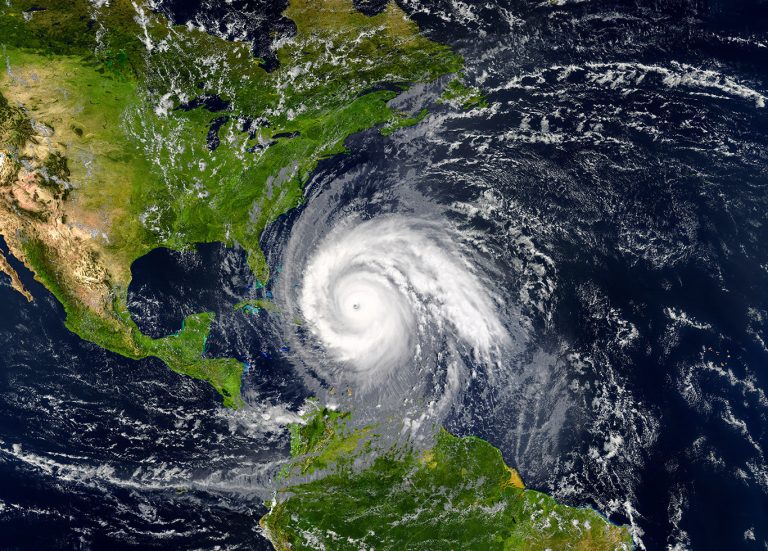
Before delving into specific historical events, it’s important to understand what constitutes a hurricane and why Florida is so frequently in its path. Hurricanes are powerful rotating storms that form over warm ocean waters. They are characterized by low-pressure centers, strong winds, and heavy rainfall, often accompanied by dangerous storm surges along coastal areas.

Formation and Seasonality
Hurricane season in the Atlantic basin, which includes the waters off Florida’s coast, officially runs from June 1st to November 30th each year. The peak of the season typically occurs between mid-August and late October. The warm waters of the Atlantic Ocean and the Caribbean Sea provide the energy needed for these storms to develop and intensify.
Florida’s Unique Vulnerability
Florida’s geography makes it a prime target. Its long, low-lying Atlantic and Gulf of Mexico coastlines are exposed to storms that can form anywhere in the western Atlantic. The state also frequently experiences a phenomenon known as “Florida’s bulge,” a curve in the coastline that can act as a funnel, guiding storms inland. Furthermore, the warm waters surrounding the peninsula, particularly the Gulf Stream, can fuel hurricanes, increasing their intensity as they approach the state. The devastating impacts of these storms, from wind damage to widespread flooding, have left an indelible mark on Florida’s history and development.
Landmark Hurricane Events in Florida History
Florida has weathered countless hurricanes throughout its recorded history, some of which stand out for their sheer destructive power and lasting impact. These events have shaped communities, influenced building codes, and are etched into the collective memory of the state.
The Great Miami Hurricane of 1926
This Category 4 hurricane remains one of the most destructive storms to have ever struck South Florida. Making landfall in Miami on September 18, 1926, the storm brought with it sustained winds of 140 mph and a devastating storm surge. The economic boom of the Roaring Twenties in Miami was abruptly halted by this catastrophic event. The hurricane caused an estimated $150 million in damages, a staggering sum for the era, and led to widespread destruction of property, including many of the glamorous new buildings that symbolized the city’s rapid growth. The aftermath saw a significant economic downturn and a slowdown in development for years to come. It also highlighted the need for better storm preparedness and stronger construction standards in the region. The Vizcaya Museum and Gardens, though partially damaged, stood as a testament to the resilience of some structures.
Hurricane Okeechobee of 1928
Just two years after the 1926 storm, another powerful hurricane, then known as the “Great Okeechobee Hurricane,” struck Florida on September 16, 1928. This storm, which made landfall near West Palm Beach, was a Category 4 event with winds estimated at 145 mph. While the wind damage was severe, the most devastating aspect was the catastrophic storm surge that overwhelmed the poorly constructed dike around Lake Okeechobee. The lake’s waters surged northward, inundating vast areas and causing an estimated 2,500 to 3,000 deaths, primarily in the agricultural communities surrounding the lake. This disaster led to significant improvements in dike construction and flood control measures around the lake, a crucial step in protecting the inland communities.
Hurricane Andrew (1992)
Perhaps the most infamous modern hurricane to hit Florida, Hurricane Andrew made landfall near Homestead in South Florida on August 24, 1992, as a powerful Category 5 storm. With sustained winds reaching 165 mph and gusts over 175 mph, Andrew caused widespread and catastrophic damage across Miami-Dade County. The storm surge was immense, devastating coastal communities. The destruction was so severe that entire neighborhoods were leveled. Andrew’s impact led to a complete overhaul of Florida’s building codes, emphasizing stronger construction techniques and stricter enforcement, which has significantly improved the resilience of new structures against hurricane-force winds. The rebuilding effort in the affected areas was long and arduous, forever changing the landscape and the lives of those in its path.
Hurricane Charley (2004)

The 2004 hurricane season was particularly active for Florida, and Hurricane Charley was the first of several major storms to strike the state that year. Making landfall on August 13, 2004, near Gullivan Bay on the southwest coast, Charley was a relatively small but incredibly intense Category 4 hurricane. Its rapid intensification and fast-moving nature caught many by surprise. The storm’s track took it through the heart of the state, causing significant damage in areas like Punta Gorda and Orlando. The unusual track and intensity demonstrated that even seemingly smaller storms could pack a devastating punch.
Hurricane Irma (2017)
In September 2017, Hurricane Irma, a monstrous Category 5 storm at its peak over the Atlantic, made landfall in the Florida Keys and then on the southwestern coast of Florida as a Category 4 hurricane. Irma’s sheer size was its most terrifying characteristic, affecting nearly the entire state with widespread power outages, significant storm surge flooding in coastal areas like Miami Beach and Naples, and damaging winds far inland. The evacuation orders issued for much of the state were among the largest in U.S. history. Irma’s passage highlighted the interconnectedness of the state and the challenges of preparing for and recovering from a storm of such vast scale, impacting millions of Floridians.
Preparing for Florida’s Hurricane Season
While historical hurricanes are a testament to Florida’s vulnerability, they also serve as powerful reminders of the importance of preparedness. For visitors and residents alike, understanding the risks and taking proactive steps can significantly mitigate the impact of these natural events.
Understanding the Forecasts and Warnings
The National Hurricane Center plays a critical role in tracking and forecasting hurricanes. Staying informed through official channels, such as local news, the National Weather Service, and the National Hurricane Center’s website, is paramount. Recognizing the difference between a hurricane watch (conditions are possible within 48 hours) and a hurricane warning (conditions are expected within 36 hours) is essential for timely action.
Developing a Hurricane Plan
For residents, creating a comprehensive hurricane plan is a vital step. This includes identifying evacuation routes, securing property, preparing an emergency kit with food, water, medications, and essential supplies, and having a communication plan with family members. For travelers, checking the latest weather advisories before and during their trip is crucial. Many hotels in coastal areas, such as those in Key West or along the Treasure Coast, have detailed hurricane preparedness protocols in place for their guests.
Choosing the Right Time to Visit
While hurricanes can occur throughout the season, the risk is statistically lower during the early and late parts of the season (June and November). Travelers who are particularly concerned about hurricanes might consider visiting during these shoulder months. However, it’s important to remember that even during the peak season, many areas of Florida remain unaffected by major storms, and the state continues to welcome millions of tourists annually. Understanding the historical patterns and current forecasts allows for informed decisions about travel plans.
Resilience and Rebuilding: Florida’s Enduring Spirit
Despite the immense challenges posed by hurricanes, Florida has repeatedly demonstrated remarkable resilience and an unwavering spirit of rebuilding. The recovery efforts following major storms are often inspiring, showcasing the strength of communities coming together to support one another.
Community and Mutual Aid
In the wake of disaster, Floridians have a strong tradition of mutual aid. Neighbors help neighbors, volunteers mobilize, and organizations like the American Red Cross provide critical support. This sense of community is a vital component of the state’s ability to recover and rebuild.
Infrastructure and Economic Adaptation
Over time, Florida has learned from each hurricane. Building codes have been strengthened, infrastructure has been improved to withstand stronger winds and higher storm surges, and early warning systems have become more sophisticated. The tourism industry, a cornerstone of Florida’s economy, has also adapted, with many businesses investing in hurricane preparedness and robust recovery plans. This continuous adaptation is key to the state’s long-term viability and its ability to continue thriving despite the natural forces it faces. The lessons learned from past hurricanes have shaped a more resilient Florida, ready to face the future.
LifeOutOfTheBox is a participant in the Amazon Services LLC Associates Program, an affiliate advertising program designed to provide a means for sites to earn advertising fees by advertising and linking to Amazon.com. Amazon, the Amazon logo, AmazonSupply, and the AmazonSupply logo are trademarks of Amazon.com, Inc. or its affiliates. As an Amazon Associate we earn affiliate commissions from qualifying purchases.