
The Genesis of a Western Gem
The question of “When Was Idaho Founded?” delves into the historical and political genesis of the state known today as Idaho. Its journey from an unorganized territory to a fully-fledged state is a narrative woven with exploration, indigenous presence, resource discovery, and the ever-evolving tapestry of American expansion. Understanding its founding is not merely about a date on a calendar; it’s about appreciating the complex forces that shaped its identity and its eventual place within the United States.
The very notion of a distinct “founding” for a place like Idaho can be viewed through several lenses. For millennia, the land now recognized as Idaho was home to various indigenous peoples, whose ancestral presence predates any European arrival by thousands of years. Their existence, culture, and stewardship of the land form the deepest roots of the region’s history. Later, the arrival of explorers, fur traders, and missionaries marked the beginning of a new era, one that would ultimately lead to formal territorial and statehood designations. The most commonly accepted answer to “When was Idaho founded?” typically refers to the establishment of the Idaho Territory, a pivotal step towards statehood.
Early Inhabitants and Explorers
Before the concept of states and territories took hold, the vast expanse of what is now Idaho was the ancestral homeland of numerous Native American tribes. Among the most prominent were the Nez Perce, the Shoshone, the Bannock, and the Coeur d’Alene. These diverse groups possessed rich cultural traditions, intricate social structures, and a deep understanding of the natural environment, relying on hunting, fishing, and gathering for their sustenance. Their connection to the land was profound and enduring, shaping the very character of the region long before it was charted by outsiders.
The arrival of European and American explorers marked a significant turning point. The legendary expedition of Meriwether Lewis and William Clark in 1805-1806, traversing the rugged terrain in search of a water route to the Pacific Ocean, provided the first detailed accounts of the region’s geography and its inhabitants for the burgeoning United States. Their journey, though arduous, opened the door to increased interest and subsequent settlement. Following in their footsteps, fur traders like those from the Hudson’s Bay Company and independent American trappers began to establish a presence, driven by the lucrative beaver trade.
These early interactions, while often fraught with cultural misunderstandings, laid the groundwork for future claims and administrative structures. The establishment of trading posts and the gradual increase in non-indigenous population signaled the encroaching influence of external powers, setting the stage for more formal governance.
From Territory to Statehood: A Formal Beginning
The formal “founding” of Idaho as a distinct political entity is inextricably linked to the establishment of the Idaho Territory by an act of the U.S. Congress. This momentous event occurred on March 4, 1863. Prior to this designation, the land had been part of larger, loosely defined territories, such as Oregon Territory and later Washington Territory. The creation of the Idaho Territory was largely a consequence of westward expansion and the burgeoning population, particularly driven by the discovery of gold.

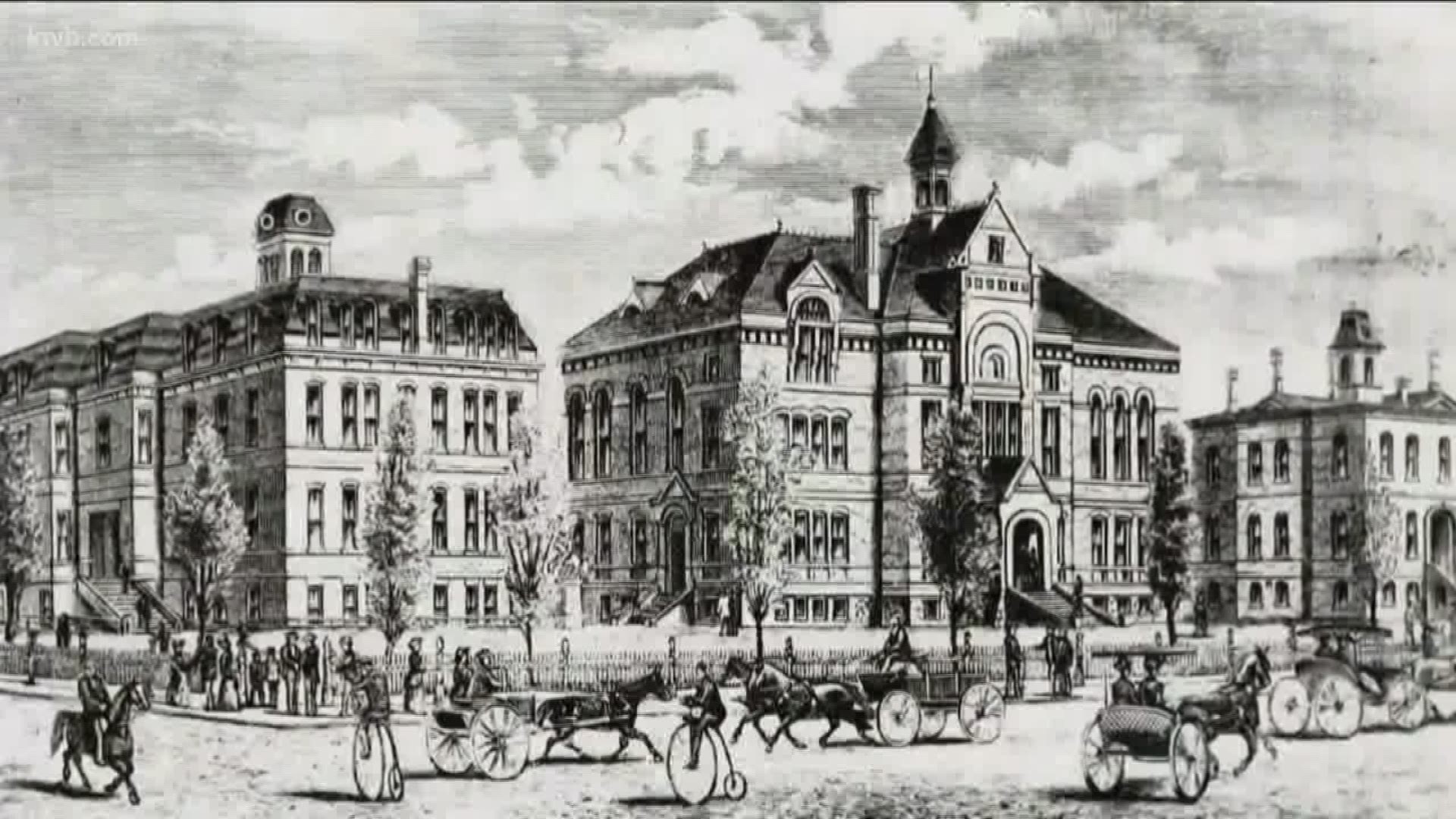
The gold rushes in the early 1860s, especially in areas like the Boise Basin and the Owyhee Mountains, dramatically increased the non-indigenous population and brought with it the need for a more organized form of government. The territorial government was established to provide law and order, facilitate land surveys, and manage the growing economic activity. The capital was initially located in Lewiston, but was later moved to Boise in 1865, where it remains today.
The early years of the Idaho Territory were characterized by rapid growth, challenges in establishing infrastructure, and ongoing conflicts with indigenous tribes whose lands were increasingly encroached upon. The territorial government was instrumental in defining boundaries, organizing counties, and laying the administrative foundations for the future state. This period of territorial governance was a crucial stepping stone, allowing the region to develop its own identity and institutions while remaining under federal oversight.
The Road to Statehood
Achieving statehood was a long and often complex process. For nearly three decades, Idaho operated as a territory, gradually building its population, economy, and political infrastructure. The admission of a territory to statehood required demonstrating a sufficient population, drafting a state constitution, and receiving approval from both the U.S. Congress and the President.
Several factors contributed to Idaho’s eventual statehood. The development of agriculture, particularly in the fertile valleys, and the continued importance of mining were key economic drivers. The construction of the railroad, a transformative force in the American West, further integrated Idaho into the national economy and facilitated further settlement. Politically, there was a growing desire for greater self-governance and representation at the federal level.
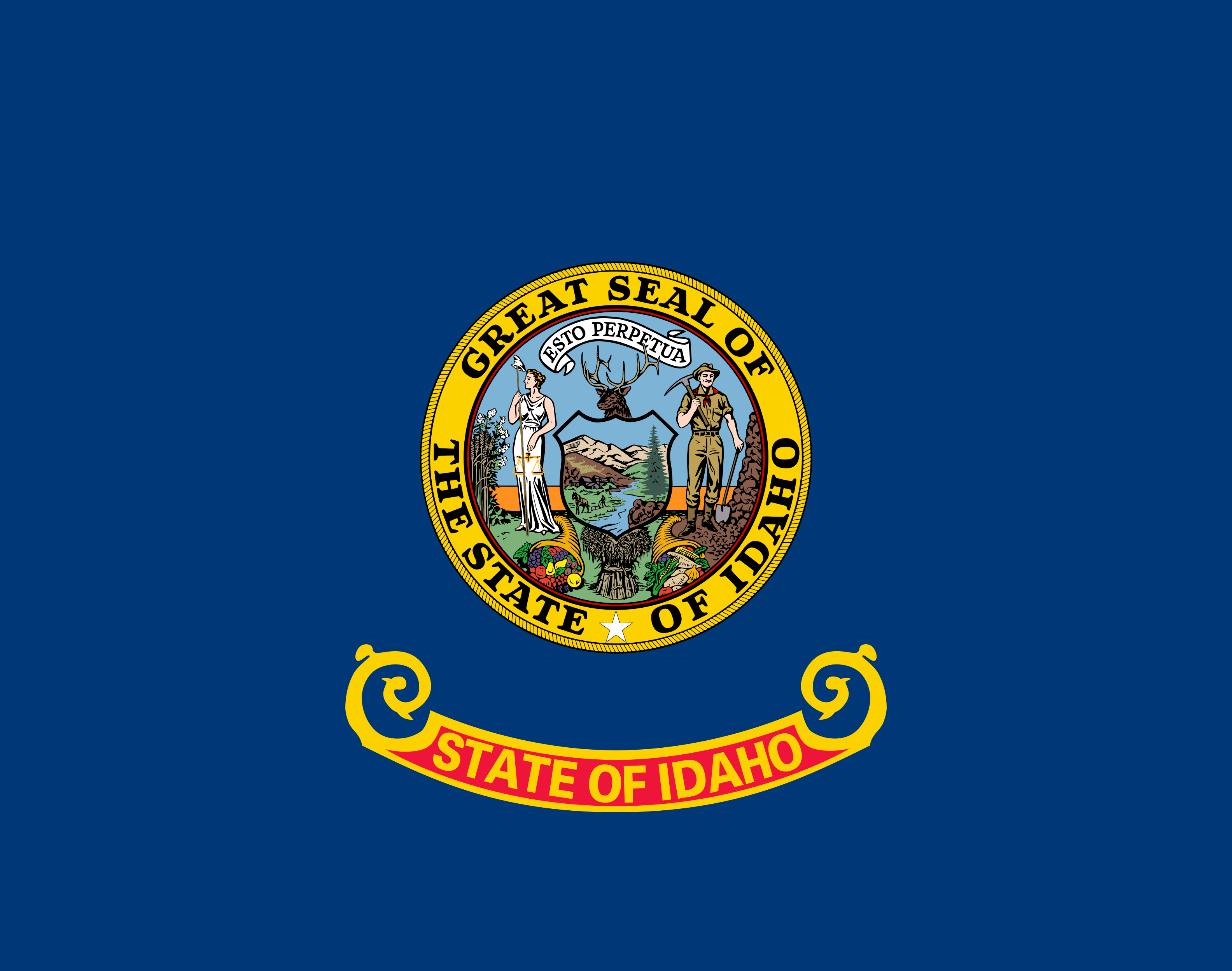
After several attempts and debates, Idaho was finally admitted to the Union as the 43rd state on July 3, 1890. This date marks the culmination of its journey from a vast, unorganized expanse of land to a self-governing entity. The proclamation of statehood by President Benjamin Harrison was a landmark moment, solidifying Idaho’s identity and its place as a sovereign state within the United States of America.
The Enduring Legacy of Idaho’s Founding
The historical moments that define the “founding” of Idaho—the ancestral presence of indigenous peoples, the explorations, the establishment of the territory, and the achievement of statehood—continue to shape the state’s identity and its appeal as a destination. While the date of territorial establishment (1863) and statehood (1890) are the formal answers to “When was Idaho founded?”, the story is much richer and more nuanced.
The legacy of the indigenous tribes is preserved in place names, cultural traditions, and the ongoing relationship between the state and its tribal nations. The spirit of exploration and pioneering continues to resonate in the rugged landscapes that attract adventurers and nature enthusiasts. The agricultural heartland, developed through hard work and innovation, remains a vital part of the state’s economy and character. And the burgeoning cities, like the state capital Boise, offer vibrant cultural scenes and modern amenities that stand in contrast to the wild beauty of the surrounding mountains and forests.
Understanding when Idaho was founded is more than just a historical fact; it’s an invitation to explore the layers of history that have created this unique corner of the American West. From its deep indigenous roots to its territorial beginnings and its vibrant present, Idaho offers a compelling narrative for anyone interested in the formation of American states and the enduring allure of the frontier. The foundations laid centuries ago continue to support a dynamic and diverse state, one that invites discovery at every turn.
LifeOutOfTheBox is a participant in the Amazon Services LLC Associates Program, an affiliate advertising program designed to provide a means for sites to earn advertising fees by advertising and linking to Amazon.com. Amazon, the Amazon logo, AmazonSupply, and the AmazonSupply logo are trademarks of Amazon.com, Inc. or its affiliates. As an Amazon Associate we earn affiliate commissions from qualifying purchases.