
The question “When was Las Vegas built?” doesn’t have a single, definitive answer, as this iconic desert metropolis wasn’t constructed in one grand endeavor but rather evolved through distinct phases of visionary ambition, economic shifts, and relentless reinvention. From its humble origins as a vital railroad stop to its current status as a global entertainment and hospitality titan, Las Vegas’s history is a testament to human ingenuity and the enduring allure of the frontier spirit. Tracing its architectural and urban development reveals a fascinating narrative of growth, shaped by water, legislation, and larger-than-life personalities who dared to dream big in the arid landscape of Nevada.
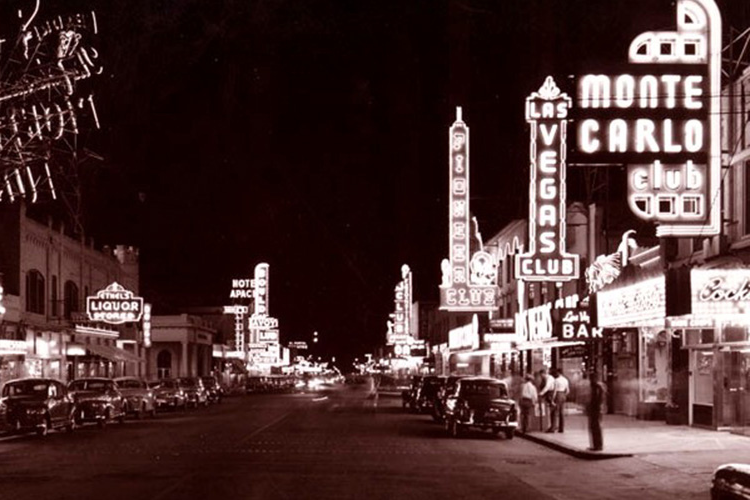
The Desert’s Oasis: Early Beginnings and the 1905 Land Auction
The very existence of Las Vegas can be attributed to a geographical anomaly: a series of natural springs that provided a rare and invaluable water source in the vast Mojave Desert. Long before the neon lights and towering resorts, this area was known as “The Meadows” by early Spanish explorers, a literal translation of “Las Vegas,” referring to the lush, spring-fed grasslands. These springs attracted native peoples for centuries, then later prospectors, ranchers, and most crucially, railroad developers.
From Railroad Stop to Township
The true genesis of the modern city can be pinpointed to the early 20th century. In 1902, the San Pedro, Los Angeles and Salt Lake Railroad, later absorbed by the Union Pacific Railroad, acquired a vast tract of land in the Las Vegas Valley. This strategic purchase was driven by the need for a water stop and service station for trains traveling between Los Angeles, California, and Salt Lake City, Utah. The railroad envisioned a town sprouting around this vital hub, complete with amenities for passengers and workers.
The pivotal moment arrived on May 15, 1905, with the famous land auction. The Union Pacific Railroad officially established the townsite of Las Vegas, parceling out 1,200 lots from its 110-acre downtown tract. Bidders from across the country converged, eager to capitalize on the promise of this new desert outpost. This auction is widely regarded as the founding date of Las Vegas as a municipality. The original town began around what is now Fremont Street, with hotels, saloons, and stores quickly emerging to serve the railroad workers and burgeoning population. The architecture of this era was utilitarian, reflecting the immediate needs of a frontier town: simple wooden structures, brick buildings, and functional infrastructure to support the railway and its associated industries.
The Allure of Water and Early Infrastructure
The natural springs remained the lifeblood of this nascent community, allowing for basic agriculture and sustaining the growing population. Early efforts focused on developing a rudimentary water system, diverting spring water to the town for residential and commercial use. This essential infrastructure laid the groundwork for future expansion, proving that life could not only survive but potentially thrive in this challenging environment. The early 20th century saw the slow but steady establishment of a civic identity, as the town incorporated in 1911 and began to lay the foundations for the utilities and services necessary for a permanent settlement.
The Hoover Dam and the Dawn of Development
While the 1905 land auction set the stage, it was a colossal engineering feat during the Great Depression that truly accelerated Las Vegas’s development and cemented its future as a regional powerhouse.
Fueling Growth During the Great Depression
The construction of the Hoover Dam (originally Boulder Dam), beginning in 1931, brought an unprecedented influx of workers, engineers, and their families to Southern Nevada. Thousands of men, desperate for work during the economic downturn, descended upon the region. While many resided in the purpose-built town of Boulder City, designed as a government-controlled community with strict moral codes, Las Vegas became their playground. It offered a stark contrast to Boulder City’s dryness, providing saloons, gambling houses, and entertainment options.
This massive project, completed in 1936, transformed the region. It provided much-needed hydroelectric power, facilitating the growth of industries and urban centers across the American Southwest, and more importantly for Las Vegas, it created a stable water supply through Lake Mead. The dam’s presence was a dual boon: it stimulated the local economy through direct employment and indirect spending, and it cemented the city’s future by ensuring resource availability for larger-scale development. The rough-and-tumble environment surrounding the dam construction fostered a culture that was receptive to a unique brand of entertainment.
Legalized Gambling and the Visionaries
Crucially, in 1931, the State of Nevada legalized gambling statewide. This legislative decision, coupled with the influx of dam workers and a progressive approach to liquor laws, created a fertile ground for a new type of economy. Las Vegas already had a reputation for frontier entertainment, but legalization allowed for the establishment of more formal casinos and resorts. Early visionaries, some with ties to organized crime, recognized the potential to create an entertainment destination.
The first major casino, the Northern Club, opened on Fremont Street in 1931, followed by others like the Golden Gate Hotel & Casino and the El Cortez. These early establishments were modest by today’s standards but began to define the city’s future. The construction of these casinos marked a shift from purely functional buildings to structures designed for leisure and spectacle, albeit on a smaller scale than what was to come.
The Birth of the Las Vegas Strip: Post-War Boom
The post-World War II era ignited an unprecedented building boom that fundamentally reshaped Las Vegas and gave birth to its most famous thoroughfare: the Las Vegas Strip.
Early Icons and Mob Influence

The true transformation began in the 1940s, primarily driven by figures with organized crime connections who saw immense potential in combining lavish accommodations, top-tier entertainment, and legal gambling. The pioneering resort on what would become the Las Vegas Strip was the El Rancho Vegas, which opened in 1941. It offered a new model: a hotel with a casino, a swimming pool, and live entertainment, all designed to attract tourists beyond just local gamblers.
However, it was Bugsy Siegel, a notorious gangster, who envisioned a true luxury resort that would define the city’s future. Despite cost overruns and controversy, his dream culminated in the opening of the Flamingo Hotel on December 26, 1946. The Flamingo Hotel was revolutionary for its time, boasting elegant rooms, a showroom for big-name entertainers, and a sophisticated casino. Its architecture, initially a departure from the rustic Western theme of earlier establishments, signaled a new era of opulent design and aspirational luxury. Other iconic resorts followed rapidly, including the Desert Inn (1950), the Sands Hotel and Casino (1952), and the Sahara Hotel and Casino (1952). These early resorts laid the architectural groundwork for the “Strip” as a string of independent, themed mega-properties, each vying for attention with increasingly elaborate designs and amenities.
Architectural Extravaganza and Mid-Century Modernism
The 1950s and 1960s were a period of rapid expansion and architectural experimentation. The influence of mid-century modernism was evident in many designs, characterized by clean lines, geometric shapes, and a futuristic aesthetic. Architects and designers were given considerable freedom to create structures that were both functional casinos and captivating spectacles. Resort owners understood that the building itself was part of the entertainment. The construction of resorts like Caesars Palace (1966), with its Roman Empire theme, marked a significant shift towards heavily themed architecture that transported guests to another world.
The city’s architectural identity became synonymous with extravagance, often blurring the lines between fantasy and reality. Structures were built not just for durability but for their visual impact, becoming landmarks in themselves. The sheer scale and rapid construction during this period transformed a dusty road into the vibrant, glittering boulevard we recognize today. The arrival of legitimate corporations and figures like Howard Hughes in the late 1960s began to push out the organized crime element, ushering in a new era of corporate ownership and even larger-scale development.
Transformation and Diversification: The Modern Era
The late 20th and early 21st centuries saw another monumental shift in Las Vegas’s development, moving beyond pure gambling to become a multifaceted global destination.
Corporate Takeover and Mega-Resorts
The 1980s and 1990s brought about a new wave of construction, characterized by the rise of corporate ownership and the development of integrated mega-resorts designed to attract families and a broader demographic. Visionary developers like Steve Wynn led this transformation, beginning with the opening of the Mirage in 1989. The Mirage, with its volcano, dolphin habitat, and lush tropical theme, ushered in an era of elaborate, immersive experiences. These resorts were not just casinos with hotels; they were self-contained worlds offering a vast array of dining, shopping, entertainment, and convention facilities.
The construction of properties like Excalibur (1990), Luxor (1993), MGM Grand (1993), New York-New York (1997), and the opulent Bellagio (1998) exemplified this trend. The Bellagio, in particular, raised the bar for luxury and sophistication, focusing on art, fine dining, and its iconic dancing fountains. Soon after, the Venetian Resort (1999) opened, meticulously recreating the canals and architecture of Venice, further pushing the boundaries of themed environments. These projects were immense in scale, requiring sophisticated engineering and architectural planning, often encompassing millions of square feet and costing billions of dollars. They redefined the skyline of Paradise, the unincorporated township in Clark County where much of the Strip resides.
Beyond Gambling: Entertainment and Culinary Capital
The shift wasn’t just in size but in focus. While gambling remained central, these new constructions integrated world-class shows like Cirque du Soleil, celebrity chef restaurants, high-end shopping malls, and massive convention centers. This diversification broadened Las Vegas’s appeal, attracting a wider range of visitors, including business travelers, foodies, and families.
The architecture reflected this diversification, with complex interiors designed for seamless transitions between different entertainment zones. From intricate themed facades to grand atriums and sprawling retail spaces, every element was meticulously planned to enhance the visitor experience. The early 21st century continued this trend with projects like CityCenter (2009), a massive urban complex featuring multiple hotels, residential towers, and a shopping mall, representing a move towards more contemporary, sleek, and environmentally conscious design, albeit with varying degrees of success (e.g., the incomplete Echelon Place, which later became Resorts World Las Vegas).
Enduring Legacy and Future Horizons
Las Vegas remains a city in perpetual motion, constantly “building” and rebuilding itself, adapting to new trends and technologies while preserving its unique identity.
The Architectural Landscape
Today, the architectural landscape of Las Vegas is a vibrant tapestry of styles, from the classic Rat Pack era hotels downtown to the colossal, futuristic structures on the Strip. Sustainability has become an increasingly important consideration in new developments, with resorts incorporating green building practices and renewable energy sources. The city continues to push the boundaries of design, utilizing cutting-edge technology for both structural integrity and visual spectacle. Each new construction project aims to outdo its predecessors, creating an ever-evolving showcase of human ambition and architectural innovation.
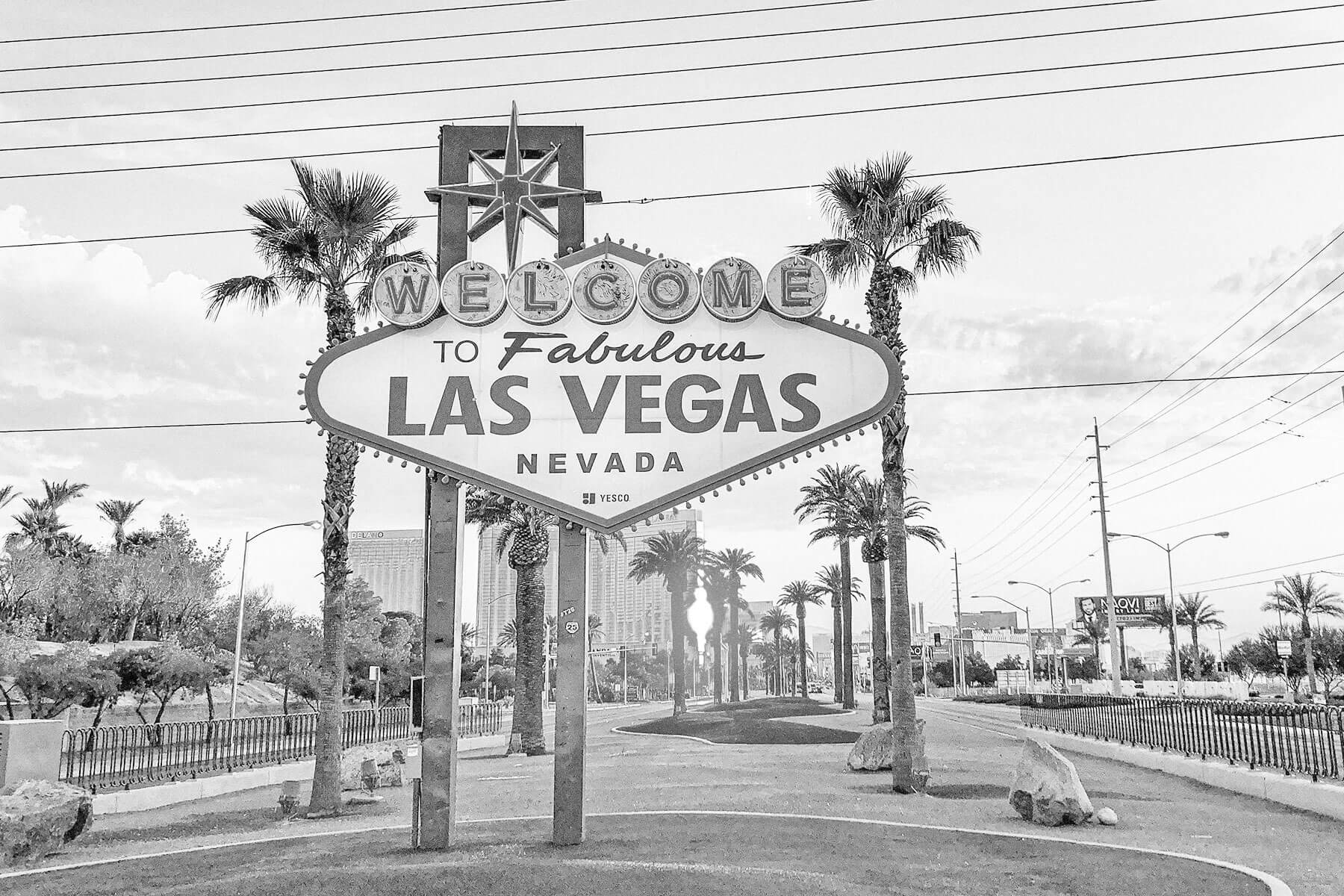
Las Vegas’s Ongoing Evolution
Las Vegas is not merely a collection of buildings; it is an ongoing project. Recent developments include major sports venues like Allegiant Stadium, home to the Las Vegas Raiders, and the spectacular MSG Sphere, an immersive entertainment venue that redefines architectural screens and digital art. These new landmarks demonstrate the city’s commitment to diversification beyond traditional gambling and entertainment, embracing sports and experiential technology. The core ethos of Las Vegas – to offer unparalleled experiences and escape – remains constant, continuously inspiring new constructions and urban transformations.
In essence, Las Vegas was founded in 1905, but its “building” has been a continuous process spanning over a century. From a desert railroad stop to a boomtown fueled by the Hoover Dam and legalized gambling, and finally to a global entertainment and convention hub driven by mega-resorts, its growth reflects distinct eras of architectural innovation and urban planning. It is a city that never truly stops being built, perpetually reinventing itself for the next generation of dreamers and visitors.
LifeOutOfTheBox is a participant in the Amazon Services LLC Associates Program, an affiliate advertising program designed to provide a means for sites to earn advertising fees by advertising and linking to Amazon.com. Amazon, the Amazon logo, AmazonSupply, and the AmazonSupply logo are trademarks of Amazon.com, Inc. or its affiliates. As an Amazon Associate we earn affiliate commissions from qualifying purchases.