
The tragedy that unfolded on the Las Vegas Strip on October 1, 2017, remains a deeply etched moment in the collective memory, particularly for those with ties to the city or who were present during the horrific events. While the question of “When Was the Las Vegas Shooting?” is straightforward, understanding the context, impact, and the subsequent journey of healing and remembrance necessitates a deeper dive. This article aims to provide a comprehensive overview, framed within the broader context of travel, tourism, and the enduring spirit of a vibrant city.
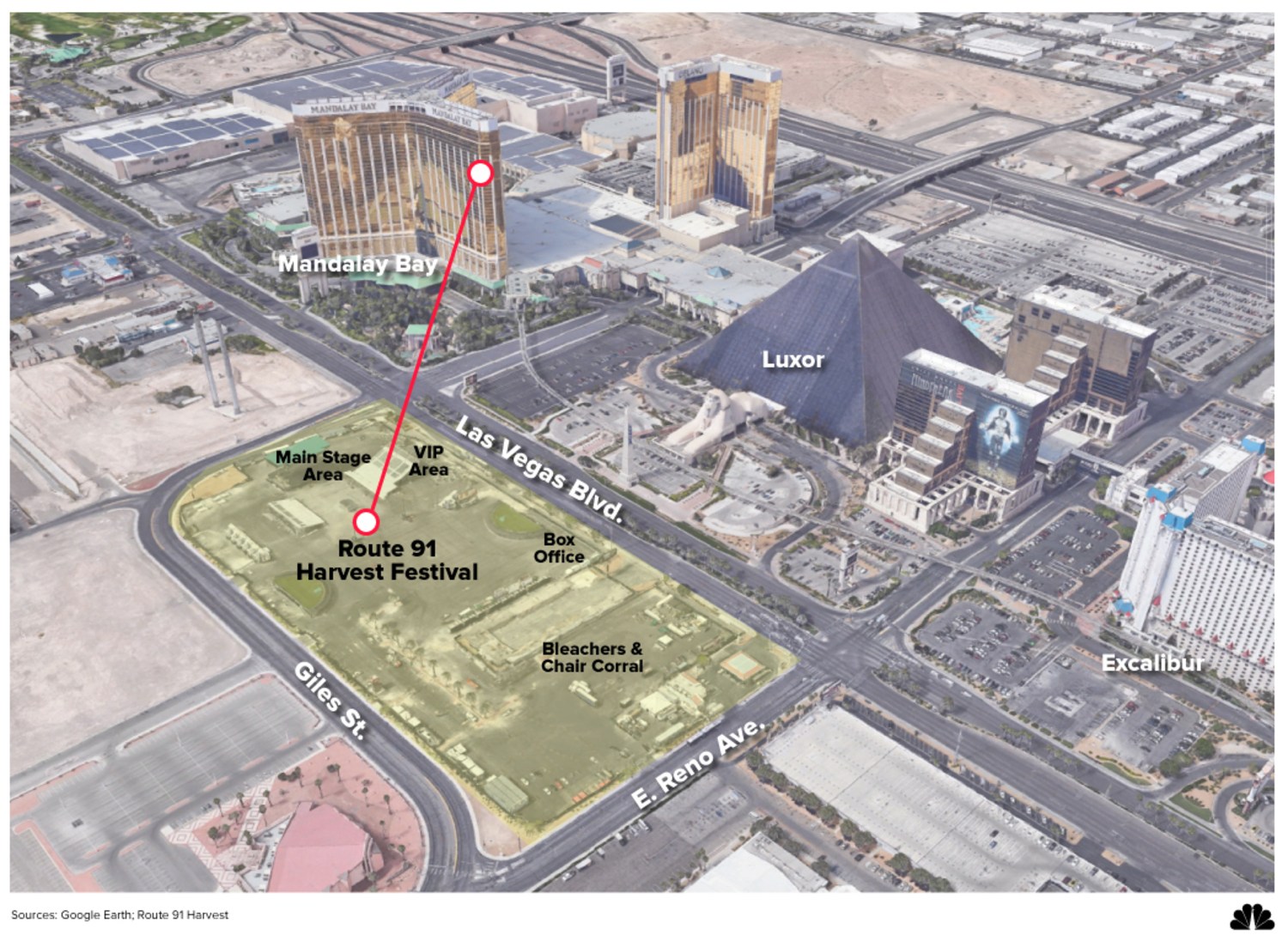
The Las Vegas Strip, a beacon of entertainment and a globally recognized destination, was irrevocably marked by the events of that fateful night. The Mandalay Bay Resort and Casino, the vantage point from which the violence originated, became a focal point of the tragedy. From the 32nd floor of this iconic establishment, a lone gunman unleashed a barrage of bullets upon an unsuspecting crowd attending the Route 91 Harvest festival, a country music event that had drawn thousands to the heart of Nevada.
The Night of Terror: Unfolding Events and Immediate Aftermath
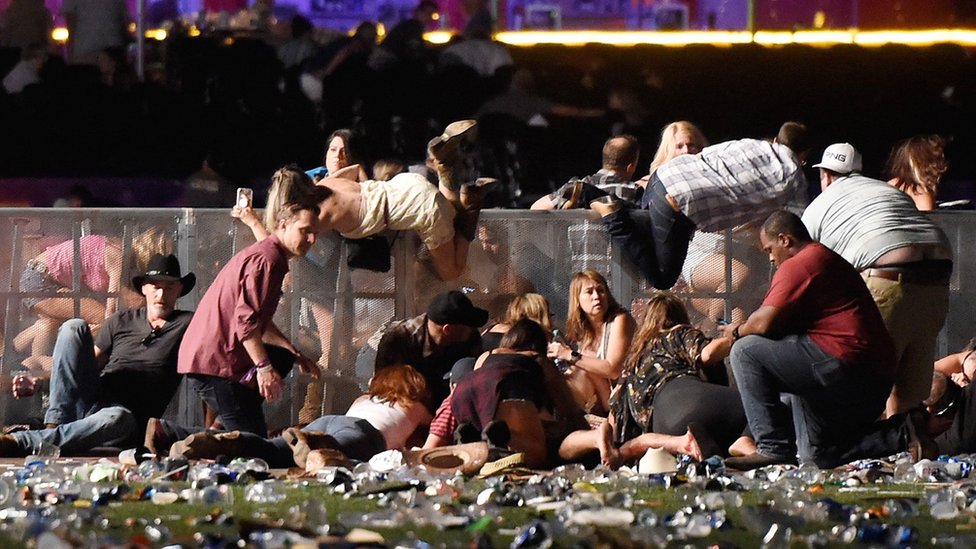
The Las Vegas Shooting, as it is commonly known, began around 10:08 PM Pacific Time on Sunday, October 1, 2017. Headliners Jason Aldean was performing when the first shots rang out, sending panic and chaos through the crowd of over 22,000 attendees. What was intended to be a night of music and revelry quickly transformed into a scene of unimaginable horror. The sustained gunfire, echoing across the open space, created a terrifying backdrop to the desperate scramble for safety.
A Landscape of Fear and Heroism
The initial moments were characterized by confusion and disbelief. As the reality of an active shooter situation set in, attendees, many of whom had traveled from across the United States and beyond, sought any available shelter. The open-air venue, while designed for a celebratory atmosphere, offered limited protection. Many heroes emerged in the chaos, including law enforcement officers, festival staff, and ordinary citizens who risked their lives to shield others, guide them to safety, and provide immediate aid.
The response from first responders was swift and determined. Las Vegas Metropolitan Police Department officers, along with paramedics and other emergency personnel, converged on the scene, facing extreme danger to neutralize the threat and tend to the wounded. The sheer scale of the casualties presented an immense challenge, overwhelming local hospitals and requiring a coordinated effort to manage the influx of victims.
The immediate aftermath saw the Las Vegas Strip transformed. Police cordons were established, and the vibrant energy of the city was replaced by a palpable sense of shock and grief. Hotels like the MGM Grand Hotel & Casino and the Bellagio Hotel & Casino, usually bustling with activity, became staging areas for aid and support. The Mandalay Bay Resort and Casino itself became a crime scene, its luxurious façade concealing the grim reality of its role in the tragedy.
The Unanswered Questions and the Quest for Understanding
Beyond the immediate timeline and the physical destruction, the Las Vegas Shooting left a void filled with unanswered questions. The motive behind the perpetrator’s actions, despite extensive investigations by the FBI and other agencies, remains a subject of ongoing speculation and pain for the victims’ families. The shooter, identified as Stephen Paddock, died from a self-inflicted gunshot wound before law enforcement could apprehend him.
Examining the Shooter’s Profile and Modus Operandi
Investigations delved into Paddock’s background, searching for clues that might explain his descent into such violence. He was described as a seemingly ordinary individual, a retired accountant with no prior criminal record or known extremist affiliations. This lack of a clear, discernible motive added another layer of complexity and distress to the tragedy.

The extent of Paddock’s planning was revealed through the discovery of an arsenal of weapons and ammunition in his hotel room and at his residence. The tactical nature of his setup, including the modification of firearms to increase their firing rate, highlighted a meticulous and chilling preparation. The investigation also explored how he managed to transport such a significant quantity of weapons and ammunition into the Mandalay Bay Resort and Casino undetected.
The Impact on Tourism and the Las Vegas Identity
The Las Vegas Strip is renowned worldwide for its hotels, casinos, and entertainment offerings, drawing millions of tourists annually. The shooting cast a long shadow over this perception, raising concerns about safety and security in such large public gatherings. The immediate aftermath saw a dip in visitor numbers, as the global spotlight focused on the vulnerability of tourist destinations.
However, the resilience of Las Vegas quickly became apparent. The city, known for its ability to rebound and reinvent itself, began a journey of healing and reaffirmation. Local businesses, including hotels and entertainment venues, implemented enhanced security measures and worked to restore a sense of normalcy and safety for visitors. The tourism industry, a vital economic engine for Nevada, adapted to the new reality, striving to maintain its appeal while prioritizing the well-being of its guests.
Moving Forward: Remembrance, Resilience, and Rebuilding
In the years following the Las Vegas Shooting, the focus has shifted towards remembrance, healing, and ensuring that such an event never recurs. The victims, their families, and the survivors have become central to the narrative, their stories of loss and resilience a testament to the human spirit.
Honoring the Victims and Supporting Survivors
Numerous initiatives have been established to honor the lives lost and to support those affected by the tragedy. Memorials were erected to serve as places of reflection and remembrance. Support groups and counseling services were made available to help survivors and victims’ families navigate the complex emotional and psychological aftermath of the trauma.
The Nevada Strong initiative, launched in the wake of the shooting, aimed to foster community healing and provide resources for those impacted. It symbolized the collective determination of the Las Vegas community to overcome adversity and emerge stronger.
Enhancing Safety and Security in Public Spaces
The Las Vegas Shooting prompted a broader conversation about security measures at public events and in popular tourist destinations. Law enforcement agencies and venue operators reviewed and updated their protocols to better prepare for and respond to active shooter situations. This included enhanced surveillance, improved communication systems, and more rigorous security screening.
The Clark County Commission and other governing bodies have been involved in discussions and policy changes aimed at increasing public safety. The aim is to create an environment where people can enjoy the attractions and experiences that Las Vegas has to offer with confidence.
The question “When Was the Las Vegas Shooting?” brings us back to October 1, 2017. Yet, the answer is far more than just a date. It is a reminder of a profound tragedy, a testament to the resilience of a city and its people, and a call to action for continued efforts in safety, remembrance, and healing. The Las Vegas Strip, a symbol of entertainment and escapism, now also stands as a place where lessons learned from unimaginable loss continue to shape its future.
LifeOutOfTheBox is a participant in the Amazon Services LLC Associates Program, an affiliate advertising program designed to provide a means for sites to earn advertising fees by advertising and linking to Amazon.com. Amazon, the Amazon logo, AmazonSupply, and the AmazonSupply logo are trademarks of Amazon.com, Inc. or its affiliates. As an Amazon Associate we earn affiliate commissions from qualifying purchases.