
The dazzling lights, the non-stop entertainment, the iconic hotels – Las Vegas is a destination synonymous with extravagance and excitement. But beneath the glittering veneer lies a fascinating history, a journey from a humble desert outpost to the global entertainment capital it is today. To truly understand when Las Vegas was started, we need to delve into its origins, tracing its development from a watering hole for travelers to the thriving metropolis we know.
From Oasis to Railway Town: The Genesis of Las Vegas
The story of Las Vegas begins long before the casinos and the neon signs. The name itself, “Las Vegas,” is Spanish for “the meadows,” a testament to the surprisingly fertile valley that existed in the middle of the arid Mojave Desert. This natural oasis was a crucial stop for Native American tribes for centuries. Later, Spanish explorers, most notably Father Francisco Garcés in the 1770s, noted the presence of water and grass, recognizing its strategic importance.
However, it was the mid-19th century that marked a significant turning point in the area’s development. The Mormon expedition in 1855, led by William Bringhurst, established a small fort and attempted to cultivate crops, aiming to create a religious settlement. While this initial settlement was short-lived due to conflicts and harsh conditions, it laid some of the earliest foundations for human habitation in the valley.
The true catalyst for Las Vegas‘s establishment as a tangible entity arrived with the railroad. In 1905, the San Pedro, Los Angeles & Salt Lake Railroad chose the Las Vegas Valley as a crucial midpoint for its line connecting Salt Lake City to Los Angeles. This decision led to the auction of 45 acres of land by the San Pedro, Los Angeles & Salt Lake Railroad Company on May 15, 1905. This date is widely considered the official founding of the city of Las Vegas. The railroad depot became the heart of the nascent town, attracting workers, merchants, and eventually, those seeking new opportunities in this burgeoning desert settlement.
The Railroad’s Impact: Shaping the Early City
The arrival of the railroad was transformative. It brought people, supplies, and commerce to the remote valley. The initial settlement, which quickly grew around the railroad depot, was characterized by its functional, frontier spirit. It was a place where travelers could rest, resupply, and continue their journeys. The early Las Vegas was a far cry from the glitz and glamour of today; it was a working town, a vital link in the transportation network of the American West.
The railroad company played a pivotal role in the town’s planning and development. They laid out streets, established a water system, and encouraged the construction of essential services. This controlled development ensured that the town grew in an organized manner, setting the stage for future expansion. Businesses began to sprout up to cater to the needs of the railroad workers and the growing population. These included saloons, general stores, and boarding houses. The establishment of the Las Vegas Land and Water Company was crucial for ensuring a stable water supply, a prerequisite for any significant settlement in the desert.
The Dawn of a New Era: Gambling and the Hoover Dam
While the railroad provided the initial impetus, it was the legalization of gambling in Nevada in 1931 that truly set Las Vegas on its path to becoming the entertainment mecca it is today. This pivotal legal change, coupled with the construction of the colossal Hoover Dam a short distance away, created a perfect storm of opportunity.
Gambling Legalization: A Game Changer
The legalization of gambling was a strategic move by the Nevada state government to boost its economy. For Las Vegas, it was a revolution. Suddenly, the city had a unique selling proposition that no other city in the United States could match. This legalization attracted entrepreneurs and investors eager to tap into the lucrative gambling market. The first casinos began to appear, initially small and modest, but they quickly evolved. These early establishments offered a new form of entertainment that appealed to a wide range of people, from tourists to locals.

The atmosphere of Las Vegas began to shift. It transformed from a quiet railroad town into a place where people could come to escape, to indulge, and to try their luck. The early casinos were characterized by their intimate settings, where players could interact directly with dealers and with each other. This personal touch, combined with the thrill of the games, created a magnetic pull that drew visitors from across the country.
The Hoover Dam Project: Fueling Growth
The construction of the Hoover Dam from 1931 to 1936 brought thousands of workers to the region. These workers, seeking entertainment and recreation during their downtime, found it in the burgeoning casinos of Las Vegas. The dam project not only provided a significant economic boost through employment and construction but also brought a constant influx of people who contributed to the city’s entertainment industry. Las Vegas served as a vital hub for these workers, offering them a place to relax, socialize, and spend their earnings. The dam, a marvel of engineering, also indirectly became a tourist attraction in its own right, drawing visitors who would then discover the charms of nearby Las Vegas.
The synergy between the legalization of gambling and the Hoover Dam project was undeniable. One provided the legal framework and the allure of games of chance, while the other provided a ready audience and a stimulus for development. This era marked the true beginning of Las Vegas as a destination for entertainment and leisure, moving beyond its origins as a simple stopover.
The Golden Age and Beyond: From Mob Influence to Modern Marvels
The decades following the Hoover Dam project witnessed the rise of Las Vegas as a glamorous and often notorious entertainment capital. The mid-20th century is often referred to as the “Golden Age” of Las Vegas, a period characterized by the construction of lavish resorts and the emergence of legendary performers.
The Rise of the Resorts and Star Power
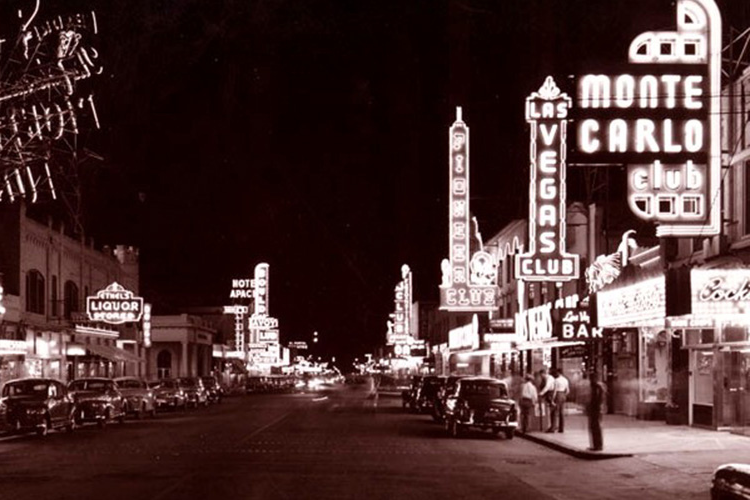
The late 1940s and 1950s saw the construction of some of the most iconic hotels and casinos in Las Vegas‘s history. Figures like Bugsy Siegel, a notorious mobster, played a significant role in the development of these early mega-resorts. The Flamingo Hotel, opened in 1946, is often cited as the first truly modern casino-hotel, setting a new standard for luxury and entertainment. This era was marked by the establishment of large-scale casino operations, sophisticated hotel amenities, and the development of a vibrant nightlife scene.
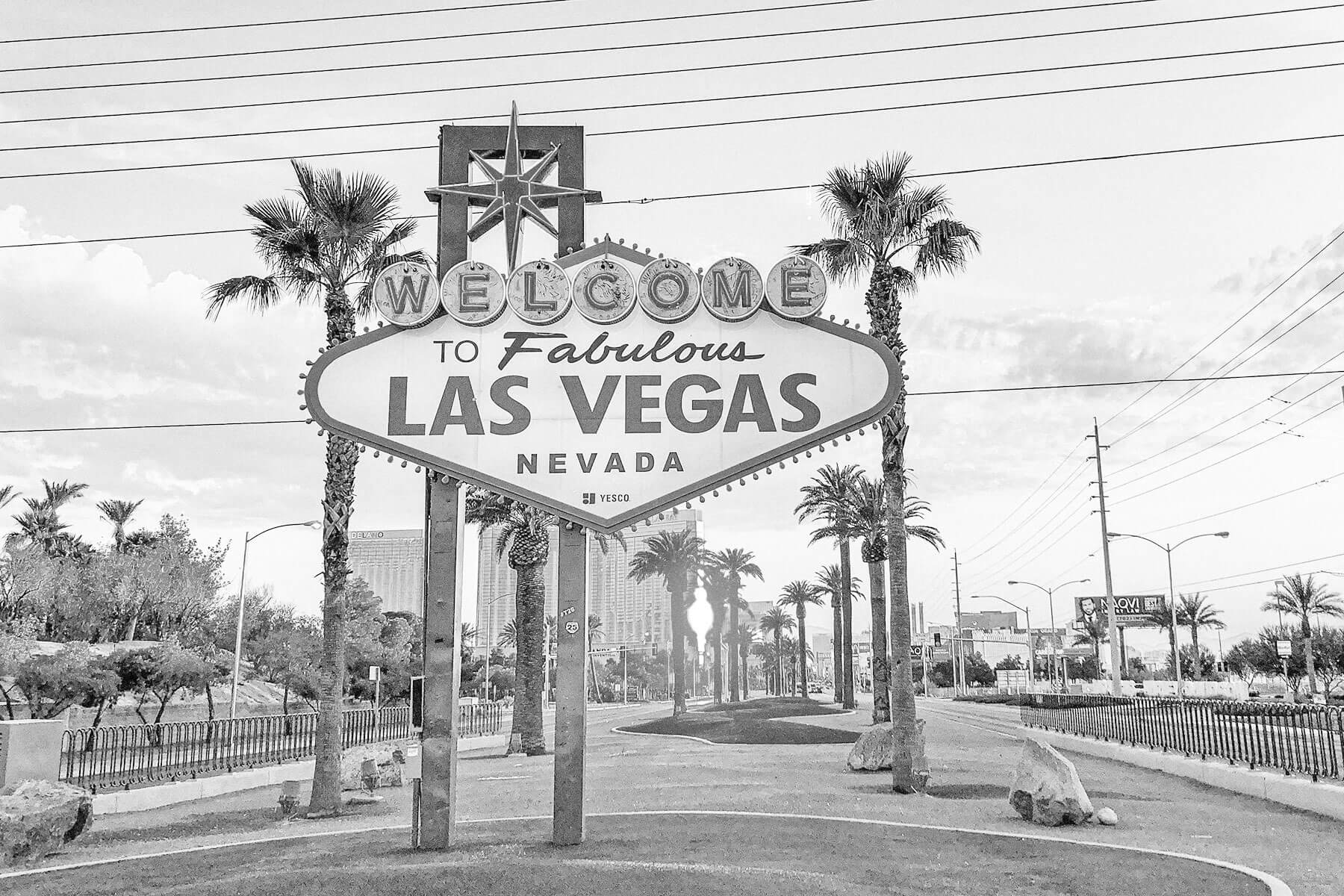
The Las Vegas Strip began to take shape during this period. More and more glamorous resorts sprung up, each vying for attention with lavish architecture, opulent décor, and world-class entertainment. The city became a magnet for top entertainers of the era, from singers like Frank Sinatra and Elvis Presley to comedians and dancers. These star performers drew huge crowds, solidifying Las Vegas‘s reputation as the “Entertainment Capital of the World.” The lifestyle associated with these resorts was one of indulgence and escapism, attracting a clientele seeking a break from the ordinary.
The Era of Diversification and Expansion
As Las Vegas matured, so did its offerings. While gambling remained the core attraction, the city began to diversify its appeal. The 1970s and 1980s saw a continued expansion of the hotel and casino industry, with larger and more ambitious projects being undertaken. The focus shifted towards attracting a broader range of visitors, including families and convention-goers.
The development of major convention centers and the increasing number of world-class restaurants and shopping destinations further cemented Las Vegas‘s status as a multifaceted tourist destination. The city embraced a wider array of attractions beyond just casinos, incorporating theme parks, museums, and elaborate shows. This diversification ensured that Las Vegas could cater to a variety of tastes and interests, appealing to luxury travelers, budget-conscious visitors, and families alike.
From its humble beginnings as a desert oasis and a crucial stop on a railroad line, Las Vegas has undergone a remarkable transformation. The seeds of its creation were sown with the arrival of the railroad in 1905, but it was the legalization of gambling in 1931 and the subsequent construction of the Hoover Dam that truly ignited its ascent. This historical trajectory, from a functional outpost to a global icon of entertainment and leisure, continues to captivate and draw millions to its vibrant streets, a testament to its dynamic and ever-evolving story. The “start” of Las Vegas is not a single date but a series of pivotal moments that shaped its destiny.
LifeOutOfTheBox is a participant in the Amazon Services LLC Associates Program, an affiliate advertising program designed to provide a means for sites to earn advertising fees by advertising and linking to Amazon.com. Amazon, the Amazon logo, AmazonSupply, and the AmazonSupply logo are trademarks of Amazon.com, Inc. or its affiliates. As an Amazon Associate we earn affiliate commissions from qualifying purchases.