
The Merging Dynasties: Vernon Kilns and Metlox
The history of Metlox Dining California Rose Pattern Vernon Ware is intricately tied to two prominent names in California pottery: Vernon Kilns and Metlox Manufacturing Company. To understand the provenance and timeline of this beloved dinnerware, one must first appreciate the distinct journeys of these two manufacturers before their eventual convergence.
Vernon Kilns, originally established in 1912 as Poxon China, was a powerhouse of pottery production based in Vernon, California. By 1931, under new ownership and a new name, Vernon Kilns became renowned for its vast array of dinnerware patterns, which captured the imagination of American households. Their designs ranged from traditional to whimsical, often reflecting the vibrant spirit of mid-century California. They pioneered techniques and styles, cementing their reputation as a leader in the industry, particularly known for their distinctive art deco and art moderne patterns, as well as their more traditional floral motifs.
Concurrently, the Metlox Manufacturing Company began its operations in 1927 in Manhattan Beach, California. Initially, Metlox focused on producing architectural tiles and outdoor pottery, quickly gaining recognition for the quality and durability of its products. However, the company soon diversified, venturing into art pottery and, by the mid-1930s, dinnerware. Metlox developed its own distinct aesthetic, often characterized by bright glazes and innovative forms. Their “Poppytrail” line, in particular, became a household name, synonymous with colorful, everyday elegance.
The landscape of American pottery began to shift dramatically in the post-World War II era. Increasing competition from foreign imports, coupled with changing consumer tastes and rising production costs, put immense pressure on domestic manufacturers. Many venerable companies struggled to maintain profitability, leading to consolidations and closures. It was against this backdrop that the fates of Vernon Kilns and Metlox intersected.
In a pivotal moment for collectors and enthusiasts, Metlox Manufacturing Company acquired the assets and trademarks of Vernon Kilns in 1958. This acquisition marked a significant turning point. While Vernon Kilns had been a prolific producer, the company faced mounting financial difficulties. Metlox, with its strong market position and manufacturing capabilities, saw an opportunity to expand its dinnerware offerings by incorporating the popular designs and established brand recognition of Vernon Ware. This strategic move not only saved many beloved Vernon patterns from oblivion but also allowed them to be produced under the Metlox banner, ensuring their continued availability to consumers.
Pinpointing the Production: The California Rose Era
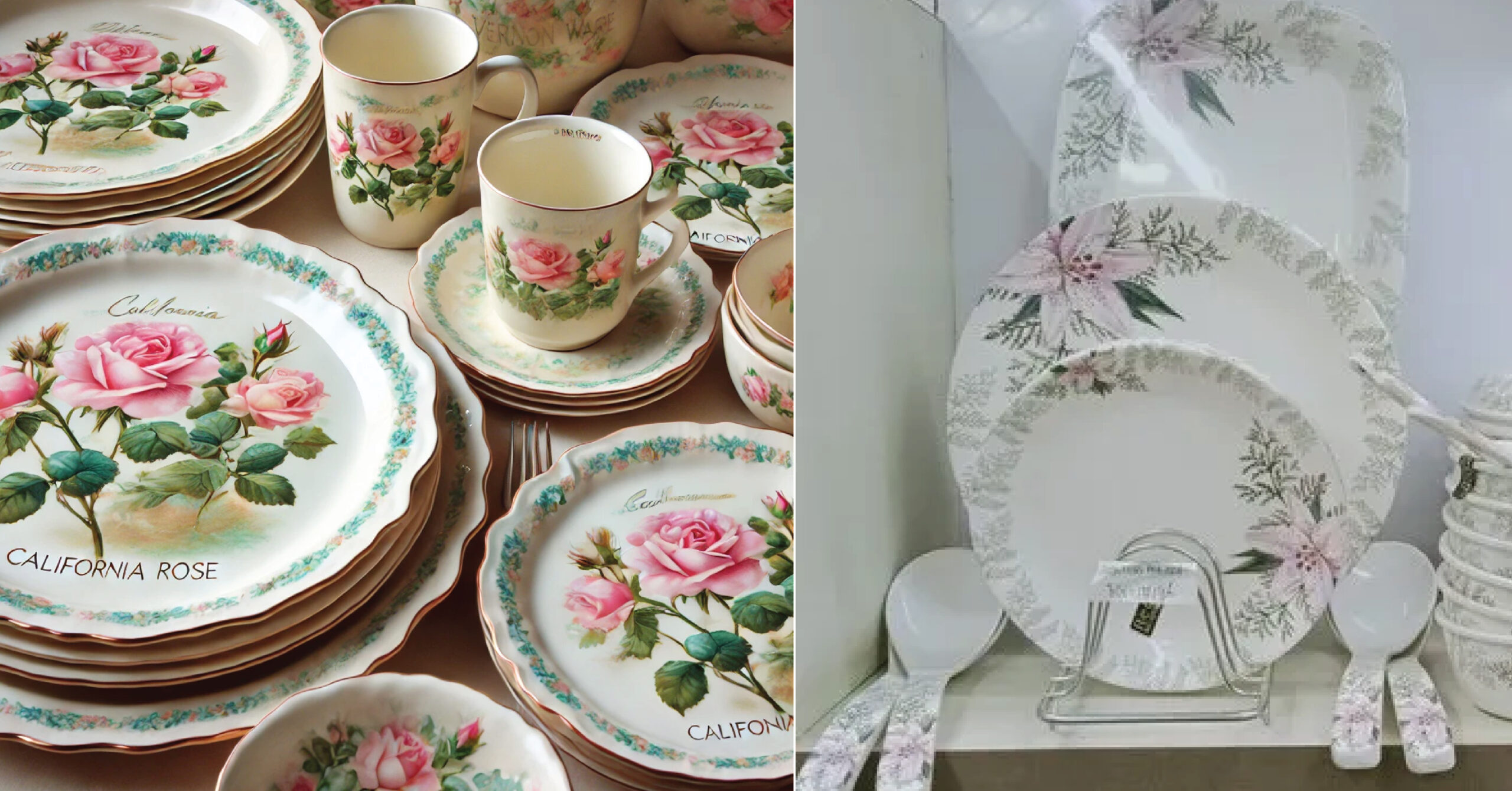
The “When” in “When Was Metlox Dining California Rose Pattern Vernon Ware Made?” primarily refers to the period after Metlox’s acquisition of Vernon Kilns in 1958. The California Rose pattern, a delightful and enduring design featuring vibrant pink and red roses against a creamy background, was originally a product of Vernon Kilns.
Vernon Kilns Original Production (Pre-1958)
Before the acquisition, California Rose was one of the many successful patterns produced by Vernon Kilns in their Huntington Park, California, factory. It was a classic example of Vernon’s ability to create appealing, everyday dinnerware that combined durability with aesthetic charm. While precise start and end dates for every Vernon Kilns pattern can be elusive, the California Rose pattern was certainly in production during the 1940s and 1950s, representing a peak period for the company’s floral designs. Pieces from this era often bear a backstamp clearly identifying them as “Vernon Ware” or “Vernon Kilns.”
Metlox Relaunch and Continued Production (1958 – ~1980s)
When Metlox took over Vernon Kilns in 1958, they understood the immense value in retaining popular patterns like California Rose. Metlox continued the production of California Rose under the “Vernon Ware” brand name, often alongside their own “Poppytrail” line. This period of production, from 1958 onwards, is what most collectors refer to when discussing “Metlox Vernon Ware California Rose.”
The Metlox-produced California Rose maintained the beloved design but may exhibit subtle differences in glazes, clay body, or backstamps compared to its pre-1958 Vernon Kilns counterparts. Pieces from this era typically feature a backstamp that includes both the Vernon Ware name and the Metlox logo or identifying information. Production continued for several decades, likely well into the 1970s and possibly even the early 1980s, reflecting the pattern’s enduring popularity. Metlox Manufacturing Company itself eventually ceased operations in 1989, bringing an end to the production of all its dinnerware lines, including the Vernon Ware California Rose.
Therefore, to answer the question directly, Metlox Dining California Rose Pattern Vernon Ware was primarily made from 1958 until the late 1970s or early 1980s, after Metlox acquired the Vernon Kilns brand. The original California Rose pattern by Vernon Kilns predates this, existing from the 1940s through 1958.
The Enduring Allure: California Rose in Modern Lifestyles
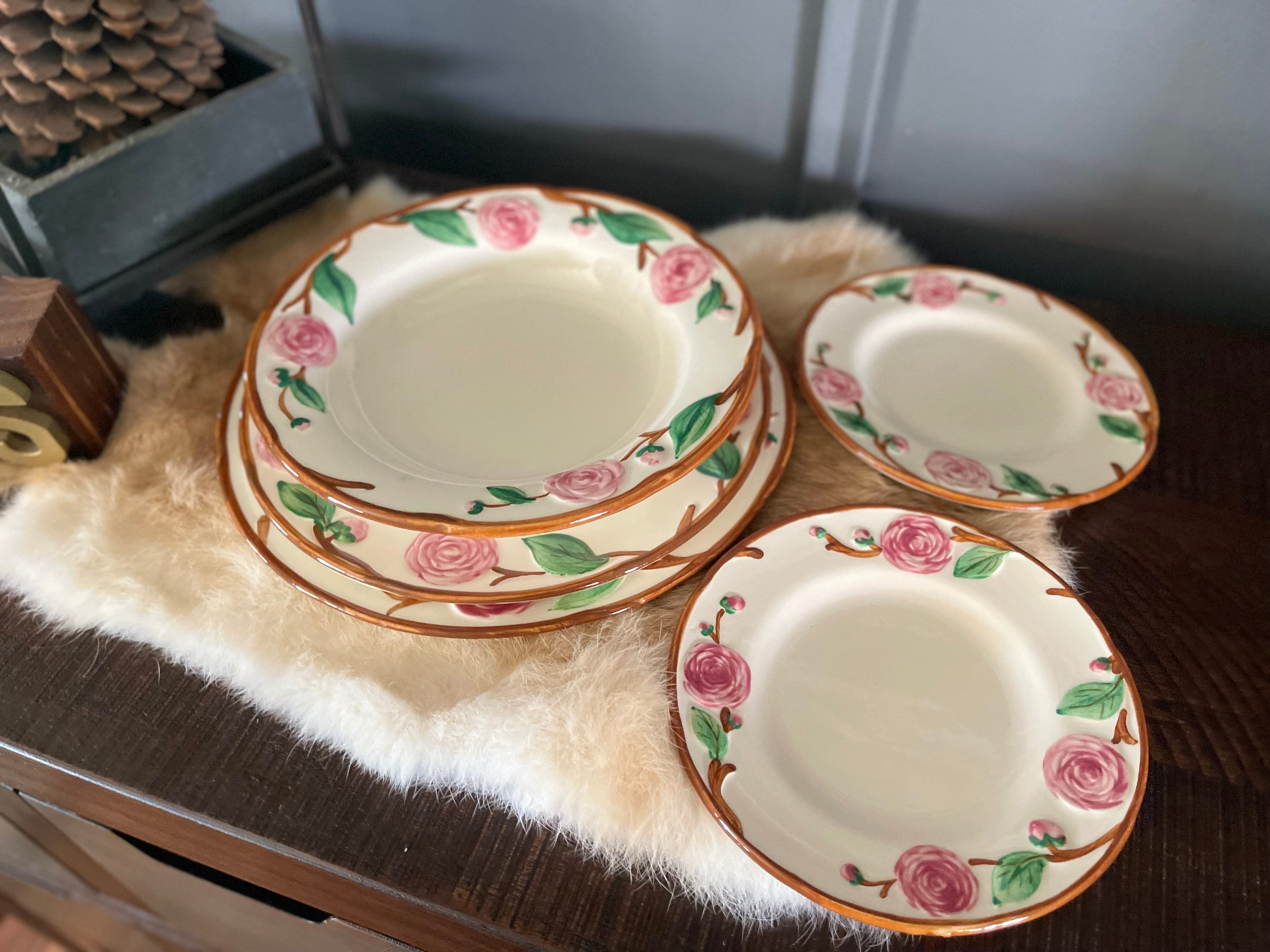
The longevity of the California Rose pattern, spanning several decades and two distinct manufacturers, speaks volumes about its timeless appeal. In today’s lifestyle landscape, vintage dinnerware like Metlox Vernon Ware California Rose continues to find a cherished place in homes, not merely as collectibles but as functional pieces that infuse everyday living with history and charm.
A Nod to Nostalgia and Authenticity
In an era dominated by mass-produced goods, there’s a growing appreciation for items with a story, pieces that carry the patina of time and craftsmanship. California Rose, with its classic floral motif and connection to Southern California’s rich pottery heritage, offers just that. For many, owning or dining with these pieces evokes a sense of nostalgia for a bygone era, perhaps reminding them of family gatherings or simpler times. It’s a tangible link to mid-century American design and the domestic arts of that period.
Sustainable and Conscious Living
The movement towards sustainable living has also breathed new life into vintage items. Repurposing and reusing existing goods, rather than constantly buying new, aligns with environmentally conscious lifestyles. Collecting and utilizing vintage Vernon Ware is a practical way to participate in this movement, adding beauty to one’s home without contributing to new manufacturing demands. It’s an eco-friendly choice that also allows for unique self-expression.
Aesthetic Versatility in Home Decor
The California Rose pattern’s design, characterized by its warm color palette and approachable floral imagery, possesses remarkable versatility. It can effortlessly complement a range of interior design styles, from rustic farmhouse and shabby chic to more eclectic or traditional settings. The soft rose hues and creamy background can add a touch of warmth and elegance to a dining table, a china cabinet, or even an open shelving display. Collectors often mix and match California Rose pieces with other vintage patterns or contemporary white dinnerware, creating personalized and inviting tablescapes. Beyond dining, individual pieces like platters, serving bowls, or teacups can serve as decorative accents, holding fruits, flowers, or simply adorning a shelf, injecting character and a pop of color into any room.
Collecting and Preserving Your Vernon Ware Treasures
For those drawn to the charm of Metlox Vernon Ware California Rose, collecting can be a rewarding endeavor, offering the thrill of discovery and the satisfaction of preserving a piece of history.
Identifying Authentic Pieces
When embarking on collecting, understanding backstamps is crucial. Genuine Vernon Kilns pieces from before 1958 will typically have a distinct “Vernon Ware” or “Vernon Kilns Made in U.S.A.” stamp. Pieces produced by Metlox after 1958 will often bear a backstamp that includes both “Vernon Ware” and some form of “Metlox” identification, sometimes within their “Poppytrail” line, such as “Vernon Ware by Metlox Made in California.” Familiarizing oneself with these marks through collector’s guides or online resources can help authenticate and date pieces.
Condition and Care
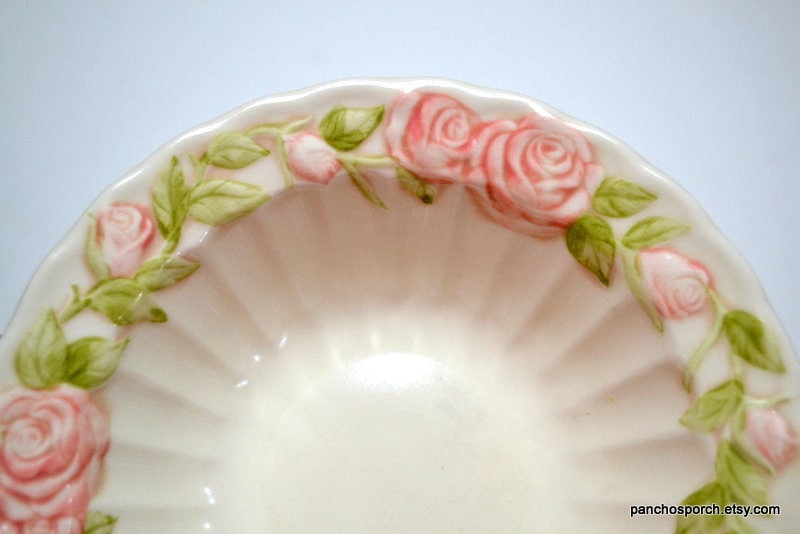
Like any vintage dinnerware, California Rose pieces should be assessed for condition. Common issues include crazing (fine lines in the glaze), chips, cracks, or fading of the decals. While some minor imperfections are acceptable and part of the item’s history, significant damage can impact value and usability. For daily use, gentle handwashing is always recommended to preserve the glaze and decoration. While some pieces might tolerate dishwashers, harsh detergents and high temperatures can accelerate wear and potentially cause fading or crazing over time. Avoid sudden temperature changes, which can stress the ceramic body.
Where to Find Your Treasures
Vintage Metlox Vernon Ware California Rose can be discovered in a variety of places. Antique shops, vintage markets, and estate sales are excellent hunting grounds, often providing opportunities to examine pieces firsthand. Online marketplaces and auction sites are also prolific sources, though it’s important to review detailed photos and descriptions carefully and understand shipping considerations for fragile items. Specialty vintage dinnerware dealers can also be a valuable resource for finding specific pieces or patterns.
Incorporating Metlox Dining California Rose Pattern Vernon Ware into a modern lifestyle offers more than just practical functionality; it’s an embrace of history, a nod to enduring design, and a conscious choice to surround oneself with items that tell a story. Its vibrant roses continue to bloom, connecting us to a rich tradition of American craftsmanship and the sunny disposition of California’s pottery legacy.
LifeOutOfTheBox is a participant in the Amazon Services LLC Associates Program, an affiliate advertising program designed to provide a means for sites to earn advertising fees by advertising and linking to Amazon.com. Amazon, the Amazon logo, AmazonSupply, and the AmazonSupply logo are trademarks of Amazon.com, Inc. or its affiliates. As an Amazon Associate we earn affiliate commissions from qualifying purchases.