
The vibrant metropolis of Orlando, FL, Florida, is a global epicenter of entertainment and a beloved destination for millions. While its modern identity is inextricably linked to theme parks and family vacations, the city’s origins are rooted in a rich history that predates the magical kingdoms and thrilling rides. Understanding when and how Orlando was founded provides essential context to its remarkable evolution and its enduring appeal as a landmark of American growth and innovation.
The Genesis of a Central Florida Hub
The story of Orlando’s establishment is a narrative of frontier exploration, early settlements, and a strategic selection of a central Florida location. The area that would become Orlando was originally inhabited by Indigenous peoples for thousands of years. Spanish explorers, including Juan Ponce de León, ventured into the region in the 16th century, marking the first European contact. However, permanent European settlement was slow to take hold due to the challenging environment and conflicts with native tribes.
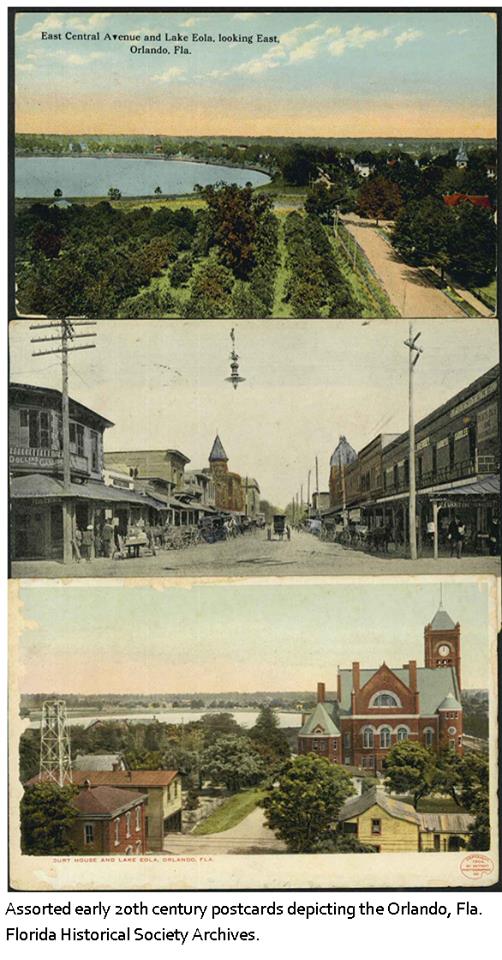
Early Settlers and the Civilian Era
The mid-19th century saw a gradual influx of American settlers drawn by the fertile land and potential for agriculture, particularly cattle ranching and citrus cultivation. These pioneers established small, scattered homesteads in the area. The U.S. government played a significant role in encouraging settlement through land grants, particularly to veterans of the Second Seminole War.
One of the earliest notable settlements in the vicinity was a small community known as “Jernegan” or “Jernigan,” named after the prominent Jernigan family who were among the first to establish a permanent presence. This settlement was situated near the south end of Lake Eola, a natural landmark that would become a focal point of the future city. The area was characterized by its pine forests, palmettos, and numerous lakes, offering both challenges and opportunities for its inhabitants.
The Naming of Orlando
The transition from a frontier outpost to a named town occurred in the late 1850s. The pivotal moment in Orlando’s founding is widely recognized as 1857, the year the settlement was officially renamed and its post office established. The choice of name is a subject of popular legend. The most commonly accepted story attributes the renaming to a suggestion by Joe Partin, a local settler, who proposed “Orlando” in honor of the Shakespearean hero Orlando from As You Like It. The character’s name resonated with the rustic, romanticized vision of the burgeoning community.
Another theory suggests the name might have been derived from a Confederate soldier named Orlando, who died in the area. Regardless of the exact inspiration, the designation of “Orlando” marked a significant step in formalizing the settlement’s identity and setting the stage for its future growth.
The Birth of a Municipality
The formal incorporation of Orlando as a municipality solidified its status as a recognized town and laid the groundwork for organized governance and infrastructure development. This period was crucial in transforming a collection of homesteads into a cohesive community.
Incorporation and Early Governance
Orlando was officially incorporated as a town on July 16, 1875. This date signifies the formal establishment of its municipal government, allowing for the election of officials, the imposition of local taxes, and the provision of public services. The early town council faced the challenges of developing basic infrastructure, such as roads, a water supply, and a justice system, in a rapidly growing, yet still frontier-like, environment.
The decision to incorporate was driven by the increasing population and economic activity. The arrival of the railroad in the region, particularly the segment of the Florida Central Railroad that reached Orlando in the 1870s, was a transformative event. This connection to the outside world facilitated the transport of goods, primarily citrus and lumber, and attracted more residents and businesses. The railroad acted as a catalyst, accelerating the town’s development and solidifying its position as a regional trade center.
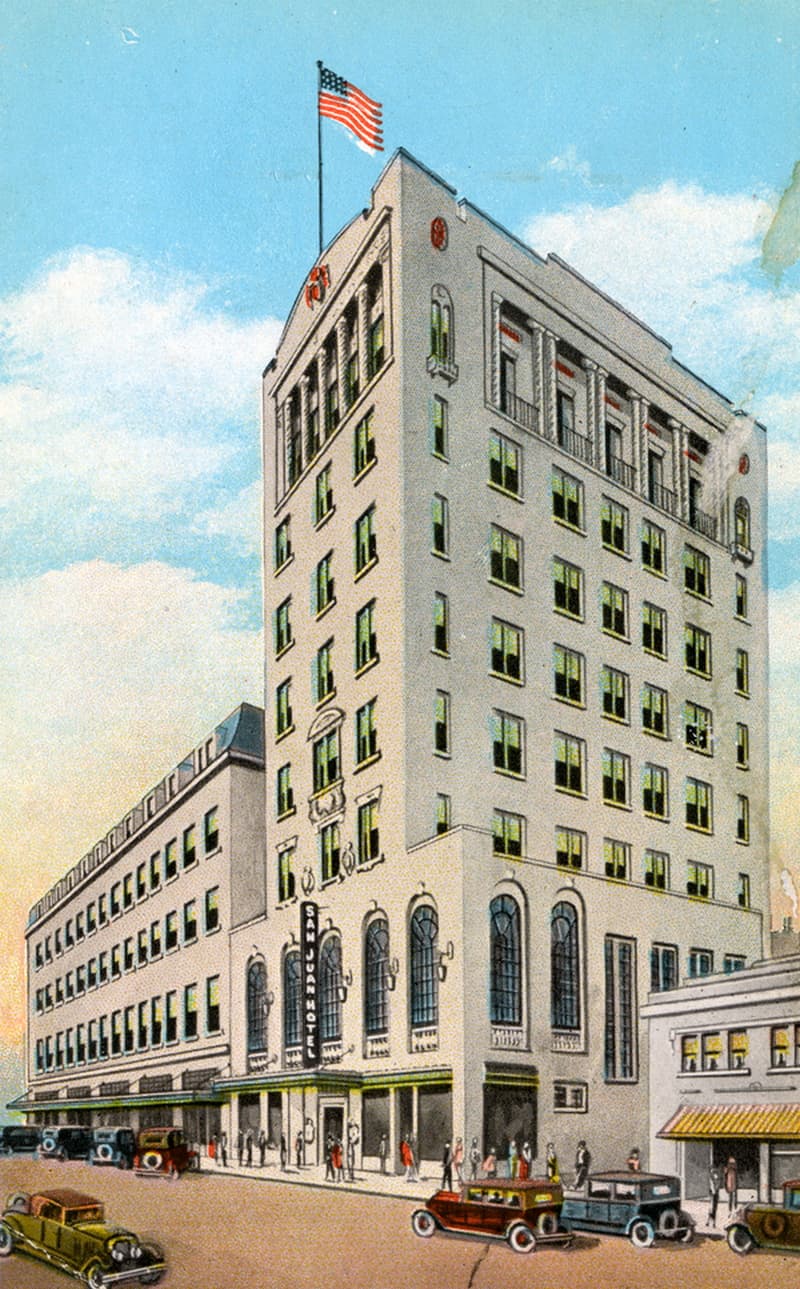
Economic Foundations: Citrus and Cattle
The early economy of Orlando was heavily reliant on agriculture. The fertile lands of Central Florida proved ideal for growing citrus fruits, especially oranges. The “Citrus Belt” flourished, and Orlando became a major hub for the production and export of oranges, grapefruit, and other citrus products. This industry brought prosperity and drew in workers and investors.
Cattle ranching also played a vital role in the region’s early economy. The vast expanses of undeveloped land provided ample grazing for livestock. The combination of citrus groves and cattle ranches formed the economic bedrock upon which Orlando was built. These agricultural pursuits not only shaped the landscape but also influenced the social and cultural fabric of the developing community.
Post-Incorporation Growth and Transformation
Following its incorporation, Orlando experienced a period of steady growth, albeit with its share of setbacks. The early 20th century brought about changes that would continue to shape its destiny.
The “Great Freeze” and Economic Diversification
The late 19th and early 20th centuries were not without their challenges. A series of devastating freezes, most notably the Great Freeze of 1894-1895, severely impacted the citrus industry. These freezes wiped out vast numbers of orange groves, forcing many farmers to reconsider their livelihoods. This event spurred a necessary diversification of the local economy.
While citrus remained important, the city began to look towards other avenues of development. The burgeoning tourism industry, though nascent, started to show promise. The pleasant climate and natural beauty of Florida began to attract visitors, and Orlando, with its central location, was well-positioned to benefit. Early forms of tourism included hunting, fishing, and the general appeal of a warmer climate during winter months.
The Mid-20th Century and the Rise of Tourism
The true explosion in Orlando’s prominence, however, would come much later. The post-World War II era saw a significant shift in American society, with increased leisure time and disposable income. This created fertile ground for the development of large-scale entertainment attractions.
The visionary construction of Walt Disney World Resort in the early 1970s, located just southwest of Orlando, was the single most impactful event in transforming the city into the global tourism powerhouse it is today. The opening of the Magic Kingdom in 1971, followed by other parks and attractions within the resort, brought unprecedented levels of tourism and economic development. This development didn’t just benefit the resort itself but catalyzed widespread growth in hotels, restaurants, and supporting industries throughout Orlando and surrounding areas.
A Landmark of Modern Innovation and Heritage
Today, Orlando stands as a testament to resilience, adaptation, and forward-thinking development. Its historical roots, though often overshadowed by its modern entertainment empire, are a crucial part of its identity. The original settlers who envisioned a community in the heart of Florida laid the foundation for what would become a city renowned worldwide.
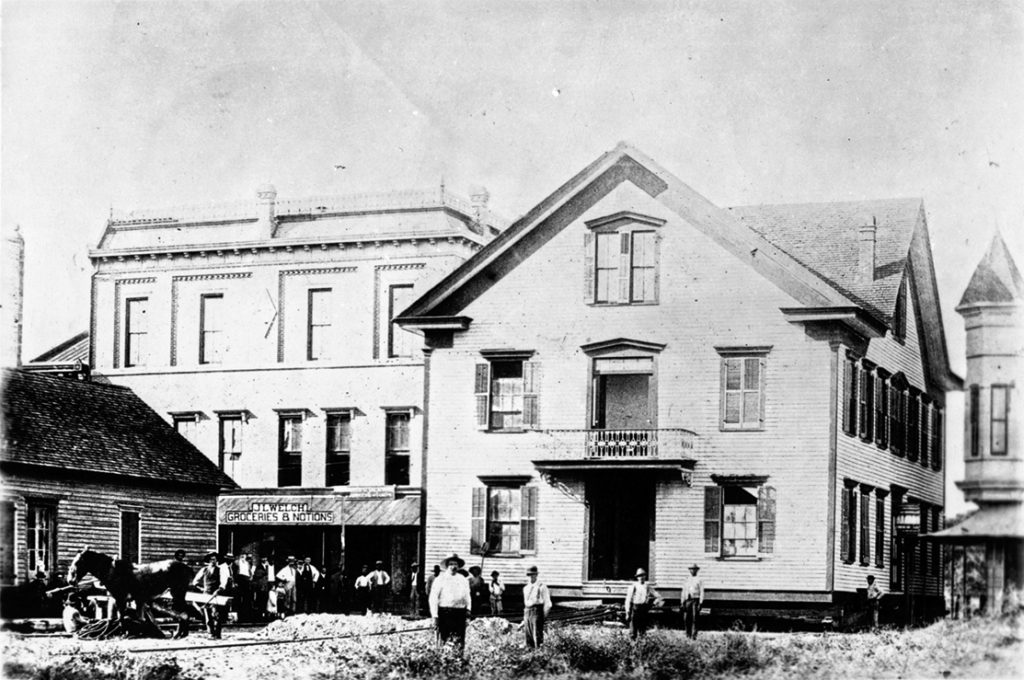
The Enduring Legacy of a Founding
The founding of Orlando in 1857 as a named settlement and its incorporation as a town in 1875 represent critical milestones. From its humble beginnings as a collection of homesteads in a wild landscape, it has evolved into a major metropolitan area. The spirit of its founders, who sought to build a life and community in this unique part of Florida, continues to resonate.
The landmarks of Orlando are now as much about its vibrant theme parks like Universal Orlando Resort and SeaWorld Orlando as they are about its historical sites. Yet, understanding the city’s origins—the naming, the incorporation, the early agricultural economy—provides a deeper appreciation for the journey that led to its present-day status as a global tourism landmark and a thriving hub of culture and commerce. The history of Orlando is a compelling story of human endeavor, agricultural ambition, and ultimately, a transformation into a destination that captures the imagination of the world.
LifeOutOfTheBox is a participant in the Amazon Services LLC Associates Program, an affiliate advertising program designed to provide a means for sites to earn advertising fees by advertising and linking to Amazon.com. Amazon, the Amazon logo, AmazonSupply, and the AmazonSupply logo are trademarks of Amazon.com, Inc. or its affiliates. As an Amazon Associate we earn affiliate commissions from qualifying purchases.