
The vibrant Phoenix, Arizona, a sprawling metropolis in the heart of the Sonoran Desert, boasts a rich and fascinating history. While the city’s modern incarnation is relatively young, its roots stretch back thousands of years, intricately woven with the stories of indigenous peoples and the pioneers who recognized the potential of this sun-drenched landscape. Understanding when Phoenix was officially founded is key to appreciating its journey from an ancient agricultural hub to a thriving, contemporary city.
The Ancient Roots of the Valley of the Sun
Before European settlers arrived, the land that is now Phoenix was home to the Hohokam people. For over 1,500 years, from approximately 300 BCE to 1450 CE, they cultivated the arid land using an intricate network of irrigation canals, transforming the desert into fertile fields. These canals, some of the most sophisticated of their time, are a testament to the ingenuity and deep understanding of the environment that these ancient inhabitants possessed. The Hohokam grew crops like corn, beans, and squash, laying the groundwork for future agricultural endeavors in the region. Their presence is a crucial, albeit often overlooked, part of Phoenix‘s founding narrative, as they were the first to truly harness the valley’s resources.

Tracing the Modern Founding: The Arrival of American Settlers
The official founding of modern Phoenix is a story of perseverance and opportunistic vision. In the 1860s, after the American Civil War, prospectors and settlers began to explore the area. A significant turning point came in 1867 when Jack Swilling, a Confederate veteran and prospector, observed a group of Apache men digging irrigation ditches to water their crops. Recognizing the potential for large-scale agriculture, Swilling organized the Swilling Irrigation and Farm Company.
This company began to clear and expand the ancient Hohokam canals, a critical step in making the land viable for settlement and farming. The area quickly attracted more settlers, drawn by the promise of fertile land and the burgeoning agricultural industry. A small settlement, initially known as “Pumpkinville” due to the abundance of pumpkins grown there, began to take shape.
The question of officially naming the settlement arose. There are a couple of popular accounts for how the name “Phoenix” was chosen. One widely accepted story attributes the name to Darrell Duppa, a former associate of Swilling. Duppa, impressed by the settlement rising from the ruins of an ancient civilization, suggested the name “Phoenix”, after the mythical bird that rose from its own ashes, symbolizing rebirth and a new beginning from an ancient past. This resonated with the settlers, who felt they were establishing a new city on the foundations of a lost civilization.
The Official Incorporation and Early Growth
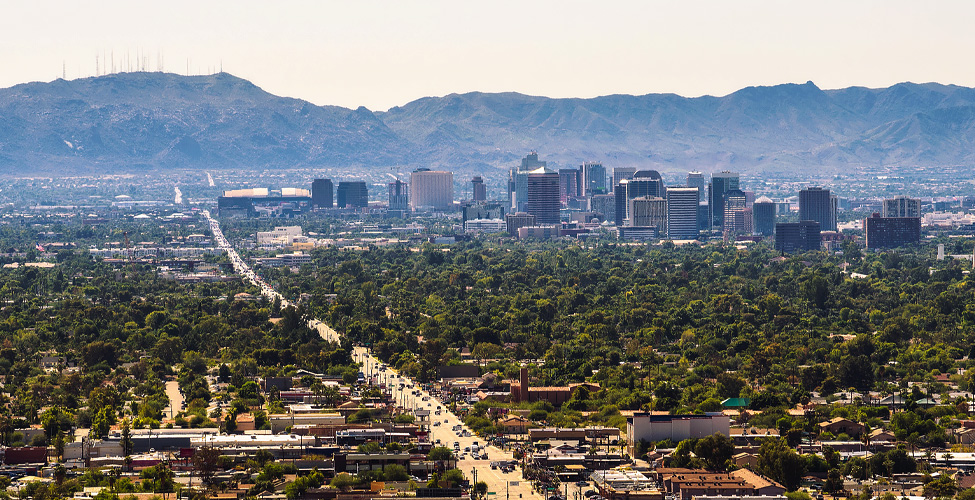
While the settlement was growing and taking shape in the late 1860s and early 1870s, the official act of incorporation solidified its status as a city. On February 25, 1881, Phoenix was officially incorporated as a town. This date marks the formal beginning of Phoenix as a municipality, with its own government and legal standing. The establishment of the territorial capital in Phoenix in 1889 further cemented its importance and spurred significant growth.
The early years of Phoenix were characterized by rapid development, driven by agriculture, particularly cotton, and the expansion of the railroad. The Salt River Project, initiated in the early 20th century, brought reliable water to the valley through dams and canals, further fueling the city’s agricultural success and paving the way for future expansion. This project was instrumental in transforming the arid desert into a productive agricultural region and ultimately, a major urban center.
Experiencing the Legacy: Phoenix Today
Today, Phoenix is a dynamic city that honors its past while embracing the future. Visitors can explore this rich history through various landmarks and cultural experiences. The Heard Museum offers a deep dive into the art and culture of Native Americans, including exhibits on the Hohokam. For those interested in architecture and history, exploring the historic downtown district reveals buildings that tell stories of the city’s early days.
The spirit of Phoenix‘s founding – the ability to thrive in a challenging environment and build something new – is evident in its modern attractions. The city offers a plethora of travel experiences, from exploring the dramatic desert landscapes surrounding the city, such as Camelback Mountain, to indulging in world-class resorts and hotels.

Planning Your Visit to Phoenix
For travelers planning a trip to Phoenix, understanding its history can enrich the experience. Whether you’re looking for luxury resorts like the Arizona Biltmore, budget-friendly accommodations, or unique apartment rentals, the city offers a wide range of options. The tourism industry in Phoenix is robust, with numerous activities catering to all interests.
From exploring the vibrant downtown area with its museums and art galleries to enjoying outdoor adventures like hiking in the nearby mountains or visiting Papago Park, Phoenix provides a diverse range of attractions. The culinary scene is also a major draw, reflecting the city’s multicultural influences and the bounty of the surrounding agricultural lands.
When considering where to stay, options abound. You can find opulent suites in five-star hotels or comfortable villas for a longer stay. Many establishments offer amenities designed to enhance your experience, whether you’re on a family trip, a business stay, or a leisurely vacation. The spirit of Phoenix, born from ancient ingenuity and pioneering determination, continues to define its character, making it a captivating destination for those seeking adventure, relaxation, and a connection to history. The city’s founding story, from the Hohokam canals to the official incorporation in 1881, is a testament to human resilience and the enduring allure of the Valley of the Sun.
LifeOutOfTheBox is a participant in the Amazon Services LLC Associates Program, an affiliate advertising program designed to provide a means for sites to earn advertising fees by advertising and linking to Amazon.com. Amazon, the Amazon logo, AmazonSupply, and the AmazonSupply logo are trademarks of Amazon.com, Inc. or its affiliates. As an Amazon Associate we earn affiliate commissions from qualifying purchases.