
San Antonio, Texas, a city steeped in history and vibrant culture, invites exploration and discovery for every traveler. Its origins, deeply rooted in Spanish colonial times, trace back to a pivotal moment in the early 18th century. Understanding this establishment date unlocks a deeper appreciation for the city’s enduring legacy, its significant landmarks, and the unique tapestry of experiences it offers. Whether you’re planning a luxury escape, a budget-friendly adventure, a family getaway, or a business trip, grasping San Antonio’s founding provides a crucial context for understanding its present-day charm.
The Founding of San Antonio: A Legacy of Missions and Military Presence
The story of San Antonio’s establishment is intrinsically linked to Spanish colonial ambitions and the strategic importance of establishing a frontier presence in Texas. The genesis of the city can be traced to a specific date and the dedicated efforts of Franciscan missionaries and Spanish soldiers. This foundational period laid the groundwork for the city’s future growth and its eventual role as a key hub in Texas.
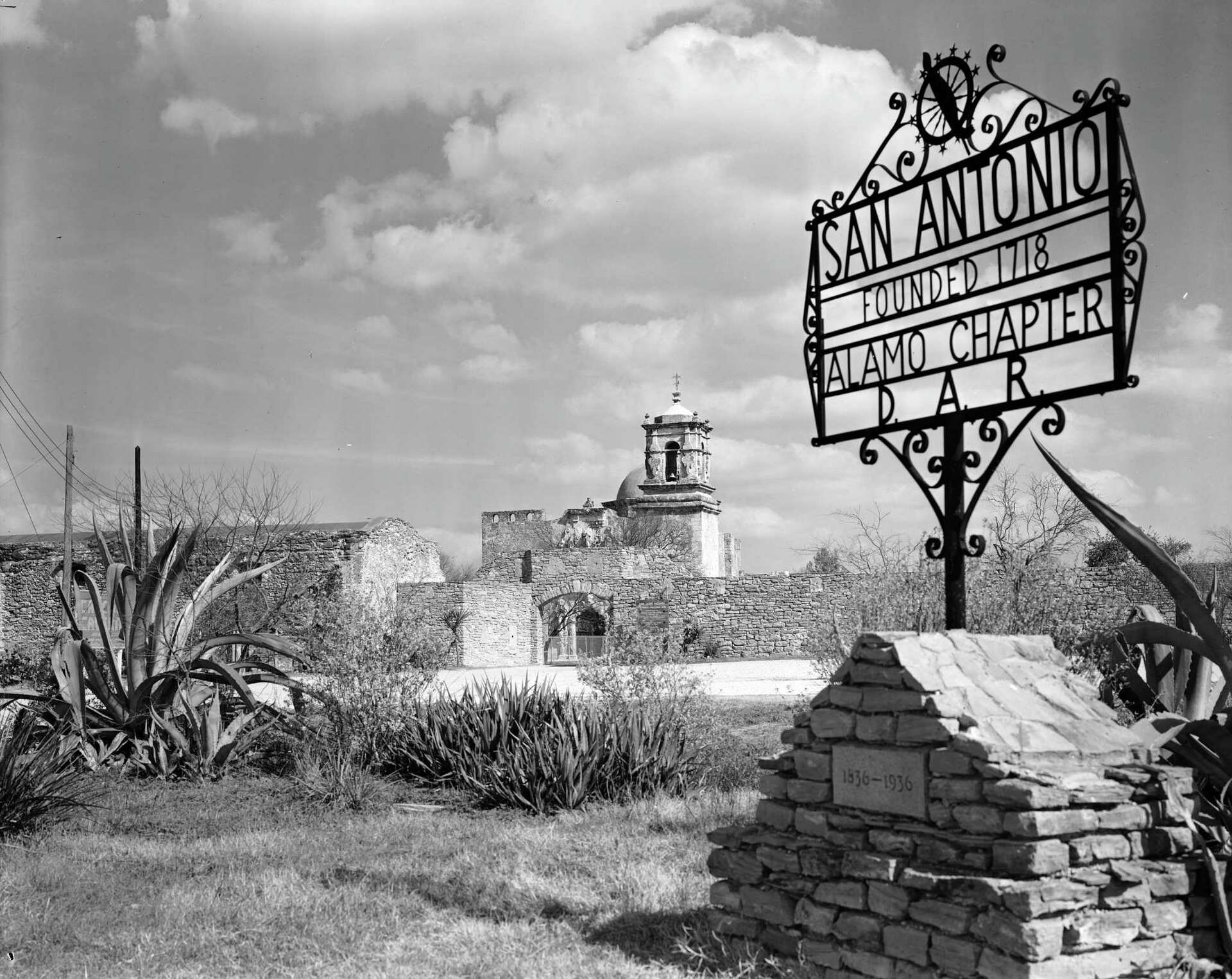
Mission San Antonio de Valero: The Birthplace of a City
The pivotal event that marked the beginning of what would become San Antonio occurred on May 1, 1718. On this day, Franciscan friar Antonio de Olivares, accompanied by Captain Domingo Ramón, established Mission San Antonio de Valero. This mission was part of a larger Spanish effort to expand their territory and evangelize the indigenous populations of New Spain. While the primary purpose was religious conversion and the establishment of a Spanish civil settlement, the very act of founding the mission inherently created a focal point for future development.
The choice of location for Mission San Antonio de Valero was not arbitrary. Situated along the San Antonio River, the site offered abundant natural resources, including fresh water and fertile land, essential for sustaining a community and its agricultural endeavors. This strategic placement along a vital watercourse would prove instrumental in the settlement’s survival and growth.
It is important to note that the establishment of a mission was a complex undertaking, involving not just religious figures but also military personnel to protect the mission and its inhabitants from potential threats, including indigenous resistance and rival European powers like the French. Captain Domingo Ramón‘s presence underscores this dual nature of Spanish colonization, which combined spiritual aims with territorial expansion and defense.
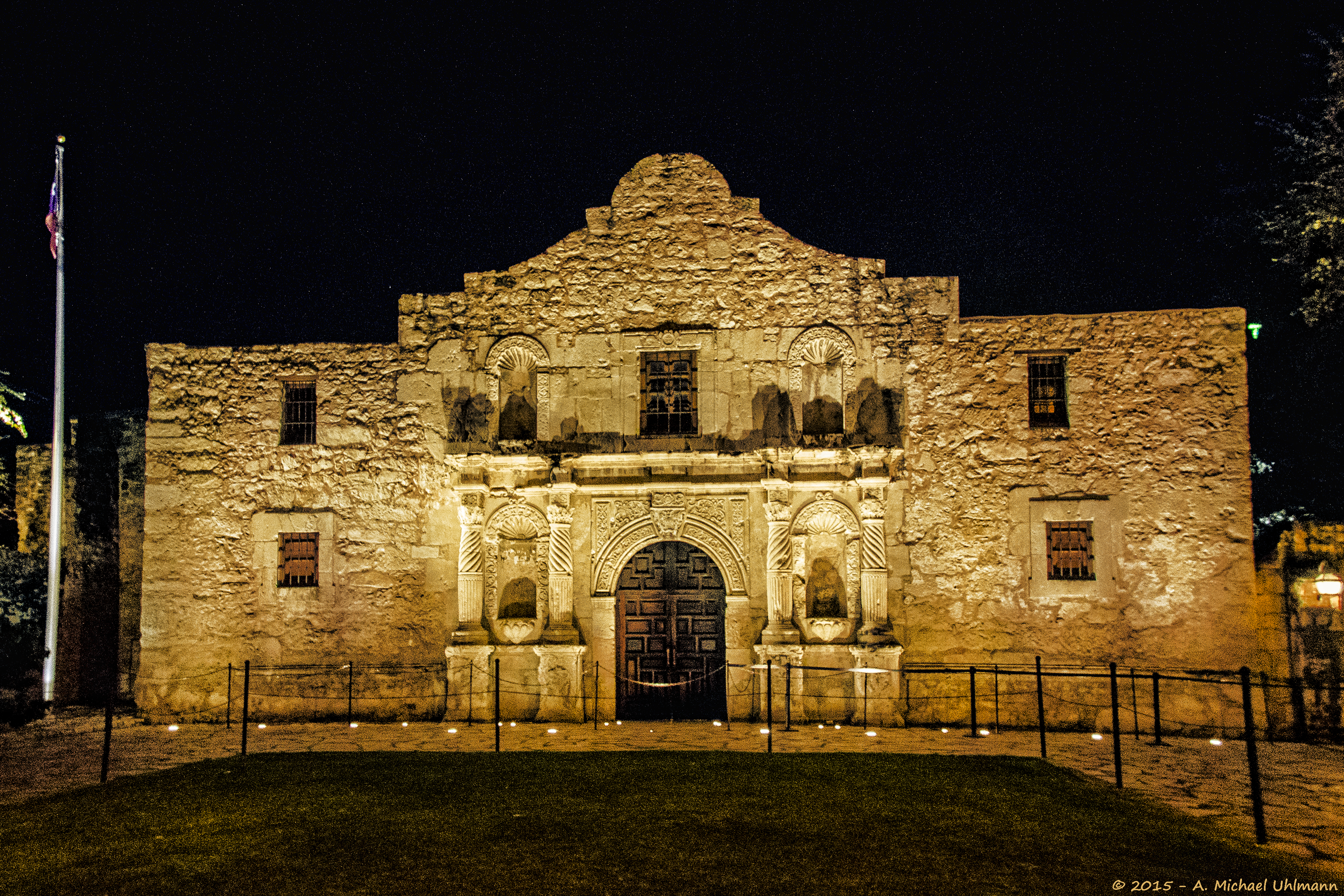
The mission itself, which would later famously become known as the Alamo, was intended to be a self-sufficient community, housing both missionaries and indigenous people. Over time, the settlement around the mission began to expand, attracting Spanish settlers and soldiers. This gradual growth, originating from the establishment of Mission San Antonio de Valero, is the true genesis of San Antonio, Texas.
Early Growth and Expansion
Following the establishment of Mission San Antonio de Valero, other missions were founded in the vicinity, including Mission Concepción, Mission San José y San Miguel de Aguayo, Mission San Juan Capistrano, and Mission Espada. These missions, collectively known as the San Antonio Missions, formed a crucial network of Spanish influence and provided a foundation for the civil settlement that would evolve into the modern city.
The presence of these missions fostered a unique blend of Spanish and indigenous cultures, a legacy that continues to shape San Antonio’s identity. The Spanish brought their language, religion, architecture, and administrative systems, while interactions with the local Coahuiltecan and Pueblo peoples influenced the region’s development.
By the mid-18th century, San Antonio was formally recognized as a civilian villa (town) in addition to its mission functions. This formalization solidified its status as a growing settlement. The establishment of a presidio, a military fort, further cemented its importance as a strategic outpost on the Spanish frontier.
The city’s early history is marked by periods of both progress and hardship. It faced challenges from indigenous raids, political instability within New Spain, and the harsh realities of frontier life. However, the resilience of its inhabitants and the strategic importance of its location allowed it to persevere and grow.
San Antonio Today: A City of Rich Heritage and Modern Attractions
From its humble beginnings as a frontier mission outpost, San Antonio has blossomed into a major American city, renowned for its rich history, diverse culture, and vibrant tourism industry. The original establishment date of May 1, 1718, serves as a constant reminder of the deep historical roots that underpin its present-day appeal.
Exploring San Antonio’s Historical Heart
At the core of San Antonio’s historical identity lies the Alamo. Originally Mission San Antonio de Valero, this iconic landmark is a testament to the city’s founding. Today, it stands as a symbol of Texan independence and a must-visit destination for any traveler seeking to connect with the city’s past. The Alamo is more than just a historical site; it’s a place that evokes powerful stories of courage and sacrifice.
Beyond the Alamo, the San Antonio Missions National Historical Park offers an immersive journey into the Spanish colonial era. This UNESCO World Heritage Site preserves four of the five Spanish missions that were established shortly after Mission San Antonio de Valero. Exploring these well-preserved structures allows visitors to visualize the daily lives of the missionaries and indigenous peoples, understand their agricultural practices, and marvel at the enduring architecture. Mission Concepción, Mission San José y San Miguel de Aguayo, Mission San Juan Capistrano, and Mission Espada each offer a unique perspective on this significant period in Texas history.
The San Antonio River Walk is another prime example of how history and modern urban planning have converged to create a world-class destination. This network of walkways follows the curves of the San Antonio River, lined with restaurants, shops, and hotels. Originally an ambitious flood control project, it has transformed into the city’s most beloved attraction, offering a unique perspective on the city’s historical core and its vibrant present. Boat tours along the River Walk provide a relaxing and informative way to experience the city’s ambiance.

Embracing San Antonio’s Vibrant Lifestyle and Tourism
San Antonio is not just about its historical landmarks; it’s a city that celebrates its diverse culture and offers a plethora of experiences for every kind of traveler. From families looking for engaging activities to luxury seekers desiring world-class amenities, the city caters to all.
The culinary scene in San Antonio is a significant draw, reflecting its rich Mexican and Tejano heritage. Visitors can indulge in authentic Tex-Mex cuisine, explore innovative contemporary dishes, and savor the flavors of a city that takes its food seriously. From casual taquerias to upscale dining establishments, there’s something to satisfy every palate. Experiencing the local food scene is an essential part of any San Antonio visit.
For those seeking entertainment and family-friendly activities, San Antonio boasts several world-renowned attractions. Six Flags Fiesta Texas offers thrilling rides and entertainment for all ages. SeaWorld San Antonio provides an educational and entertaining experience with marine life shows and attractions. These modern attractions, while a stark contrast to the historical missions, contribute to the city’s dynamic appeal and offer diverse tourism options.
When it comes to accommodation, San Antonio offers a wide range of choices to suit every budget and travel style. From luxurious resorts and boutique hotels to comfortable apartments and family-friendly villas, visitors can find the perfect place to stay. Popular areas include downtown, offering easy access to the River Walk and historical sites, and the more suburban areas, providing a quieter atmosphere. Many hotels boast excellent amenities, including pools, on-site dining, and event spaces, making them ideal for both leisure and business stays. Whether you’re planning a long-term stay or a weekend getaway, San Antonio has your accommodation needs covered.
The city’s commitment to preserving its heritage while embracing modernity makes it a compelling destination. The legacy of its founding on May 1, 1718, continues to resonate, drawing visitors to explore its historical treasures, savor its unique culture, and enjoy its lively atmosphere. San Antonio, Texas, truly offers a journey through time, where the past is not just remembered but is vibrantly alive.
LifeOutOfTheBox is a participant in the Amazon Services LLC Associates Program, an affiliate advertising program designed to provide a means for sites to earn advertising fees by advertising and linking to Amazon.com. Amazon, the Amazon logo, AmazonSupply, and the AmazonSupply logo are trademarks of Amazon.com, Inc. or its affiliates. As an Amazon Associate we earn affiliate commissions from qualifying purchases.