
The story of Seattle, a vibrant metropolis nestled between the sparkling waters of Puget Sound and the majestic peaks of the Cascade Mountains, is a narrative deeply intertwined with the spirit of exploration, resilience, and growth. While the exact date of its official establishment as a city might be a specific point in time, the roots of Seattle stretch much further back, woven into the rich tapestry of indigenous history and the pioneering efforts of early settlers. Understanding when Seattle was established requires looking beyond a singular date and appreciating the multifaceted journey that shaped this iconic Pacific Northwest city.
The Genesis of a City: Early Inhabitants and the Duwamish Tribe
Long before any European-American settlers arrived, the land that is now Seattle was the ancestral home of indigenous peoples for thousands of years. Among the most prominent were the Duwamish tribe, whose rich culture, complex social structures, and deep spiritual connection to the land are fundamental to the region’s history. The Duwamish people, along with other Coast Salish tribes, thrived in this abundant environment, expertly navigating the waterways, hunting, fishing, and gathering the bountiful resources of the forests and Puget Sound.
The area now known as Seattle was a vital center for the Duwamish, with settlements established along the shores of Elliott Bay. These early inhabitants possessed an intimate knowledge of the local flora and fauna, developing sustainable practices that ensured the well-being of the ecosystem for generations. Their legacy is not merely historical; it is a living testament to the enduring spirit of the First Peoples of this land, whose presence and history are integral to understanding the true genesis of Seattle. Their traditional territories encompassed the land where the modern city now stands, and acknowledging their historical stewardship is crucial when discussing the establishment of Seattle.
The Arrival of Settlers and the Birth of “New York Alki”
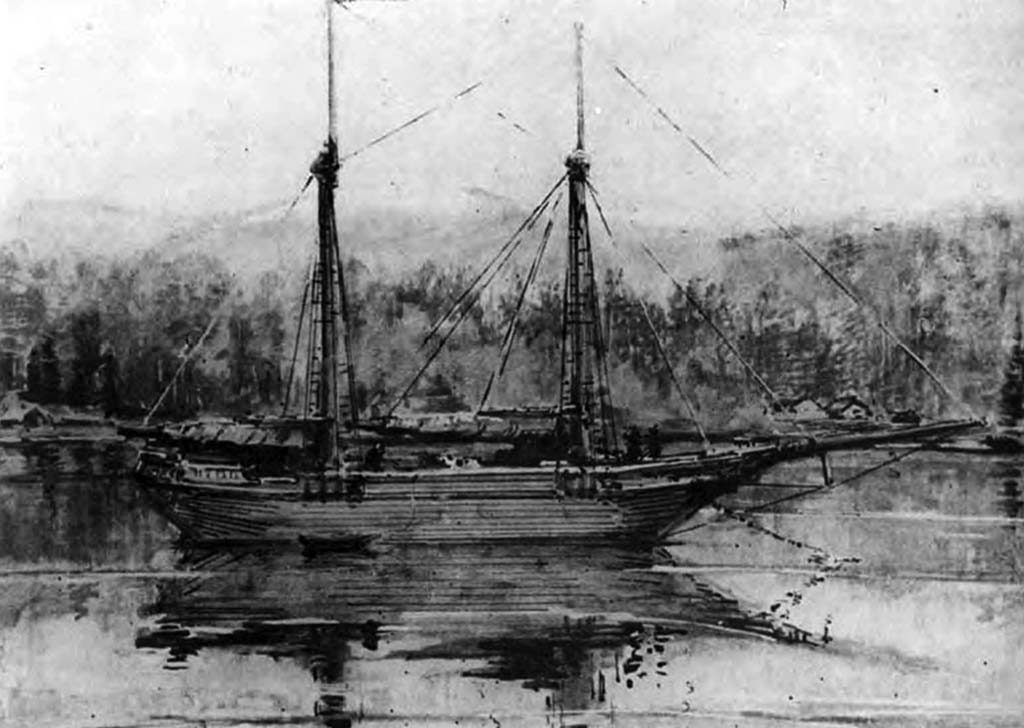
The mid-19th century marked a significant turning point with the arrival of European-American settlers. Driven by the promise of opportunity, land, and a new frontier, these pioneers began to explore the possibilities of establishing a permanent presence in the region. The initial settlement that would eventually become Seattle was part of a larger expedition that arrived in September 1851. This group, led by Arthur Denny, R. H. Denny, John B. Denny, Lee Terry, and William Bell, landed at what is now West Seattle, on the south side of Duwamish Head.
It was here that they established their first encampment, naming it “New York Alki.” The name itself, derived from a Chinook Jargon phrase meaning “by and by” or “someday,” reflected the settlers’ aspirations for the future of this nascent community. They envisioned a thriving metropolis, a “New York” of the West Coast. However, the initial location at Alki Point proved to be less than ideal. The soil was rocky, and access to fresh water was a challenge, leading the settlers to reconsider their site.
Relocation and the Official Founding of Seattle
By 1852, the settlers had made the pivotal decision to relocate their burgeoning community. They moved across Duwamish Bay to the shores of Elliott Bay, a more sheltered and resource-rich location. This move proved to be instrumental in the long-term success and growth of the settlement. It was in this new location that the community truly began to take shape and forge its identity.
The official founding of Seattle is often attributed to the establishment of a donation claim by Henry Yesler in 1851, and the subsequent platting of the townsite in 1853. However, it was on May 23, 1853, that the town was officially named Seattle. The name was chosen in honor of Chief Si’ahl, a respected leader of the Suquamish and Duwamish tribes, who had maintained friendly relations with the settlers. This act of naming the city after a prominent indigenous leader was a significant gesture, acknowledging the historical presence and importance of the native peoples.
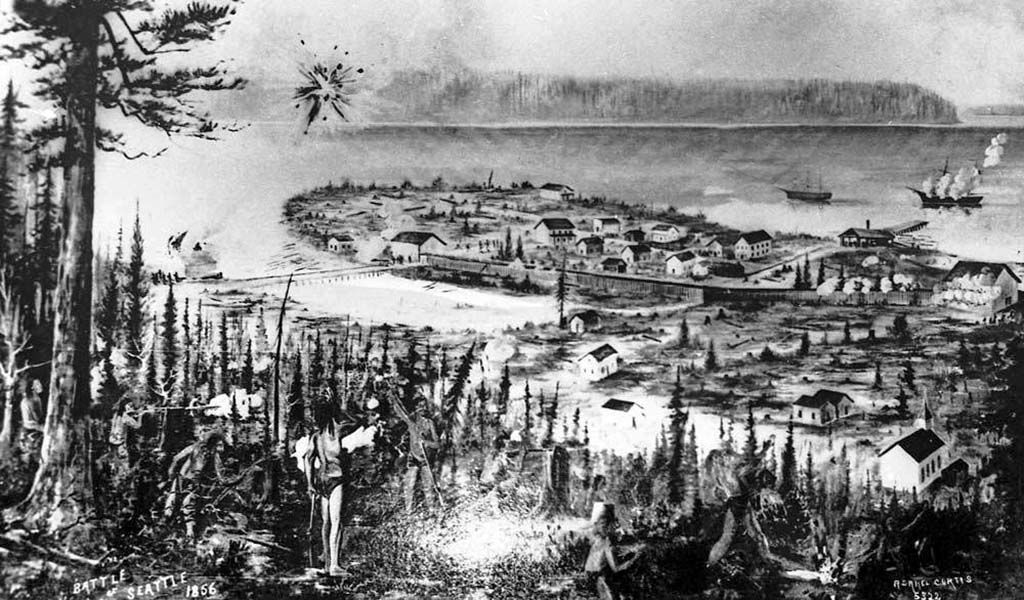
The establishment of the King County government in 1852 and the appointment of the first county officials also played a crucial role in solidifying the administrative foundations of the new settlement. The early years were marked by hardship, as settlers faced the challenges of building a community from scratch, including clearing land, constructing homes, and establishing infrastructure. The presence of the U.S. Army at Fort Yesler also provided a degree of security during these formative years, especially in the face of tensions that occasionally arose with indigenous populations, such as the Battle of Seattle in 1856.
From Logging Town to Seaport: Early Economic Development
The early economy of Seattle was heavily reliant on the abundant timber resources of the surrounding forests. The dense evergreen forests provided a seemingly inexhaustible supply of high-quality lumber, which quickly became the town’s primary export. The establishment of sawmills, including Henry Yesler’s prominent mill, fueled the town’s growth and attracted further investment and labor. Seattle rapidly evolved from a small outpost into a bustling logging town, with ships arriving to transport lumber to markets across the globe.
The strategic location on Puget Sound also positioned Seattle as a natural seaport. Its deep, protected harbor made it an ideal hub for trade and commerce. As the logging industry boomed, so too did the port’s activity, facilitating the import of goods and the export of timber and other raw materials. This maritime focus would become a defining characteristic of Seattle for decades to come, shaping its economic trajectory and its relationship with the wider world.
The Great Seattle Fire and the City’s Rebirth
Just as Seattle was beginning to flourish, disaster struck. In 1889, a devastating fire, known as the Great Seattle Fire, swept through the city, destroying much of the downtown business district. The fire, which started accidentally in a woodworking shop, spread rapidly through the wooden structures that characterized the city’s early architecture. The conflagration consumed homes, businesses, and vital infrastructure, leaving thousands homeless and the city in ruins.
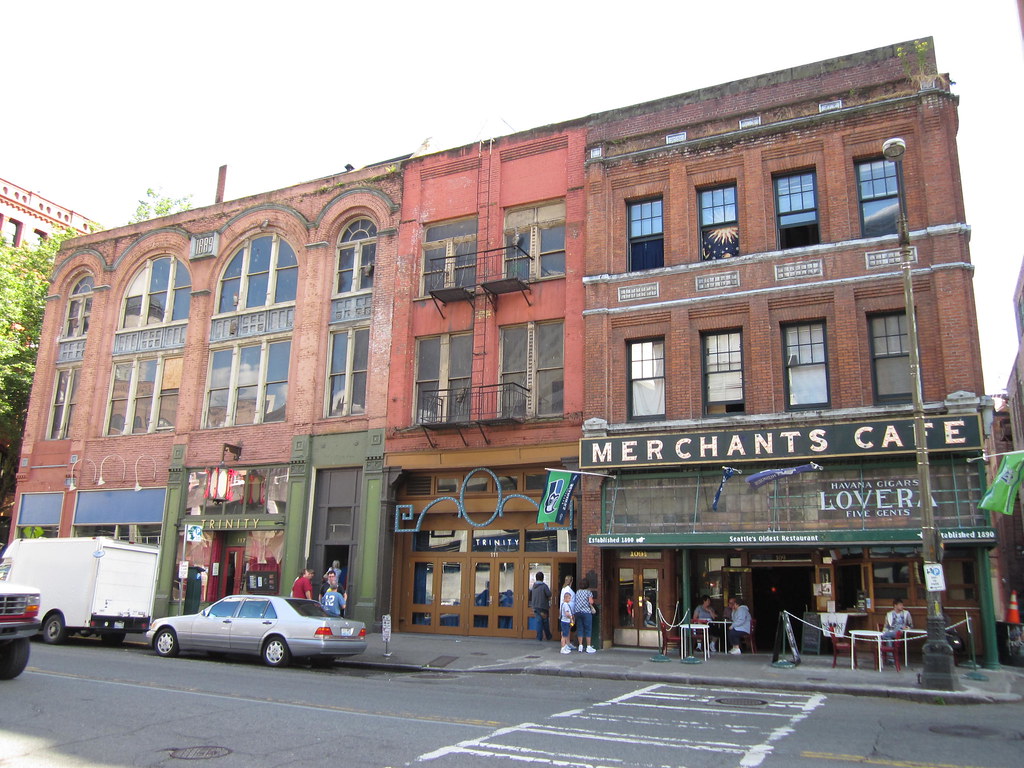
However, the spirit of Seattle proved to be as resilient as the timber that once fueled its economy. Instead of succumbing to despair, the citizens of Seattle embraced the opportunity to rebuild. The fire led to a significant urban renewal effort, with many of the rebuilt structures constructed from brick and stone, creating a more fire-resistant and modern downtown. This period of rebuilding not only restored the city but also laid the groundwork for its future expansion and development. The Great Seattle Fire is a pivotal moment in the city’s history, showcasing the determination and foresight of its residents.
Seattle’s Enduring Legacy and Modern Identity
From its humble beginnings as a settlement of hopeful pioneers, Seattle has transformed into a global hub for technology, innovation, and culture. The city’s establishment, though marked by specific historical dates, represents a continuous process of evolution and adaptation. The foundational principles of opportunity, resourcefulness, and a forward-looking vision, evident from the days of “New York Alki” to the present, continue to define Seattle.
Today, visitors can explore the rich history of Seattle by visiting landmarks that tell its story, from the historic Pioneer Square district, which bears the scars and triumphs of its past, to the waterfront, a testament to its enduring connection to the sea. The city’s iconic skyline, dotted with impressive architecture, stands as a symbol of its ongoing progress. Whether you’re drawn to Seattle for its natural beauty, its vibrant arts scene, its culinary delights, or its pioneering spirit, understanding when Seattle was established offers a deeper appreciation for the journey of this remarkable American city. The blend of its indigenous heritage, pioneering past, and modern dynamism makes Seattle a truly captivating destination, offering a unique travel experience that is both historically significant and wonderfully contemporary.
The spirit of Seattle is one of constant reinvention, from its early days as a frontier town to its current status as a global leader in various industries. The initial establishment of the settlement and its subsequent naming in honor of Chief Si’ahl are crucial points in this narrative, but the story is far richer and more complex. The city’s resilience in the face of adversity, most notably the Great Seattle Fire, underscores the tenacity of its people. Exploring Seattle today allows one to walk through layers of history, from the indigenous roots that predate European settlement to the bustling urban landscape that thrives today. The city’s embrace of innovation, evident in its tech sector, also reflects the pioneering spirit that characterized its founders. For travelers, Seattle offers a diverse range of experiences, from exploring its natural wonders like Mount Rainier National Park to delving into its cultural institutions and vibrant culinary scene. The journey of Seattle, from its inception to its present-day stature, is a compelling testament to human endeavor and the enduring allure of the Pacific Northwest.
LifeOutOfTheBox is a participant in the Amazon Services LLC Associates Program, an affiliate advertising program designed to provide a means for sites to earn advertising fees by advertising and linking to Amazon.com. Amazon, the Amazon logo, AmazonSupply, and the AmazonSupply logo are trademarks of Amazon.com, Inc. or its affiliates. As an Amazon Associate we earn affiliate commissions from qualifying purchases.