
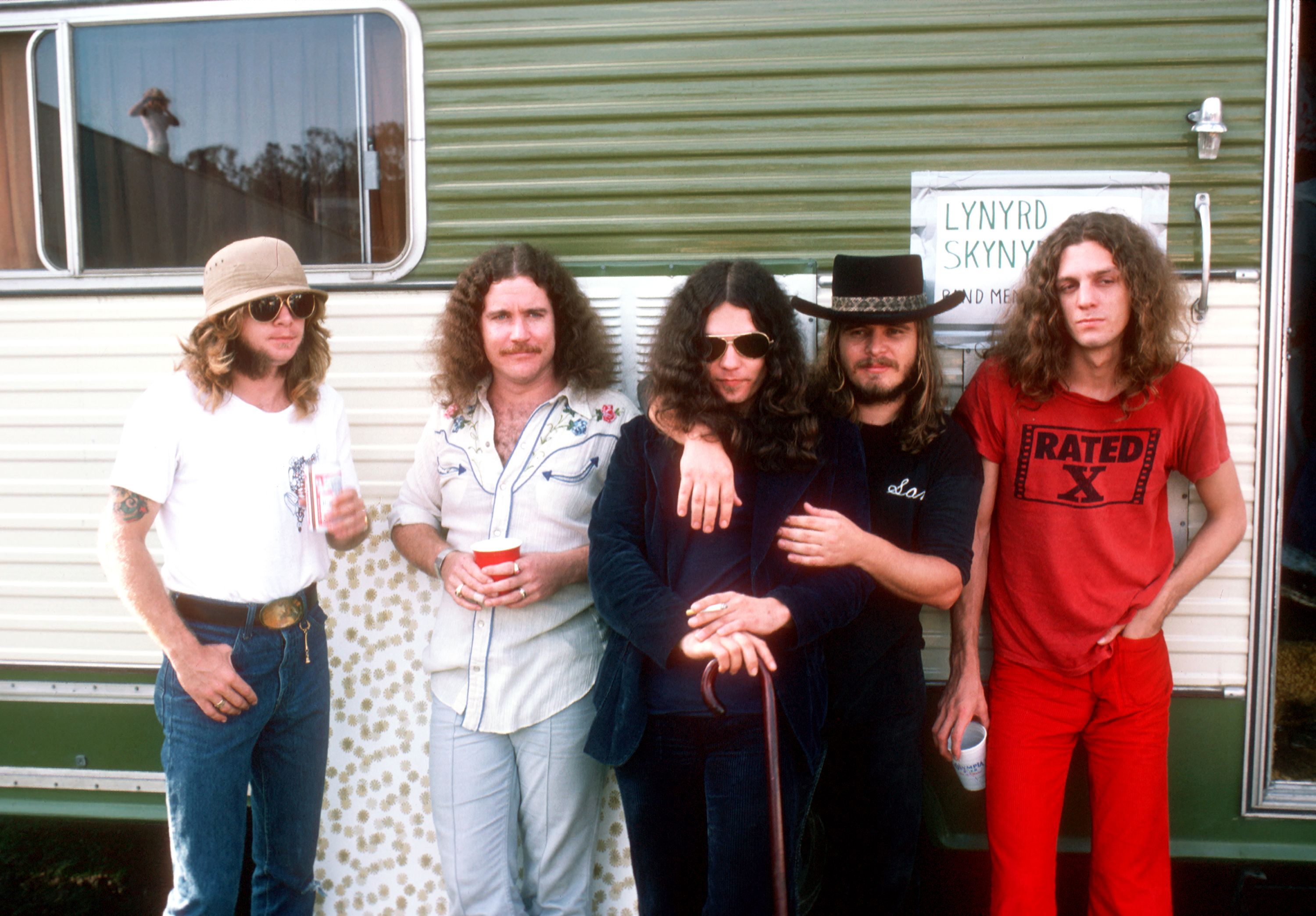
The iconic anthem “Sweet Home Alabama,” by the legendary band Lynyrd Skynyrd, was officially released on June 24, 1974. More than just a hit single, its debut marked a pivotal moment in both music history and, perhaps more subtly, in the cultural narrative surrounding the state of Alabama itself. For travelers and those intrigued by the American South, understanding the context of this song’s release offers a deeper appreciation for the destinations and experiences that define the region. Far from being a mere date on a calendar, June 24, 1974, set in motion a phenomenon that would forever link Alabama with a distinct sense of place, pride, and an invitation to explore its unique landscapes and heritage.
The Anthem’s Unveiling: Tracing the Release and Its Immediate Impact on Alabama’s Image
When “Sweet Home Alabama” hit the airwaves in the summer of 1974, it wasn’t just another rock song; it was a defiant, celebratory response to perceived criticisms of the South. Released as a single from Lynyrd Skynyrd’s second album, Second Helping, the track quickly ascended the charts, reaching number 8 on the Billboard Hot 100. Its instant popularity had a profound, albeit perhaps unintended, effect on how the state of Alabama was perceived by a national and international audience, transforming it from a symbol of racial strife in the Civil Rights era into an emblem of Southern pride, hospitality, and a certain rustic charm.
The Genesis of a Hit: Crafting the Southern Response
The song was written in response to Neil Young’s songs “Southern Man” and “Alabama,” which criticized the South for its history of slavery and racial segregation. Lynyrd Skynyrd, a band that largely hailed from Jacksonville, Florida, sought to present a more nuanced and affectionate portrayal of the region. The lyrics, while acknowledging some of the critiques, focused heavily on the beauty of the land, the warmth of its people, and the vibrant music scene. This counter-narrative resonated deeply, particularly with those who felt their home state was unfairly stereotyped.
Shifting Perceptions: How the Song Altered the Narrative
Immediately upon its release, “Sweet Home Alabama” became an unofficial anthem, not just for Alabama but for the broader South. It offered listeners a vivid, if idealized, snapshot of life below the Mason-Dixon line, painting pictures of starry nights, friendly faces, and a rich cultural tapestry. This romanticized view, though simplifying complex historical realities, undeniably contributed to a more positive and intriguing image for Alabama as a travel destination. It planted a seed in the minds of many: what was this “sweet home” like, and what made its people so proud? This curiosity translated into a subtle yet persistent draw for potential visitors, inviting them to experience the state firsthand rather than relying solely on external narratives.
“Sweet Home Alabama”: A Cultural Touchstone for Travelers
Beyond its immediate impact, the release of “Sweet Home Alabama” established it as a permanent fixture in American popular culture, influencing how travelers engage with the state today. The song serves as an auditory postcard, setting expectations and inspiring itineraries for countless visitors eager to connect with the spirit it encapsulates. It taps into a universal desire for authenticity and local charm, elements that are at the heart of meaningful travel experiences.
Evoking a Sense of Place: The Song as a Travel Primer
For many, “Sweet Home Alabama” is their first or most enduring impression of the state. The simple, evocative chorus and memorable guitar riffs create an immediate sense of place and belonging, even for those who have never set foot there. This emotional connection makes the song a powerful “travel primer,” inspiring curiosity about the state’s natural beauty, its historical sites, and its unique Southern hospitality. Travelers often arrive with the song playing in their heads, creating a soundtrack to their journey and an underlying quest to find the “sweet home” vibe described in the lyrics.
Alabama’s Sound: Music Tourism and Beyond
The song also shone a spotlight on Alabama’s profound contributions to American music. While “Sweet Home Alabama” itself was a Southern rock hit, its lyrics famously reference the “Swampers,” the Muscle Shoals Rhythm Section, highlighting the legendary recording studios in Muscle Shoals. This reference single-handedly put Muscle Shoals on the map for countless music enthusiasts, transforming it into a pilgrimage site for those interested in the history of soul, rock, and country music. Today, music tourism thrives in Alabama, with visitors exploring studios like FAME Studios and Muscle Shoals Sound Studio, directly influenced by the song’s acknowledgment of the region’s musical prowess.

Exploring the Lyric-Inspired Landscapes: Real Destinations from the Iconic Song
One of the most engaging aspects of “Sweet Home Alabama” for travelers is the opportunity to explore the places, both explicit and implicit, that the lyrics bring to life. From specific cities mentioned to the general feeling of the Southern landscape, the song provides a loose but compelling travel guide, inviting visitors to uncover the real Alabama that inspired its creation.
Birmingham: The “Magic City” in Song
The lyric “In Birmingham they love the governor” is one of the most debated lines in the song, referencing Governor George Wallace. While the historical context is complex, the mention firmly places Birmingham within the song’s narrative. For travelers, Birmingham today offers a rich tapestry of history, culture, and modern attractions. Visitors can explore the Birmingham Civil Rights Institute, Vulcan Park and Museum, or enjoy its burgeoning culinary scene. The city serves as a powerful reminder of Alabama’s journey and evolution, allowing travelers to connect with the past while experiencing a vibrant present.
Muscle Shoals: The “Swampers” and Music Heritage
The line “Muscle Shoals has got the Swampers / And they’ve been known to pick a song or two” directly points to Muscle Shoals, a small city with an outsized impact on music history. This reference transformed Muscle Shoals into a must-visit destination for music lovers. Travelers can tour the legendary FAME Studios and Muscle Shoals Sound Studio, where artists from Aretha Franklin to The Rolling Stones recorded iconic tracks. The area’s musical legacy is palpable, offering a unique pilgrimage site that directly fulfills a lyric-driven curiosity.
The Broader Alabama Landscape: Southern Charm and Natural Beauty
Beyond specific cities, the song evokes a broader sense of Alabama’s natural beauty and quintessential Southern charm. The imagery of “pine trees” and “blue skies” encourages travelers to explore the state’s diverse landscapes, from the Appalachian foothills in the north to the pristine Gulf Coast beaches in the south. These natural attractions, combined with the warm hospitality found in small towns and bustling cities alike, allow visitors to find their own version of “sweet home,” experiencing the genuine friendliness and scenic beauty that defines much of the state.
Crafting Your Alabama Itinerary: Embracing the “Sweet Home” Experience
The enduring legacy of “Sweet Home Alabama” offers a unique lens through which to plan a trip to the state. Travelers can consciously seek out experiences that resonate with the song’s themes of pride, culture, and Southern hospitality, designing an itinerary that delves into both the well-known and hidden gems of Alabama.
A Journey Through Music and History
For those drawn by the song’s musical references, an itinerary focusing on Alabama’s rich soundscape is essential. Starting in Muscle Shoals to explore the legendary recording studios, travelers can then venture to Birmingham to visit the Alabama Jazz Hall of Fame or catch live music. Extending south to Montgomery, the state capital, offers a crucial dive into Civil Rights history, providing a fuller understanding of the context behind some of the song’s more challenging references. Combining music, history, and culture allows for a nuanced exploration of the “sweet home” narrative.
Culinary Delights and Southern Hospitality
No trip to Alabama is complete without indulging in its celebrated culinary traditions. From authentic barbecue joints to Gulf Coast seafood, the state offers a delicious exploration of Southern flavors. The “sweet home” experience is often found around the dinner table, where the renowned hospitality of the South truly shines. Travelers should seek out local diners and family-run restaurants to savor regional specialties and engage with locals, discovering the genuine warmth that permeates the state.
Exploring Alabama’s Natural Wonders
To fully appreciate the “sweet home” spirit, venturing into Alabama’s natural beauty is highly recommended. The state boasts diverse landscapes, from the serene hiking trails of the Cheaha State Park in the Talladega National Forest to the sugar-white sands of Gulf Shores and Orange Beach. These natural attractions offer opportunities for relaxation, adventure, and a chance to witness the picturesque scenes that subtly inspired the song’s underlying affection for the land. Whether it’s fishing on a quiet lake or enjoying a sunset over the Gulf of Mexico, Alabama’s outdoors provides a peaceful counterpoint to its vibrant cultural hubs.
Ultimately, the release of “Sweet Home Alabama” in 1974 did far more than introduce a rock anthem to the world. It indelibly linked the state of Alabama with a powerful, often romanticized, identity that continues to influence travel and tourism. For those planning a visit, understanding the song’s origins and its cultural weight provides a richer, more meaningful framework for exploring the diverse destinations, historical sites, and authentic Southern experiences that truly make Alabama a “sweet home” to discover.
LifeOutOfTheBox is a participant in the Amazon Services LLC Associates Program, an affiliate advertising program designed to provide a means for sites to earn advertising fees by advertising and linking to Amazon.com. Amazon, the Amazon logo, AmazonSupply, and the AmazonSupply logo are trademarks of Amazon.com, Inc. or its affiliates. As an Amazon Associate we earn affiliate commissions from qualifying purchases.