
The genesis of a prominent institution like Texas A&M University is often a fascinating journey, deeply intertwined with the historical currents and aspirations of its time. For those visiting Texas and exploring its rich educational and cultural landmarks, understanding the origins of Texas A&M offers a deeper appreciation of its present-day stature. The university officially opened its doors on October 4, 1876, marking a pivotal moment in the history of higher education in the Lone Star State. This date signifies not just the birth of an academic entity, but the inauguration of Texas’s first public institution of higher learning, an event with far-reaching implications for its development, economy, and the unique traditions that define Aggieland today. From its humble beginnings as a military and agricultural college, it has evolved into a world-renowned research university, attracting students, scholars, and visitors who come to experience its vibrant campus life, historic attractions, and the distinctive culture of College Station.
The Dawn of an Educational Era: The Founding Vision
The establishment of Texas A&M was not an isolated event but the culmination of national legislation and pressing local needs in a post-Civil War Texas. The vision was clear: to provide practical education that would empower the state’s citizens and fuel its economic recovery and growth. This pioneering spirit laid the groundwork for an institution that would profoundly impact the state’s landscape, both academically and culturally, creating a destination that draws millions of visitors annually.
Post-Civil War Reconstruction and the Morrill Act
The mid-19th century in the United States was a period of profound transformation, particularly in the South following the devastation of the Civil War. As states grappled with reconstruction, there was a growing recognition of the need for an educated populace skilled in agriculture and mechanical arts to drive economic resurgence. This national sentiment found its legislative expression in the Morrill Act of 1862. Championed by Representative Justin Smith Morrill of Vermont, this landmark federal legislation granted each state a generous allocation of public land to finance the establishment of colleges that would teach “agriculture and the mechanic arts,” without excluding scientific and classical studies, and including military tactics. These institutions, known as land-grant colleges, were designed to make higher education more accessible to the working classes, moving away from the traditional, elite-focused universities of the past.
Texas, having rejoined the Union in 1870, was quick to embrace the opportunities presented by the Morrill Act. The state legislature officially accepted the provisions of the act in 1866, but the actual implementation was delayed due to the turbulent political climate of reconstruction. The vision was not merely about establishing a new school; it was about creating a foundation for future prosperity, a place where young Texans could acquire practical skills vital for the state’s development. This foresight effectively set the stage for what would become a significant landmark in Texas and a draw for future generations interested in its historical and educational heritage. The strategic decision to invest in such an institution underscored a broader commitment to innovation and progress, principles that continue to define the university and attract individuals seeking both knowledge and unique experiences.
From Concept to Cornerstone: Establishing the First Public Institution
With the legislative framework in place, the practical challenge of establishing Texas’s first public institution of higher education began. In 1871, the Texas Legislature provided for the establishment of the Agricultural and Mechanical College of Texas, as it was initially known. The selection of a site was a critical decision. After much deliberation and competition from various towns, a rural tract of land near the small communities of Bryan and Wellborn in Brazos County was chosen. This location, equidistant from the major population centers of Houston and Austin, and accessible by rail, was deemed ideal for a college focused on agriculture, providing ample land for experimentation and a tranquil environment conducive to study. This remote setting, now the vibrant city of College Station, has become a destination in itself, drawing visitors to its campus and surrounding attractions.
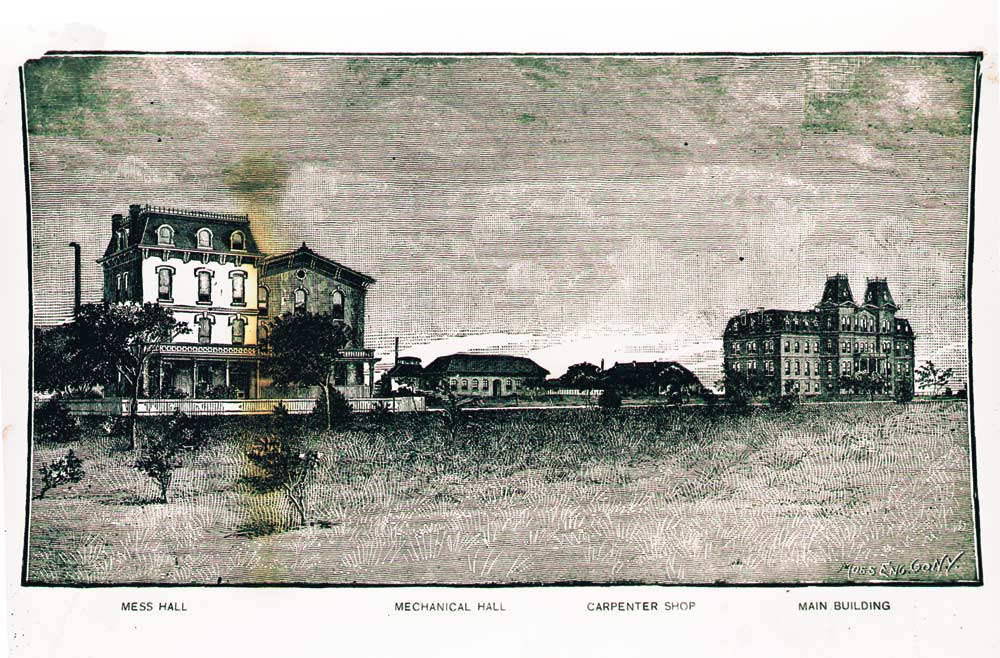
Construction quickly commenced, transforming the untouched landscape into a hub of learning. The foundational buildings, including the iconic Academic Building (which has since been rebuilt), were erected with a blend of practicality and architectural distinction, many of which are now considered significant landmarks. The dedication and hard work of the early pioneers created not just buildings, but the nascent infrastructure for a future city. When the college officially opened its doors on October 4, 1876, 40 students enrolled, ready to embark on a new educational journey. These early students and faculty members were pioneers in their own right, traveling from various parts of Texas to what was then a frontier of education. Their arrival marked the beginning of a vibrant community, foreshadowing the continuous influx of students, families, and tourists who seek out the unique experience of College Station today. This foundational period laid the groundwork for the hospitality and accommodation needs that would grow exponentially, from simple boarding houses to the diverse range of hotels, suites, and resorts available for travelers visiting the university and its surrounding attractions.
Evolution and Enduring Legacy: A Century of Growth and Innovation
From its nascent stages as an agricultural and mechanical college, Texas A&M embarked on a journey of remarkable transformation, adapting to changing societal needs and technological advancements. This evolution not only expanded its academic scope but also solidified its place as a major cultural and economic force in Texas, turning College Station into a dynamic destination for travelers and academics alike.
Pioneering a Path: Early Curriculum and Student Life
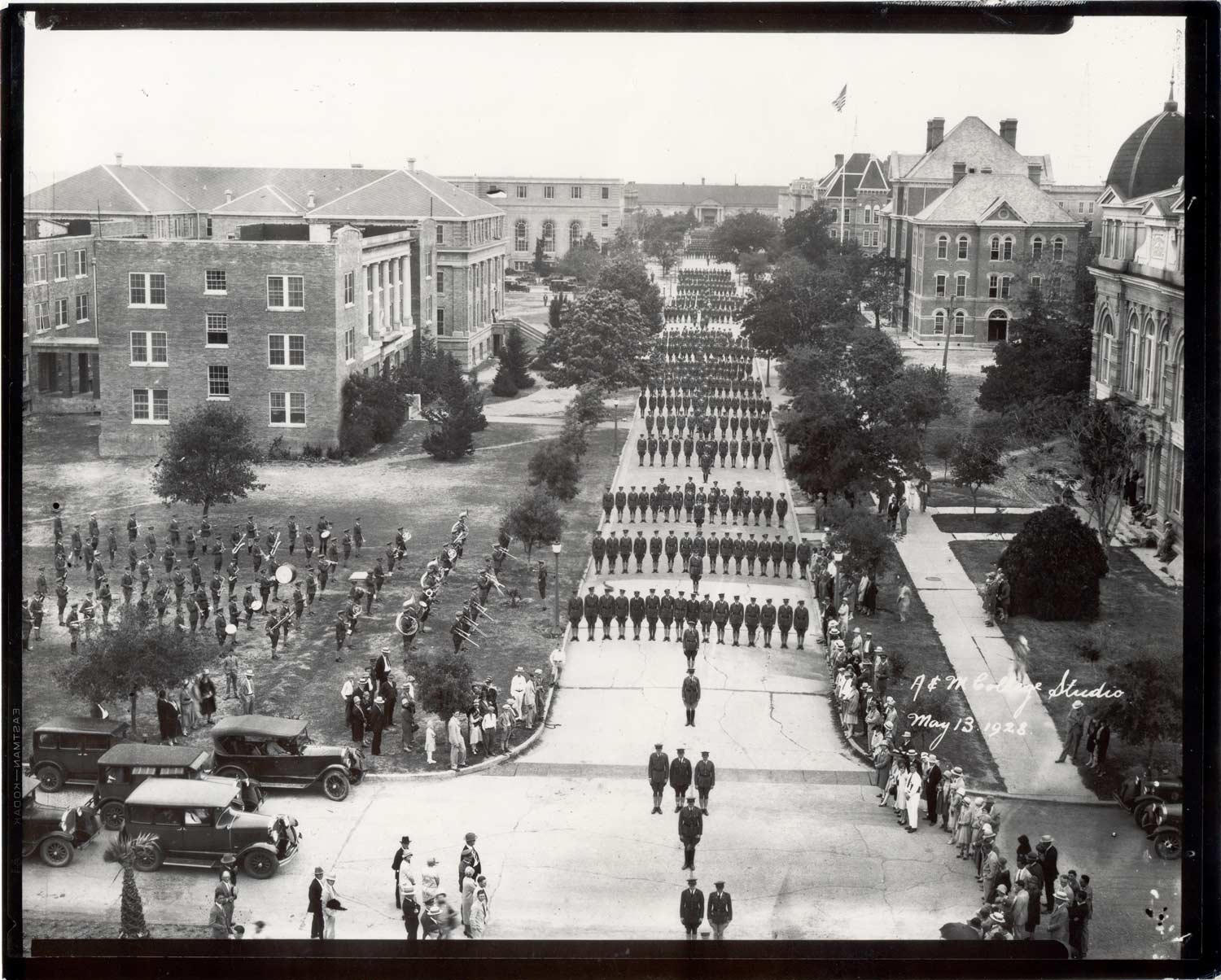
In its initial decades, Texas A&M’s curriculum was sharply focused on its land-grant mission. Students received rigorous instruction in practical subjects such as farming, horticulture, animal husbandry, carpentry, blacksmithing, and engineering. This hands-on approach aimed to produce graduates who could directly contribute to the state’s industrial and agricultural development. A defining characteristic of early student life was the mandatory military training, instilled by the Corps of Cadets. This discipline, a legacy of the Morrill Act’s provision for military tactics, shaped the character of the institution and its students, fostering leadership, integrity, and a strong sense of duty. The daily routines included drills, parades on The Quad, and a structured environment that prepared young men for careers in both civilian and military life.
Student accommodation in these early years was simple, often dormitory-style, reflecting the utilitarian ethos of the college. Life was challenging but built on camaraderie and a shared purpose. The remote location meant that the college quickly fostered a tight-knit community, laying the foundation for many of the unique Aggie traditions that are cherished today. These traditions, such as the Aggie Ring and the concept of the 12th Man, were born out of this period of shared experience and mutual support, becoming integral to the university’s identity and a significant draw for alumni and prospective students who visit. The military heritage, still visible in the Corps of Cadets and events like the Parsons Mounted Cavalry drills, continues to be a unique attraction for visitors interested in military history and campus culture, making it a distinctive landmark experience in Texas.

A Modern University Emerges: Expanding Horizons and Influence
As the 20th century progressed, Texas A&M began to broaden its academic scope beyond its foundational disciplines. The institution gradually expanded its engineering programs, introduced new fields of study in sciences and humanities, and in 1963, officially became Texas A&M University to reflect its growing diversity and commitment to comprehensive education. The change in name symbolized a shift from a technical school to a research powerhouse, earning it designation as a Sea-Grant and Space-Grant institution, reflecting its contributions to marine and aerospace research.
This expansion transformed Texas A&M into a magnet for talent and innovation. Its research endeavors, particularly in areas like petroleum engineering, agriculture, veterinary medicine, and biomedical sciences, have garnered national and international recognition. The growth of the university directly spurred the development of College Station itself, evolving from a small college town into a bustling metropolitan area. This growth created a demand for diverse services, including a wide array of accommodations, from luxury hotels and resorts catering to visiting academics and business travelers to budget-friendly hotels and long-term stay apartments for students’ families and extended visits.
The university’s increasing influence has also had a profound impact on tourism and lifestyle in the region. Major events like football game days at Kyle Field draw hundreds of thousands of visitors, creating a vibrant atmosphere and significant economic activity. These events showcase the unique Aggie spirit and provide an unparalleled experience for sports enthusiasts and those seeking spirited local culture. Furthermore, the university’s commitment to public service and community engagement has led to the development of numerous attractions and experiences that appeal to a broad audience, solidifying its role as a key destination in Texas.
Texas A&M Today: A Hub for Education, Culture, and Tourism
Today, Texas A&M University stands as a testament to its enduring legacy, a vibrant hub that combines world-class education with a rich cultural tapestry. For travelers, it represents a unique destination, offering a blend of history, tradition, academic excellence, and modern amenities. The sprawling campus and the lively city of College Station provide a plethora of attractions and experiences for every type of visitor, from prospective students and their families to sports fans, history buffs, and those simply seeking an authentic Texan adventure.
Experiencing Aggieland: Landmarks and Traditions
Visiting Texas A&M is an immersive experience, steeped in traditions that are as rich and storied as the institution itself. The campus, often referred to as “Aggieland,” is a landmark in its own right, boasting iconic architecture and significant historical sites.
No visit is complete without witnessing the grandeur of Kyle Field, one of the largest and most revered college football stadiums in the United States. On game days, the stadium becomes a deafening “Home of the 12th Man,” a tradition where every fan stands ready to support the team. This tradition, rooted in an actual player stepping out of the stands, embodies the spirit of selfless service and collective support that defines the Aggie community. The electric atmosphere of an Aggie football game is a bucket-list experience for any sports traveler, showcasing local culture at its most passionate.
Another must-see attraction is the George Bush Presidential Library and Museum, located on the West Campus. This impressive complex serves as a tribute to the life and public service of the 41st U.S. President, George H.W. Bush. Visitors can explore fascinating exhibits detailing significant events in American history, view artifacts from his presidency, and even visit the final resting place of President Bush and his wife, Barbara. It’s a key educational and historical landmark that draws countless tourists interested in presidential history.
The heart of the campus also offers historical gems like The Quad, where the Corps of Cadets practices drills and holds traditions like Aggie Muster, a sacred annual roll call honoring fallen Aggies. The Memorial Student Center (MSC) is another important hub, a “living memorial” that hosts events, dining options, and provides a space for student life and visitor information. Taking a stroll down Military Walk, or admiring the Academic Building and other historic structures, gives visitors a sense of the university’s enduring architectural beauty and storied past. Other cultural touchstones include the Bonfire Memorial, a poignant site dedicated to a beloved but tragic Aggie tradition, and the Aggie Ring, a symbol of the lifelong bond shared by alumni, celebrated at the Clayton W. Williams, Jr. Alumni Center. These traditions and landmarks offer rich experiences, making Texas A&M a compelling destination for cultural tourism.
Planning Your Visit: Accommodation and Local Delights
For anyone planning a trip to College Station and Texas A&M, the array of accommodation options ensures a comfortable stay, whether for a quick visit, a family trip, or an extended business stay. The area boasts a robust selection of hotels, suites, resorts, and even apartments for longer-term stays, catering to various budgets and preferences.
For those seeking luxury travel, several upscale hotels offer premium amenities, including fine dining, spa services, and executive suites, perfect for business travelers or those celebrating special occasions. Options often include well-known chains as well as unique boutique hotels near the campus. For families or budget-conscious travelers, there are numerous mid-range hotels offering comfortable rooms, complimentary breakfasts, and family-friendly amenities like pools. Many establishments are conveniently located near campus attractions, Kyle Field, and the lively North Gate area, known for its vibrant nightlife and dining scene. For those needing more space or a longer duration, serviced apartments and villas provide a home-away-from-home experience, complete with kitchens and separate living areas. Online booking platforms offer easy comparison and reviews, allowing visitors to find the perfect match for their travel needs.
Beyond accommodation, College Station offers a diverse culinary landscape. From authentic Tex-Mex and classic Texas BBQ joints to upscale restaurants and trendy cafes, there’s something to satisfy every palate. Exploring the local food scene is an essential part of the tourism experience, providing a taste of true Texan hospitality. Additionally, visitors can enjoy other local attractions like the Children’s Museum of the Brazos Valley, Reed Arena for sporting events and concerts, or simply exploring the many parks and green spaces. Whether you’re coming for a sporting event, a campus tour, a historical exploration, or a business conference, College Station is well-equipped to provide a memorable travel experience, highlighting the vibrant lifestyle that has grown around one of Texas’s most cherished institutions.
From its founding on October 4, 1876, Texas A&M University has not only educated generations but has also shaped the cultural and economic landscape of Texas. It stands as a beacon of innovation and tradition, offering a unique destination for visitors worldwide.
LifeOutOfTheBox is a participant in the Amazon Services LLC Associates Program, an affiliate advertising program designed to provide a means for sites to earn advertising fees by advertising and linking to Amazon.com. Amazon, the Amazon logo, AmazonSupply, and the AmazonSupply logo are trademarks of Amazon.com, Inc. or its affiliates. As an Amazon Associate we earn affiliate commissions from qualifying purchases.