
The foundational year of Texas A&M University is a significant marker in the rich tapestry of higher education in the United States, and more specifically, within the vibrant state of Texas. Established as the Agricultural and Mechanical College of Texas, it opened its doors to students on October 4, 1876. This date marks the beginning of a journey that would see the institution evolve into one of the nation’s leading research universities, renowned for its strong traditions, academic excellence, and significant contributions to various fields.
The establishment of the Agricultural and Mechanical College of Texas was a direct result of the Morrill Act of 1862, also known as the Land-Grant Act. This pivotal federal legislation was signed into law by President Abraham Lincoln and provided grants of federal land to each state to establish colleges that would teach agriculture, mechanics, and military tactics. The primary aim was to promote practical education and technical training to a wider segment of the population, thereby fostering economic and industrial development across the country. Texas was a proud recipient of this act, and the vision behind it directly shaped the genesis of what would become Texas A&M University.

The choice of Bryan and College Station, Texas, as the location for this new institution was not accidental. These areas offered fertile ground for agricultural pursuits and a strategic position within the burgeoning state. The initial campus, though modest by today’s standards, was designed to accommodate the academic and practical needs of its first students. The early years were characterized by a strong emphasis on military training, reflecting the Morrill Act‘s provisions and the educational philosophies of the time. This military tradition has remained a cornerstone of the university’s identity, fostering discipline, leadership, and a strong sense of community among its students, often referred to as “Cadets” in its early days.
The transformation from the Agricultural and Mechanical College of Texas to Texas A&M University was a gradual process, reflecting the changing landscape of higher education and the evolving needs of Texas. Over the decades, the university expanded its academic offerings, moving beyond its initial focus on agriculture and mechanical arts to encompass a broad spectrum of disciplines, including engineering, liberal arts, sciences, and business. This expansion allowed the university to attract a more diverse student body and to address the growing demands of a modernizing Texas economy. The name change to Texas A&M University in 1963 officially recognized this broader scope and its status as a comprehensive research institution.
The Genesis of a Land-Grant Institution
The story of Texas A&M University‘s founding is intrinsically linked to the vision of land-grant colleges, an initiative that aimed to democratize higher education and equip citizens with practical skills for a rapidly industrializing nation. The Morrill Act of 1862 was the catalyst, envisioning institutions that would balance theoretical knowledge with hands-on application.
The Morrill Act and its Impact on Texas
The Morrill Act provided federal land endowments to states, which could then sell this land to fund the establishment and operation of new educational institutions. The core mandate was to offer programs in “agriculture and the mechanic arts,” subjects deemed crucial for national progress. For Texas, this meant an opportunity to build a strong educational foundation that would support its agricultural economy and its growing industrial sector. The state’s commitment to establishing such an institution was formalized through legislative action, leading to the selection of a site and the planning of the first college.
Establishing the Agricultural and Mechanical College of Texas
The site selection process involved considerable debate, but ultimately, the fertile lands surrounding Bryan and College Station proved to be an ideal location. The federal land grant provided the financial basis, while the state provided the legislative framework and the commitment to oversee the institution’s development. In 1871, the Texas legislature passed an act to establish the Agricultural and Mechanical College of Texas, laying the groundwork for the physical campus and the initial curriculum. This was a monumental step, signifying Texas‘s dedication to providing accessible, practical education to its citizens. The initial vision was clear: to cultivate skilled individuals who could contribute directly to the state’s development, whether in farming, engineering, or military service.
The Inaugural Years and Early Traditions
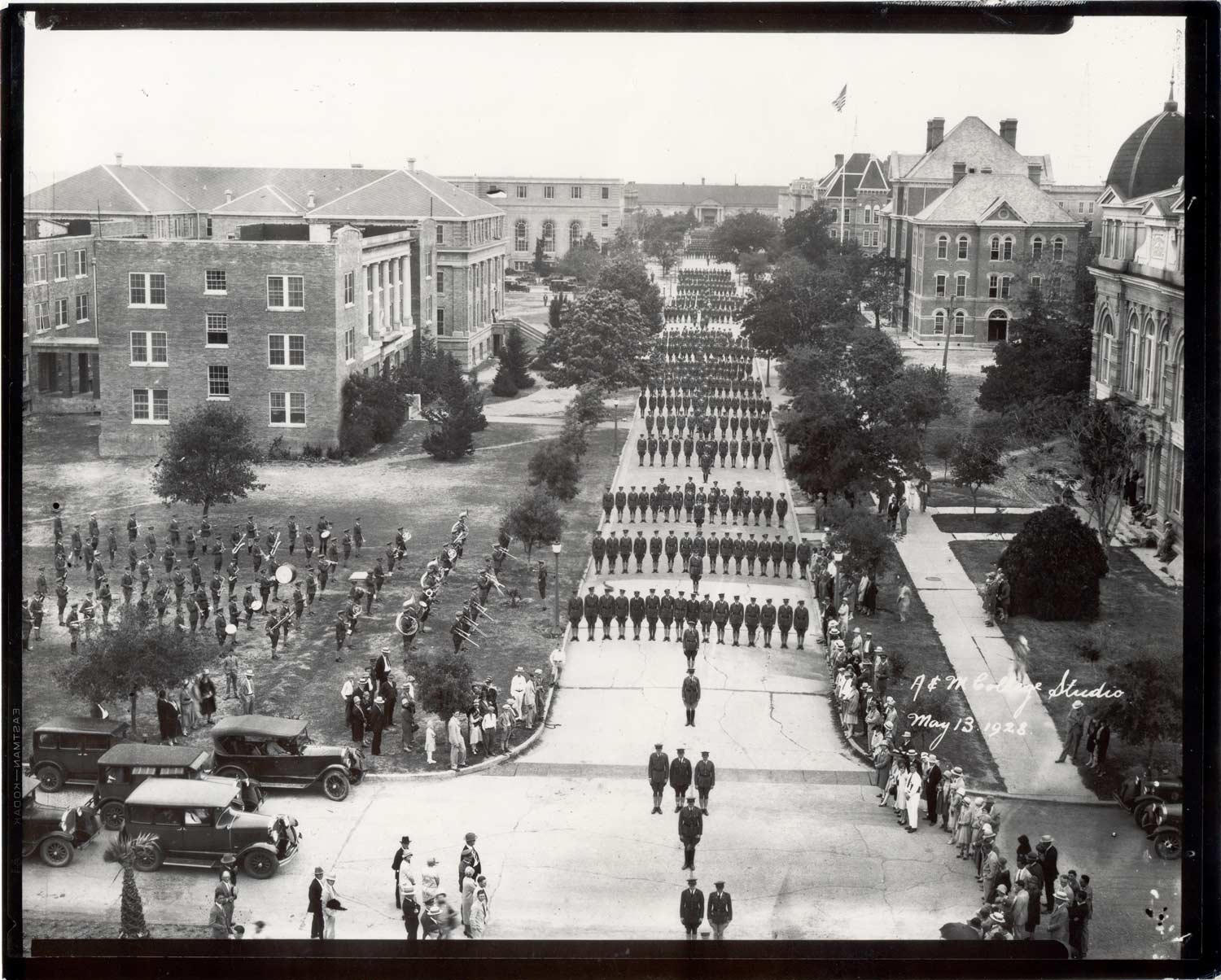
The doors of the Agricultural and Mechanical College of Texas officially opened on October 4, 1876. This date is etched in the history of Texas A&M University as its founding day, marking the beginning of its educational mission and the cultivation of its unique culture. The first class comprised a relatively small number of students, all of whom were required to be male and board at the college, adhering to a strict regimen that included military drills and agricultural work.
The First Students and the Military Tradition
The early days were defined by a rigorous schedule and a strong emphasis on discipline, largely due to the compulsory military training. This was not merely an academic requirement but a core element of the college’s ethos, intended to instill leadership qualities and a sense of duty. Students were expected to live by a strict code of conduct, and their daily lives were highly structured. The military aspect of the curriculum played a significant role in shaping the character of the institution and its graduates, fostering a sense of camaraderie and a lifelong connection to the university. This tradition continues to be a distinguishing feature of Texas A&M University, with a large Corps of Cadets still active today, a testament to the enduring impact of these foundational years.
Curriculum and Campus Development
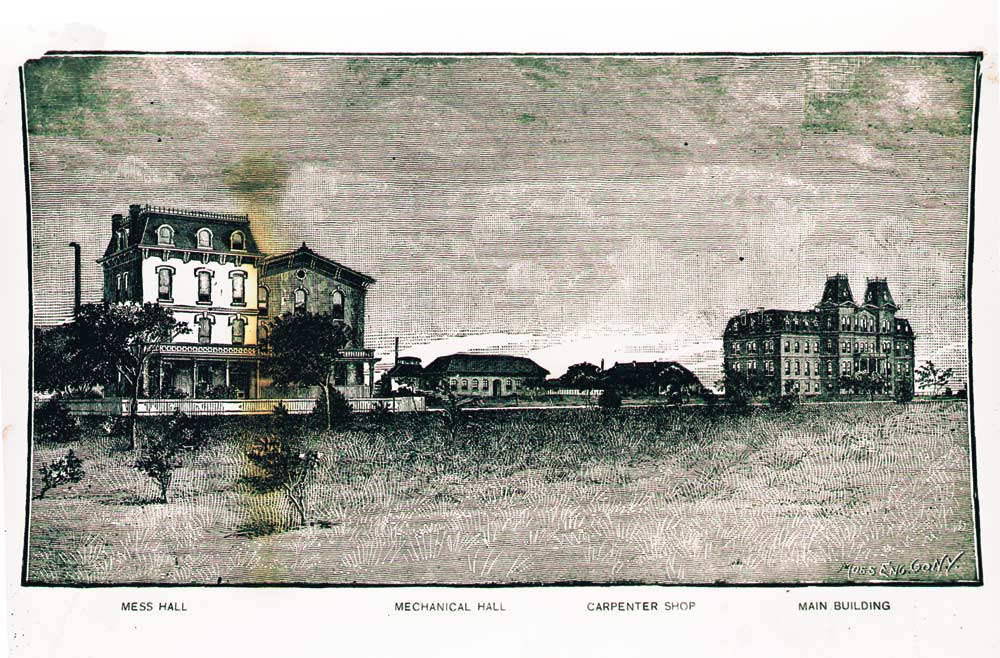
The curriculum in the early years was heavily focused on agriculture and mechanics, reflecting the intent of the Morrill Act. Students received practical training in farming techniques, engineering principles, and scientific methods applicable to these fields. The campus itself began to take shape with the construction of essential buildings, including academic halls, dormitories, and facilities for agricultural experimentation. The development was deliberate, aiming to create an environment conducive to both theoretical learning and hands-on experience. This early emphasis on practical application and robust academic programs laid the foundation for the university’s future growth and diversification.
The Evolution into a Modern University
From its humble beginnings as the Agricultural and Mechanical College of Texas, the institution embarked on a journey of remarkable growth and transformation. Over more than a century, it evolved from a specialized college into a comprehensive public research university, broadening its academic scope and increasing its national and international influence.
Expanding Academic Horizons
The mid-20th century marked a period of significant expansion in academic programs. While agriculture and engineering remained strong pillars, the university began to develop robust programs in arts and sciences, business, education, and other professional fields. This diversification was crucial for meeting the evolving demands of a complex society and for attracting a wider range of students. Research also became an increasingly important focus, leading to the establishment of numerous research centers and institutes that have made significant contributions to knowledge and innovation. The transition was solidified in 1963 with the official name change to Texas A&M University, a designation that accurately reflected its comprehensive nature and its ambition as a leading research institution.
The Spirit of Aggieland: Traditions and Culture
The enduring legacy of Texas A&M University is not solely defined by its academic achievements but also by its rich and distinctive traditions. The term “Aggie” itself, derived from “agriculture,” has become synonymous with the university’s identity, embodying a spirit of resilience, loyalty, and a deep sense of community. These traditions, many of which have roots in the university’s early days, foster a unique bond among students, alumni, and faculty. From the iconic “Midnight Yell” before football games to the solemn remembrance of fallen heroes, these practices contribute to a vibrant campus culture that resonates with generations of students. The university’s location in College Station has also fostered a strong connection between the university and the surrounding community, creating a distinctive college town atmosphere. The ongoing development of the campus, including modern residence halls, state-of-the-art research facilities, and recreational spaces, continues to support its mission while preserving its cherished heritage. The George H.W. Bush Presidential Library and Museum, located on the Texas A&M campus, serves as a significant landmark and a center for research on the 41st President of the United States. This adds another layer of historical and cultural significance to the university’s already impressive profile.
In conclusion, Texas A&M University was founded on October 4, 1876, as the Agricultural and Mechanical College of Texas. This founding date signifies the beginning of a storied history rooted in the Morrill Act‘s vision of practical education and culminating in its status today as a premier global research university. Its journey from a specialized college to a comprehensive institution is a testament to its adaptability, its commitment to excellence, and the enduring spirit of its community.
LifeOutOfTheBox is a participant in the Amazon Services LLC Associates Program, an affiliate advertising program designed to provide a means for sites to earn advertising fees by advertising and linking to Amazon.com. Amazon, the Amazon logo, AmazonSupply, and the AmazonSupply logo are trademarks of Amazon.com, Inc. or its affiliates. As an Amazon Associate we earn affiliate commissions from qualifying purchases.