
The Lone Star State, a land of sprawling ranches, vibrant cities, and a rich, often tumultuous, history, evokes images of cowboys, independence, and a spirit as vast as its horizons. But when exactly did this iconic state, Texas, come into being? The answer isn’t a single date etched in stone, but rather a tapestry woven from periods of self-governance and eventual admission into the United States of America. To truly understand “When Was Texas Formed?”, we must delve into its fascinating journey from a Spanish colony to an independent republic, and finally, a state.
The origins of Texas as a distinct entity can be traced back to the early 19th century. Prior to that, the land was part of New Spain, and later, Mexico. The seeds of a separate Texan identity were sown with the arrival of Anglo-American settlers in the 1820s, encouraged by the Mexican government to populate the vast and sparsely inhabited territory. However, burgeoning cultural and political differences, coupled with Mexico’s centralization of power, led to growing discontent among these settlers.
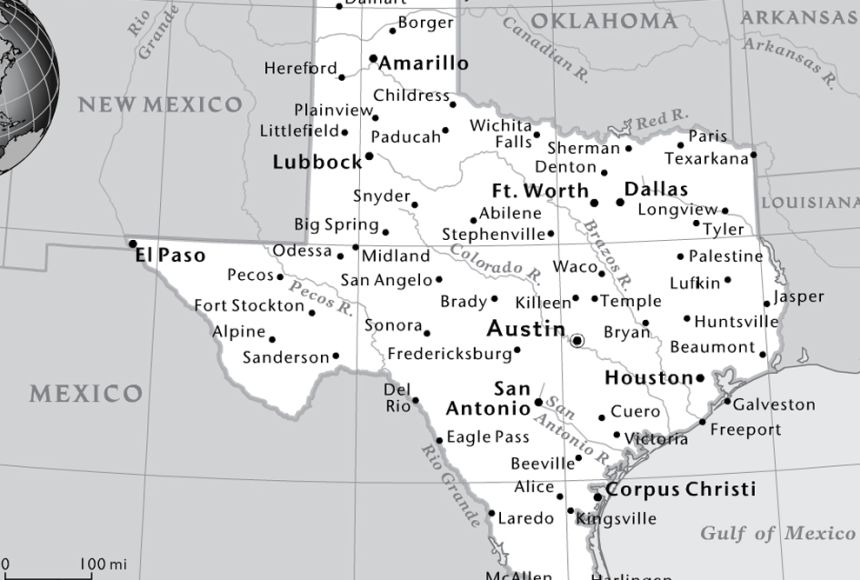
The Road to Independence: From Mexican Province to Republic
The tensions between the Texan settlers and the Mexican government escalated throughout the early 1830s. Key events, such as the imposition of stricter laws by Mexico and the abolition of slavery, further fueled the desire for self-determination. The Texan Revolution, a bloody struggle for independence, officially began in 1835.
The Spark of Revolution: Key Events and Battles
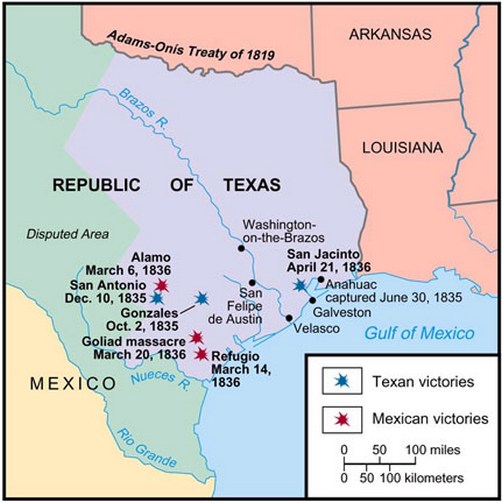
The Texan Revolution was marked by a series of pivotal battles and events that ultimately led to the birth of the Republic of Texas. The initial clashes, such as the Battle of Gonzales in October 1835, where Texans famously fired upon Mexican forces from a cannon, signaled the start of open hostilities. This confrontation, symbolized by the “Come and Take It” flag, became a potent emblem of Texan defiance.
The following year, 1836, proved to be a defining period. In March, the Texans declared their independence, adopting a constitution and establishing a provisional government. This declaration, however, came at a steep price. The Battle of the Alamo, a heroic but ultimately doomed defense of a San Antonio mission by a small force of Texans against a much larger Mexican army led by General Santa Anna, became a rallying cry for the revolution. Though the defenders were all killed, their sacrifice inspired Texans and galvanized support for the cause.
Shortly after the fall of the Alamo, the Goliad Massacre further inflamed Texan sentiments. Texan prisoners of war were executed by Mexican forces, cementing the image of Mexican tyranny in the eyes of many.
The Triumph at San Jacinto
The tide of the revolution turned dramatically at the Battle of San Jacinto on April 21, 1836. Under the command of General Sam Houston, Texan forces launched a surprise attack on General Santa Anna’s army, achieving a swift and decisive victory. The battle lasted only 18 minutes, resulting in the capture of Santa Anna and the effective end of Mexican military control over Texas. This pivotal victory secured the independence of Texas.
With independence won, the Republic of Texas was established, with Sam Houston serving as its first president. This period of Texan nationhood lasted for nine years, from 1836 to 1845. During this time, Texas navigated the challenges of building a new nation, including establishing its government, defining its borders, and fostering economic stability. The dream of joining the United States was a persistent one, but there were significant hurdles, including issues surrounding slavery and the potential for conflict with Mexico, which still claimed sovereignty over the territory.
Statehood: Texas Joins the Union
The culmination of Texas’s journey towards becoming a part of the United States was its annexation. After years of lobbying and political maneuvering, Texas was finally admitted as the 28th state of the United States of America on December 29, 1845. This marked the official “formation” of Texas as a state within the federal union.
The annexation was a complex and contentious issue. Proponents argued that it would expand the nation’s territory and influence, while opponents feared it would exacerbate tensions with Mexico and strengthen the power of slave-holding states. Ultimately, the desire for westward expansion and the strategic importance of Texas tipped the scales in favor of annexation.
The admission of Texas as a state had profound consequences. It not only added a vast territory to the United States but also played a significant role in igniting the Mexican-American War (1846-1848), which further defined the borders of both nations. The war resulted in Mexico ceding a large swathe of territory to the United States, including present-day California, Nevada, Utah, Arizona, New Mexico, and parts of Colorado and Wyoming.
The Legacy of Independence and Statehood
The period of Texas’s independence as a republic left an indelible mark on its culture and identity. The ideals of self-reliance, independence, and a fierce pride in its unique heritage are deeply ingrained in the Texan spirit. This era shaped the state’s political landscape and its distinct approach to governance.
Upon joining the United States, Texas retained certain rights and privileges not enjoyed by other states, partly due to its prior status as an independent nation. This includes the right to divide itself into as many as five states, a provision that has never been exercised but remains a testament to its unique formation.
The decision to become a state also brought Texas into the fold of national politics and economic development. It experienced significant growth in population, industry, and agriculture, becoming a major player in the national economy. However, this transition also brought the state face-to-face with the growing divide over slavery, which ultimately led to the American Civil War. Texas seceded from the Union in 1861 and joined the Confederate States of America.
Experiencing Texas Today: A Blend of History and Modernity
Today, visiting Texas offers a captivating journey through its rich history and dynamic present. From the historic Alamo in San Antonio to the bustling metropolises of Houston, Dallas, and Austin, the state showcases a remarkable blend of heritage and modernity.
Travelers can explore iconic landmarks that tell the story of Texas’s formation. The Alamo stands as a solemn reminder of the sacrifices made for independence. The Texas State Capitol in Austin, an architectural marvel, symbolizes the state’s enduring self-governance. Beyond historical sites, Texas boasts a diverse array of attractions. Nature enthusiasts can explore the vastness of Big Bend National Park, or the scenic beauty of the Texas Hill Country.
For those seeking cultural experiences, Texas offers a vibrant scene. Its music festivals, renowned culinary traditions (from barbecue to Tex-Mex), and numerous museums celebrate the state’s multifaceted heritage. The sheer scale of Texas means a variety of experiences are available. Whether one is looking for a luxurious resort stay in Dallas, a charming bed and breakfast in a historic town, or a family-friendly adventure exploring the natural wonders, Texas accommodation options are as diverse as its landscape.
The story of “When Was Texas Formed?” is more than just a historical question; it’s an exploration of resilience, determination, and the forging of a unique identity. It’s a narrative of a land that fought for its freedom, forged its own republic, and ultimately, found its place as a cornerstone of the United States. The echoes of its independent spirit continue to resonate, making Texas a destination that is as captivating for its history as it is for its vibrant present.
LifeOutOfTheBox is a participant in the Amazon Services LLC Associates Program, an affiliate advertising program designed to provide a means for sites to earn advertising fees by advertising and linking to Amazon.com. Amazon, the Amazon logo, AmazonSupply, and the AmazonSupply logo are trademarks of Amazon.com, Inc. or its affiliates. As an Amazon Associate we earn affiliate commissions from qualifying purchases.