
The history of educational infrastructure in New York State is a tapestry woven from the necessity of providing equitable opportunities to students regardless of their geographic location. Among the most significant developments in this journey is the creation of the Board of Cooperative Educational Services, commonly known as BOCES. While the question of when these programs were developed often arises in historical and administrative contexts, understanding their origins requires a deep dive into the mid-20th-century evolution of vocational and technical education within the United States.
The Legislative Genesis of BOCES
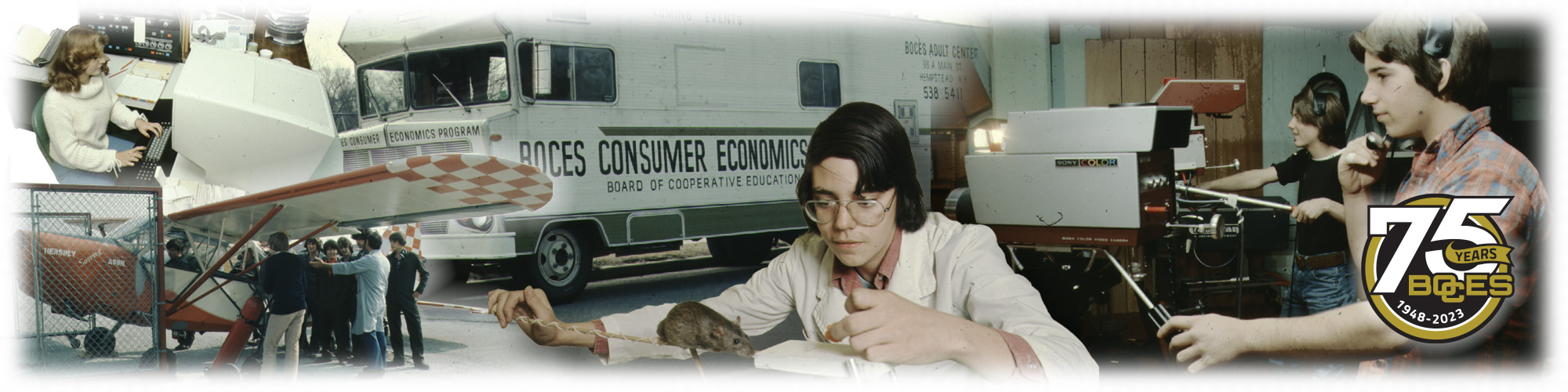
The formal inception of the BOCES framework traces back to 1948. It was during this pivotal year that the New York State Legislature passed legislation aimed at enabling smaller school districts to combine their resources. The objective was clear: to provide shared services and educational programs that were otherwise financially or logistically unattainable for individual, small-scale districts.
Addressing the Needs of Rural Districts
Before 1948, students living in rural areas of the Empire State faced limited options. While urban centers like New York City could afford to build specialized vocational high schools, towns in Upstate New York often struggled to fund advanced curricula in areas like agriculture, technology, or trade skills. The legislative move in 1948 essentially unlocked a mechanism for “cooperation” across district boundaries, which serves as the fundamental philosophy of BOCES today.
The Role of District Superintendents
The success of this new model relied heavily on the role of the District Superintendent. These officials acted as the bridge between the New York State Education Department and local boards. By facilitating inter-district cooperation, these superintendents transformed a radical legislative concept into a robust network of regional centers that would eventually redefine the landscape of technical training in North America.
Evolution Through the Decades: 1950s to 1970s
Once the legal groundwork was established, the 1950s served as a period of structural experimentation. Early programs were modest, often focusing on itinerant teachers who traveled between schools to provide specialized instruction in music, art, or basic technical skills. It was not until the 1960s that the model shifted toward the large, centralized campuses that characterize modern BOCES facilities.
Expanding into Vocational Excellence
As the United States economy transitioned toward a more service-oriented and high-tech manufacturing base, the demand for skilled labor skyrocketed. BOCES centers across counties like Westchester and Suffolk began to invest heavily in state-of-the-art machinery and equipment. By the 1970s, these institutions were no longer just “shared services” providers; they had become centers of excellence for career and technical education (CTE).

Integration with Modern Academic Standards
During the latter part of the 20th century, the state mandate required these programs to integrate more closely with high school graduation requirements. This ensured that a student pursuing a trade, such as automotive repair or culinary arts in a facility like the Culinary Institute of America pipeline, would not sacrifice their core academic rigor. This marriage of vocational training and academic discipline remains a hallmark of the New York education system.
The Modern Impact of BOCES in New York State
Today, BOCES functions as a vital pillar of the state’s educational ecosystem. It has evolved far beyond its 1948 roots, encompassing everything from special education and alternative high school pathways to high-tech workforce development and teacher training.
Technological Advancements and STEM
In the 21st century, the focus has shifted toward STEM (Science, Technology, Engineering, and Mathematics). Many BOCES campuses now host advanced cybersecurity labs, robotics workshops, and sustainable energy training programs. By partnering with local industries and institutions such as SUNY, these programs ensure that students are graduating with the certifications needed to enter the workforce or pursue higher education immediately upon completion.
Supporting Diverse Learning Needs
Beyond vocational training, a significant portion of BOCES resources is dedicated to special education. By providing specialized environments and highly trained staff that local districts might not be able to replicate on their own, BOCES ensures that all students, regardless of their learning profile, have access to high-quality instruction. This commitment to inclusivity is a direct outgrowth of the original “cooperative” intent of the 1948 legislation.
Looking Toward the Future of Regional Education
The history of BOCES is an ongoing narrative rather than a closed chapter. As the economy changes, so too must the institutions that prepare the next generation of workers. Current trends indicate a move toward even tighter integration with regional economic development agencies and an increased emphasis on apprenticeship-style learning.
Bridging the Gap Between Classroom and Workplace
One of the most exciting aspects of modern BOCES is its role as a bridge between the classroom and the workplace. By maintaining strong relationships with trade unions and businesses, these centers ensure that their curriculum remains relevant in a rapidly shifting economy. Whether a student is studying fashion design, nursing, or computer programming, they are learning in environments that mirror professional settings found in major hubs like Albany or Buffalo.

The Sustainability of the Cooperative Model
The question of when BOCES was developed is answered by the date 1948, but the answer to why it has persisted lies in its agility. Unlike rigid institutional structures, the cooperative model is designed to adapt. By allowing individual districts to vote on which services to participate in, the system remains democratically driven and fiscally responsible. As we look at the future of education in the Northeast, the BOCES model stands as a testament to the power of shared resources and collective vision.
In summary, the development of BOCES was a landmark decision that transformed how New York State delivers education. From its inception in 1948 to the modern, multifaceted institutions of today, it has consistently provided the essential tools for students to build meaningful careers. Whether exploring the history of American education or analyzing the economic health of the region, understanding the role of these cooperative services is essential. They remain a vibrant, evolving piece of the state’s social infrastructure, ensuring that technical and specialized education remains within reach of every student in the state.
LifeOutOfTheBox is a participant in the Amazon Services LLC Associates Program, an affiliate advertising program designed to provide a means for sites to earn advertising fees by advertising and linking to Amazon.com. Amazon, the Amazon logo, AmazonSupply, and the AmazonSupply logo are trademarks of Amazon.com, Inc. or its affiliates. As an Amazon Associate we earn affiliate commissions from qualifying purchases.