
The question “When was the bombing in Boston?” immediately brings to mind a somber day in the city’s modern history. On April 15, 2013, the vibrant atmosphere of Patriots’ Day and the iconic Boston Marathon was shattered by a horrific act of terror. This event, known as the Boston Marathon Bombing, left an indelible mark on the city and its people. However, to understand Boston purely through the lens of this tragedy would be to miss the broader narrative of a city defined by its profound history, unwavering resilience, and an vibrant culture that continues to thrive.
Boston is a metropolis that effortlessly blends its revolutionary past with a cutting-edge present, making it one of the most compelling travel destinations in the United States. While the events of 2013 are a part of its story, they serve more as a testament to the city’s enduring spirit than its defining characteristic. For visitors today, Boston offers an incredible array of experiences, from exploring historic landmarks and world-class museums to indulging in exquisite cuisine and enjoying its lively neighborhoods. This article delves into the details of the 2013 bombing, not just as a historical recounting, but to understand its context within the city’s greater narrative of resilience and to ultimately celebrate Boston as an essential travel destination, inviting visitors to experience its multifaceted charm and strength.
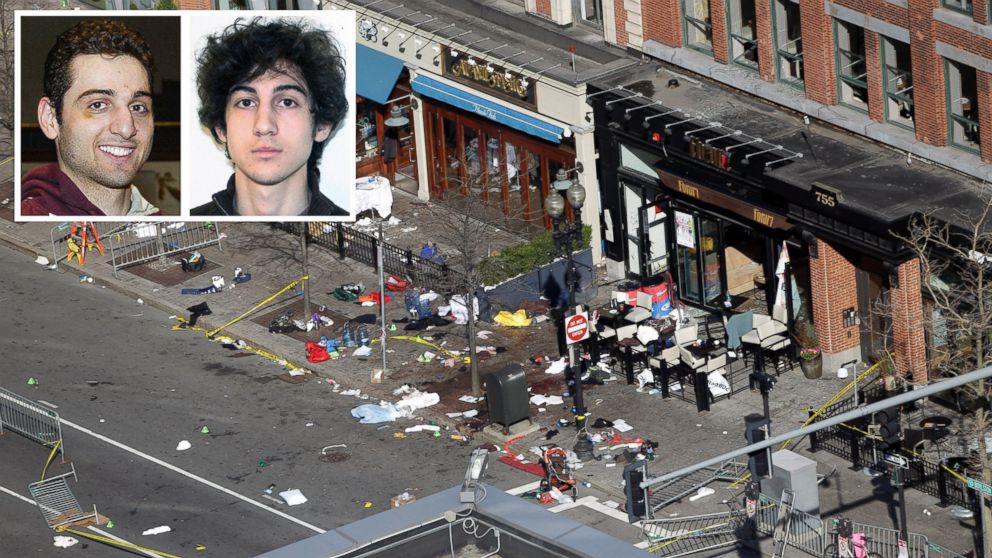
The Day That Shook Boston: Unpacking the Events of April 15, 2013
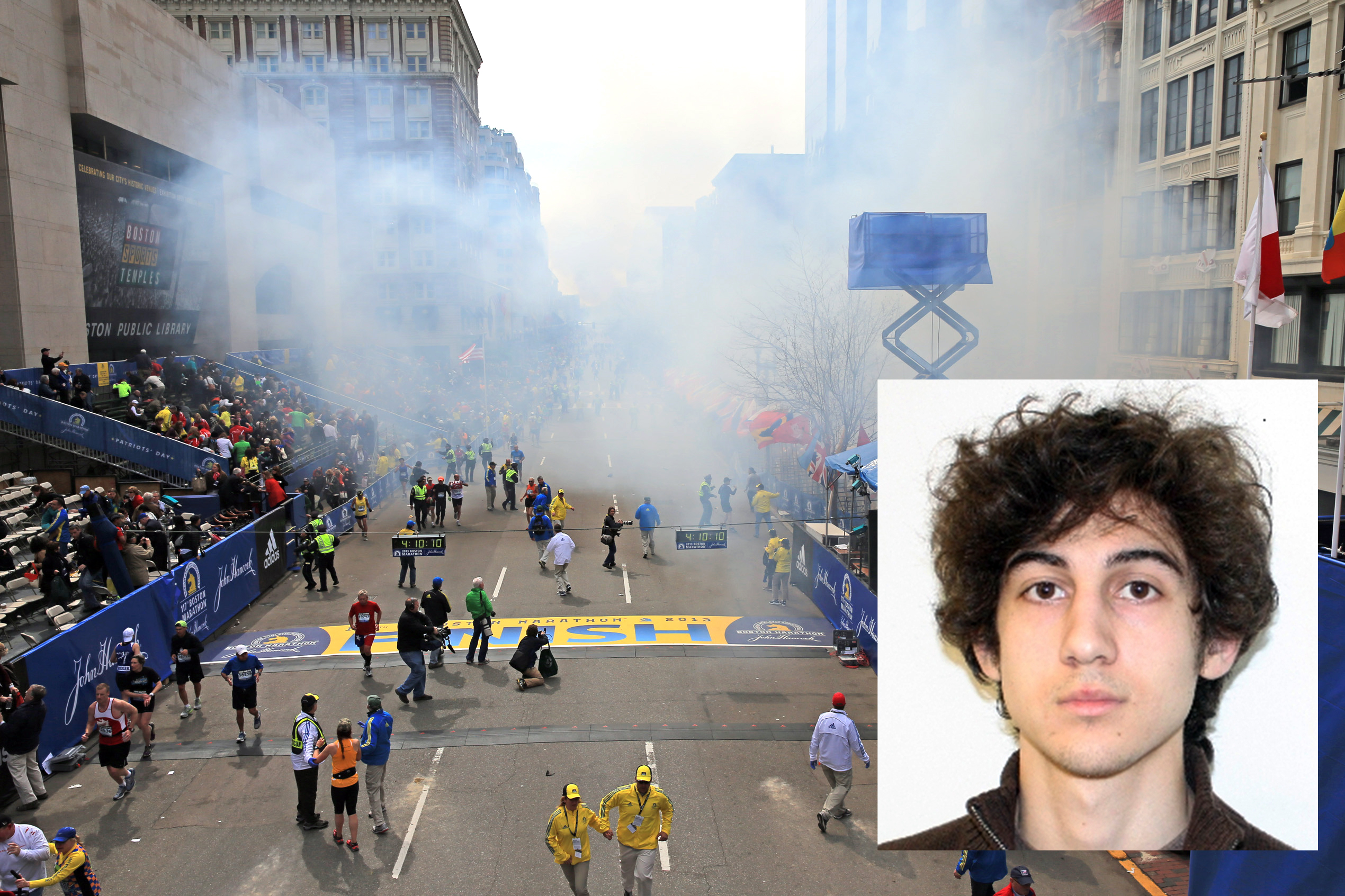
The morning of April 15, 2013, began like many Patriots’ Days in Boston – filled with anticipation and celebration. Thousands of runners were nearing the finish line of the 117th Boston Marathon, one of the world’s most prestigious road races, and countless spectators lined Boylston Street in Back Bay, cheering them on. This annual event is a deeply ingrained tradition, a day when the city unites in a display of athletic prowess, community spirit, and shared joy.
A City United in Celebration and Tragedy
The Boston Marathon is more than just a race; it’s a rite of spring, a symbol of perseverance, and a vibrant public holiday. Runners from around the globe converge on Boston, pushing their limits, while families and friends gather along the 26.2-mile course, their cheers echoing through the streets. The atmosphere is typically electric, a testament to human achievement and communal pride. It was into this setting of joyous celebration that tragedy struck.
At approximately 2:49 p.m., two pressure cooker bombs detonated near the marathon finish line on Boylston Street, roughly 210 yards apart. The explosions sent shockwaves through the crowd, instantly transforming a scene of triumph into one of chaos and terror. Three innocent people were killed, and hundreds more were injured, many sustaining life-altering injuries. The immediate aftermath was a blur of confusion, heroism, and horror. First responders, medical personnel, and even ordinary citizens rushed into the fray, providing aid, comforting the wounded, and demonstrating an extraordinary degree of selflessness in the face of immense danger. Ambulances and emergency vehicles converged on the scene, while nearby hospitals prepared for a mass casualty event. The images that followed – of smoke, debris, and the brave actions of those who ran towards the explosions – became etched into the collective memory of the nation. The marathon, still underway, was immediately halted, and the city plunged into a state of shock and grief.
The Manhunt and Its Conclusion
In the days following the bombing, Boston and the surrounding communities were gripped by a massive, unprecedented manhunt for those responsible. Law enforcement agencies, including the FBI and local police, launched an intensive investigation, quickly identifying two brothers, Tamerlan and Dzhokhar Tsarnaev, as the perpetrators. The search culminated in a tense and dramatic several days that captivated the nation.
On April 18, the Tsarnaev brothers murdered an MIT police officer, Sean Collier, in Cambridge. This was followed by a carjacking and a dramatic pursuit that led to a fierce shootout with police in Watertown in the early hours of April 19. During the exchange of gunfire, Tamerlan Tsarnaev was killed, and a police officer, Richard Donohue, was severely wounded. The city of Boston and several surrounding suburbs were placed on an unprecedented lockdown, with residents advised to shelter in place as authorities conducted a door-to-door search for the remaining suspect. The eerie silence that descended upon a normally bustling metropolitan area underscored the gravity of the situation. Later that evening, Dzhokhar Tsarnaev was discovered hiding in a boat in a backyard in Watertown. His capture brought a collective sigh of relief and marked the end of a terrifying four-day ordeal for the city and its people. The manhunt showcased the extraordinary coordination and dedication of law enforcement and highlighted the unwavering resolve of the community to ensure justice was served.
Legacy and Resilience: How Boston Remembered and Rebuilt
The bombing undeniably left scars, but it also unearthed an incredible reservoir of strength and unity within the city. The response to the tragedy transcended grief, evolving into a powerful demonstration of collective resilience that quickly became synonymous with the phrase “Boston Strong.” This motto became more than just a slogan; it was a rallying cry, a promise, and an embodiment of the city’s spirit.
The Spirit of “Boston Strong”
“Boston Strong” emerged organically in the immediate aftermath of the attacks, a simple yet profound declaration that captured the city’s refusal to be defeated by terror. It became a powerful symbol of unity, healing, and determination. The phrase was emblazoned on t-shirts, billboards, and social media feeds, transforming into a global expression of solidarity. The way Bostonians came together, offering support to victims, donating blood, and participating in fundraisers, was truly inspiring. This spirit permeated every aspect of recovery, from the opening of new rehabilitation centers for survivors to the unwavering commitment to host the marathon again the following year.
The 2014 Boston Marathon, held almost exactly one year after the bombing, was a poignant and powerful testament to this resilience. Thousands of runners, many wearing “Boston Strong” gear, crossed the finish line to thunderous applause and emotional embraces. The event was not just a race; it was a defiant celebration of life, community, and the human spirit’s ability to overcome adversity. Security was heightened, but the joy and determination of participants and spectators alike overshadowed any lingering fear. The return of the marathon, larger and more spirited than ever, sent a clear message to the world: Boston was strong, and it would not be broken. This enduring spirit continues to be a defining characteristic of the city, informing its outlook and its welcoming atmosphere for visitors.

Memorials and Reflection: Places to Visit
For those visiting Boston today, there are meaningful places that serve as poignant reminders of the 2013 bombing and the city’s incredible journey of recovery. These sites offer an opportunity for quiet reflection and a deeper understanding of the events and their lasting impact. The primary site for remembrance is the Boston Marathon Memorial, located on Boylston Street, near the finish line where the attacks occurred. This thoughtful memorial consists of two striking bronze spires, each representing one of the bomb sites. Embedded within the paving are stones engraved with the names of those who died, alongside quotes expressing messages of peace and resilience. Benches and trees create a contemplative space, allowing visitors to pause, reflect, and pay their respects.
While the memorial is the most direct point of connection, the spirit of remembrance can be felt throughout the city. A visit to the nearby Boston Public Library offers a sense of stability and historical grandeur, and its special collections sometimes feature exhibits related to the event or the city’s history. Walking through the serene Boston Common and the elegant Public Garden, you can appreciate the beauty and tranquility that Boston offers, starkly contrasting with the horror of that day but also underscoring the peace that has been restored. These green spaces, steeped in history, serve as reminders of Boston’s enduring character. The city’s many community centers and parks also occasionally host smaller, local commemorations, reflecting the grassroots nature of the “Boston Strong” movement. Visiting these sites not only honors the victims and survivors but also allows travelers to connect with the deeper narrative of Boston’s journey from tragedy to triumph, underscoring its profound capacity for healing and hope.
Experiencing Modern Boston: A Vibrant Travel Destination
Beyond its moments of challenge, Boston stands as a beacon of history, innovation, and culture, making it an irresistible destination for travelers worldwide. The city offers a rich tapestry of experiences, from meticulously preserved historical sites that tell the story of America’s birth to modern attractions, cutting-edge cuisine, and a vibrant arts scene. Its unique blend of old-world charm and contemporary sophistication ensures that every visitor finds something to captivate their interest.
Iconic Landmarks and Historical Journeys
Boston’s place in American history is unparalleled, and exploring its past is an essential part of any visit. The most famous historical journey is the Freedom Trail, a 2.5-mile red-lined path that winds through downtown Boston, connecting 16 historically significant sites. As you walk the trail, you’ll encounter legendary landmarks such as the Paul Revere House, the oldest house in downtown Boston and a pivotal site in the American Revolution; the iconic Old North Church, from whose steeple the famous “one if by land, two if by sea” signal was sent; and Faneuil Hall, known as the “Cradle of Liberty” for its role as a meeting place for patriots. Other highlights include the Old State House, site of the Boston Massacre, and Bunker Hill Monument, commemorating one of the revolution’s bloodiest battles.
Beyond the Freedom Trail, Boston boasts a wealth of other Boston Landmarks and cultural institutions. The Museum of Fine Arts houses a vast collection spanning millennia and cultures, from ancient Egyptian artifacts to impressionist masterpieces. Sports enthusiasts will revel in a visit to Fenway Park, the oldest major league baseball stadium in the United States and home to the beloved Boston Red Sox. A tour of this legendary ballpark offers a glimpse into baseball history and the passion of its dedicated fans. Meanwhile, a stroll through the charming cobblestone streets of Beacon Hill with its gas lamps and elegant brownstones transports you to a bygone era, showcasing some of the city’s most picturesque architecture. The city’s academic prowess is also evident with institutions like Harvard University in nearby Cambridge, offering stunning campuses and a palpable sense of intellectual heritage.
Culinary Delights and Local Culture
Boston’s culinary scene is a delightful blend of classic New England traditions and innovative modern cuisine. No visit is complete without sampling some of the region’s signature dishes. Indulge in a hearty bowl of creamy clam chowder, famously thick and rich, or savor a fresh lobster roll, packed with succulent chunks of local lobster. For seafood lovers, the options are endless, from fresh oysters to pan-seared scallops caught right off the coast. The city’s history as a port ensures an abundance of fresh, high-quality seafood.
Beyond seafood, the North End offers a truly authentic Italian-American experience. This historic neighborhood is a haven for foodies, boasting some of the best Italian restaurants, bakeries, and pastry shops outside of Italy. Treat yourself to cannoli from Mike’s Pastry or Modern Pastry, or enjoy a classic pasta dish at one of the many family-owned establishments. The Boston’s food scene also extends to trendy eateries in the Seaport District, offering contemporary dining experiences with stunning waterfront views, and diverse international cuisines reflecting the city’s multicultural population.
Culturally, Boston pulses with life. From its vibrant theater district hosting Broadway shows to intimate jazz clubs, there’s always something happening. The city is also home to world-renowned orchestras, ballet companies, and a plethora of smaller galleries and performance spaces. Its academic environment, fueled by institutions like Harvard and MIT, contributes to a rich intellectual atmosphere, with frequent lectures, debates, and public events. Exploring local markets, perusing independent bookstores, or simply enjoying the lively street performances in areas like Faneuil Hall provides a deeper insight into the city’s character.
Accommodation and Travel Tips for Your Boston Visit
Planning your trip to Boston requires considering where to stay and how to navigate this historic city. Thankfully, Boston offers a diverse range of accommodations to suit every preference and budget, from luxurious hotels to charming boutique inns.
For a taste of luxury, consider staying at the Four Seasons Hotel Boston, offering impeccable service and prime views overlooking the Public Garden, or The Langham Boston, housed in a historic former Federal Reserve Bank building with elegant interiors. If you’re looking for something with a local flair, the Hotel Commonwealth in Kenmore Square offers sophisticated charm and is conveniently located near Fenway Park. For those interested in the vibrant city life and historical architecture, staying in areas like Beacon Hill or Back Bay places you right in the heart of Boston’s iconic streetscapes and close to major attractions. The revitalized Seaport District offers modern, stylish options with waterfront access and trendy dining. When comparing accommodation options, always consider proximity to public transport and the specific sights you wish to prioritize.
Getting around Boston is relatively easy, thanks to its compact size and efficient public transportation system. The MBTA, affectionately known as “the T,” includes subway, bus, and commuter rail services, making it convenient to reach most attractions. For exploring the historic downtown and Freedom Trail, walking is often the best and most rewarding option, allowing you to soak in the atmosphere. Taxis and ride-sharing services are also readily available.
The best time to visit Boston largely depends on your interests. Spring (April to June) brings pleasant weather, blooming flowers, and the excitement of the Boston Marathon (though plan accommodations far in advance). Summer (July and August) is lively with outdoor festivals and activities, though it can be warm and humid. Autumn (September to November) is arguably the most picturesque, with stunning fall foliage, especially in nearby New England areas, and comfortable temperatures. Winter (December to March) can be cold and snowy but offers a magical charm, especially around the holidays, and fewer crowds. Regardless of the season, Boston provides a rich and rewarding travel experience.
In conclusion, while the question “When was the bombing in Boston?” points to a specific moment of tragedy, it is crucial to remember that this event ultimately revealed the profound strength and unwavering spirit of a truly remarkable city. Boston’s journey from grief to resilience is an inspiring chapter in its long history, and today, it stands as a testament to courage and community. For visitors, Boston is not merely a place of remembrance but a vibrant, dynamic destination that invites exploration of its rich past, celebration of its diverse present, and anticipation of its bright future. From its revolutionary battlegrounds to its world-class cultural institutions and delectable culinary scene, Boston offers an unforgettable experience, embodying the very essence of endurance and discovery.
LifeOutOfTheBox is a participant in the Amazon Services LLC Associates Program, an affiliate advertising program designed to provide a means for sites to earn advertising fees by advertising and linking to Amazon.com. Amazon, the Amazon logo, AmazonSupply, and the AmazonSupply logo are trademarks of Amazon.com, Inc. or its affiliates. As an Amazon Associate we earn affiliate commissions from qualifying purchases.