
The Boston Bombing, a tragic event that deeply impacted the United States, occurred on April 15, 2013. This date marks a somber moment in the history of Boston, Massachusetts, when two homemade bombs detonated near the finish line of the annual Boston Marathon. While the event itself was an act of terror, it also became a powerful testament to the resilience, unity, and unwavering spirit of the city and its people, embodied in the rallying cry “Boston Strong.”
For travelers visiting Boston today, understanding this pivotal moment offers a deeper appreciation for the city’s character, its memorials, and the enduring strength of its community. Beyond the immediate tragedy, the event has shaped parts of Boston’s identity, influencing how its history is remembered and how its vibrant culture continues to thrive. This article delves into the details of the Boston Bombing, its lasting impact, and how visitors can respectfully engage with the sites of remembrance while also experiencing the rich tapestry of this historic and dynamic destination.
The Day That Changed Boston: April 15, 2013
Marathon Monday, the third Monday in April, is traditionally a joyous day of athletic achievement, community celebration, and springtime festivities in Boston. Thousands of runners from around the globe converge on the city, alongside half a million spectators, to witness one of the world’s most prestigious road races. On April 15, 2013, this celebratory atmosphere was shattered by an act of violence that sent shockwaves across the nation and the world.
The Unfolding Tragedy at the Boston Marathon
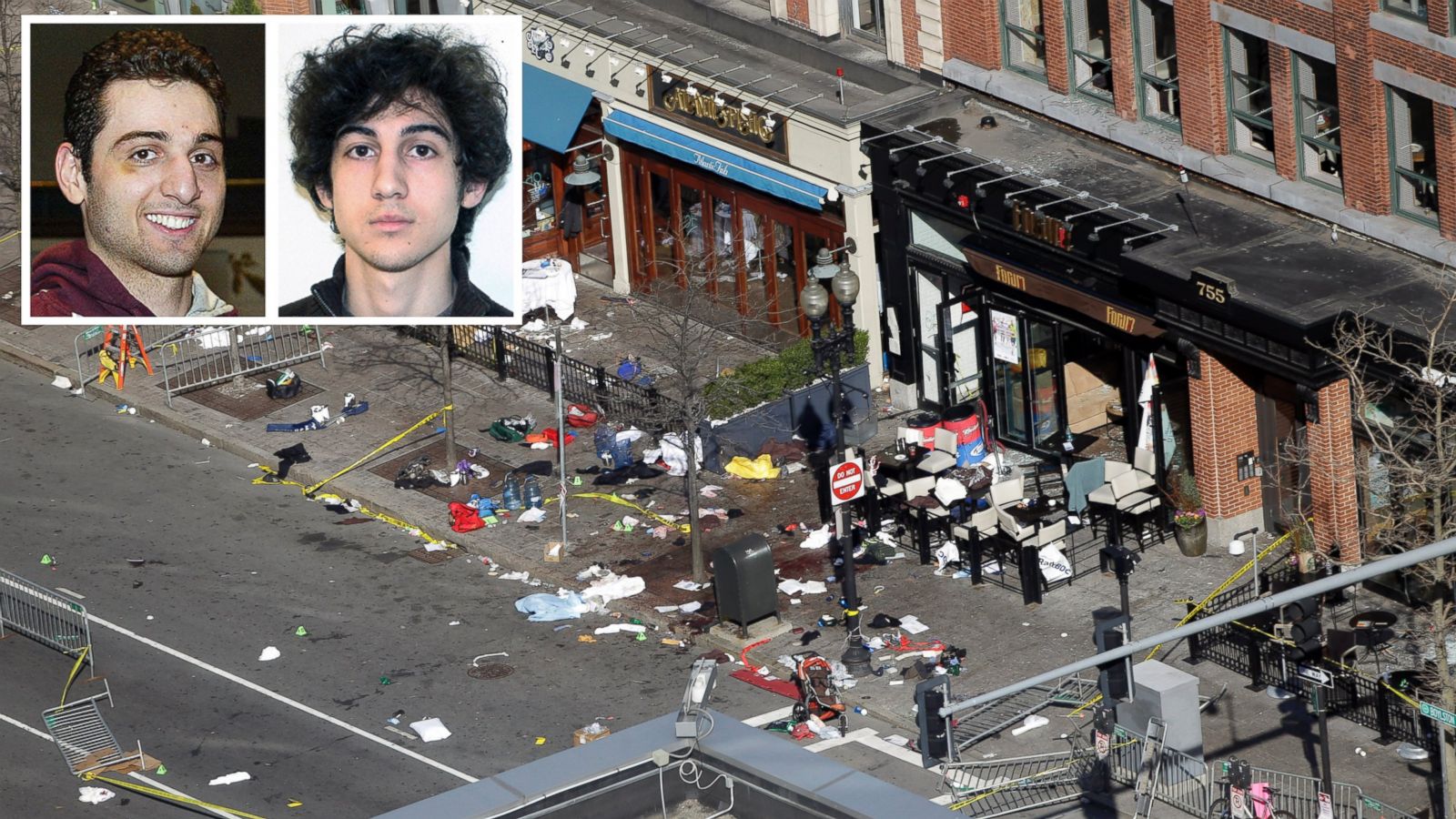
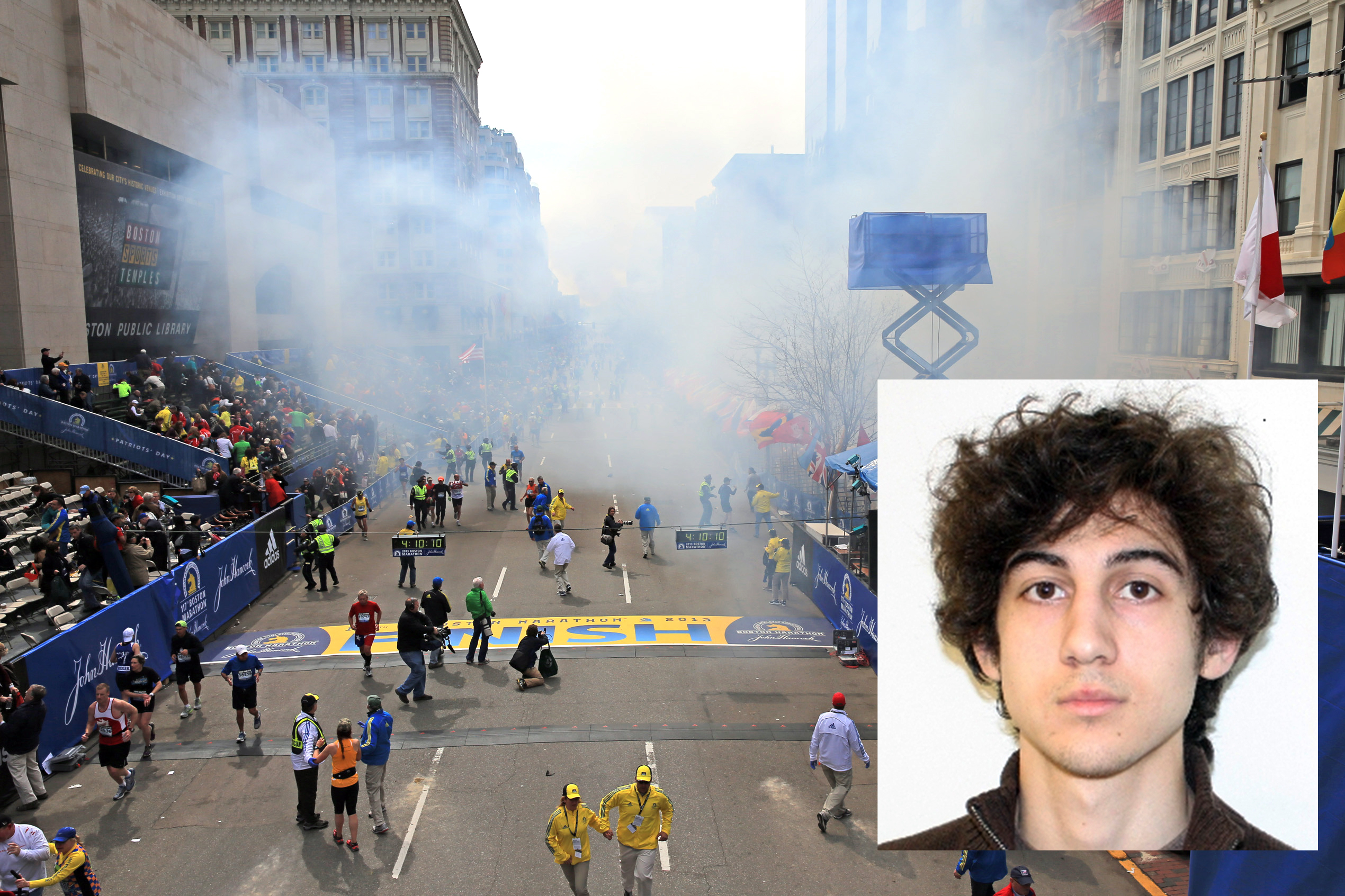
The attacks occurred at approximately 2:49 PM EDT on Boylston Street, just moments before many runners were set to cross the finish line. Two pressure-cooker bombs, placed among the crowd, detonated 12 seconds apart, about 210 yards (190 m) from each other. The blasts killed three spectators: Krystle Campbell, Lu Lingzi, and Martin Richard. Hundreds more were injured, many sustaining life-altering wounds, including traumatic amputations. A fourth victim, Sean Collier, a police officer, was killed in the subsequent manhunt.
The immediate aftermath was chaotic and terrifying. First responders, medical personnel, runners, and spectators rushed to aid the injured, demonstrating extraordinary courage and compassion amidst the confusion. The quick actions of ordinary citizens and trained professionals alike undoubtedly saved countless lives. The scene, usually teeming with triumphant cheers, transformed into one of sirens, urgency, and profound sorrow. The city of Boston, a beacon of history and democratic ideals, found itself grappling with an unprecedented act of terror on its streets.
A City United: The Spirit of “Boston Strong”
In the days and weeks following the bombing, Boston captured the world’s attention not just for the tragedy it endured, but for the remarkable way its community responded. The phrase “Boston Strong” quickly emerged as a rallying cry, symbolizing the city’s collective defiance, resilience, and unwavering solidarity. This spirit was evident everywhere: from the tireless efforts of medical professionals, to the outpouring of support for victims and their families, to the determined resolve of law enforcement in tracking down the perpetrators.
The manhunt for the bombers unfolded rapidly, culminating in a dramatic four-day chase that captivated the nation. The city, along with surrounding communities like Watertown, went into lockdown, a testament to the gravity of the situation and the commitment to public safety. When the second suspect was apprehended, the streets erupted in cheers, signaling not just relief, but a profound sense of community triumph over adversity. The incident underscored the deep-seated pride and communal bonds that define Boston, a city with a long history of standing firm in the face of challenges. For visitors, understanding this historical context provides valuable insight into the unique character and unbreakable spirit that continues to define Boston today.
Remembering and Reflecting: Memorials and Sites of Significance
For those interested in historical tourism and engaging with a city’s recent past, Boston offers significant sites of remembrance and reflection related to the 2013 bombing. These memorials serve not only as places of tribute to the victims and survivors but also as powerful reminders of the city’s enduring strength and capacity for healing. Visiting these locations allows travelers to connect with a crucial chapter in Boston’s story and witness firsthand the legacy of “Boston Strong.”
The Boston Marathon Memorial
The official Boston Marathon Memorial stands as a permanent tribute to those affected by the 2013 attack. Dedicated on the fifth anniversary of the bombing in 2018, the memorial is located on Boylston Street, precisely at the sites of the two bomb detonations, near the finish line. Designed by sculptor Pablo Eduardo, the memorial consists of two distinct, highly reflective bronze spires. Each spire represents one of the blast sites and is flanked by individual granite markers etched with the names of the victims who died that day: Krystle Campbell, Lu Lingzi, and Martin Richard.
The design is intentionally understated yet profound, inviting quiet contemplation. The bronze spires catch and reflect the surrounding cityscape, symbolizing the way the event forever changed Boston while also reflecting the light of hope and resilience. Plantings of mature maple trees and groundcover provide a serene, natural environment for visitors to pause, remember, and pay their respects. This memorial is not just a landmark but a sacred space, encouraging reflection on the fragility of life and the strength of the human spirit. Visitors often leave flowers, notes, or small tokens of remembrance, creating a living tribute that evolves with each passing year.

Other Sites of Remembrance in Boston
While the official memorial on Boylston Street is the primary site of remembrance, the broader area around Copley Square and the Boston Marathon finish line holds significant resonance. The sidewalk along Boylston Street near the Boston Public Library and the Prudential Center was the scene of much of the tragedy and subsequent outpouring of public grief and support. For years after the bombing, temporary memorials spontaneously appeared, with flowers, running shoes, flags, and messages adorning fences and lampposts.
Today, while these temporary tributes are gone, the spirit of remembrance remains. The annual Boston Marathon itself serves as an ongoing act of remembrance and defiance, with participants, spectators, and the entire city united in their celebration of endurance and community. Many runners dedicate their race to the victims and survivors, carrying their stories across the 26.2 miles. Visiting these areas, especially during the spring, allows travelers to witness the city’s ongoing commitment to honoring the past while steadfastly looking toward the future. It’s an experience that offers a profound insight into the local culture and the unwavering resolve of Boston’s residents.
Experiencing Boston’s Resilience: Beyond the Memorials
While the memorials provide a crucial point of reflection on the 2013 bombing, the spirit of resilience that emerged from the tragedy permeates the very fabric of Boston as a vibrant, historic, and forward-looking travel destination. For visitors, experiencing this resilience means engaging with the city’s rich history, its diverse culture, and the enduring passion for events like the Boston Marathon that define its character.
The Boston Marathon: A Symbol of Endurance and Community
The Boston Marathon, held annually on Marathon Monday, is more than just a race; it’s a global celebration of human endurance, spirit, and community. In the years since the bombing, its significance has only deepened. Participating as a spectator, or even a runner, offers a powerful experience of unity and triumph. The cheers along the route, the camaraderie among participants, and the emotional finish line on Boylston Street symbolize a collective refusal to be defeated.
Travelers visiting during April can witness this inspiring spectacle firsthand. The atmosphere is electric, filled with stories of personal achievement, charity, and collective remembrance. Even outside of race day, parts of the route, such as Heartbreak Hill in Newton or the final stretch into Copley Square, are iconic landmarks for runners and enthusiasts. Engaging with the Boston Marathon culture is a unique way to connect with the city’s enduring resilience and its deep-seated love for athletic pursuits and community gatherings. It’s an activity that provides an immersive experience into the heart of Boston.
Exploring Boston’s Rich History and Vibrant Culture
Boston’s resilience is rooted in its long and storied past. As one of the oldest cities in the United States, it offers an abundance of historical landmarks and cultural attractions that speak to centuries of struggle, innovation, and perseverance. Travelers can immerse themselves in this rich history by walking the Freedom Trail, a 2.5-mile-long path that leads to 16 historically significant sites, including the Massachusetts State House, Faneuil Hall, and the USS Constitution. These sites tell tales of revolution, independence, and the formation of a nation, echoing themes of strength and determination.
Beyond its foundational history, Boston boasts a vibrant contemporary culture. Visitors can explore world-class museums like the Museum of Fine Arts or the Isabella Stewart Gardner Museum, catch a Red Sox game at the historic Fenway Park, or stroll along the scenic Charles River Esplanade. The city’s diverse neighborhoods, from the charming cobblestone streets of Beacon Hill to the bustling culinary scene of the North End with its authentic Italian food, offer endless opportunities for exploration and enjoyment. Whether you’re interested in architecture, fine dining, live music, or simply soaking in the atmosphere of a dynamic city, Boston provides an enriching experience that combines its profound historical legacy with a thriving modern lifestyle.
Planning Your Visit to Boston: Accommodation and Travel Tips
For any traveler, planning the logistics of a trip is crucial to maximizing the experience. Boston, with its historical depth and modern amenities, offers a wide range of accommodation options and convenient travel tips to ensure a comfortable and memorable stay. Whether you’re coming to explore its historical landmarks, participate in cultural activities, or reflect on its recent history, Boston is well-equipped to host every type of visitor.
Where to Stay in Boston: Hotels and Neighborhoods
Boston boasts an extensive selection of hotels, ranging from luxurious suites in historic buildings to budget-friendly apartments and boutique hotels. Choosing the right neighborhood can significantly enhance your travel experience:
- Back Bay: This elegant neighborhood is home to many of Boston’s upscale hotels and shopping on Newbury Street. It’s also where the Boston Marathon finish line and memorial are located, making it ideal for those wishing to be close to these sites. Options here range from grand hotels like the Fairmont Copley Plaza to more contemporary luxury offerings.
- Downtown and the Financial District: Centrally located, this area provides easy access to the Freedom Trail, Faneuil Hall, and various business centers. Accommodation here can cater to both business travelers and tourists, with numerous high-rise hotels and serviced apartments.
- Beacon Hill: For a taste of historic Boston, this picturesque neighborhood with its gas-lit streets offers charming boutique hotels and guesthouses. It’s a quieter option, perfect for those seeking a more traditional and intimate experience.
- North End: While fewer large hotels exist here, some smaller, independent accommodations offer a chance to stay amidst the vibrant Italian culture and famous eateries. It’s a great choice for foodies.
- Cambridge: Just across the Charles River, Cambridge offers a distinct academic atmosphere with easy access to Boston via the MBTA. Home to Harvard University and MIT, it has a range of hotels, including modern options and upscale resorts.
Consider your priorities – proximity to specific attractions, type of experience (luxury, budget, family-friendly), and transport links – when booking your stay. Many hotels offer suites and amenities designed to cater to various travel lifestyles, from family trips to business stays.
Navigating Boston and Making the Most of Your Trip
Getting around Boston is relatively easy, thanks to its compact size and efficient public transportation system, the MBTA, affectionately known as “the T.” The subway and bus lines connect most major attractions and neighborhoods, making it simple to explore without a car. For historical sites and scenic strolls, walking is often the best way to experience the city, especially along the Freedom Trail or through the charming streets of Beacon Hill.
- Best Time to Visit: Spring (April to June) and Fall (September to October) offer pleasant weather, ideal for walking tours and outdoor activities. April is particularly significant due to Marathon Monday and the anniversary of the bombing. Fall brings stunning foliage, especially in New England. Summer is also popular but can be warmer and more crowded.
- Local Cuisine: Don’t leave Boston without trying some local delicacies. Classic New England clam chowder, lobster rolls, fresh seafood, and Italian pastries in the North End are must-tries that contribute to the city’s unique local culture.
- Experiences and Activities: Beyond historical sites, consider taking a Duck Boat Tour for a fun overview of the city, visiting the New England Aquarium, or exploring the diverse shops and restaurants. For those interested in deeper reflection, visiting the Boston Marathon Memorial and walking along Boylston Street offers a poignant experience.
By combining respectful reflection on Boston’s past with an exploration of its vibrant present, travelers can gain a profound understanding of this remarkable city. Its historical landmarks, cultural richness, and enduring spirit of “Boston Strong” make it a truly compelling destination for any visitor seeking a trip filled with meaning and discovery.
LifeOutOfTheBox is a participant in the Amazon Services LLC Associates Program, an affiliate advertising program designed to provide a means for sites to earn advertising fees by advertising and linking to Amazon.com. Amazon, the Amazon logo, AmazonSupply, and the AmazonSupply logo are trademarks of Amazon.com, Inc. or its affiliates. As an Amazon Associate we earn affiliate commissions from qualifying purchases.