
The Chicago Marathon is one of the most prestigious and globally recognized annual marathon events, drawing hundreds of thousands of runners and spectators to the vibrant city of Chicago. While the immediate question might be about a specific date, understanding the history and evolution of the Chicago Marathon reveals a rich tapestry of athletic achievement, community spirit, and enduring tradition. Its origins trace back to the early 1970s, and since then, it has cemented its place as a cornerstone event in the world of distance running, attracting elite athletes and recreational runners alike to experience its iconic course and the unique charm of Chicago.
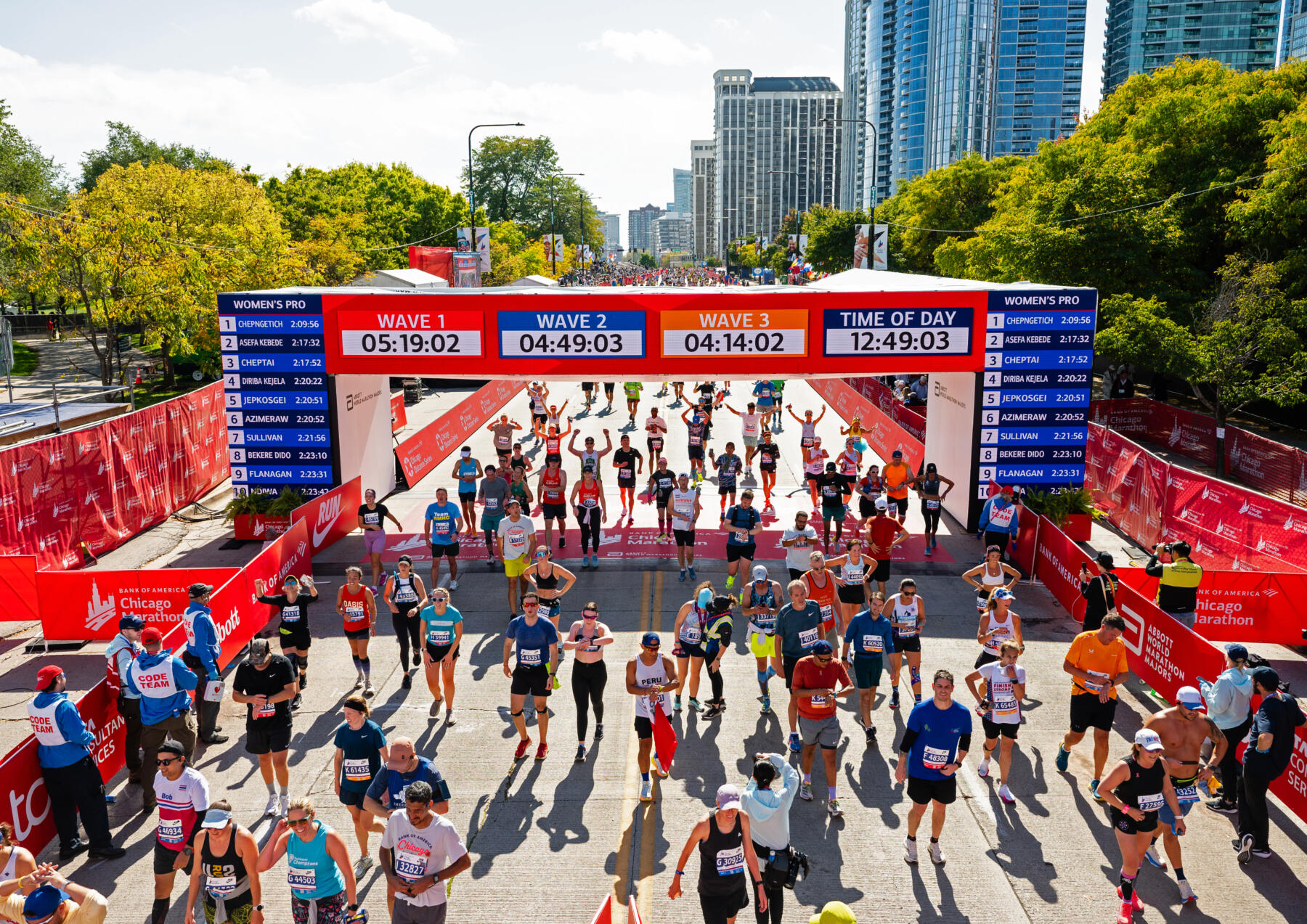
Genesis of a Global Race
The story of the Chicago Marathon begins with a vision to bring a major marathon to the heart of the American Midwest. The inaugural event, then known as the Chicago Mayor’s Marathon, took place on September 23, 1977. Organized by the Chicago Park District and with the significant support of then-Mayor Richard J. Daley, the race was designed to showcase the city’s beauty and promote a healthy lifestyle.
The First Steps: 1977 and Beyond
The initial iteration of the Chicago Marathon attracted approximately 4,200 participants, a commendable number for a nascent event. The course wound through scenic parklands and along the picturesque shores of Lake Michigan. The victory that year went to Dan Brannen in the men’s division and Dorothy Draper in the women’s division, marking the beginning of a new era for distance running in Chicago.
The early years saw fluctuations in participation and organization. In 1979, the race was rebranded as the Chicago Marathon and became a professional event under the direction of Jerry Buhlmann. This period was crucial in establishing the event’s identity and laying the groundwork for its future growth. The race continued to evolve, facing challenges and celebrating successes, steadily building its reputation within the running community.
Becoming a World Major
The true ascent of the Chicago Marathon into the upper echelons of global running events began in the late 1990s and early 2000s. A pivotal moment arrived in 1997 when a group of local businessmen, led by Carey Pinkowski, took over the ownership and management of the race, forming the Chicago Major Marathon. This transition marked a significant turning point, injecting fresh capital and strategic vision into the event.
The Abbott World Marathon Majors Era

In 2007, the Chicago Marathon was officially inducted into the prestigious Abbott World Marathon Majors (AWMM). This elite series includes the Boston Marathon, London Marathon, Berlin Marathon, New York City Marathon, and later, the Tokyo Marathon. Inclusion in the AWMM signaled global recognition of the Chicago Marathon’s standing, attracting an even more competitive field of elite athletes and a surge in international participants.
The AWMM designation brought with it a renewed focus on course development, athlete services, and marketing. The race course, which had evolved over the years to showcase more of Chicago’s diverse neighborhoods, became a celebrated element of the event. Runners experience a vibrant tour of the city, from the iconic skyline views along Michigan Avenue to the energetic cheers in neighborhoods like Wicker Park and Pilsen. This emphasis on the urban landscape as a backdrop for athletic achievement is a defining characteristic of the Chicago Marathon.
The Modern Marathon: Tradition and Innovation
Today, the Chicago Marathon is synonymous with excellence. Held annually on the second Sunday in October, this timing has become a beloved tradition, offering runners crisp autumn weather and a spectacular fall foliage backdrop. The date is meticulously chosen to avoid conflicts with other major sporting events and to capitalize on the pleasant climate that Chicago often experiences during that time of year.
A World-Class Experience
The organization of the Chicago Marathon is a testament to meticulous planning and execution. Tens of thousands of volunteers, medical personnel, and city workers collaborate to ensure a seamless experience for participants and spectators. The course is renowned for its flat and fast profile, making it a popular choice for runners aiming for personal bests and world records. Indeed, numerous world records have been set on the streets of Chicago, further enhancing its reputation.
The event extends beyond the 26.2 miles of the marathon itself. The Health and Fitness Expo, held in the days leading up to the race, is a major attraction, featuring running-related products, expert advice, and opportunities to connect with the running community. The post-race festivities and the palpable sense of accomplishment shared by finishers contribute to the event’s enduring appeal.
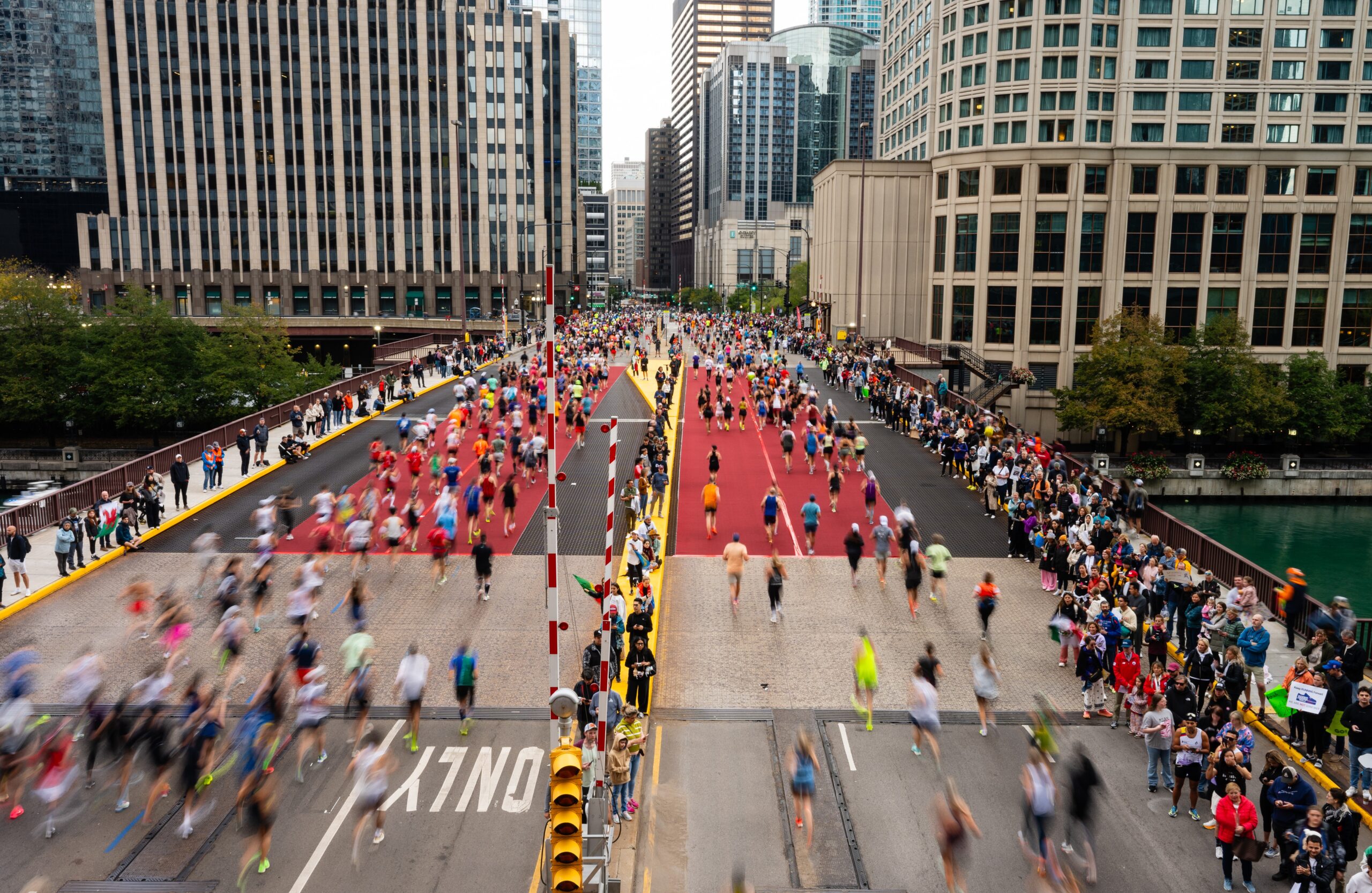
Community Impact and Legacy
The Chicago Marathon is more than just a race; it is a significant cultural and economic force for Chicago. Millions of dollars are raised for various charities through runner pledges, with organizations benefiting from the global visibility the marathon provides. Local businesses experience a substantial economic boost from the influx of visitors, from hotels and restaurants to retail stores.
The legacy of the Chicago Marathon is one of constant growth, unwavering commitment to athletic excellence, and deep connection to the city it calls home. From its humble beginnings in 1977 to its current status as a global sporting spectacle, the marathon has consistently answered the question of “When?” not just with a date, but with a testament to the enduring power of sport and community.
LifeOutOfTheBox is a participant in the Amazon Services LLC Associates Program, an affiliate advertising program designed to provide a means for sites to earn advertising fees by advertising and linking to Amazon.com. Amazon, the Amazon logo, AmazonSupply, and the AmazonSupply logo are trademarks of Amazon.com, Inc. or its affiliates. As an Amazon Associate we earn affiliate commissions from qualifying purchases.