
The story of the Flamingo is, in many ways, the story of Las Vegas itself. To understand when this iconic resort was built is to peel back the layers of history that transformed a dusty desert outpost in Nevada into the global entertainment capital it is today. The construction of this legendary landmark represents the pivotal moment when organized crime, high-stakes ambition, and mid-century modern glamour converged to create the modern Strip.
The Genesis of an Icon: 1946 and the Vision of Bugsy Siegel
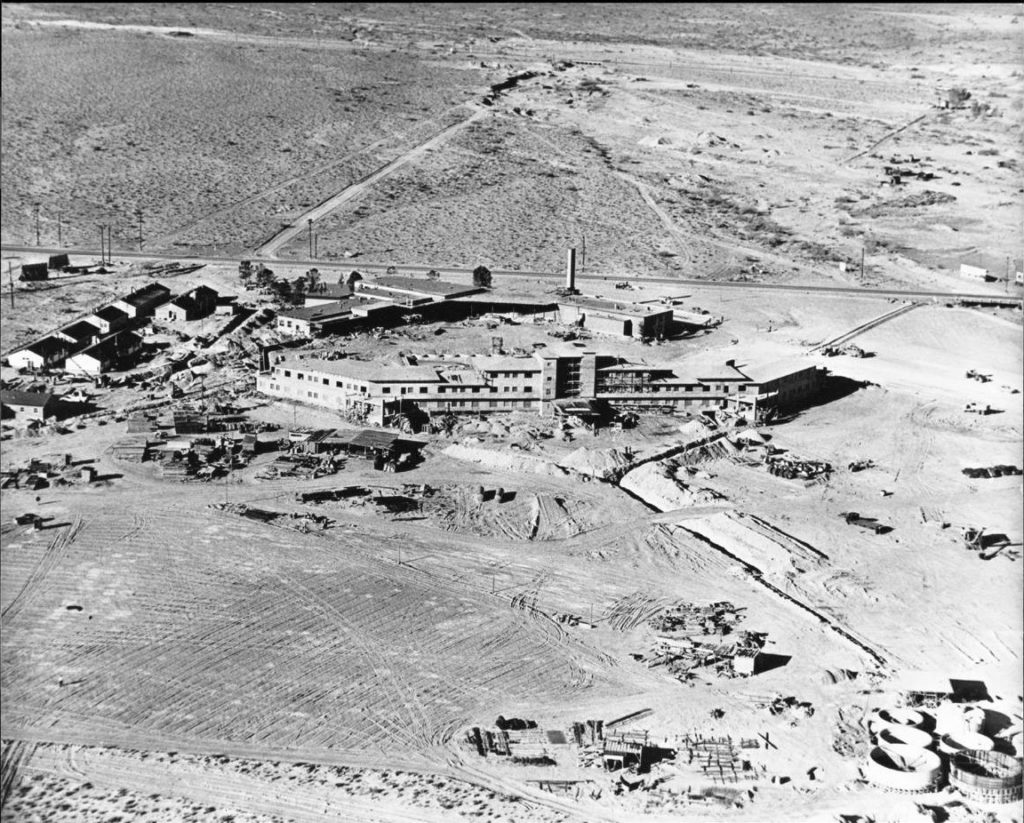
The construction of the Flamingo Las Vegas began in the early months of 1946. At the time, the project was spearheaded by Billy Wilkerson, a Hollywood nightclub impresario who envisioned a sophisticated resort that offered more than just the utilitarian gambling halls that populated the area. However, his vision soon collided with the ambitious and volatile personality of Benjamin “Bugsy” Siegel.

The Construction Struggle
Building the resort in the unforgiving climate of the Mojave Desert proved to be an architectural and logistical nightmare. Materials were scarce in the post-World War II era, and the costs ballooned far beyond the initial budget. Despite the logistical chaos, Siegel pushed forward, determined to create a palatial oasis that felt worlds away from the gritty reality of the street.
The Grand Opening
The resort officially opened its doors on December 26, 1946. It was a cold, rainy evening, and the reception was, by all historical accounts, a disaster. Local elites were uninterested, and the resort’s initial gambling floor failed to entice the high rollers Siegel had courted from Los Angeles. The property temporarily shuttered in early 1947 to complete the remaining construction, officially relaunching in March of that year with a refined strategy that would eventually turn it into the jewel of the desert.
Architectural Evolution and the Changing Strip
The original 1946 design was a stark departure from the typical Western-themed casinos that dominated the landscape during that era. It leaned into a tropical, “Art Deco” aesthetic, featuring sweeping curves, neon lighting, and an expansive courtyard that would eventually become the famous Flamingo Wildlife Habitat.
Expanding the Footprint
Over the decades, the resort underwent several major expansions, effectively erasing the footprint of the original structure. While the 1946 building served as the cornerstone, the Las Vegas Strip evolved rapidly around it. By the 1960s and 70s, ownership transitions and a shift toward larger, more corporate-owned entities meant that the property had to modernize or fade into obscurity.
Modern Preservation of History
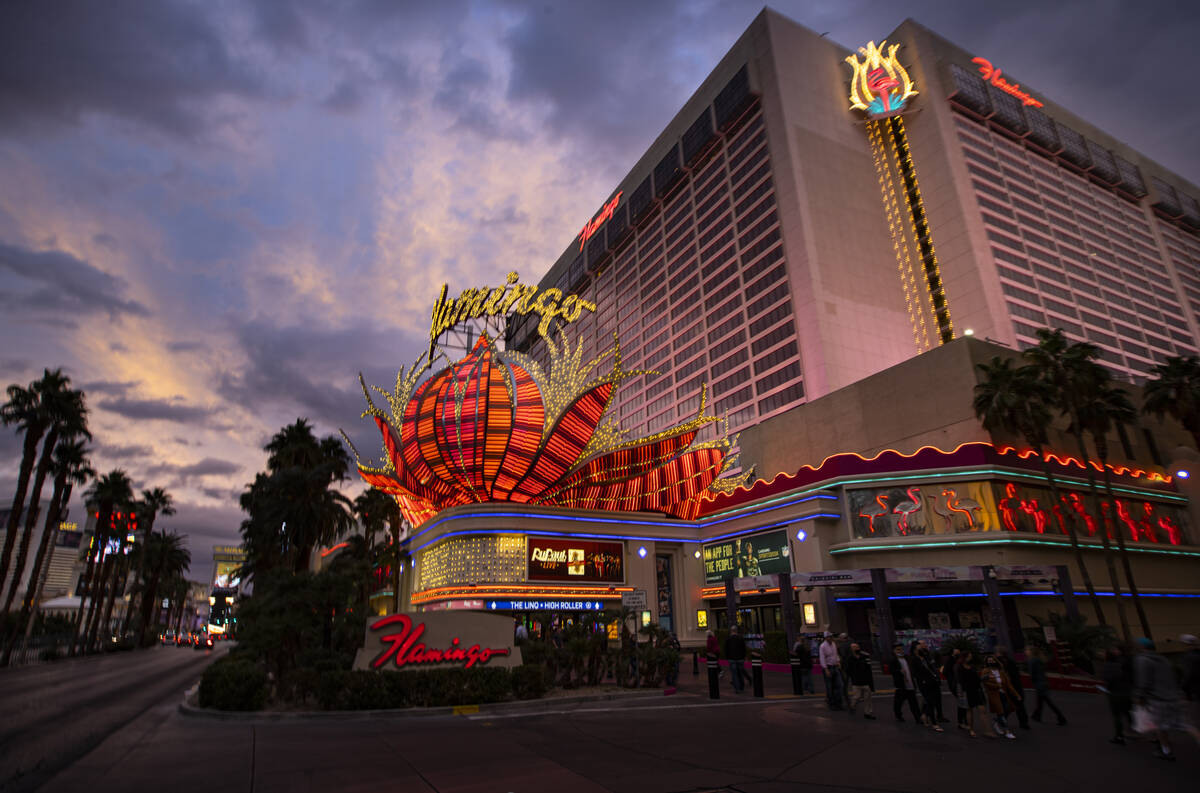
Despite these physical changes, the spirit of the property remained. Today, the resort honors its origins through its distinct pink color scheme and the preservation of its mid-century charm, even amidst the backdrop of massive hotel towers like Caesars Palace and The LINQ Hotel + Experience. Visitors walking the grounds today are traversing the same literal soil where the first luxury resort of the modern era was established nearly eighty years ago.
The Cultural Legacy of a Desert Oasis
The impact of the Flamingo Hotel extends far beyond its construction date. It introduced the concept of the “destination resort”—a place where guests could stay, gamble, eat, and be entertained without ever needing to step foot off the property.
Redefining Las Vegas Tourism
Before 1946, tourism in the region was largely transient. By offering luxury suites, lush gardens, and top-tier entertainment, the resort helped transition the city into a legitimate vacation hub for travelers from New York, Chicago, and beyond. It set the template for every massive project that followed, from the Golden Nugget to the modern mega-resorts seen today.
A Symbol of Resilience
The history of the property is defined by its ability to adapt. While many of its contemporaries from the 1940s have long since been demolished—such as the Desert Inn or the original Sands Hotel—the Flamingo remains a persistent presence. Its survival is a testament to its brand power and its status as a foundational landmark in American tourism history.
Visiting the Flamingo Today: A Walk Through History
For those traveling to the United States specifically to experience the history of the gaming industry, a visit to this site is mandatory. It serves as a living museum, where the juxtaposition of modern amenities and historical significance is palpable.
Highlights for History Enthusiasts
- The Wildlife Habitat: A nod to the tropical paradise imagery that defined the resort’s branding in the mid-20th century.
- Historical Markers: Various displays located throughout the lobby area highlight the evolution of the site from a desert patch to a premier hospitality destination.
- The Location: Being situated at the heart of the Strip, directly across from High Roller, places it at the absolute epicenter of modern tourist activity.
The Lasting Appeal
Ultimately, when one asks when the resort was built, the answer is a starting point, not a conclusion. The 1946 construction date marks the moment the foundation was laid, but the history of the property is an ongoing narrative. Every tourist who walks through the lobby adds a new chapter to the story of this landmark. Whether you are interested in the dark allure of its criminal origins or the vibrant evolution of its luxury offerings, the site remains an essential stop on any tour of the Southwest.
As the skyline continues to grow with futuristic glass towers and digital displays, the enduring presence of this pink icon serves as a reminder of the audacity required to build a city in the middle of a desert. It remains a cornerstone of the Clark County tourism industry, inviting guests to step back into a time when the possibilities of the desert were limited only by the imagination of its creators. By acknowledging its origins, travelers gain a deeper appreciation for the complex, glittering, and often contradictory world that is Las Vegas today.
LifeOutOfTheBox is a participant in the Amazon Services LLC Associates Program, an affiliate advertising program designed to provide a means for sites to earn advertising fees by advertising and linking to Amazon.com. Amazon, the Amazon logo, AmazonSupply, and the AmazonSupply logo are trademarks of Amazon.com, Inc. or its affiliates. As an Amazon Associate we earn affiliate commissions from qualifying purchases.