
For anyone planning a visit to the Sunshine State, a common and entirely valid question often arises: “When was the hurricane in Florida?” This isn’t just about a single event, but rather an inquiry into the broader reality of Florida’s climate and its susceptibility to tropical storms and hurricanes. Understanding the historical context of these powerful weather phenomena is crucial for tourists, enabling informed decisions, better preparation, and a deeper appreciation for the resilience of Florida’s communities and vibrant tourism industry.
Florida, a peninsular state nestled between the Atlantic Ocean and the Gulf of Mexico, is undeniably a prime destination for sun-seekers, adventure enthusiasts, and culture explorers. Its pristine beaches, world-renowned theme parks in Orlando, and unique ecosystems like the Everglades draw millions annually. However, its geographical location also places it directly in the path of tropical weather systems originating in the Atlantic Ocean, Caribbean Sea, and the Gulf of Mexico. While the question often implies a singular, definitive event, the truth is that Florida has been impacted by numerous hurricanes throughout its history, each leaving its mark and contributing to the state’s robust preparedness and recovery mechanisms.

Understanding Florida’s Hurricane Season
To truly answer the question, we must first delve into the official framework of the hurricane season. This period dictates when residents and visitors alike need to be most vigilant.
The Official Dates and Peak Activity
The official Atlantic hurricane season runs annually from June 1st to November 30th. During these six months, conditions in the tropical Atlantic are most conducive to the formation and intensification of tropical cyclones. While storms can occur outside this window, it is rare.
Within this season, there is a distinct period of peak activity. Historically, the busiest weeks for hurricane development and landfalls occur from mid-August through late October. This means that travelers planning visits during these months should pay closer attention to weather forecasts and preparedness information provided by authorities like the National Hurricane Center (NHC) and the National Oceanic and Atmospheric Administration (NOAA). It is during this peak that the warmest ocean waters, lowest wind shear, and most favorable atmospheric conditions align to fuel these powerful storms.
Why Florida is Vulnerable
Florida’s unique geography makes it particularly vulnerable. As a large peninsula, it is surrounded by warm waters that serve as the primary fuel source for hurricanes. Its extensive coastline, stretching over 1,350 miles, means that virtually no part of the state is immune from potential impacts, whether from direct landfalls, strong winds, heavy rainfall, or storm surge. Cities like Miami, Fort Lauderdale, West Palm Beach, Tampa, Naples, Key West, Panama City, and Jacksonville have all faced the wrath of hurricanes at various points in history. This constant exposure has forged a culture of preparedness and resilience that is often overlooked but profoundly impacts the state’s tourism infrastructure.
Major Hurricanes That Shaped Florida’s Tourism Landscape
While hurricanes are a recurring aspect of Florida’s natural environment, certain storms stand out due to their intensity, widespread impact, and the lasting changes they brought about in terms of preparedness, building codes, and recovery efforts – all of which indirectly affect the tourism experience.
Hurricane Andrew (1992): A Defining Moment
When asking “When was the hurricane in Florida?”, many longtime residents might immediately recall Hurricane Andrew. This catastrophic Category 5 storm made landfall in South Florida on August 24, 1992. It devastated areas like Homestead and Florida City, causing unprecedented damage.
Hurricane Andrew was a pivotal moment for Florida. Its destruction led to a complete overhaul of the state’s building codes, making them among the strictest in the United States. This means that today, much of Florida’s tourism infrastructure – hotels, attractions, and other buildings – is constructed to withstand significant wind forces, offering a greater degree of safety and faster recovery post-storm. While the immediate tourism impact was severe for the affected regions, the long-term legacy has been a stronger, more resilient Florida for both residents and visitors.
The Active 2004 & 2005 Seasons: A Cluster of Challenges
The mid-2000s saw an extraordinary period of hurricane activity that significantly challenged Florida’s tourism.
In 2004, Florida was hit by four hurricanes: Hurricane Charley (mid-August), Hurricane Frances (early September), Hurricane Ivan (mid-September), and Hurricane Jeanne (late September). Charley made a sudden, destructive turn towards Punta Gorda and passed over Orlando, causing considerable damage. Frances and Jeanne hit virtually the same stretch of east coast near Stuart, while Ivan battered the Florida Panhandle. These storms, coming in rapid succession, tested the state’s infrastructure and emergency response like never before.
The 2005 season continued this trend with storms like Hurricane Dennis (hitting the Panhandle in July) and Hurricane Wilma (hitting South Florida in October). Wilma, in particular, caused extensive damage across the southern part of the state, including widespread power outages affecting millions. While Hurricane Katrina and Hurricane Rita gained notoriety for their impacts elsewhere (especially New Orleans), they also impacted Florida in their earlier stages, serving as stark reminders of the state’s vulnerability. For tourists, these years underscored the importance of travel insurance and flexible bookings during hurricane season.
Hurricane Irma (2017) and Michael (2018): Recent Challenges
More recently, Florida faced significant challenges from Hurricane Irma in 2017 and Hurricane Michael in 2018.
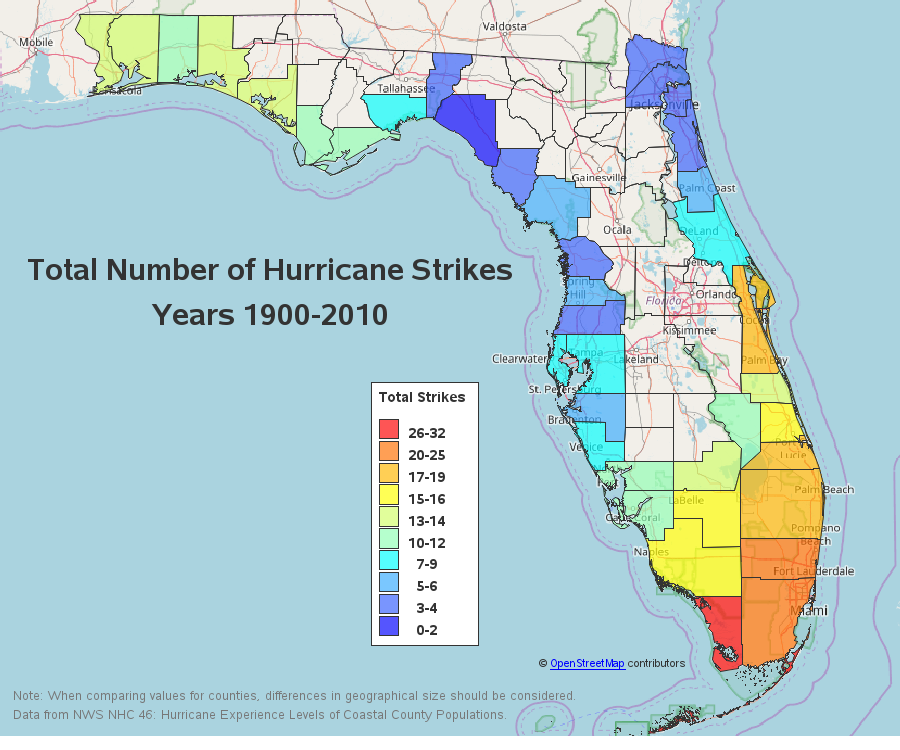
Hurricane Irma, a massive and powerful Category 4 storm, made landfall in the Florida Keys on September 10, 2017, and then again on the southwest mainland near Naples. Its sheer size meant that virtually the entire state experienced impacts, from high winds to significant flooding. The Florida Keys, a major tourist destination, suffered severe damage but embarked on an impressive recovery, demonstrating the community’s determination to rebuild and welcome visitors back.
Just a year later, on October 10, 2018, Hurricane Michael made landfall as a devastating Category 5 storm near Mexico Beach in the Florida Panhandle. It was one of the most intense hurricanes ever to hit the continental United States, causing catastrophic damage to coastal communities like Mexico Beach and Panama City, and impacting inland areas deeply. The recovery effort in the Panhandle, particularly along the Emerald Coast, has been extensive and ongoing, with many tourist areas demonstrating incredible resilience and innovation in rebuilding.
Hurricane Ian (2022): Southwestern Florida’s Devastation
Most recently, Hurricane Ian carved a path of widespread destruction across Southwestern Florida when it made landfall as a strong Category 4 storm near Cayo Costa on September 28, 2022. Communities like Fort Myers, Fort Myers Beach, and Sanibel Island experienced catastrophic storm surge and wind damage, fundamentally altering their landscapes. The iconic causeway connecting Sanibel Island to the mainland was heavily damaged, isolating the island and its tourism-dependent businesses.
The impact of Hurricane Ian on the region’s tourism was immediate and severe, with many businesses, hotels, and attractions facing prolonged closures. However, the spirit of recovery is strong, with communities working tirelessly to rebuild infrastructure, restore services, and eventually welcome tourists back. The story of Ian is a testament to the ongoing challenges but also the unwavering determination to restore Florida’s beautiful coastal destinations.
Navigating Florida During Hurricane Season: Tips for Tourists
While the history of hurricanes in Florida can seem daunting, it’s important to remember that millions visit safely during hurricane season every year. With proper planning and awareness, you can still enjoy your Florida vacation.
Stay Informed and Prepared
The most critical step is to monitor weather forecasts from reliable sources like the NHC and local news outlets. If you’re traveling during hurricane season, consider purchasing travel insurance that covers hurricane-related cancellations or interruptions. Understand your accommodation’s hurricane policies and what procedures they have in place. It’s also wise to have a basic emergency kit for your hotel room, including copies of important documents, medications, and a flashlight.
Flexibility is Key
Booking flexible travel arrangements, such as flights and hotel reservations with generous cancellation policies, can provide peace of mind. While a direct hurricane impact is relatively rare for any single location, understanding that plans might need to shift or be delayed is important. Having a contingency plan, even a simple mental one, for an alternative activity or destination within Florida or beyond can be helpful.
Trust Local Authorities
Should a storm threaten, heed all warnings and evacuation orders issued by local emergency management officials. These decisions are made with your safety as the top priority. Local authorities are well-versed in hurricane protocols, and following their guidance is paramount. Tourism boards and local businesses often provide real-time updates on conditions and closures.
Supporting Recovery Through Tourism
One often-overlooked aspect is how tourism can aid in recovery efforts. After a hurricane, once an area is declared safe and open for visitors, returning tourists play a vital role in boosting local economies. By supporting businesses, staying in hotels, and enjoying attractions, you contribute directly to the rebuilding and revitalization of affected communities. Checking with local tourism offices can help you identify areas that are open and welcoming visitors post-recovery.
The Resilient Spirit of Florida Tourism
Despite the challenges posed by hurricanes, Florida’s tourism industry consistently demonstrates remarkable resilience.
Rapid Recovery and Infrastructure
The state has a highly developed emergency response system and an impressive capacity for rapid recovery. Roads are cleared quickly, power is restored efficiently, and damaged infrastructure is repaired with urgency. Resorts, theme parks, and attractions have sophisticated plans to protect guests and facilities, often reopening surprisingly fast after a storm has passed. This proactive approach minimizes disruption and quickly restores the vibrant tourist experience.

Enduring Appeal
Ultimately, the allure of Florida’s natural beauty, diverse attractions, and warm climate remains undiminished. While hurricanes are a powerful force of nature, they are also infrequent for any single location. The vast majority of the time, Florida is indeed the Sunshine State, offering endless opportunities for relaxation and adventure. The occasional challenge from a hurricane serves not to define the state, but rather to highlight the strength of its communities and its commitment to ensuring a safe and enjoyable experience for all who visit.
In conclusion, “the hurricane in Florida” is not a singular event but a series of historical moments that have collectively shaped the state’s approach to safety and tourism. By understanding the hurricane season, learning from past events, and taking proactive steps, travelers can confidently plan their Florida adventures, knowing that they are visiting a state that is as prepared and resilient as it is beautiful.
LifeOutOfTheBox is a participant in the Amazon Services LLC Associates Program, an affiliate advertising program designed to provide a means for sites to earn advertising fees by advertising and linking to Amazon.com. Amazon, the Amazon logo, AmazonSupply, and the AmazonSupply logo are trademarks of Amazon.com, Inc. or its affiliates. As an Amazon Associate we earn affiliate commissions from qualifying purchases.