
California, a state synonymous with golden coastlines, Hollywood glamour, and a vibrant, forward-thinking culture, also carries a more potent, primal association: earthquakes. This seismic activity is not a mere footnote in its geography but a defining characteristic, shaping both the land and the lives of its inhabitants. For visitors and residents alike, understanding the history and the potential for significant seismic events is crucial, not for fostering anxiety, but for fostering preparedness and a deeper appreciation for the dynamic forces at play. While the memory of a truly catastrophic “big one” might feel perpetually looming, pinpointing the last major earthquake provides valuable context for the state’s ongoing geological narrative.
The Specter of the San Andreas Fault
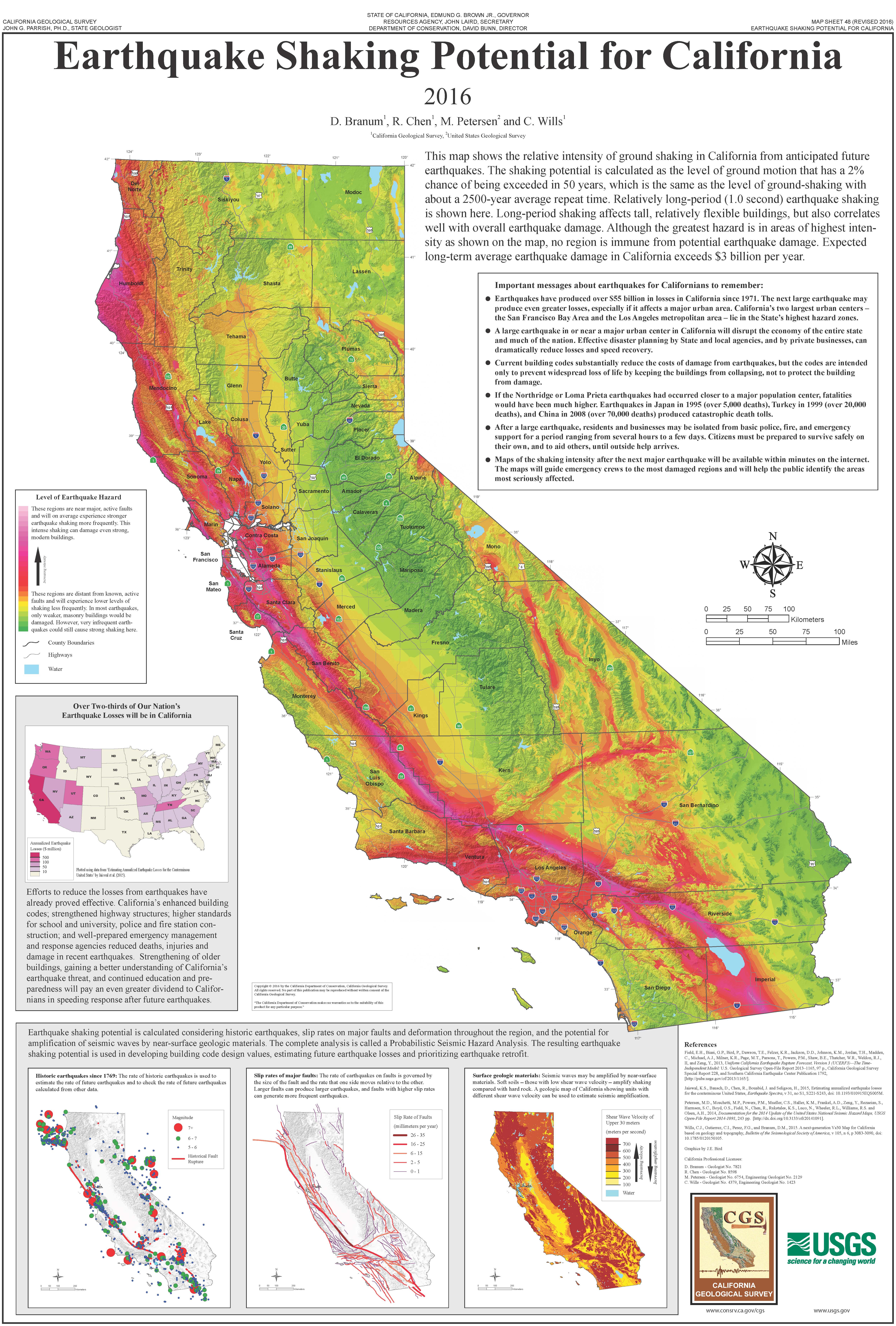
The geological heart of California’s seismic activity lies with the San Andreas Fault, a colossal transform fault that snakes its way through the state for approximately 800 miles. This fault is the boundary between the Pacific Plate and the North American Plate, two tectonic titans engaged in a slow, inexorable dance. As these plates grind past each other, stress builds up, and when that stress is finally released, an earthquake occurs.
Understanding Magnitude and Impact
When discussing “big” earthquakes, the term “magnitude” is paramount. Seismologists use the Richter scale (though the Moment Magnitude scale is now more commonly used for larger quakes) to quantify the energy released. An earthquake of magnitude 7.0 or greater is generally considered a major event, capable of causing widespread and severe damage. The impact of such an event is not solely dictated by its magnitude but also by its depth, the type of fault rupture, the proximity to populated areas, and the geological composition of the ground.
Recalling Recent Significant Seismic Events
While the “big one” remains a topic of constant discussion and scientific modeling, California has experienced numerous significant earthquakes throughout its history. Identifying the “last big one” depends on how one defines “big” and “significant.” However, focusing on events that caused substantial damage and garnered widespread attention offers a clearer picture.
The 1906 San Francisco Earthquake: A Defining Catastrophe
Undoubtedly, the most infamous and historically significant earthquake in California’s recent past was the great San Francisco earthquake of April 18, 1906. This earthquake, estimated to have a magnitude of around 7.9, struck at 5:12 AM, awakening the city with a violent jolt. The initial shaking caused widespread destruction, but it was the subsequent fires, fueled by ruptured gas lines and a damaged water system, that truly devastated San Francisco.
The fires raged for three days, consuming over 500 city blocks and rendering an estimated 225,000 people homeless. The death toll, though initially estimated at around 400, is now believed to be significantly higher, possibly reaching over 3,000. The 1906 earthquake and fire was a pivotal moment in the city’s history, forcing a complete rebuilding and leading to significant advancements in urban planning and earthquake preparedness, albeit out of dire necessity. It serves as a stark reminder of the immense power of nature and the vulnerability of human infrastructure.
The 1989 Loma Prieta Earthquake: A Modern Shockwave
More recently, the Loma Prieta earthquake of October 17, 1989, provided a sobering glimpse into California’s ongoing seismic reality. Occurring at 5:04 PM, just before Game 3 of the World Series between the San Francisco Giants and the Oakland Athletics, this magnitude 6.9 earthquake sent shockwaves across the San Francisco Bay Area.
While not as devastating as its 1906 predecessor, the Loma Prieta earthquake caused significant damage, most notably the catastrophic collapse of a section of the Cypress Street Viaduct on Interstate 880 in Oakland, killing 42 people. The earthquake also caused widespread power outages, disrupted transportation networks, and damaged numerous buildings across the region. The event, captured live by television cameras broadcasting the World Series, brought the reality of earthquake risk into the living rooms of millions, prompting renewed discussions about infrastructure resilience and emergency preparedness.

Other Notable Seismic Events
While the 1906 and 1989 earthquakes often dominate the narrative, California has experienced other significant seismic events that warrant mention, underscoring the state’s persistent geological activity.
The 1994 Northridge Earthquake: A Southern California Wake-Up Call
The Northridge earthquake of January 17, 1994, was a stark reminder that seismic threats are not confined to Northern California. This magnitude 6.7 earthquake struck the San Fernando Valley in Los Angeles, causing widespread damage, including the collapse of overpasses on the Santa Monica Freeway and the Golden State Freeway.
The Northridge earthquake resulted in 60 fatalities and caused billions of dollars in damage, highlighting vulnerabilities in building codes and infrastructure. Its occurrence in a densely populated urban center underscored the profound impact that earthquakes can have on modern society, from economic disruption to the psychological toll on survivors.
The 2019 Ridgecrest Earthquakes: A Modern Precursor?
More recently, the summer of 2019 saw a series of earthquakes near Ridgecrest, California, culminating in a magnitude 7.1 event on July 5th. While this sequence primarily affected a more sparsely populated area, the magnitude of the mainshock was substantial. Scientists noted that this sequence occurred on a lesser-known fault system and provided valuable data for understanding earthquake behavior in the region. While not directly on the San Andreas Fault, these events served as a reminder of the complex network of faults that crisscross the state.
Preparedness and the Future of “Big” Earthquakes
The question of “When was the last big California earthquake?” is less about a single definitive answer and more about understanding a continuous geological process. The major historical events—1906, 1989, and 1994—serve as crucial benchmarks, informing scientific understanding and public awareness.
The Unpredictability of Seismic Events
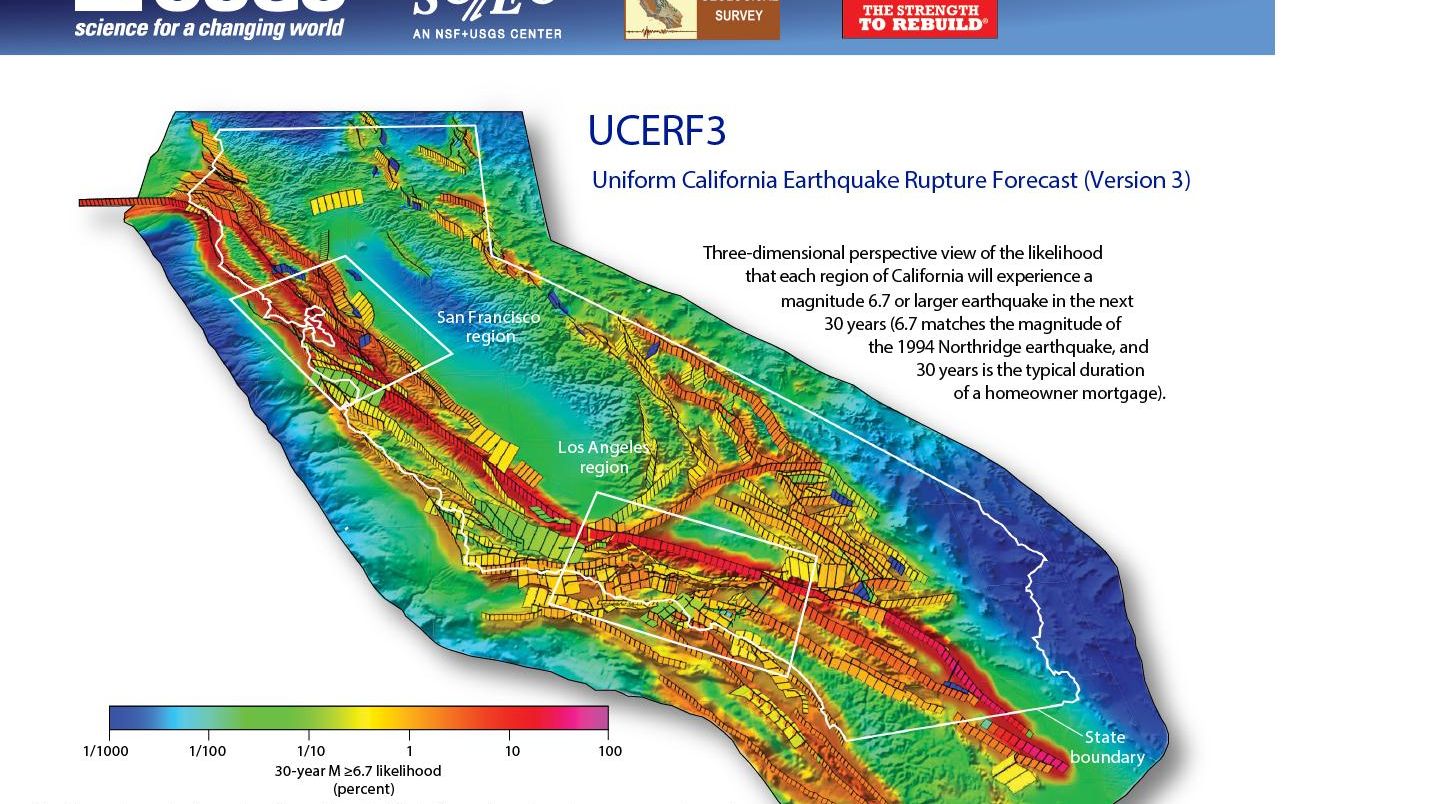
Geologists are continuously monitoring the San Andreas Fault and other fault systems throughout California. While scientific advancements allow for sophisticated modeling of earthquake probabilities and potential rupture scenarios, predicting the exact timing and magnitude of the next major earthquake remains an elusive goal. This inherent unpredictability is what makes preparedness so vital.
Preparing for the Next Major Event
For anyone visiting or living in California, understanding earthquake preparedness is an essential aspect of engaging with the state’s unique environment. This includes:
- Securing your space: Identifying and securing potential hazards in your home or hotel room, such as heavy furniture, mirrors, and water heaters.
- Having an emergency kit: Assembling a kit with essentials like water, non-perishable food, a first-aid kit, a flashlight, extra batteries, and a whistle.
- Developing a plan: Knowing where to go and what to do during and after an earthquake. This includes establishing a meeting point with family members and identifying safe places in your surroundings.
- Practicing “Drop, Cover, and Hold On”: This simple yet effective technique is the recommended immediate action during shaking.
The history of earthquakes in California is a testament to the powerful forces that shape our planet. While the memory of past “big ones” provides context, the focus for residents and visitors should always be on preparedness, resilience, and a mindful appreciation for the dynamic land of the Golden State.
LifeOutOfTheBox is a participant in the Amazon Services LLC Associates Program, an affiliate advertising program designed to provide a means for sites to earn advertising fees by advertising and linking to Amazon.com. Amazon, the Amazon logo, AmazonSupply, and the AmazonSupply logo are trademarks of Amazon.com, Inc. or its affiliates. As an Amazon Associate we earn affiliate commissions from qualifying purchases.