
Florida, a state renowned for its sun-drenched beaches, vibrant theme parks, and lush tropical landscapes, also lies in a region particularly susceptible to powerful tropical cyclones. Understanding the history of extreme weather events, specifically Category 5 hurricanes, is crucial for both residents and the millions of tourists who visit Florida annually. While the Sunshine State has experienced numerous hurricanes, the occurrence of a Category 5 storm – the most intense on the Saffir-Simpson Hurricane Wind Scale – is a rare and profoundly impactful event. Examining these powerful storms provides insight into the state’s resilience, preparedness, and the enduring allure of its destinations despite the inherent risks.
The Elusive Category 5: A Historical Perspective
A Category 5 hurricane is defined by sustained winds of 157 miles per hour or higher. These are exceptionally destructive storms, capable of widespread devastation. While Florida has been in the path of many major hurricanes, the number of those that have made landfall as a Category 5 is remarkably small. This rarity, however, does not diminish the significance of such events when they do occur, nor does it negate the potential for future storms of this magnitude to impact the state.
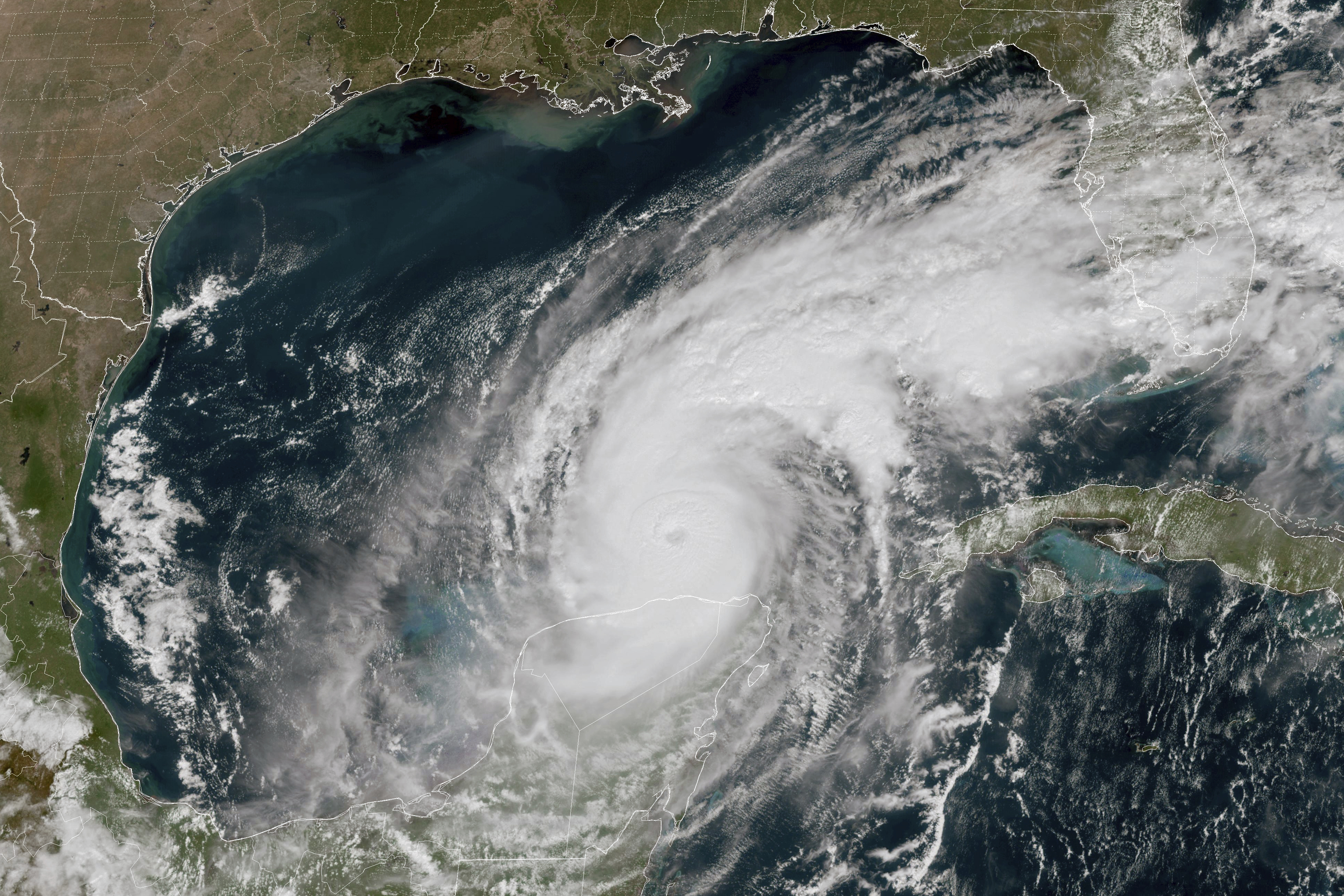
The most recent documented instance of a Category 5 hurricane making landfall in Florida was Hurricane Michael in 2018. While Michael reached Category 5 strength over the Gulf of Mexico, it weakened slightly to a high-end Category 4 storm just before making landfall near Mexico Beach on October 10, 2018. Despite this slight downgrade at landfall, the impacts were catastrophic, with wind gusts exceeding those of a Category 5 storm in some areas and causing unprecedented destruction across the Florida Panhandle. The storm’s intensity at landfall was a stark reminder of nature’s power and the vulnerability of coastal communities.
Prior to Hurricane Michael, the last hurricane to make landfall in Florida as a Category 5 was the Labor Day Hurricane of 1935. This storm, which struck the Florida Keys, remains one of the deadliest and most intense hurricanes to ever hit the United States. Its ferocious winds and devastating storm surge reshaped the landscape of the Keys and served as a grim lesson in the destructive potential of Category 5 storms. The lack of modern forecasting and warning systems at the time, coupled with the storm’s rapid intensification, contributed to the immense loss of life.
Understanding Hurricane Intensity and Landfall
The Saffir-Simpson Hurricane Wind Scale categorizes hurricanes based on their sustained wind speed. It’s important to note that a storm’s category can fluctuate as it moves over warmer or cooler waters, or interacts with landmasses. A hurricane might reach Category 5 intensity over the open ocean but weaken to Category 4 or even Category 3 by the time it makes landfall. Conversely, a storm that is initially weaker can intensify rapidly over warm waters, potentially reaching Category 5 status just before impacting the coast.
The intensity at landfall is what ultimately determines the severity of the damage. A Category 4 storm, with sustained winds between 130-156 mph, is still incredibly destructive, capable of causing catastrophic damage. The distinction between a Category 4 and a Category 5 storm, while significant in terms of wind speed, is often less pronounced in terms of the broad spectrum of destruction, as Category 4 storms are already capable of leveling homes and causing widespread infrastructure failure.
The Impact of Major Hurricanes on Tourism and Infrastructure
The occurrence of powerful hurricanes, even those not reaching Category 5 at landfall, has a profound impact on Florida’s tourism industry and its vital infrastructure. Destinations like the Florida Keys, Miami, Orlando, and the Florida Panhandle rely heavily on a consistent flow of visitors. When a major storm strikes, travel to these areas can be severely disrupted for extended periods.
Rebuilding infrastructure – including airports, roads, bridges, and hotels – becomes a top priority following a significant hurricane. The economic repercussions are substantial, not only due to the direct costs of repair and reconstruction but also from lost tourism revenue and business closures. For visitors, the aftermath can mean canceled plans, limited access to attractions, and uncertainty about safety and availability of accommodations.

However, Florida is a state built on resilience. Its tourism sector has a proven track record of recovery, with destinations often reopening and welcoming visitors once it is safe to do so. This recovery is facilitated by robust emergency management plans, dedicated rebuilding efforts, and the inherent desire of travelers to experience the unique attractions that Florida offers.
Preparing for the Unpredictable: A Tourist’s Perspective
While the prospect of a Category 5 hurricane can be daunting, it is important for travelers to approach hurricane season in Florida with informed preparedness rather than undue alarm. Hurricane season officially runs from June 1 to November 30, with the peak typically occurring between August and October.
Staying Informed and Making Smart Travel Decisions
For those planning a trip to Florida during hurricane season, staying informed is paramount. Travelers should monitor weather forecasts from reputable sources such as the National Hurricane Center and local news outlets. Many airlines and hotel chains offer flexible booking and cancellation policies during severe weather events, so it is advisable to familiarize yourself with these policies before and during your trip.
Choosing accommodations in areas less prone to severe flooding or storm surge can also be a prudent measure. While the coast is a major draw, inland locations or higher elevations may offer greater safety during a hurricane event. Additionally, selecting hotels with robust emergency preparedness plans, such as backup power generators and secure building structures, can provide peace of mind. Many resorts and hotels in areas like Orlando and along the Gulf Coast have well-established protocols for hurricane season.
Emergency Preparedness Kits and Evacuation Plans
While tourists are less likely to be residents with extensive emergency kits, a basic preparedness mindset can be beneficial. This might include having a small supply of non-perishable snacks, bottled water, a portable phone charger, a first-aid kit, and any necessary medications. Familiarizing yourself with the evacuation routes and shelter locations in the area you are visiting, as provided by local emergency management agencies, is also a wise precaution.
Most importantly, heed all official advisories and evacuation orders from local authorities. If an evacuation is ordered for your area, do not hesitate to comply. The safety of yourself and your travel companions should always be the top priority. The Florida Division of Emergency Management provides valuable resources and information for both residents and visitors.

Resilience and Recovery: The Enduring Spirit of Florida
Despite the destructive potential of powerful hurricanes, Florida has demonstrated remarkable resilience in the face of adversity. The state’s commitment to hurricane preparedness, infrastructure hardening, and rapid recovery efforts has evolved significantly over the decades. This resilience is not just governmental; it is deeply ingrained in the community spirit.
Following major storms, like Hurricane Ian in 2022 which caused immense damage in Southwest Florida, communities come together to support one another. Volunteers, aid organizations, and government agencies work tirelessly to restore essential services, clear debris, and help rebuild homes and businesses. The tourism industry, a cornerstone of the state’s economy, is often a key driver of this recovery, as the return of visitors signals a return to normalcy and provides a vital economic boost.
The allure of Florida – its pristine beaches, world-class attractions like Walt Disney World and Universal Orlando Resort, and its unique cultural tapestry – continues to draw people from around the globe. While the threat of hurricanes is a reality of life in this subtropical paradise, it is a reality that is managed through constant vigilance, advanced technology, and an unwavering spirit of resilience. Understanding the history of extreme weather events, including the rare instances of Category 5 hurricanes, is part of appreciating the full story of this dynamic and beloved travel destination.
LifeOutOfTheBox is a participant in the Amazon Services LLC Associates Program, an affiliate advertising program designed to provide a means for sites to earn advertising fees by advertising and linking to Amazon.com. Amazon, the Amazon logo, AmazonSupply, and the AmazonSupply logo are trademarks of Amazon.com, Inc. or its affiliates. As an Amazon Associate we earn affiliate commissions from qualifying purchases.